


14 min walk
Van Buuren Museum & Gardens
- Must see
- Museum
Language · 11 published
Historic monument · Brussels
Château de Wolvendael - Kasteel Wolvendael
Reviewed by Elena Voss · Roavina Travel Editor
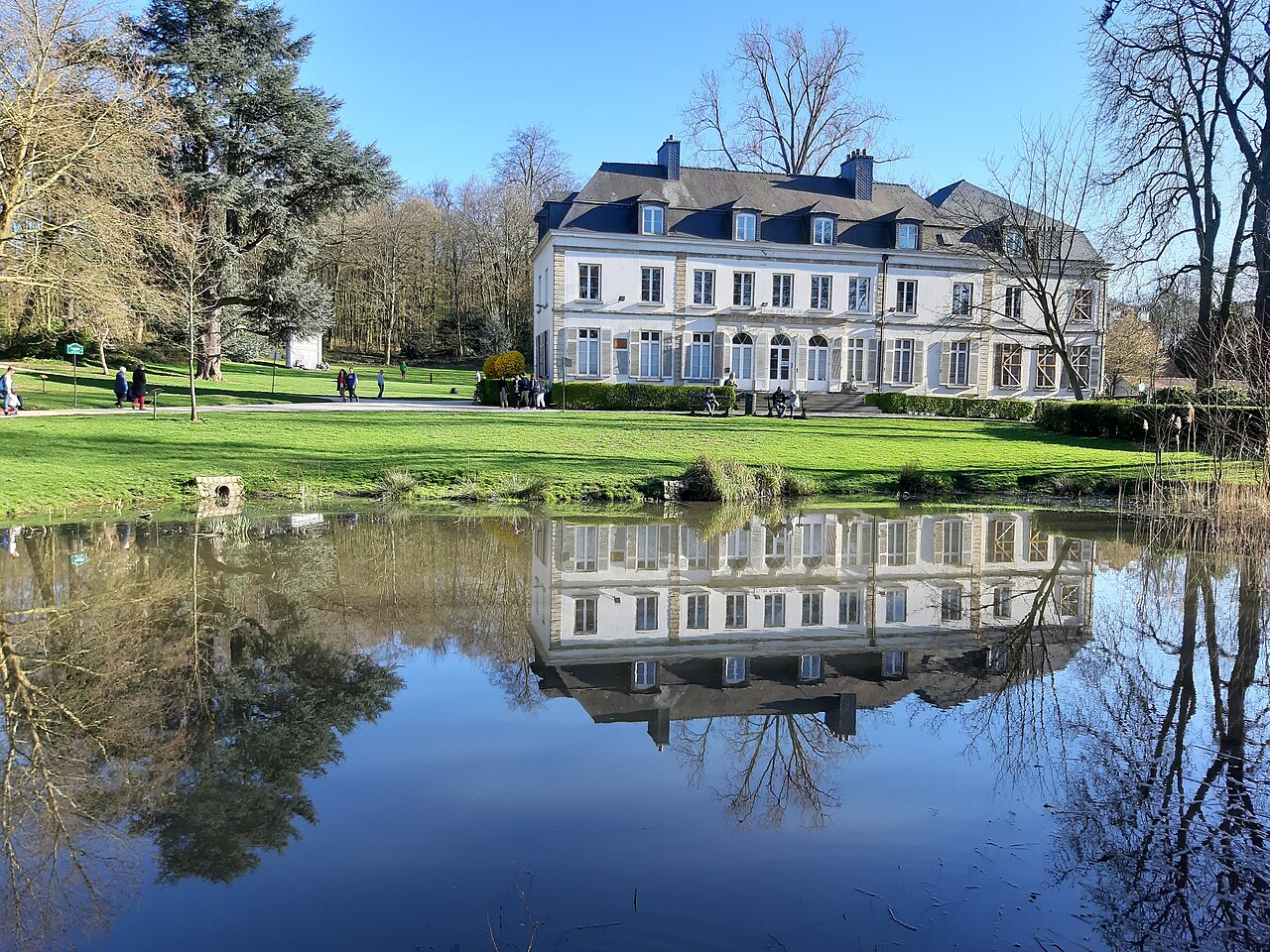
Wolvendael Castle, also called Château de Wolvendael and Kasteel Wolvendael, is a historic landmark in Brussels. The French and Dutch names place it within the capital’s bilingual cultural landscape. The supplied place record identifies the castle as a point of interest but does not describe a museum programme, public rooms, or a regular visitor route. Plan to experience it as an architectural and heritage feature of Brussels, ideally as one element in a wider neighbourhood itinerary rather than as a guaranteed full-day attraction. Wolvendael Castle, known locally as Château de Wolvendael or Kasteel Wolvendael, is a historic castle situated in Brussels. The structure represents part of Belgium's architectural heritage within the capital region. The castle stands as a visitor point of interest with this specific entry-level source identification. As a historic edifice, it contributes to the cultural landscape of the Brussels area alongside other heritage sites. Verification from operators is required.
Checked 2026-08-26 · Source
For planning purposes, keep your attention on the building’s exterior and its role as a named heritage landmark. There is no described gallery or furnished house visit to structure your day around. If you are interested in historic architecture, use the castle as a visual stop within a longer Brussels walk, allowing the surrounding urban setting to add context even when no arranged indoor experience is available. The Wikidata entry Q118235454 provides minimal structural detail about internal arrangements.
Checked 2026-08-26 · Source
Wolvendael Castle is best given a short, flexible place in a Brussels itinerary. The available record provides no tour length, exhibition route, or visitor estimate, so a dedicated long visit would be difficult to structure. Allow time for the approach, an exterior look, and respectful photographs, then continue to other public sights in the area. This format works particularly well for travellers who enjoy collecting architectural landmarks across Brussels rather than spending the whole day at one documented museum.
Checked 2026-08-26 · Source
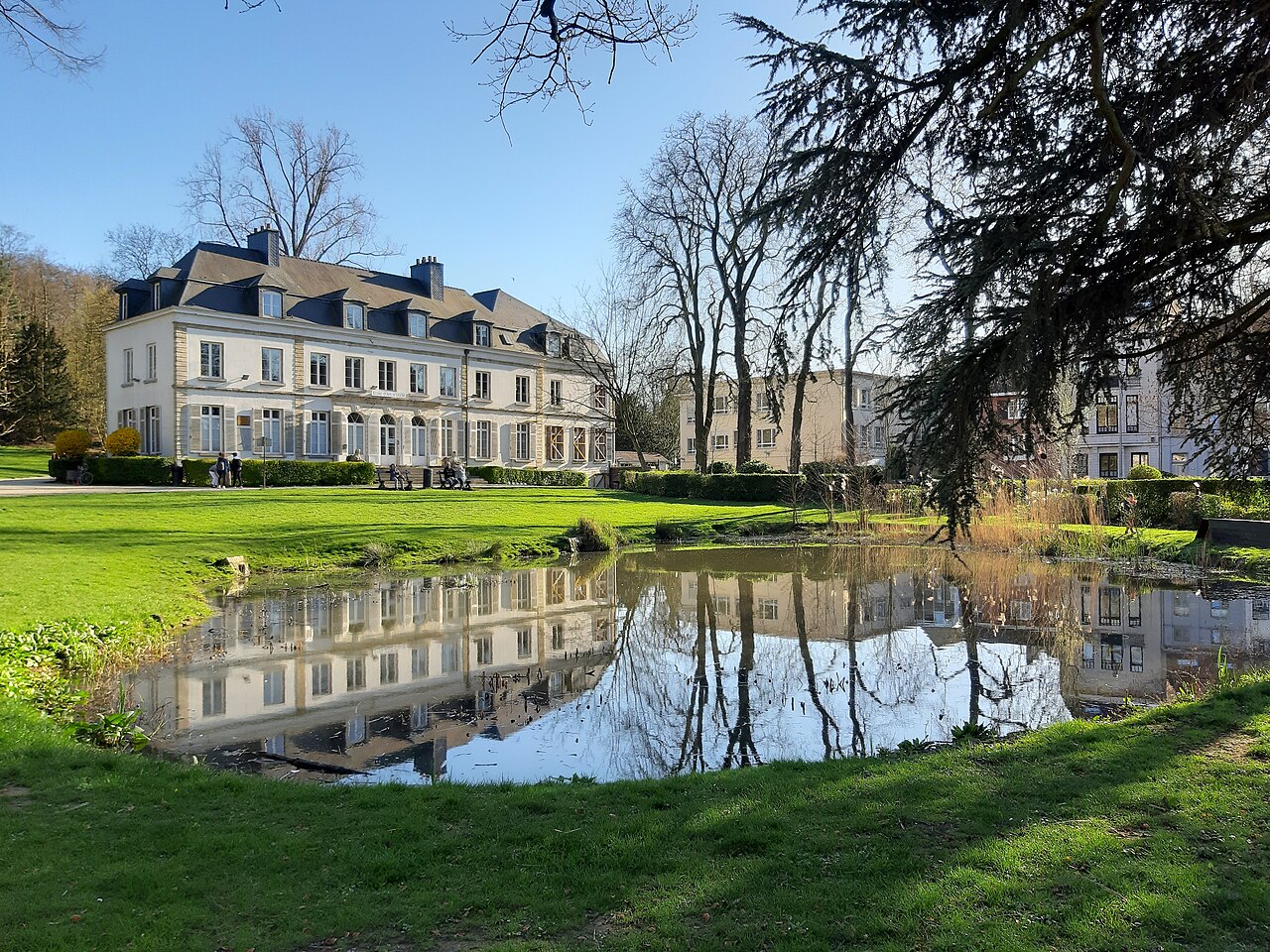
A daylight visit is the clearest choice for reading Wolvendael Castle’s exterior and photographing its architectural form. The supplied record gives no opening calendar, seasonal schedule, closure pattern, or event programme, so keep the stop flexible and avoid tying a fixed museum timetable to it. In spring and summer, outdoor walking is generally more comfortable; autumn and winter can offer a quieter atmosphere and softer architectural contrast. Let the wider Brussels route, rather than an unlisted schedule, determine the exact day.
Checked 2026-08-26 · Source
The available place record lists no entrance price, concession, group rate, payment method, or ticketed visitor arrangement for Wolvendael Castle. Plan this as a heritage sight rather than a confirmed paid attraction, and do not make a non-refundable museum booking around it. The useful experience described here is the castle’s architectural presence in Brussels. If the site forms part of a broader walk, the absence of a ticket plan makes it easy to treat the stop as a flexible addition to the day.
Checked 2026-08-26 · Source
Wolvendael Castle is in Brussels, whose transport network includes metro, tram, and bus services. The supplied record gives no route number, stop, street address, parking detail, or walking approach beyond the mapped POI location. Use that map position to shape the final leg from your chosen starting point, and allow for an onward walk after public transport. A journey planner is useful for the city connection; cyclists can consider the route if they are comfortable sharing Brussels streets with traffic.
Checked 2026-08-26 · Source
The supplied record does not describe visitor facilities, step-free access, surface conditions, security arrangements, food policies, or restrictions at Wolvendael Castle. Keep the stop simple: wear practical shoes, move carefully around the exterior, and follow any signs or staff directions you encounter. Because no public programme is described, do not plan around a guaranteed interior experience. Protect your belongings as you would elsewhere in Brussels, and make space for residents and other pedestrians while viewing or photographing the landmark.
Checked 2026-08-26 · Source
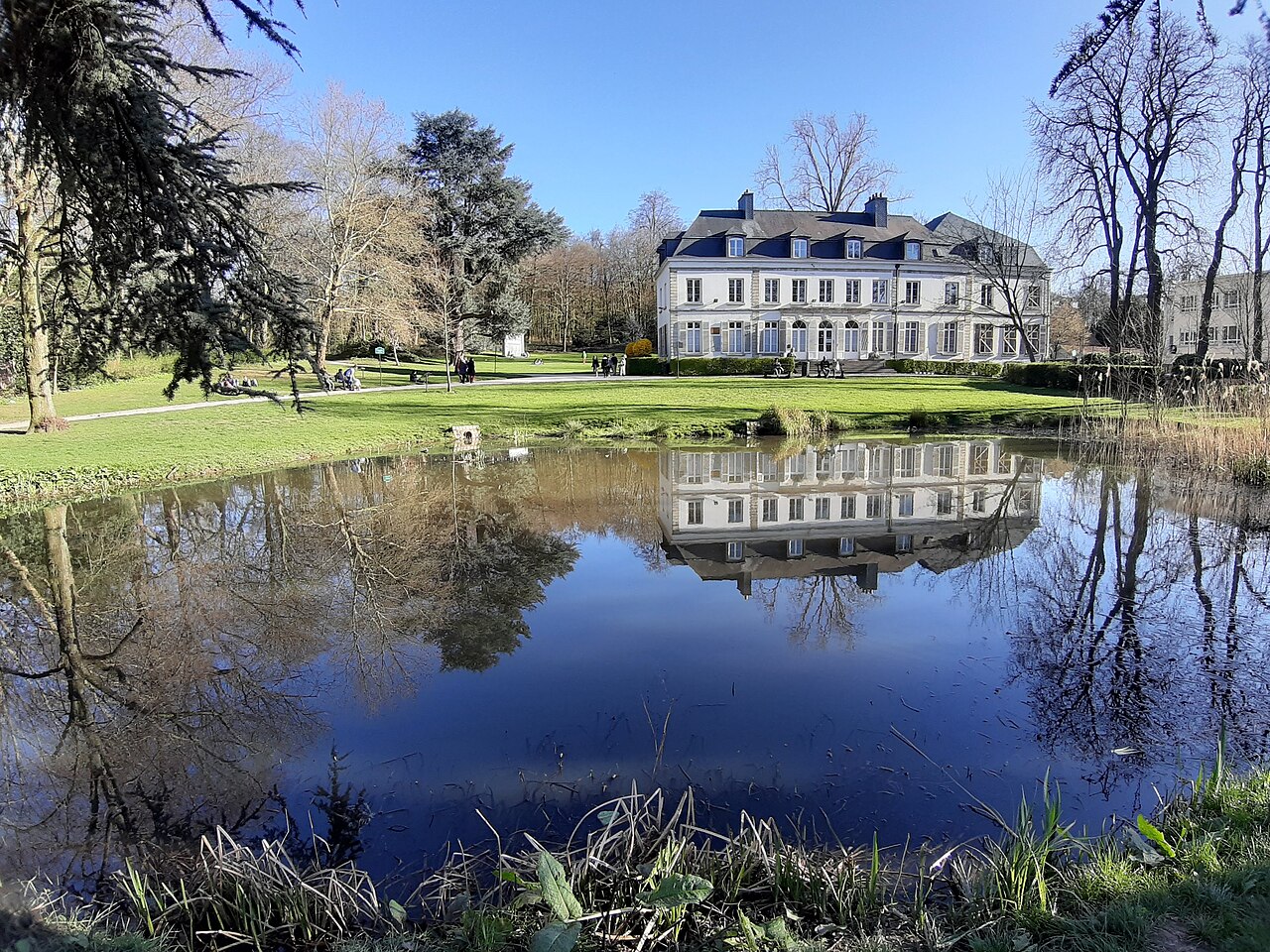
Use Wolvendael Castle for exterior architectural photography from places open to the public. The supplied record gives no interior photography policy, flash rule, tripod allowance, commercial permission, or drone arrangement, so keep the session to modest outdoor images and follow visible instructions. Include the surrounding Brussels setting to give the castle a sense of place. Avoid blocking paths, disturbing nearby people, or treating the property as a studio. Daylight is the practical choice for recording the building’s outline and details.
Checked 2026-08-26 · Source
It is also known as Château de Wolvendael and Kasteel Wolvendael.
It is presented as a historic architectural landmark rather than a described museum with a confirmed visitor programme.
Focus on the exterior architecture and the castle’s place within Brussels’s wider cultural landscape.
Treat it as a short, flexible stop for exterior viewing and photography within a broader Brussels route.
The landmark has French and Dutch names: Château de Wolvendael and Kasteel Wolvendael.
Take exterior photographs from public places, follow visible instructions, and avoid blocking paths or disturbing people nearby.
Loading the interactive map…
The interactive map could not be loaded.
Last updated:
Source: OpenStreetMap contributors, Wikidata ·