


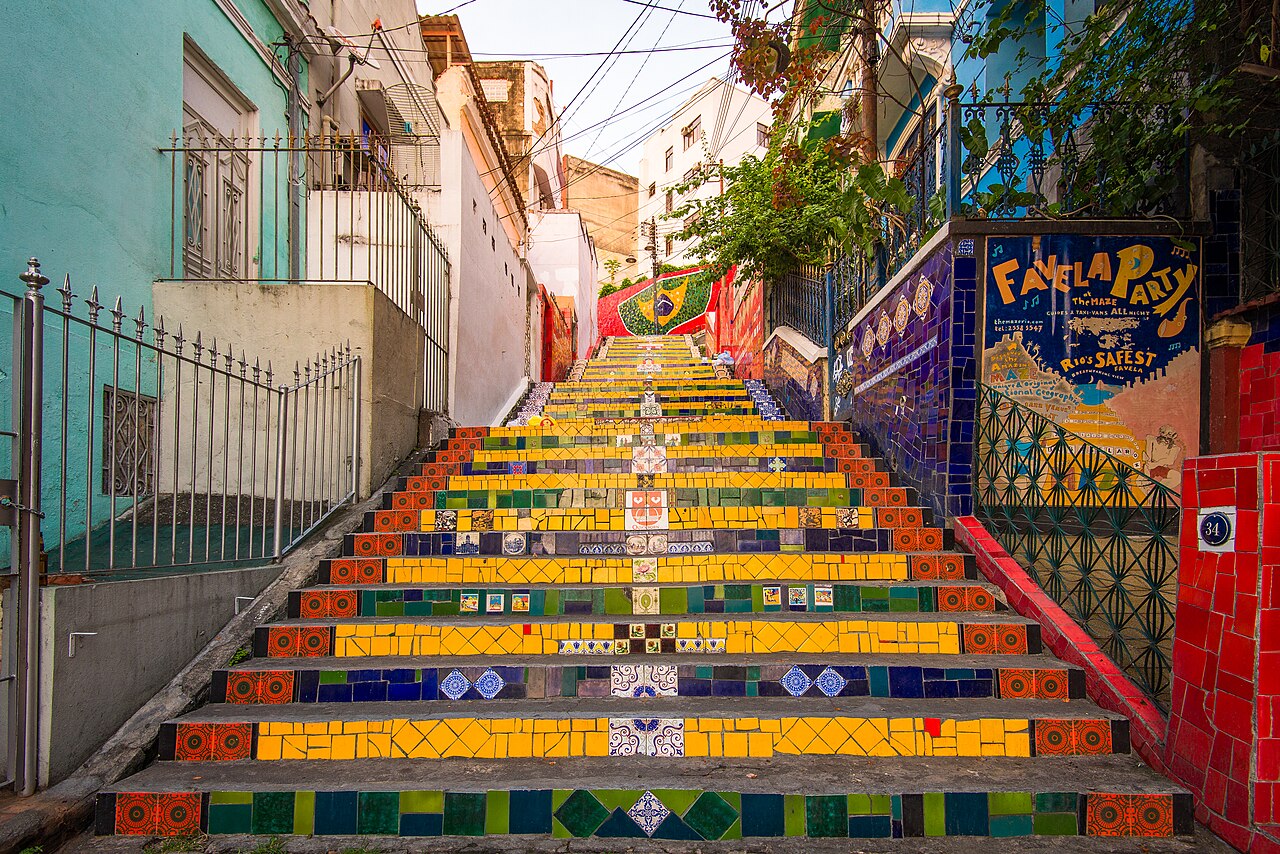
6 min walk
Escadaria Selarón
- Must see · Heritage site
- Art and culture venue
Language · 11 published
Museum · Rio de Janeiro
Museu Chácara do Céu
Reviewed by Elena Voss · Roavina Travel Editor
| Monday | 12:00 – 17:00 |
|---|---|
| Tuesday | Closed |
| Wednesday | 12:00 – 17:00 |
| Thursday | 12:00 – 17:00 |
| Friday | 12:00 – 17:00 |
| Saturday | 12:00 – 17:00 |
| Sunday | 12:00 – 17:00 |
Parsed from OpenStreetMap opening hours on 2026-09-09.
This place is a Museum. It was established in 1958. It carries the heritage asset listed by IPHAN heritage designation.
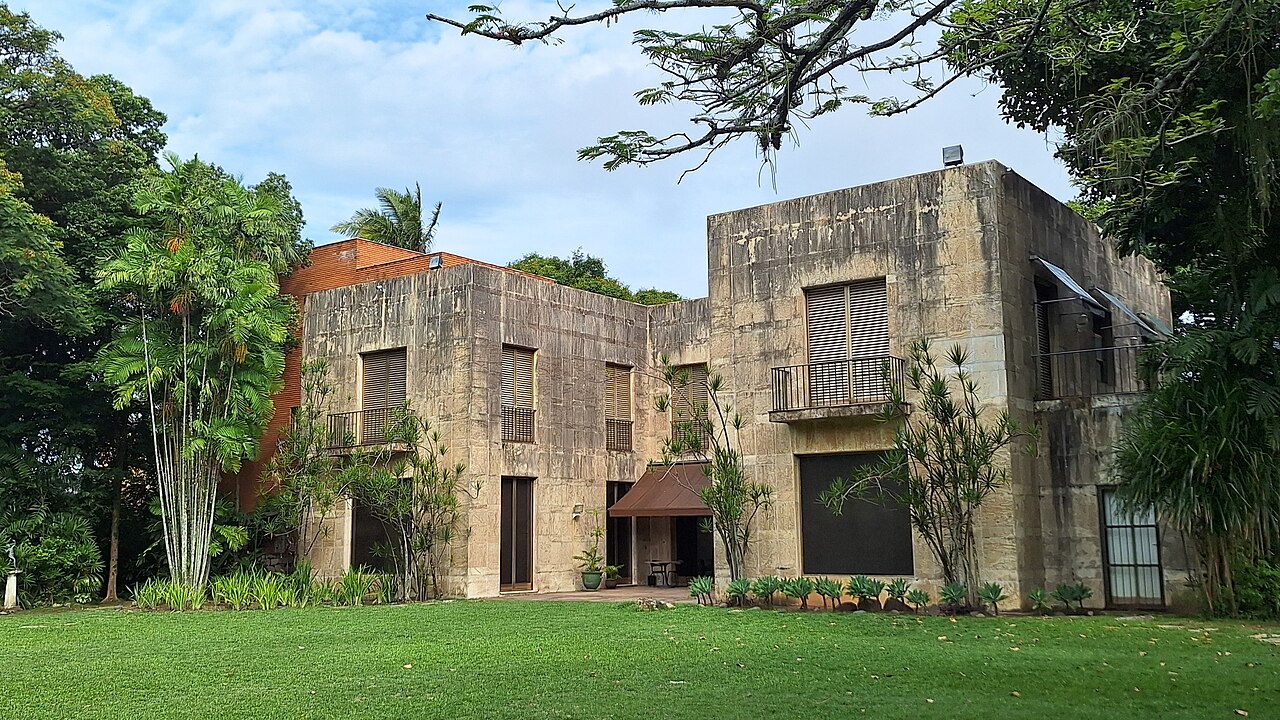
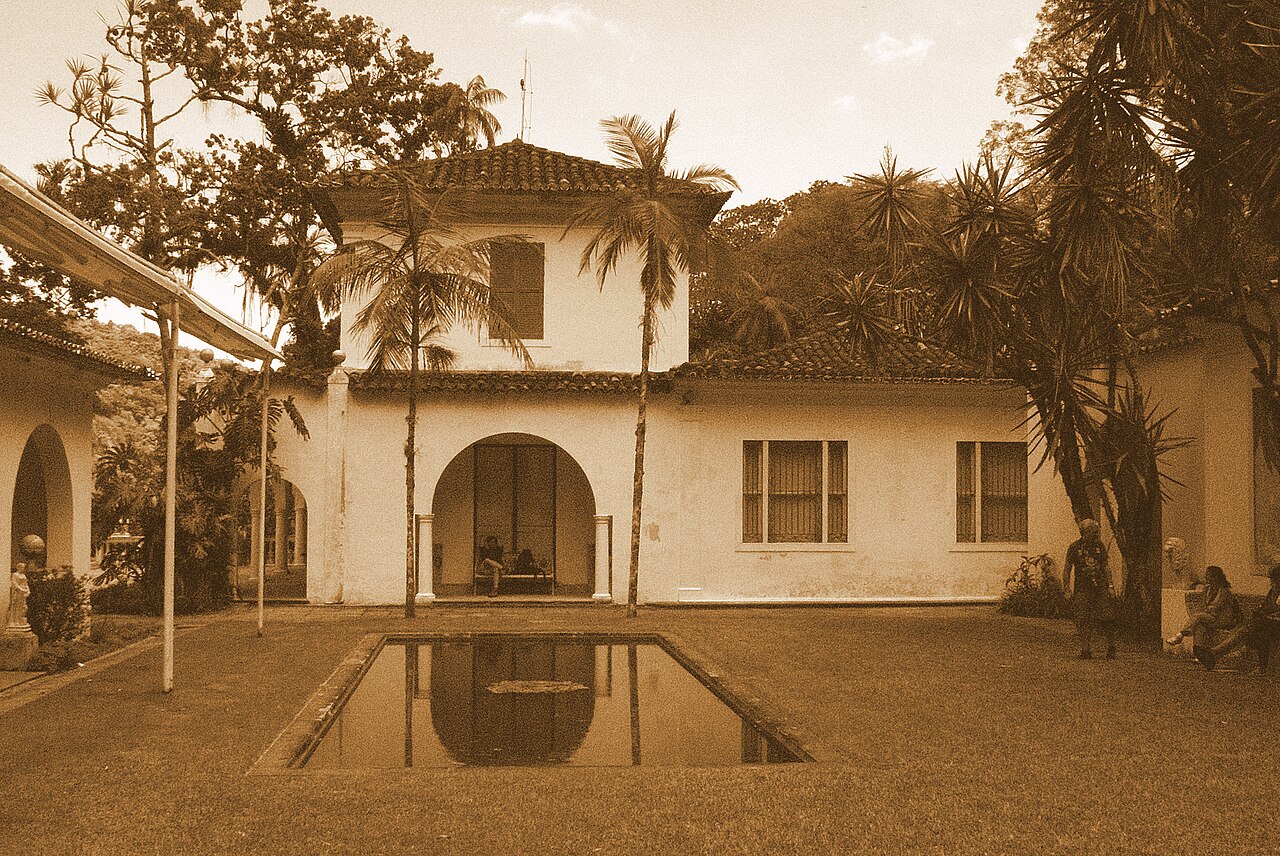
Chácara do Céu Museum is a former residence in Santa Teresa, one of Rio de Janeiro’s hillside neighborhoods. It belongs to the Castro Maya Museums network and combines a historic domestic setting with collections of Brazilian and European art. Its elevated position adds a second attraction: views across Rio’s urban landscape and natural geography. The experience is more intimate than a large city museum, with rooms, artworks, terraces, and the surrounding hillside all contributing to the visit. The Chácara do Céu Museum is a cultural institution located in the Santa Teresa neighborhood of Rio de Janeiro. It forms part of the Castro Maya Museums network, administered by the Brazilian federal government. The museum occupies a former residence that has been adapted for public exhibition purposes. Its elevated position in the hillside district provides visitors with expansive panoramic views across the cityscape of Rio de Janeiro, including notable landmarks and geographical features. Visitors should consult the official website at https://museuscastromaya.museus.gov.br/ or contact the institution directly before traveling.
Checked 2026-08-26 · Source
The collection brings Brazilian and European works together inside the atmosphere of a historic home. Rather than moving through a neutral gallery block, visitors see paintings and other art in rooms shaped by the building’s residential character. The displays reflect the collecting interests of the Castro Maya institution and provide comparisons between artistic traditions from Brazil and Europe. Windows, terraces, and elevated viewpoints connect the interior experience with Santa Teresa’s slopes, the wider city, and Rio’s natural backdrop.
Checked 2026-08-26 · Source
Plan roughly two hours for the museum. This allows time to examine the Brazilian and European collections, notice how the art interacts with the former residence, and pause at the viewpoints. Art travelers may stay longer when individual works or periods deserve close attention. Because the museum is relatively compact, it can fit comfortably into a broader Santa Teresa itinerary. Leave additional time around the visit for the neighborhood’s winding streets, elevation changes, and slower walking pace.
Checked 2026-08-26 · Source
Choose a dry, comfortable period if you want to enjoy the museum’s terraces and city views as well as its galleries. Rio’s summer brings heat, humidity, and rain, while the cooler months generally make movement through Santa Teresa more pleasant. A weekday visit can provide a calmer setting for looking at art in the house’s rooms. Rain matters more here than at a street-level museum because the neighborhood is steep and the journey between transport, streets, and entrance may take longer.
Checked 2026-08-26 · Source
The museum’s admission arrangement is not represented by a confirmed price in this guide. Remember that the visit covers both a Castro Maya art collection and a historic residence, so it is best planned as a focused cultural stop rather than a brief viewpoint visit. If you are visiting with companions, agree on a meeting point before entering because rooms and terraces can separate a group. Allow time at the entrance for the museum’s visitor procedures before beginning the collection.
Checked 2026-08-26 · Source
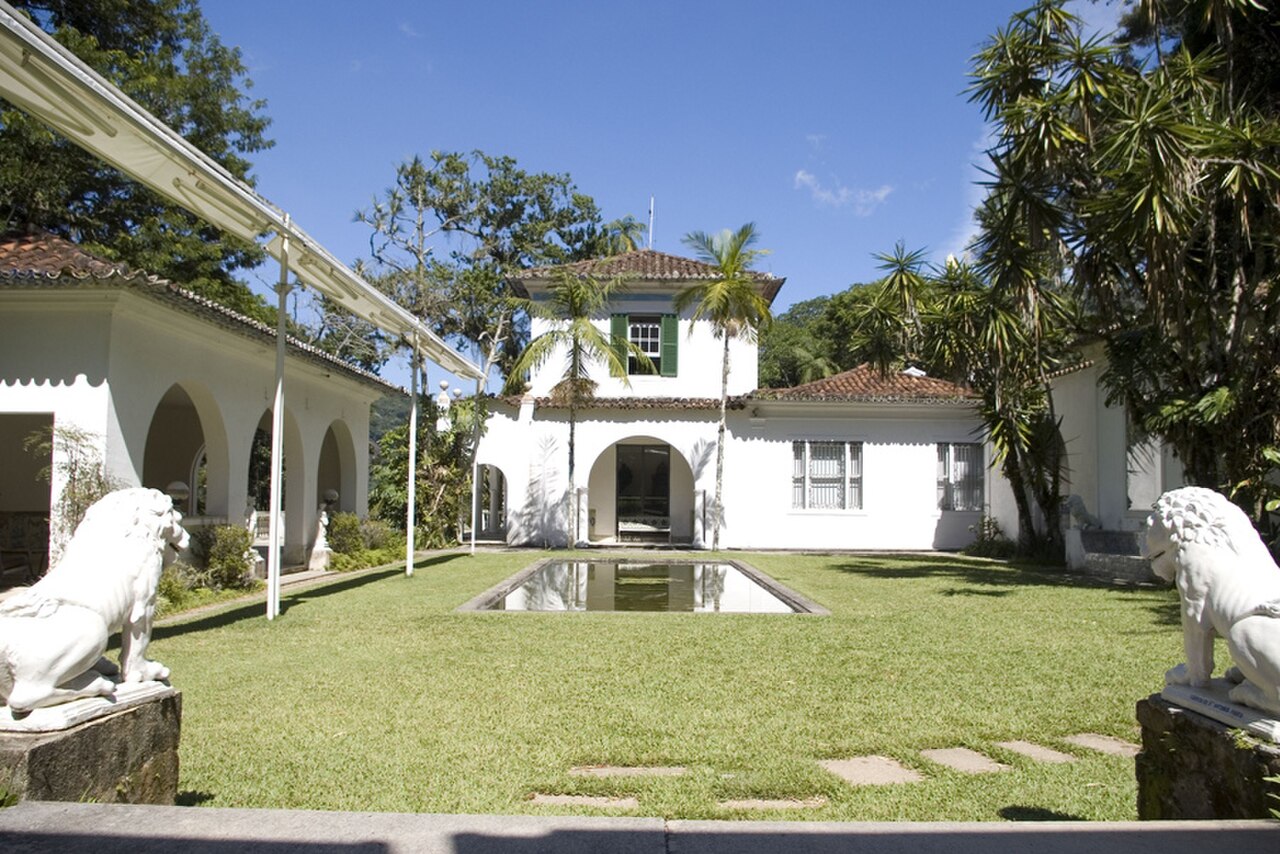
Chácara do Céu Museum is in Santa Teresa, where streets climb through a historic hillside district. The journey is easiest when you treat the final approach as part of the outing: slopes, bends, and uneven sections can make a short map distance feel longer. Taxis and ride services can reduce the walking portion, while the Santa Teresa bonde provides a distinctive way to experience the neighborhood when operating. Build in extra travel time from central Rio and wear shoes suited to hills.
Checked 2026-08-26 · Source
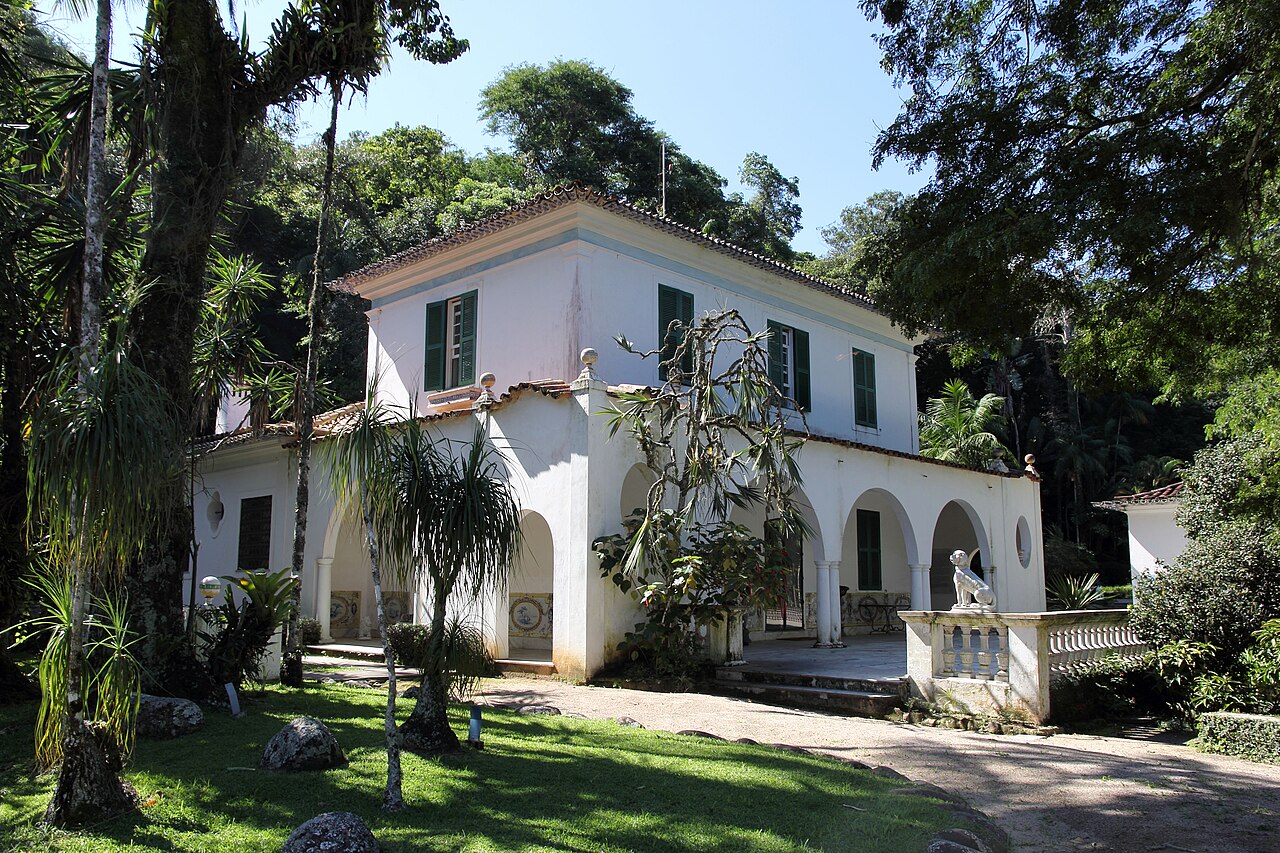
Santa Teresa’s steep terrain is the main practical challenge. Visitors may encounter inclines, irregular paving, and narrow streets on the way to the museum, particularly after rain. The historic residence also has a different physical character from a modern accessible gallery, so pace yourself through rooms, stairs, and viewpoints. Keep valuables secure in the neighborhood and take care near terraces, edges, and openings. The best visit combines careful walking with enough time to enjoy the art without rushing between spaces.
Checked 2026-08-26 · Source
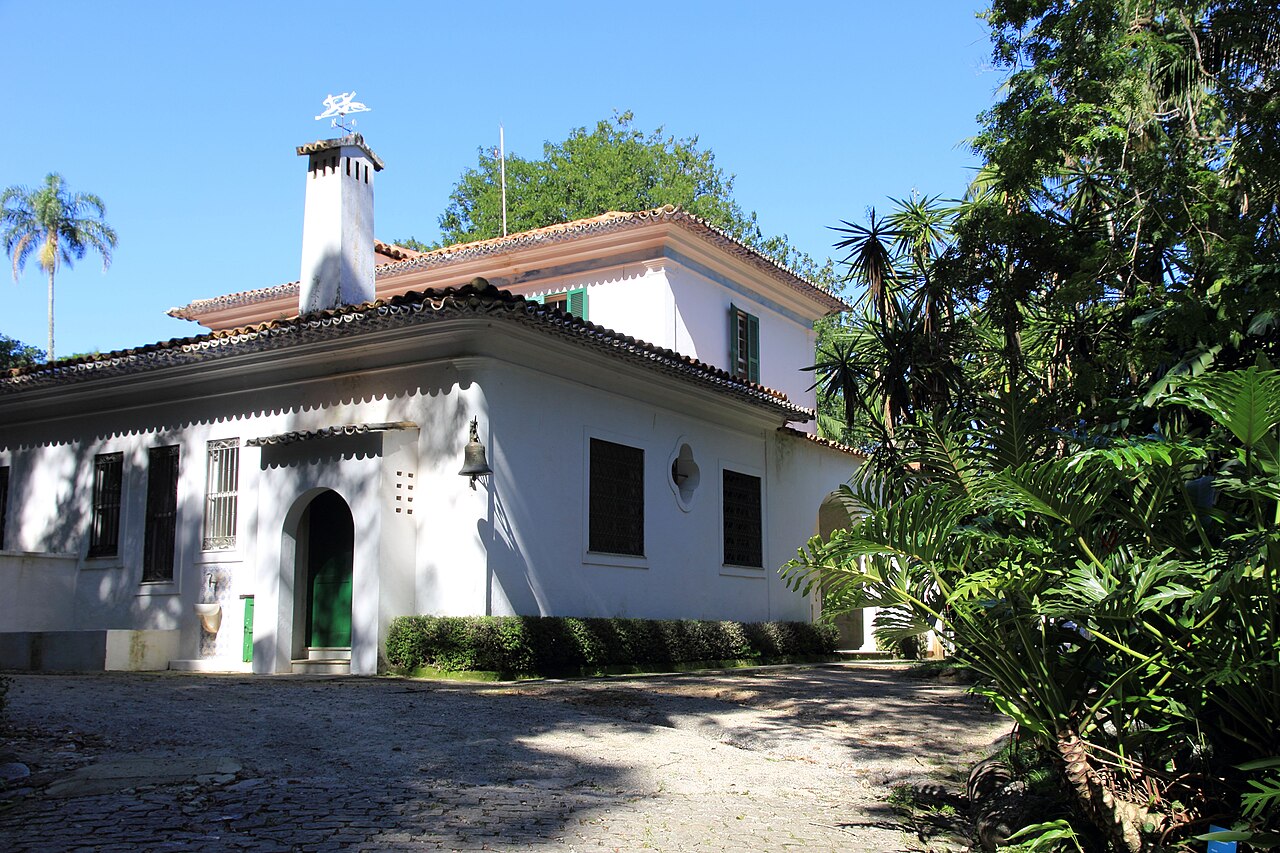
The museum’s elevated setting creates excellent opportunities for views over Rio, especially from terraces and windows where photography is permitted. Inside, treat the collection and the historic rooms with care: follow posted rules, avoid flash where required, and keep cameras or bags away from artworks. The residential arrangement rewards quieter images that show the relationship between art and architecture. On the exterior, photograph the building and hillside streets without obstructing other visitors or residents moving through Santa Teresa.
Checked 2026-08-26 · Source
It is in Santa Teresa, Rio de Janeiro’s hillside district, in a former residence belonging to the Castro Maya Museums network.
The museum presents Brazilian and European art in the setting of a historic home, reflecting the collecting interests of the Castro Maya institution.
Allow about two hours for the art collections, residential interiors, terraces, and panoramic views.
Yes. Its elevated Santa Teresa position provides panoramic views across Rio’s cityscape and natural surroundings.
The district is hilly, with winding streets, slopes, and elevation changes. Comfortable shoes and extra walking time make the museum visit easier.
Both Chácara do Céu Museum and Museu do Açude belong to the Castro Maya network, making them natural cultural companions for a Santa Teresa itinerary.
Loading the interactive map…
The interactive map could not be loaded.
Last updated:
Source: OpenStreetMap contributors, Wikidata ·