

33 min walk
Praça Giulio Massarani
- Notable
- Nature site
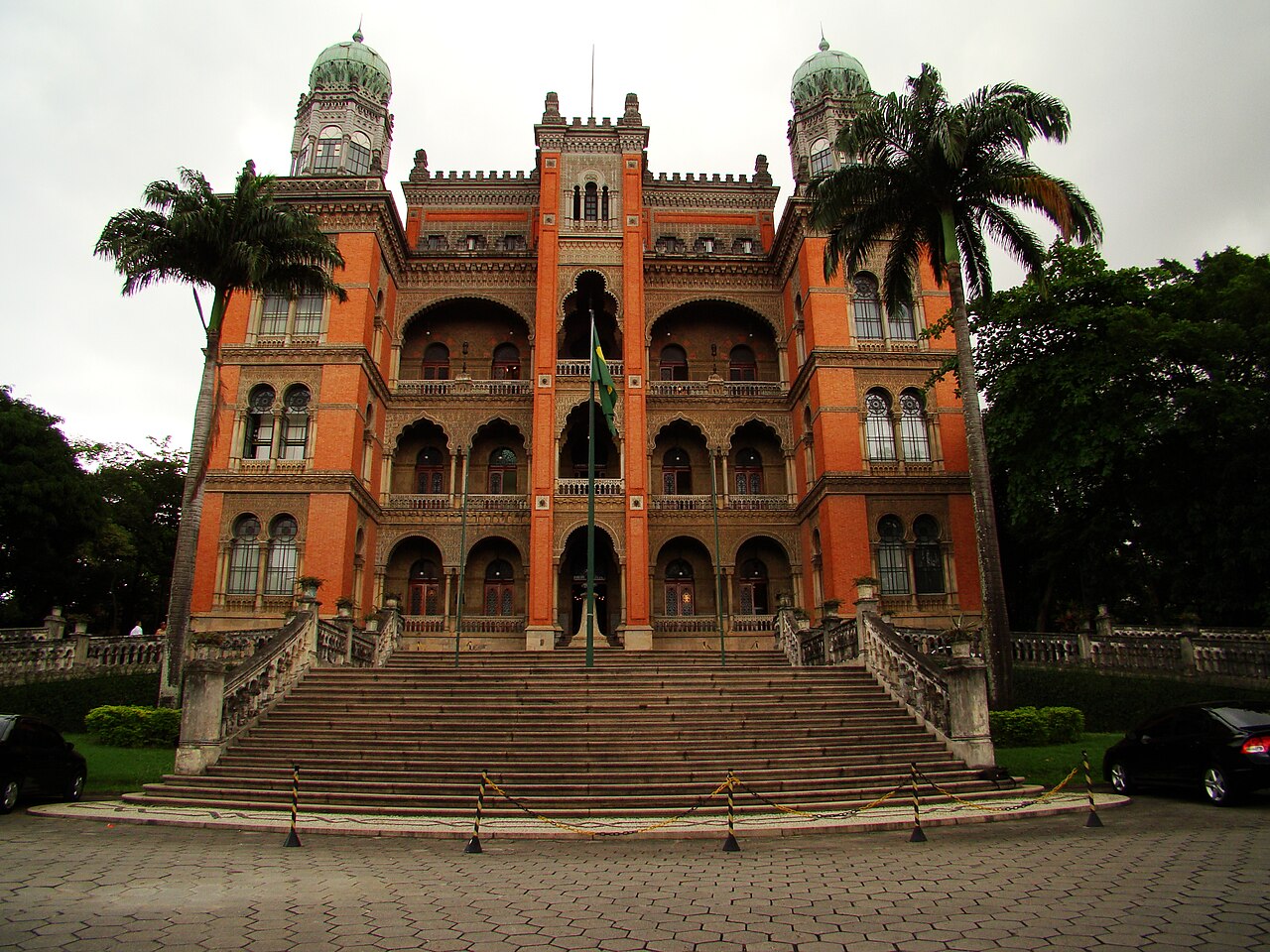
Museum · Rio de Janeiro
Museu da Vida
Museum of Life Fiocruz is an interactive science museum operated by the Oswaldo Cruz Foundation in Rio de Janeiro. The visit connects public health, biology, environmental science, and the history of Fiocruz, Brazil’s major public health research institution. Rather than presenting science only through labels and cases, the museum uses hands-on experiences and educational displays to make complex subjects approachable. It suits families, students, and travelers who want a substantial activity focused on medicine, scientific discovery, and the relationship between health and the environment. The Museum of Life Fiocruz, known locally as Museu da Vida Fiocruz, is an interactive science museum operated by the Oswaldo Cruz Foundation, Brazil's leading public health research institution.
Checked 2026-08-26 · Source
Exhibits explore human biology, public health, environmental ecosystems, infectious diseases, vaccines, and tropical medicine. Interactive installations invite visitors to engage directly with biological and ecological ideas, making the museum more active than a conventional history gallery. Displays also explain Fiocruz’s institutional development and its contribution to Brazilian medicine and science. The balance between historical material and scientific communication helps visitors connect past research with everyday health questions. Children can approach the museum through the interactive elements, while adults may focus on the institutional and medical context.
Checked 2026-08-26 · Source
Allow two to four hours for a relaxed visit. Interactive exhibits take longer than ordinary displays because visitors need time to read, experiment, and discuss what they encounter. Families may move at a slower pace as children return to favorite installations, while travelers focused on Fiocruz’s history or public health can spend more time with the explanatory material. The museum supports flexible self-guided pacing, so a shorter visit can cover the main themes, but an unhurried half-day allows the science and historical context to develop properly.
Checked 2026-08-26 · Source
The museum is a useful year-round option because its central experience is indoors, while Rio’s heat and rain can make outdoor sightseeing less comfortable. Weekday visits may be especially suitable for travelers seeking a focused educational experience, and families should allow enough time for children to explore without rushing. The Manguinhos location places the museum away from Rio’s principal beach circuit, so treat the visit as a dedicated part of the day. Its themes also make it a thoughtful choice when you want a break from scenery and conventional landmarks.
Checked 2026-08-26 · Source
Plan the museum as an educational cultural visit rather than a quick sightseeing stop. The value comes from the interactive science displays, Fiocruz history, and the chance to explore public health and environmental themes in one place. Families and school-age visitors can build the visit around the hands-on installations, while adults may prefer the historical and research context. If you are arranging a group, leave room for a slower shared pace because interactive exhibits work best when participants can discuss and compare what they discover.
Checked 2026-08-26 · Source

The museum is located within the Fiocruz campus in Manguinhos, outside Rio’s main tourist core. The campus setting means the final approach deserves attention: allow additional travel time and leave enough margin for finding the public museum area after reaching the neighborhood. Bus travel, taxis, and ride services can all form part of a route, with journey time affected by Rio traffic. The museum works best as a planned destination, especially for visitors staying in the South Zone or organizing several city neighborhoods into one day.
Checked 2026-08-26 · Source
The museum sits within an active research campus, so remain in public areas and follow signs around institutional facilities. The interactive exhibits are designed for participation, but children should stay with accompanying adults as they move between installations. The Manguinhos approach calls for ordinary urban awareness, particularly when arriving or leaving. Give yourself time to navigate the campus and avoid treating the museum as a stop that can be squeezed between distant attractions. The subject matter includes health and disease, so some displays may require more attention from sensitive visitors.
Checked 2026-08-26 · Source
Photography can help children remember the museum’s interactive displays, but keep the focus on participation rather than turning the visit into a photo session. Follow posted rules around exhibits and avoid photographing people without permission. Research and educational settings may contain displays that require more careful handling, so use the museum’s directions for flash, video, and equipment. Inside a working campus, remain within visitor areas and keep cameras from obstructing installations. The best photographs will show the museum’s hands-on character while preserving room for others to explore.
Checked 2026-08-26 · Source
Yes. Interactive science exhibits address biology, health, and environmental topics in a hands-on format that can engage younger visitors, with adult supervision during activities.
The museum covers public health, human biology, environmental ecosystems, infectious diseases, vaccines, tropical medicine, and Fiocruz’s scientific history.
Plan two to four hours, depending on how much time you spend experimenting with interactive installations and reading the historical displays.
It is within the Fiocruz campus in the Manguinhos neighborhood of Rio de Janeiro, outside the city’s main beach and historic-center visitor routes.
The museum is separate from active research zones. Standard visitors should remain in the public museum areas and follow campus signs and staff directions.
Yes. Its main experience is indoors, with interactive displays and historical material providing a substantial science-focused activity during wet weather.
Loading the interactive map…
The interactive map could not be loaded.

Last updated:
Source: OpenStreetMap contributors, Wikidata ·