
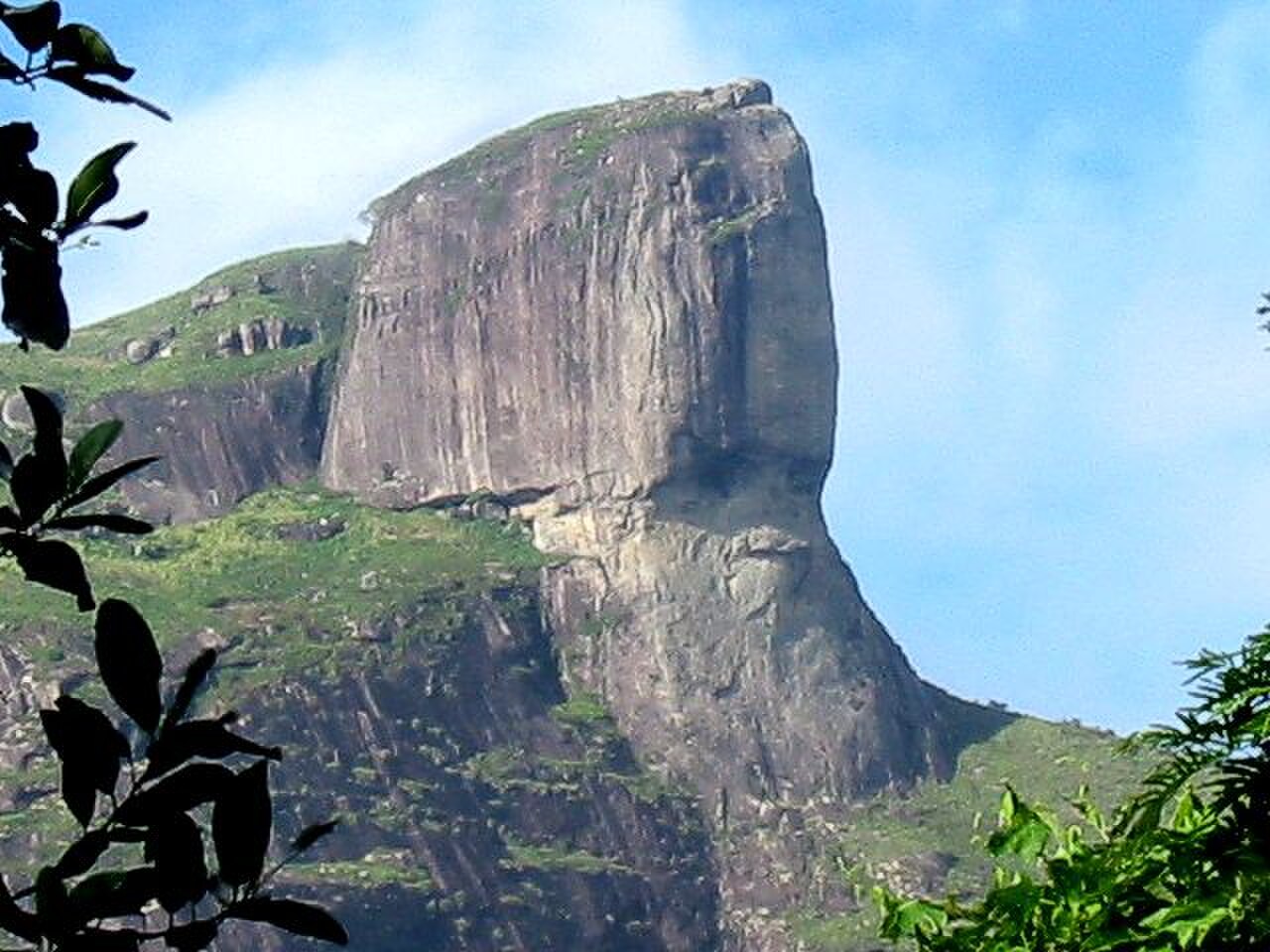
24 min walk
Pedra da Gávea
- Must see · Heritage site
- Viewpoint
Language · 11 published
Nature site · Rio de Janeiro
Reviewed by Elena Voss · Roavina Travel Editor
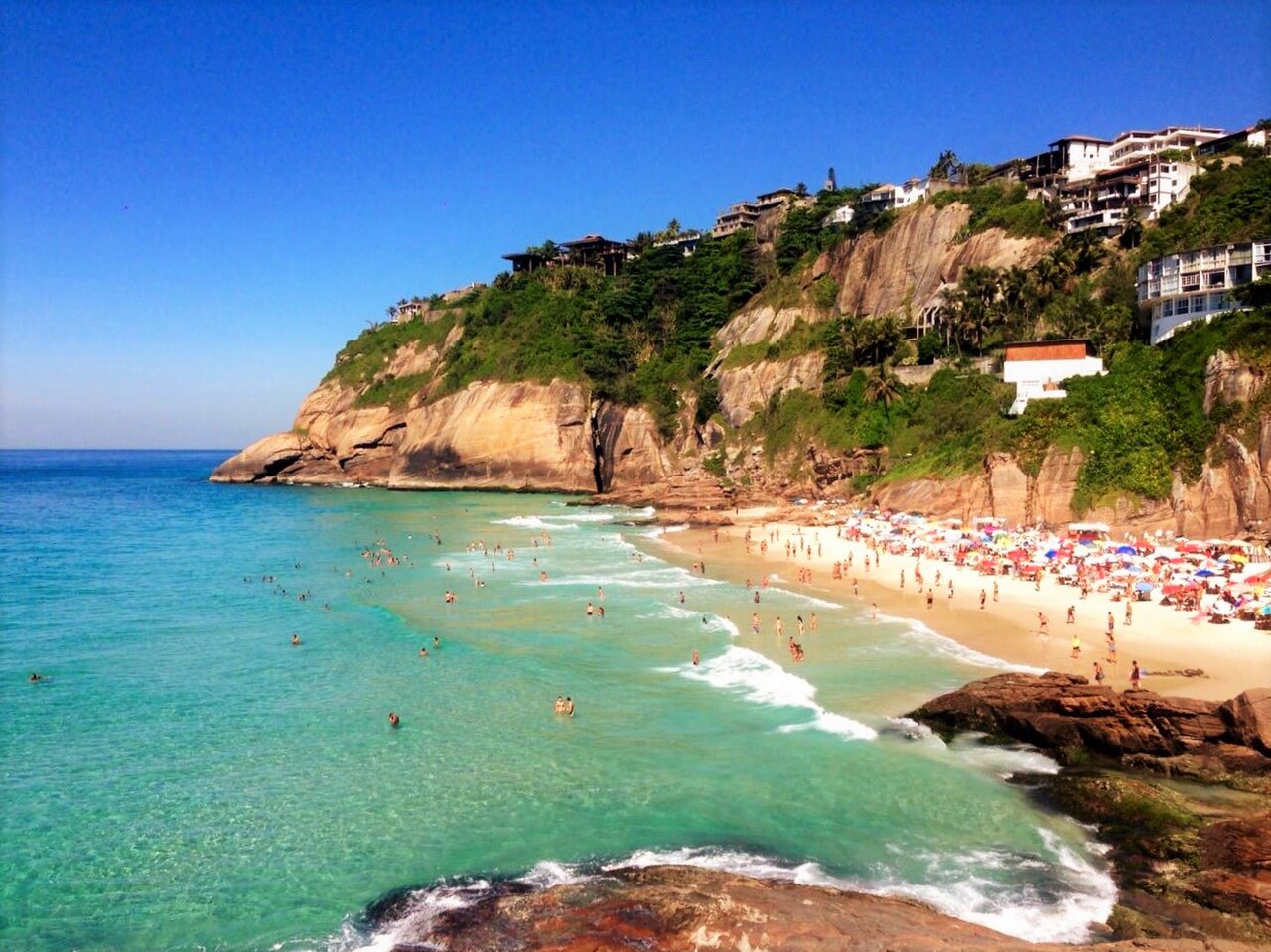
Joatinga Beach is a small, secluded cove in Rio de Janeiro’s western zone, between São Conrado and Barra da Tijuca. Cliffs and coastal vegetation frame the sand, creating a quieter setting than Copacabana or Ipanema. The beach sits in the Joá neighborhood, whose hillside position gives the visit a more private, scenic character. It is best suited to travelers seeking a natural shoreline rather than a heavily serviced urban beach. Praia da Joatinga is a small beach located in Rio de Janeiro's western zone, nestled between São Conrado and Barra da Tijuca. Backed by cliffs, this secluded strand offers a more intimate coastal experience compared to the city's major urban beaches. The beach is known for its scenic setting and relative isolation from the dense development found along much of Rio's shoreline. Access requires effort, which naturally limits crowds. The local name reflects its position within the Joá neighborhood, a residential area perched on the coastal hillsides between two of Rio's more famous beach districts. The steep cliff access and tide-dependent conditions suggest caution for families with young children. The descent path difficulty and lack of facilities are factors to consider.
Checked 2026-08-26 · Source
The setting is defined by a compact sandy beach, rocky cliff faces, ocean views, and the surrounding hillsides of Joá. Its natural character is the main attraction, so the experience centers on swimming, relaxing, observing the coast, and taking photographs. The usable sand changes with the tide, and the beach does not offer the broad promenade, dense restaurants, or extensive services associated with Rio’s central waterfront. Bring what you need for time by the sea. The beach itself consists of sand backed by rocky cliffs, with natural surroundings rather than commercial infrastructure. Visitors should not expect the extensive services found at Copacabana or Ipanema. The cliff environment means shade is limited to specific times of day depending on sun position.
Checked 2026-08-26 · Source
Plan at least several hours if you want to swim, sunbathe, and enjoy the secluded setting. A short photographic visit can take less than an hour, but reaching the sand involves a descent from the neighborhood above, followed by the return climb. The beach is most rewarding when treated as a dedicated coastal outing rather than a quick stop between central attractions. Tide conditions may shorten or extend the comfortable time on the sand.
Checked 2026-08-26 · Source
Choose the visit around the tide: lower water leaves more sand available, while high water can greatly narrow the beach. Morning usually offers cooler temperatures and calmer conditions before afternoon winds. Weekdays are generally more peaceful than weekends. December to March brings warmer summer weather but stronger sun exposure, while rainy periods can affect water clarity and the route down to the shore. Allow extra time when weather or sea conditions may change.
Checked 2026-08-26 · Source
Joatinga Beach is a public coastal destination and the beach visit itself has no ticketing step described in the guide. Your practical costs are transportation to Joá and any parking arrangement near the neighborhood. Services on the sand are limited, so pack drinking water, food, sun protection, and anything needed for a comfortable stay. Treat the outing as self-sufficient, especially if you plan to remain for several hours.
Checked 2026-08-26 · Source
Travel first to the Joá neighborhood above the cove by car, taxi, or rideshare from São Conrado or Barra da Tijuca. From the residential hillside, a path descends toward the beach. Wear secure footwear because the route reaches the shore over uneven terrain rather than through a level promenade. Arrange your return transport before settling in, since the secluded location and limited infrastructure make spontaneous onward travel less convenient.
Checked 2026-08-26 · Source
High tide can leave little sand and bring waves close to the cliffs, so observe the sea before entering the water. The descent and climb require steady footing and may be difficult for travelers with limited mobility. Services and emergency support are limited in this secluded setting. Carry water, sun protection, and basic personal supplies. Stay alert around the shoreline, avoid unstable rock, and keep valuables discreet while enjoying the beach.
Checked 2026-08-26 · Source
Photograph the cove from the elevated approach before descending, then work with the contrast between cliffs, vegetation, sand, and open water. Morning and late-afternoon light can give the rock faces warmer texture and softer shadows. Tide level changes the shape of the foreground and the amount of visible sand. The smaller scale makes it easy to vary compositions without a long walk. Respect the privacy of homes in the hillside neighborhood.
Checked 2026-08-26 · Source
Joatinga Beach is a smaller, secluded cove framed by cliffs, with less urban infrastructure and fewer crowds than Copacabana or Ipanema. Its appeal is the natural setting and quieter atmosphere.
Lower tide leaves more sand available for sitting and walking. High tide can substantially reduce the usable beach area and bring the water closer to the cliffs.
Reach Joá by car, taxi, or rideshare from São Conrado or Barra da Tijuca, then descend from the hillside neighborhood to the beach on the access path.
Bring water, food, sun protection, secure footwear, and personal beach equipment. The cove has a natural, lightly serviced character, so visitors should prepare for a self-sufficient outing.
The beach is reached by a descent from the Joá neighborhood over uneven terrain. This route can be challenging for travelers with limited mobility.
Morning and late afternoon provide softer light for the cliffs, vegetation, sand, and water. Tide level also changes the beach’s shape and photographic foreground.
Loading the interactive map…
The interactive map could not be loaded.
Last updated:
Source: OpenStreetMap contributors, Wikidata ·