
3 min walk
Arredores do Observatório do Valongo
- Notable
- Nature site
Language · 11 published
Historic monument · Rio de Janeiro
Cais do Valongo
Reviewed by Elena Voss · Roavina Travel Editor
This place is a Attraction. It was established in 1811. It carries the World Heritage Site heritage designation.
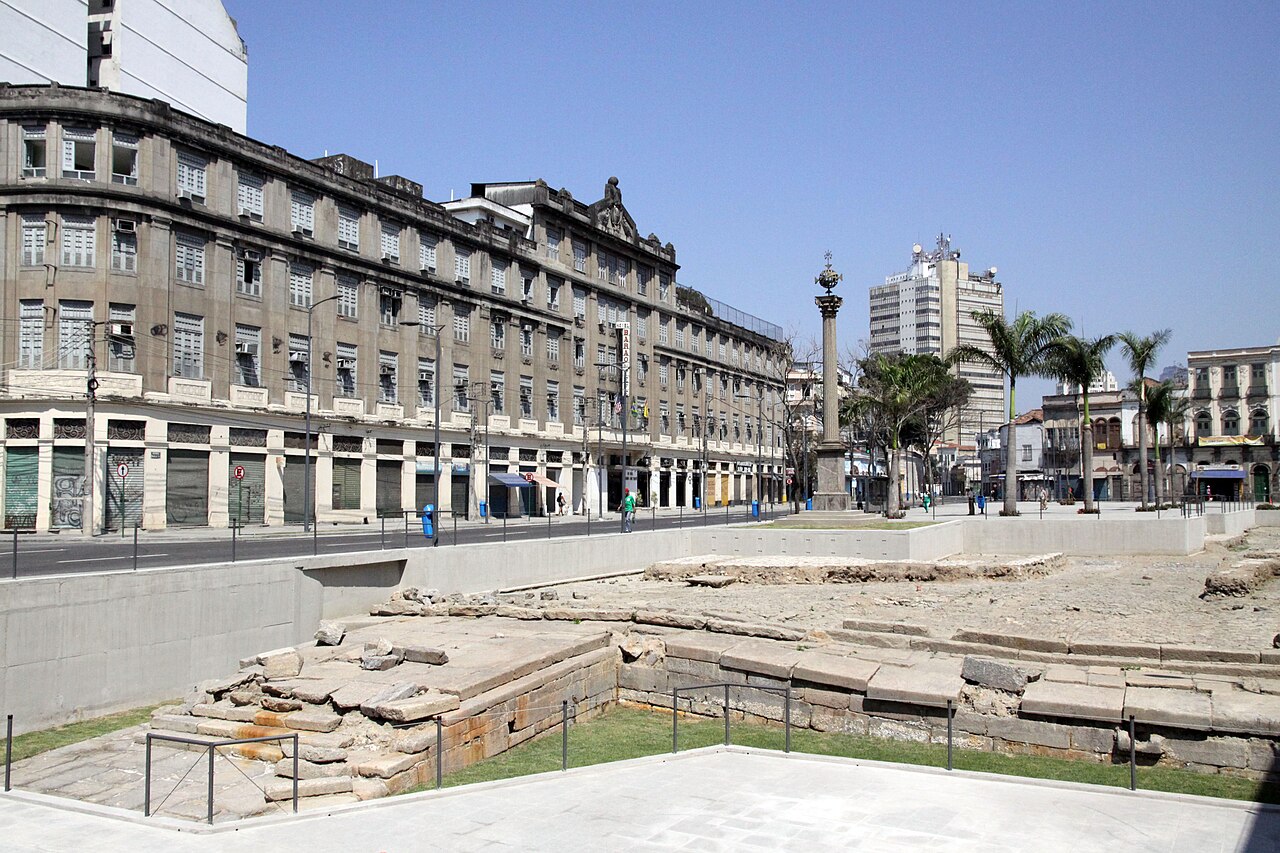
Valongo Wharf, known locally as Cais do Valongo, is a historic archaeological site in Rio de Janeiro's port zone. It served as the main disembarkation point for enslaved Africans arriving in Brazil during the 19th century. The site was rediscovered in 2011 during urban renovation works for the port area. UNESCO designated it a World Heritage Site in 2017, recognizing its significance as the most important physical trace of the arrival of enslaved Africans in the Americas. The wharf represents a crucial memorial to African heritage and the transatlantic slave trade.
Checked 2026-08-26
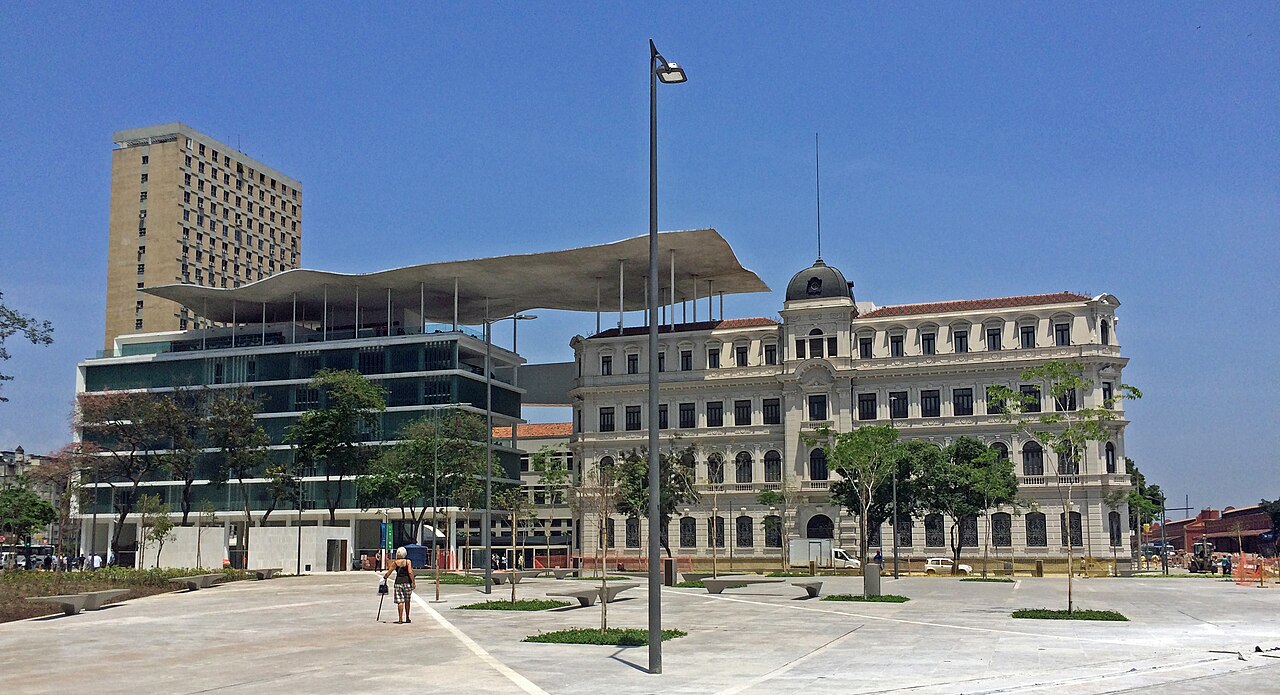
The site consists of exposed archaeological remains of the original stone wharf structure, visible at ground level in an open-air presentation. Visitors can observe the physical footprint of the landing area where enslaved people first stepped onto Brazilian soil. The surrounding port zone contains interpretive elements and the broader archaeological complex. The area is part of Rio's renovated Porto Maravilha district, which includes museums and cultural spaces nearby. The wharf itself is not an enclosed museum but rather an exposed historical layer integrated into the urban landscape, requiring visitor imagination to comprehend its full historical weight.
Checked 2026-08-26
A focused visit to the wharf itself requires approximately 30 to 45 minutes for observation and reflection. However, visitors should allocate additional time to comprehend the site's significance through available interpretive materials. The broader Porto Maravilha district merits extended exploration, with nearby museums and the Museum of Tomorrow potentially adding several hours to a port zone itinerary. Many visitors combine Valongo Wharf with other waterfront attractions. The emotional and educational weight of the site may prompt longer contemplation than typical tourist stops, particularly for those engaging deeply with its historical significance.
Checked 2026-08-26
Rio de Janeiro's climate features hot, humid summers from December to March and milder winters from June to September. Morning visits may offer more comfortable temperatures and softer light for observation. Rainy periods, particularly in summer months, may affect comfort at this exposed outdoor location. The site lacks shelter, so visitors should consider weather conditions. Weekday visits potentially offer quieter, more contemplative experiences than weekends when the port area receives more foot traffic from general tourism. Check the operator's own site for the travel date before relying on a schedule or fare.
Checked 2026-08-26
No ticket infrastructure is visible from available information. The surrounding Porto Maravilha district operates as a regenerated urban area with various attractions carrying separate admission policies. Visitors should verify current access arrangements before visiting, as management structures for archaeological sites can change. Any guided tours or enhanced educational programs would likely involve separate fees if available. Budget-conscious travelers can plan around the expectation of free access to the wharf itself. Check the operator's own site for the travel date before relying on a schedule or fare.
Checked 2026-08-26
Valongo Wharf sits in Rio de Janeiro's central port zone, accessible via the renovated Porto Maravilha area. The VLT light rail system serves the port district with stops near the waterfront. Several bus lines connect to the central port area from various city neighborhoods. Taxis and ride services can reach the location directly. From downtown Centro, the site lies within walking distance for able visitors. The area underwent significant infrastructure transformation for the 2016 Olympics, improving accessibility. Visitors unfamiliar with Rio's port zone should exercise standard urban awareness, as surrounding neighborhoods vary in character and safety conditions.
Checked 2026-08-26
The open-air, exposed nature of the site offers minimal protection from sun exposure and rain. Comfortable footwear suits the uneven archaeological surfaces and surrounding urban terrain. The port zone's regeneration remains incomplete in some peripheral areas, creating variable neighborhood conditions. Visitors should maintain awareness of personal belongings and surroundings, particularly when visiting during quieter periods. The site's profound historical significance demands respectful conduct; it functions as a memorial space rather than conventional entertainment. Limited on-site amenities mean visitors should carry water and sun protection. The emotional impact of confronting slavery's physical legacy may affect some visitors deeply.
Checked 2026-08-26
Photography of the archaeological remains appears permitted as the site operates as open public space, though specific regulations are Not recorded pending review. The exposed stone wharf offers textured, historically resonant subjects best captured in morning or late afternoon light. The contrast between archaeological layers and modern port infrastructure creates documentary opportunities. Drone usage would require verification against local regulations and respect for the site's memorial character. Visitors should prioritize dignified representation over dramatic composition, recognizing the wharf's function as a place of ancestral arrival and trauma. The surrounding Porto Maravilha architecture provides additional photographic interest for those exploring the broader district.
Checked 2026-08-26
No. It is an open-air archaeological site with exposed stone remains visible at ground level, not an enclosed museum building.
It was the main landing point for enslaved Africans arriving in Brazil during the 19th century and is recognized by UNESCO for its importance to understanding the transatlantic slave trade.
Not recorded. Visitors may explore independently or inquire locally about educational programming.
The regenerated port district has improved significantly, but visitors should exercise standard urban awareness as neighborhood conditions vary in peripheral areas.
Not recorded. The open-air, unenclosed nature of the site suggests daytime visiting is most practical.
Not recorded. The site is an archaeological memorial without commercial amenities; nearby Porto Maravilha district offers services.
Loading the interactive map…
The interactive map could not be loaded.
Last updated:
Source: OpenStreetMap contributors, Wikidata ·