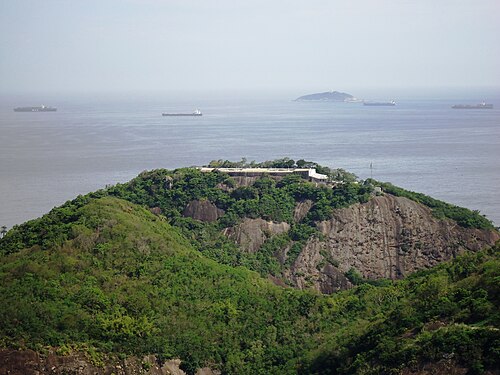
Forte Duque de Caxias
Duque de Caxias Fort stands on Morro do Leme above the eastern end of Copacabana Beach. The military fortification occupies a strategic height with views toward Copacabana and Guanabara Bay.
- High
- Museum
City guide · Brazil
Rio de Janeiro stretches between mountains, bays and the Atlantic, so its famous sights belong to distinct zones. Centro and the port hold historic and cultural...
Photograph · Rafael Rabello de Barros · CC BY-SA 3.0
Set your days, your pace and the hours you actually want to be out. The planner works around closing days and travel time, and leaves room to eat.
Reviewed by Elena Voss · Roavina Travel Editor
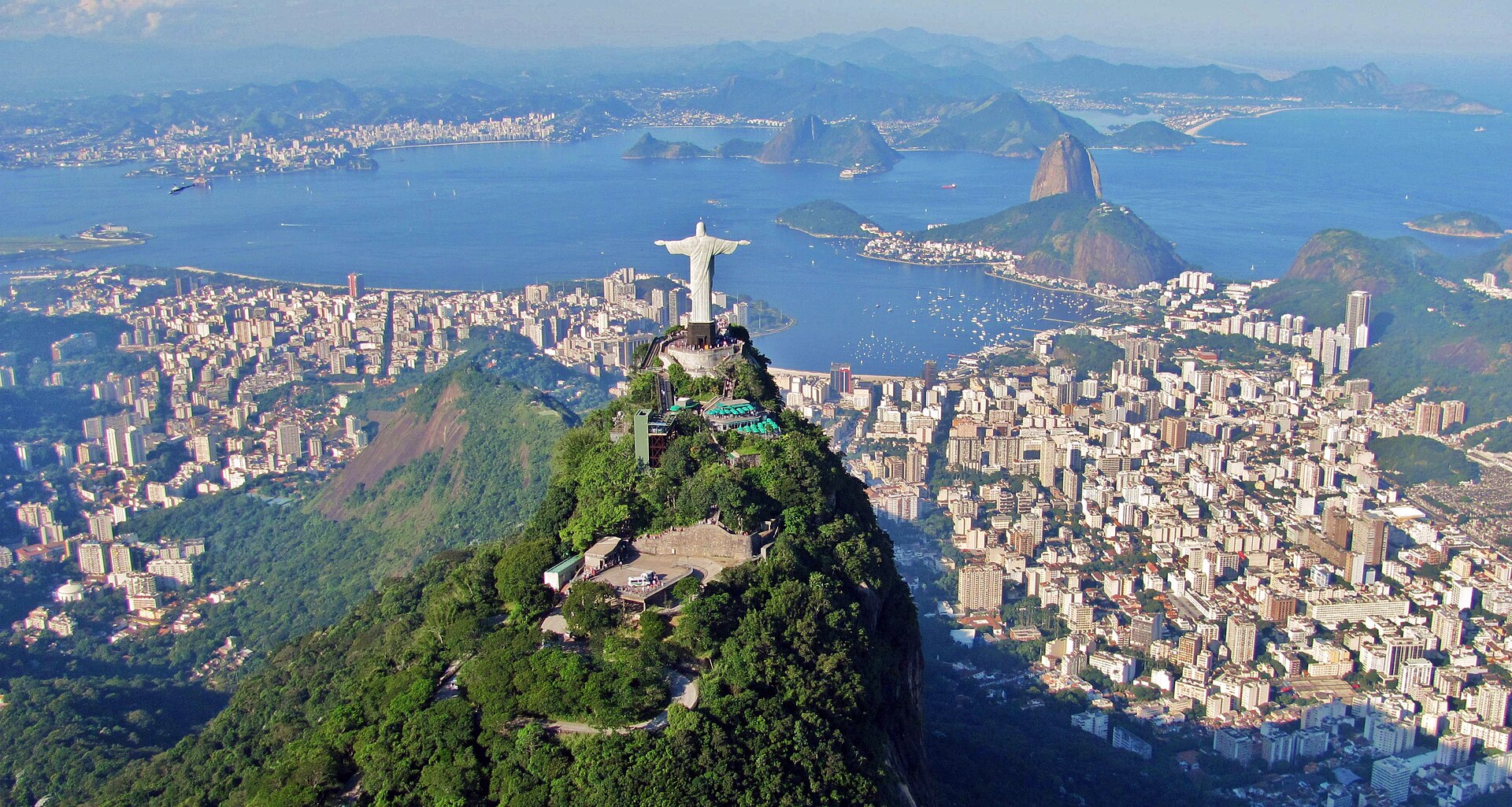
Rio de Janeiro stretches between mountains, bays and the Atlantic, so its famous sights belong to distinct zones. Centro and the port hold historic and cultural institutions; Santa Teresa and Lapa rise beside them; Botafogo and Urca lead toward Sugarloaf; and Copacabana, Ipanema and Leblon form the southern beach corridor. Tijuca Forest and western beaches require separate journeys. Grouping each day by zone avoids repeated cross-city travel.
Checked 2026-08-26
September · September stays mild in Rio de Janeiro at a 25.0°C mean high, but rain increases to 87.1 mm over nine days.
Ranked by importance — sitelinks, pageviews and heritage status, not editor preference.
62 places match
Category
Typical visit duration
Interests
Duque de Caxias Fort stands on Morro do Leme above the eastern end of Copacabana Beach. The military fortification occupies a strategic height with views toward Copacabana and Guanabara Bay.
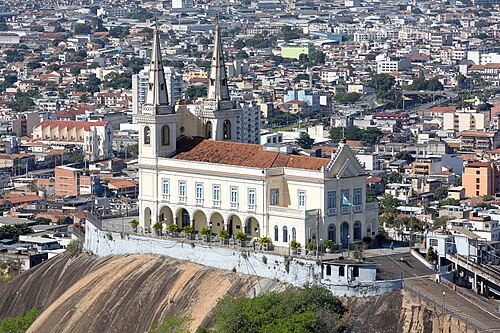
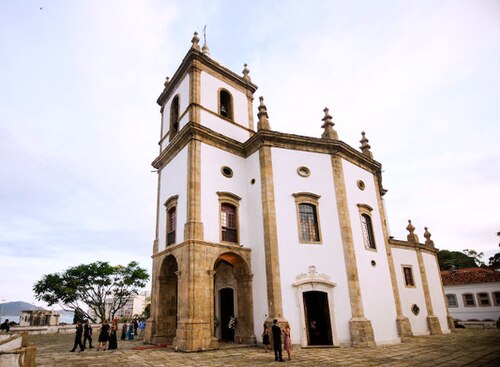
The Church of Our Lady of Glory of the Outeiro is an octagonal colonial church perched on a hill in Rio de Janeiro. Its distinctive geometric form sets it apart from typical Brazilian colonial religious architecture.
Penha Church, formally Igreja de Nossa Senhora da Penha, is a Catholic pilgrimage sanctuary on a granite outcrop in Rio de Janeiro’s Penha neighborhood. Its defining feature is the long ceremonial staircase leading up to the church.
Igreja da Ordem Terceira de São Francisco da Penitência
The Church of the Third Order of Saint Francis of Penitence stands on Santo Antônio hill at Largo da Carioca in central Rio de Janeiro.
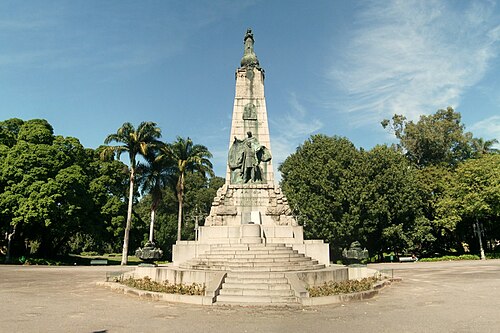
Campo de Santana is a historic public park in central Rio de Janeiro. The green space has served as a civic setting through major phases of Brazilian history and remains an important pause within the dense downtown fabric.
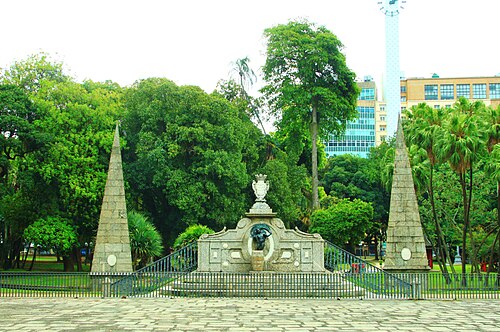
Passeio Público, represented here as Public Promenade, is a historic public park in central Rio de Janeiro.
Centro, Praça Mauá and the Olympic Boulevard form the main museum and historic cluster. Lapa and Santa Teresa sit nearby but involve hills and different transport. Urca and Botafogo make a natural Sugarloaf day, while Copacabana, Ipanema, Arpoador and Leblon form one coastal sequence. Corcovado and Tijuca Forest need dedicated connections. Barra, Recreio and Prainha are much farther west than the South Zone beaches.
Checked 2026-08-26
Metro lines serve Centro and much of the South Zone, while VLT trams circulate through central and port areas. Buses, taxis, ferries and attraction-specific rail or van services complete the network. Hills, tunnels and water make straight-line distances misleading, so consult the official tourist map before combining districts. Use authorised access for Corcovado and other controlled attractions rather than assuming a normal city bus reaches the entrance.
Checked 2026-08-26
Centro, the South Zone beaches, Urca, Tijuca and western Rio are distinct travel zones
No fixed stay length is recorded; add time according to the zones and major attractions selected.
Metro and VLT cover useful corridors, with buses, ferries, taxis and attraction access completing journeys.
Copacabana, Ipanema, Arpoador and Leblon form a practical coastal sequence.
Barra and the western beaches are far from Centro and need a separate travel block.