São Paulo Museum of Art
Museu de Arte de São Paulo
The Museu de Arte de São Paulo Assis Chateaubriand, universally known as MASP, stands as São Paulo's defining art institution and an architectural landmark designed by Lina Bo Bardi.
- Must see
- Museum
City guide · Brazil
São Paulo is a vast inland metropolis whose visitor sights are spread among the historic centre, Avenida Paulista, Liberdade, Ibirapuera and specialised neighbo...
Photograph · Thomas Hobbs · CC BY-SA 2.0
Set your days, your pace and the hours you actually want to be out. The planner works around closing days and travel time, and leaves room to eat.
Editorial responsibility: Elena Voss · Roavina Travel Editor
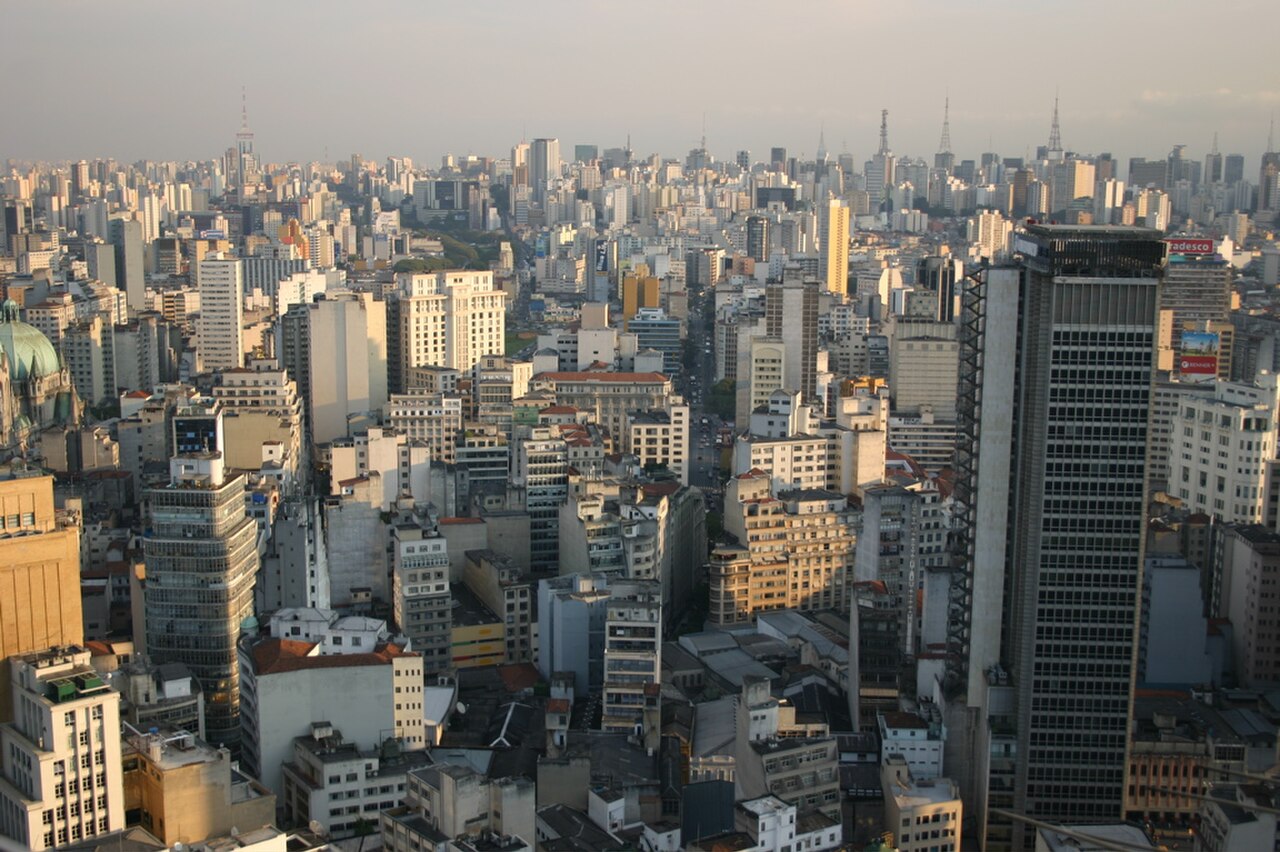
São Paulo is a vast inland metropolis whose visitor sights are spread among the historic centre, Avenida Paulista, Liberdade, Ibirapuera and specialised neighbourhoods. The city guide groups attractions by district and marks nearby Metro access because distance and major roads shape every itinerary. Use central clusters for architecture and markets, Paulista for museums, and Ibirapuera as its own park-and-museum block rather than crossing the city between isolated stops.
Checked 2026-08-26
November · November brings 145.8 mm of rain on 13 days to São Paulo, with a 25.9°C mean high.
Ranked by importance — sitelinks, pageviews and heritage status, not editor preference.
68 places match
Category
Typical visit duration
Good for
Interests
Museu de Arte de São Paulo
The Museu de Arte de São Paulo Assis Chateaubriand, universally known as MASP, stands as São Paulo's defining art institution and an architectural landmark designed by Lina Bo Bardi.
Avenida Paulista
Paulista Avenue is São Paulo's signature thoroughfare, stretching approximately 2. 8 kilometres through the city centre. The avenue functions as a cultural and commercial corridor connecting multiple neighbourhoods.
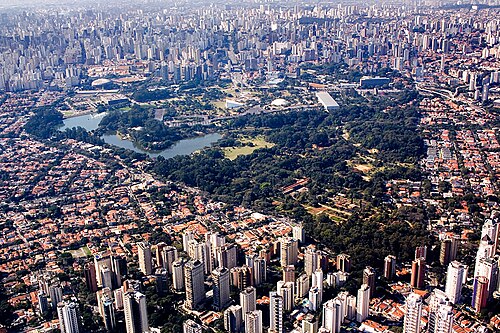
Parque Ibirapuera
Ibirapuera Park is São Paulo's flagship urban park and its most concentrated modernist cultural landscape. Located in the southern zone of Brazil's largest city, it occupies a significant portion of the Moema, Paraíso, and Vila Mariana districts.
Mercado Municipal de São Paulo
The Municipal Market of São Paulo, locally called Mercadão, is a historic public market in the city centre. Built in the early twentieth century, it occupies a prominent building with distinctive architecture.
Rua 25 de Março is a popular shopping street in the central zone of São Paulo, long synonymous in Brazil with large crowds and discount shopping.
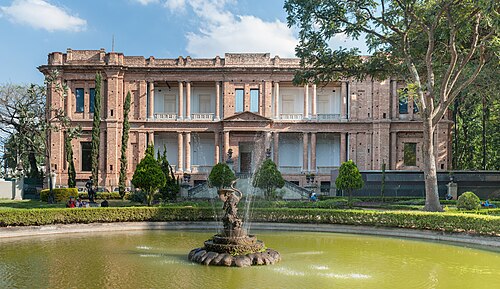
Pinacoteca do Estado de São Paulo
The Pinacoteca de São Paulo stands as the city's oldest major art museum, housed within the restored Luz building. This institution holds nationally important significance for Brazilian art, serving as a cornerstone of São Paulo's cultural landscape.
Museu Paulista
The Museu do Ipiranga is a Brazilian history museum located in São Paulo. It stands as the anchor institution of Independence Park, a monumental green space in the city.
Museu da Língua Portuguesa
The Museum of the Portuguese Language is an interactive museum dedicated to the Portuguese language, located inside the historic Luz Station in São Paulo. Its Portuguese name is Museu da Língua Portuguesa.
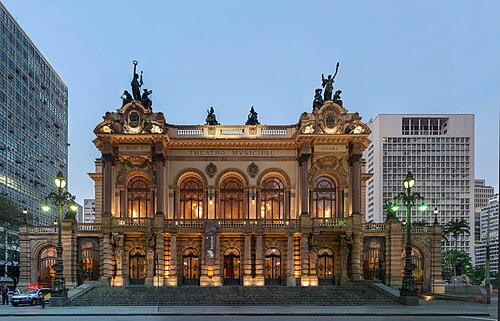
Teatro Municipal de São Paulo
The Municipal Theatre of São Paulo is the historic centre's principal opera house and a defining Belle Époque landmark. Built during the city's rapid early twentieth-century growth, it represents Brazil's aspiration toward European cultural sophistication.
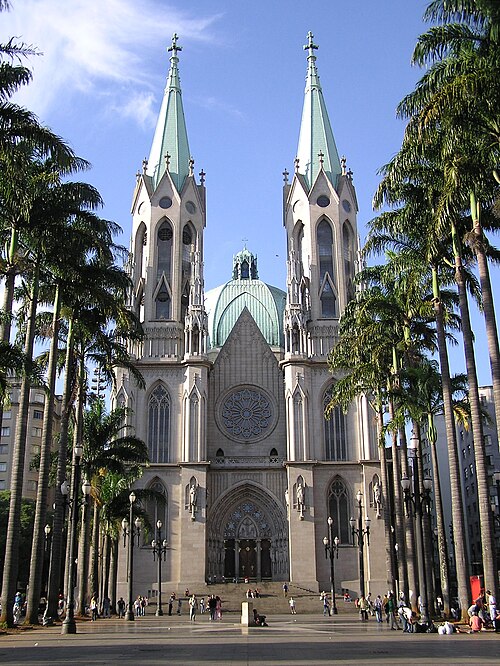
Catedral da Sé
São Paulo Cathedral, or Catedral Metropolitana de São Paulo, stands on Praça da Sé in the historic centre of São Paulo, Brazil.
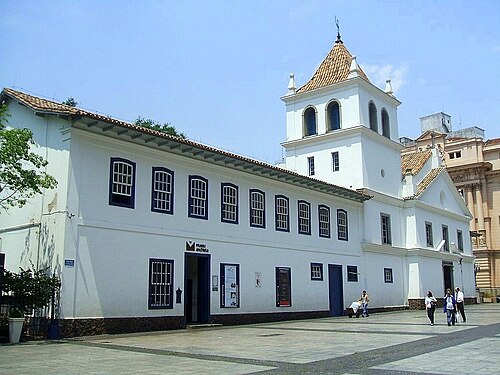
Pateo do Collegio
Pátio do Colégio marks the foundational site of São Paulo, established by Jesuit priests Manuel da Nóbrega and José de Anchieta in 1554. The name references the original Jesuit college courtyard where the city began.
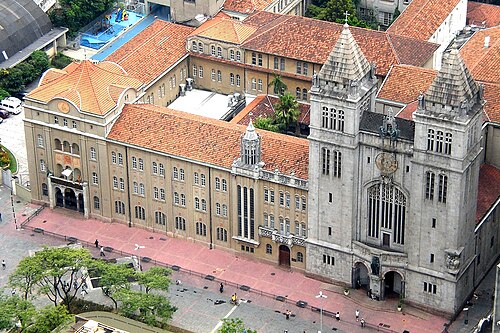
Mosteiro de São Bento
The Monastery of Saint Benedict is a historic Benedictine complex in Sao Paulo's old city center. It anchors one corner of the old-city triangle, a zone of significant historical concentration.
Beco do Batman
Beco do Batman is a narrow alleyway in São Paulo's Vila Madalena neighbourhood that has become a celebrated open-air gallery of street art.
Vila Madalena is an upper-middle-class neighbourhood of the Pinheiros district in the West Zone of São Paulo. It is known for its bustling nightlife and its history as a centre of the city's bohemian culture and art.
Liberdade is São Paulo's historically Japanese-Brazilian district, the largest such community outside Japan. The area developed through twentieth-century immigration and retains distinct cultural markers in its streetscape, commerce, and public spaces.
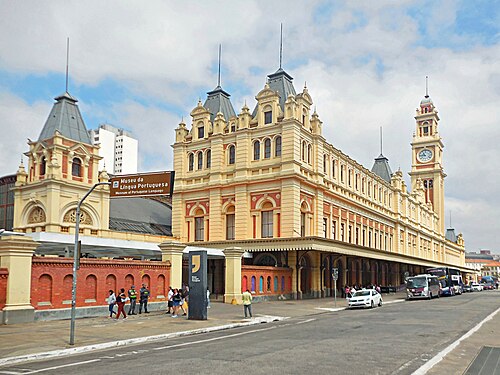
Estação da Luz
Luz Station, or Estação da Luz, is a monumental railway station in São Paulo’s historic centre.
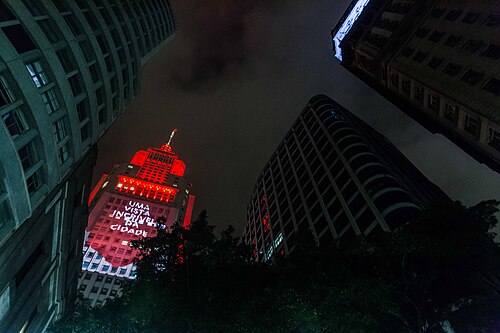
Farol Santander occupies the historic Edifício Altino Arantes, a landmark skyscraper in São Paulo's central Sé district.
Edifício Itália is a prominent skyscraper in São Paulo, Brazil. It stands as one of the city's most recognizable landmarks in the downtown district.
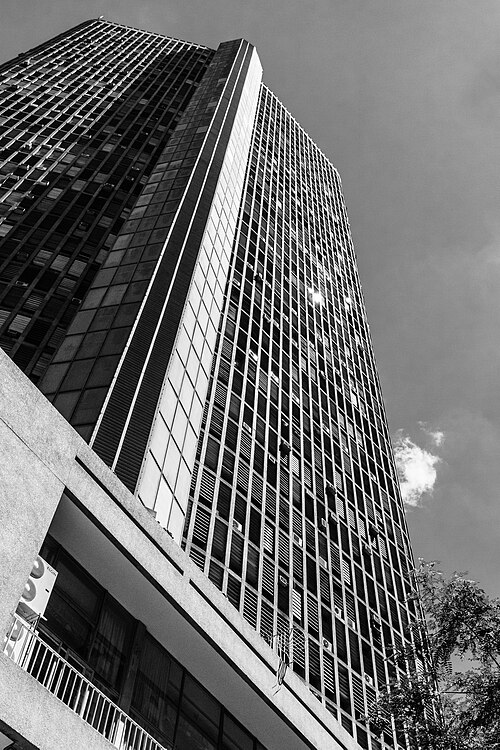
Edifício Copan
The Copan Building, known locally as Edifício Copan, stands as one of São Paulo's most distinctive architectural landmarks.
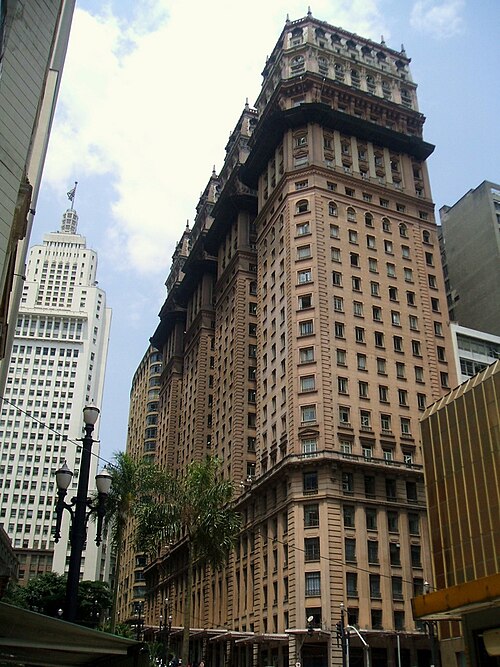
Edifício Martinelli
The Martinelli Building, or Edifício Martinelli, is a landmark skyscraper in central São Paulo. Built in the early twentieth century, it represents the city's first major skyscraper ambition and the commercial expansion that reshaped downtown.
Viaduto do Chá is a historic bridge in central São Paulo, crossing the Vale do Anhangabaú between the older city centre and newer downtown. Built in the late nineteenth century, it reflects the rapid urban growth of the coffee-boom era.
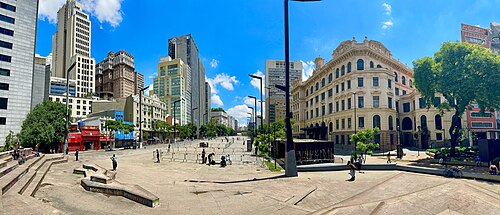
Vale do Anhangabaú is a broad civic promenade in São Paulo's historic centre, occupying the valley between two central ridges. It is an urban public space and movement corridor rather than a contained museum or monument.
Centro Cultural São Paulo
Centro Cultural São Paulo is a large municipal cultural complex operated by the city government. Located in the Paraíso district, it serves as a major public venue for cultural activities.
Memorial da América Latina
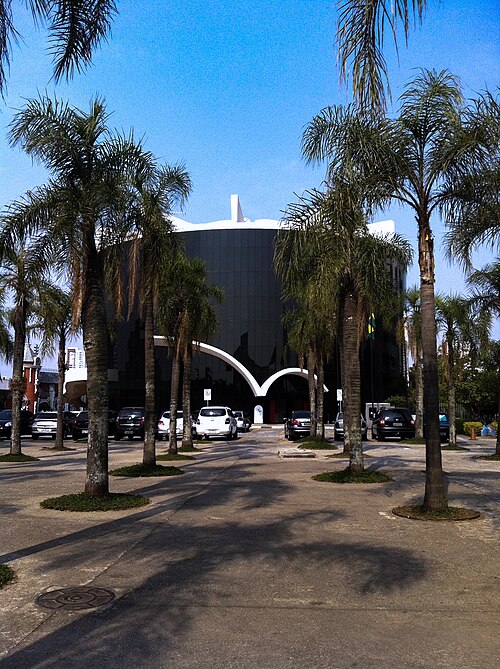
The Latin America Memorial is a civic-cultural complex in São Paulo designed by architect Oscar Niemeyer. It was conceived as a space dedicated to Latin American culture, integration, and identity.
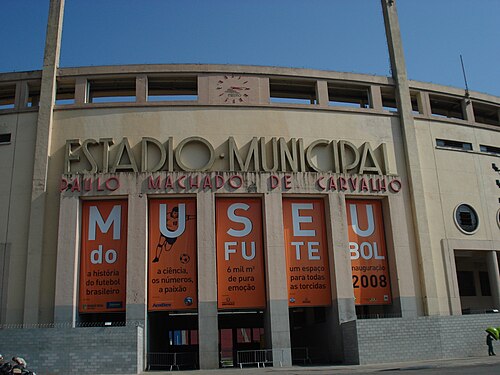
Museu do Futebol
The Football Museum, locally known as Museu do Futebol, is an interactive museum located beneath the historic Pacaembu Stadium in São Paulo. It examines football's profound significance within Brazilian society and culture.
The historic centre clusters around Sé, Pátio do Colégio, the Municipal Theatre and the markets. Avenida Paulista and nearby Jardins form a separate museum, architecture and dining corridor. Liberdade lies south of the centre, while Ibirapuera Park sits farther southwest. Pinheiros and Vila Madalena add galleries and evening activity. Attractions described as São Paulo destinations can still be far apart, so district names are essential planning information.
Checked 2026-08-26
Metro and metropolitan rail are the practical backbone for long cross-city journeys, with buses covering gaps between stations. The official city guide identifies attractions within roughly 1.5 kilometres of a Metro station, but that can still be a substantial walk. Build each day around one or two connected districts, check the current transit map, and use a bus or taxi when large avenues or distance make walking inefficient.
Checked 2026-08-26
the historic centre, Paulista, Ibirapuera, Liberdade and western districts are separate clusters
Suggested stay for a first visit: 3–4 days. The useful measure is how many districts you want to explore.
Use rail for cross-city journeys and buses or taxis for the final connection.
Avenida Paulista and Ibirapuera can share a selective day, but they are distinct clusters.
No official best-month range is recorded; check current conditions and events before travel.