
3 min walk
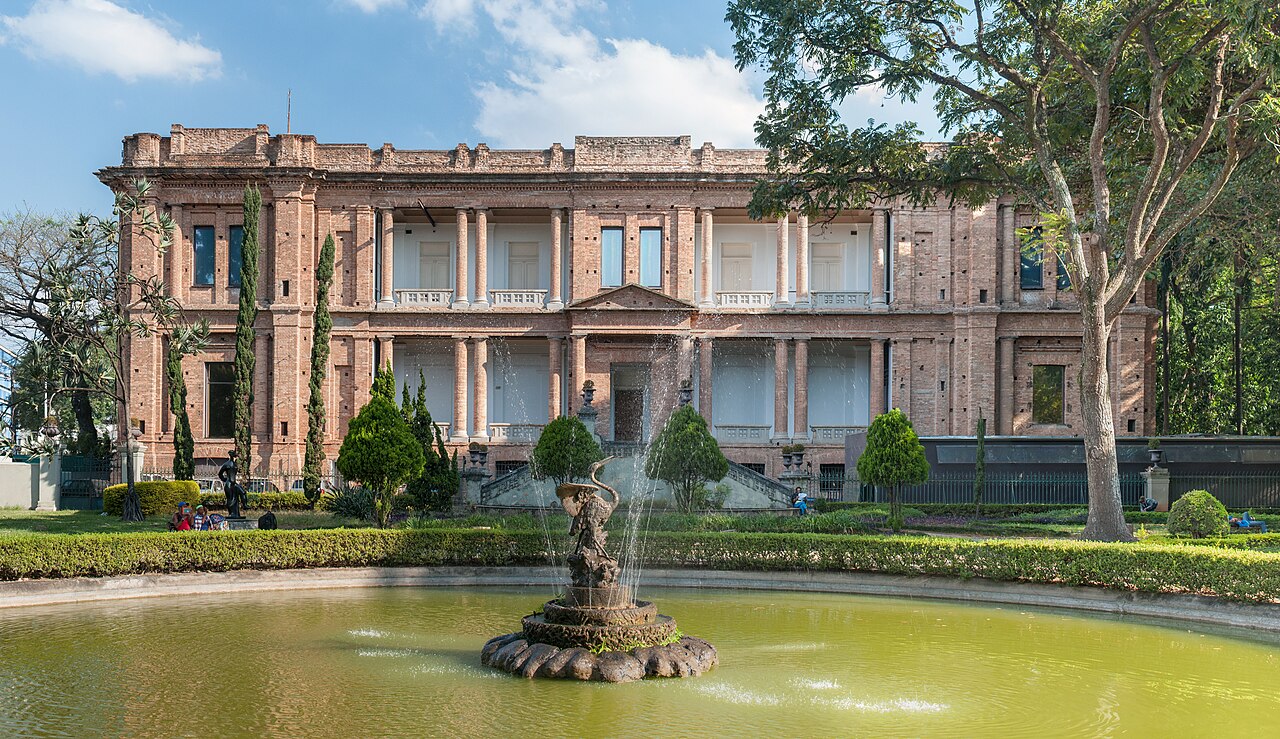
Pinacoteca de São Paulo
- Must see · Heritage site
- Museum
Language · 11 published
Historic monument · São Paulo
Estação da Luz
Reviewed by Elena Voss · Roavina Travel Editor

This place is a Attraction. It opened in 1867. It carries the heritage asset listed by IPHAN heritage designation. It is run by Companhia Paulista de Trens Metropolitanos.
Luz Station, or Estação da Luz, is a monumental railway station in São Paulo’s historic centre. The building combines an active transport role with the visual presence of a heritage landmark, making it useful to both arriving passengers and visitors interested in architecture. Luz Station anchors a wider museum district and helps explain the historic character of this part of the city. The station is especially rewarding when treated as more than a place to catch a train: its scale, structure, and relationship with surrounding cultural institutions make it a significant urban stop.
Checked 2026-08-26 · Source
Inside Luz Station, railway platforms and passenger facilities operate alongside the large historic station spaces. The main hall provides the strongest architectural impression, with substantial volumes, period materials, and the atmosphere of a working transport building. Visitors see operational railway infrastructure rather than a quiet museum interior, so the station’s character comes from the coexistence of daily movement and heritage architecture. The surrounding Luz district adds museums and cultural destinations within walking distance, allowing the station to serve as the starting point for a broader historic-centre visit.
Checked 2026-08-26 · Source
A traveller changing trains may experience Luz Station in fifteen to thirty minutes, while an architecture-focused visit can take one to two hours. The longer option allows time to observe the main hall, exterior façades, passenger movement, and the station’s position within the Luz museum district. Add further time when visiting nearby museums or walking through the historic centre. The right allocation depends on whether Luz is a transport connection, a photography stop, or the first part of a cultural itinerary. Keep a buffer when travelling at busy periods because the station remains active.
Checked 2026-08-26 · Source
Luz Station can be incorporated into a São Paulo itinerary throughout the year because it is an indoor-and-outdoor urban landmark and an operating transport hub. Early morning and late afternoon bring stronger commuter movement, which changes the experience inside the station and makes architectural photography more difficult. Midday can offer a calmer photographic rhythm, although exterior light may be stronger. Rain affects the walk between the station and nearby attractions more than the station itself. Plan the stop around your transport journey, then explore the Luz district while you are already in the historic centre.
Checked 2026-08-26 · Source
Luz Station is first and foremost a functioning railway station, so train travel and heritage appreciation are different parts of the visit. Travellers using the rail services should organise the journey as transport, while architecture visitors can experience the station’s public spaces as part of a walk through the historic centre. The station is not presented as a conventional museum with a gallery admission model. Combine the building with the nearby museum district for a fuller cultural outing, and allow time to move through active passenger areas without obstructing people travelling.
Checked 2026-08-26 · Source
Luz Station is itself a major transport hub in central São Paulo, connected with the city’s railway and metro network. The station’s position makes it practical as an arrival point for the Luz museum district and nearby historic-centre walks. Bus services also serve the surrounding urban area, while taxis and ride-hailing provide alternatives when luggage or weather makes a longer connection inconvenient. Use current route maps for the final journey because São Paulo services and interchange conditions change. Once at the station, pedestrian links make it possible to continue towards nearby cultural attractions without leaving the district.
Checked 2026-08-26 · Source
Luz Station is a busy working railway environment. Watch personal belongings in crowded areas, keep clear of platform edges, and follow staff directions around trains and restricted operational spaces. Commuter peaks can make the main hall and connections more difficult to navigate, particularly with luggage. The historic building may include uneven surfaces or areas affected by maintenance, so pay attention while looking upward at the architecture. Treat the surrounding historic centre with ordinary urban caution, and take extra care after dark when streets and transport areas feel less familiar.
Checked 2026-08-26 · Source
Luz Station is one of São Paulo’s strongest subjects for architectural photography. The exterior façades, main hall, structural lines, and movement of passengers create contrasting compositions. Morning and late-afternoon light can bring shape to exterior details, while interior images benefit from the station’s large volumes and changing natural light. Keep equipment compact in crowded areas, and do not block passenger routes or photograph people intrusively. Tripods or professional setups may require staff permission in an active transport facility. Include the surrounding Luz district when you want the photographs to show the station as part of São Paulo’s cultural landscape.
Checked 2026-08-26 · Source
Yes. Luz Station remains an active railway station serving commuter and regional services in São Paulo.
The station’s monumental architecture, main hall, historic character, and position beside the Luz museum district make it a worthwhile urban heritage stop.
You can see railway platforms, passenger facilities, the large main hall, and the architectural details of a working historic station.
Luz Station has monumental historic railway architecture, with large interior volumes and façades that give the building its landmark character.
The station connects with São Paulo’s broader public transport network, including railway and metro services serving the metropolitan area.
The station pairs naturally with the museums and historic streets of the Luz district, creating a broader cultural walk in central São Paulo.
Loading the interactive map…
The interactive map could not be loaded.
Last updated:
Source: OpenStreetMap contributors, Wikidata ·