
7 min walk
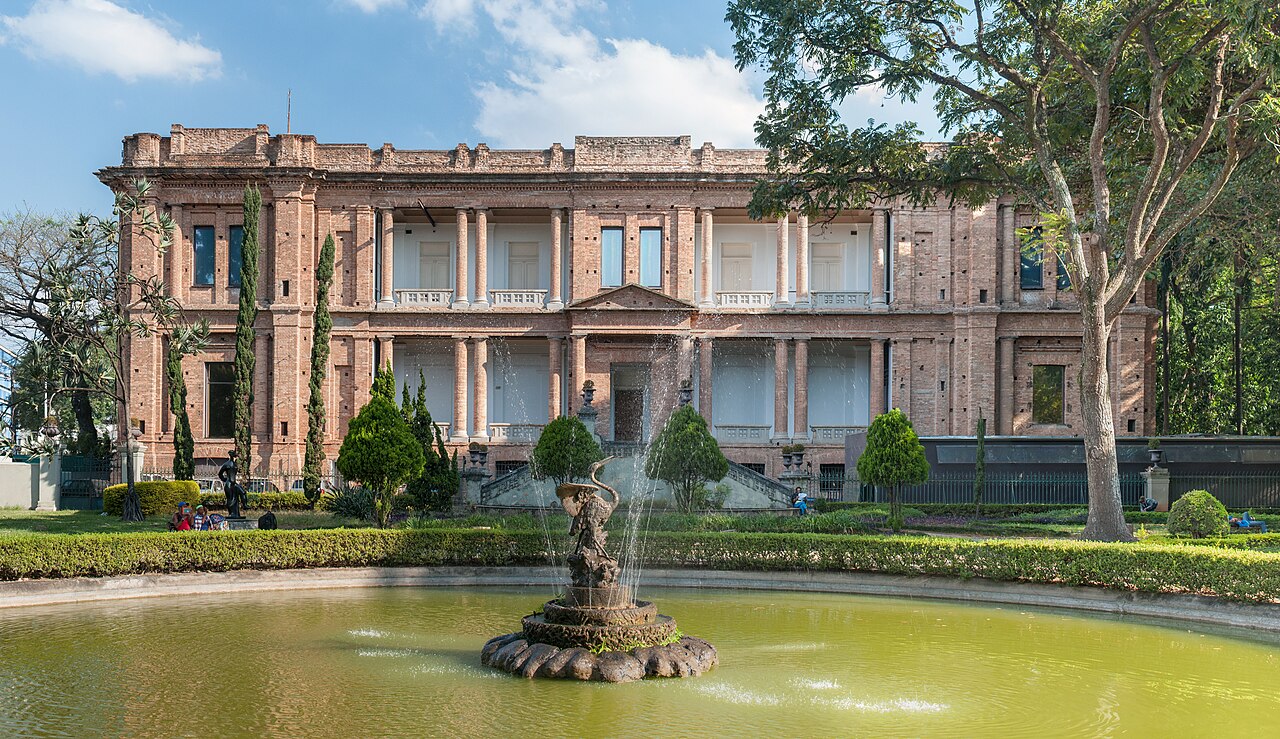
Pinacoteca de São Paulo
- Must see · Heritage site
- Museum
Museum · São Paulo
Museu de Arte Sacra de São Paulo
| Monday | Closed |
|---|---|
| Tuesday | 09:00 – 17:00 |
| Wednesday | 09:00 – 17:00 |
| Thursday | 09:00 – 17:00 |
| Friday | 09:00 – 17:00 |
| Saturday | 09:00 – 17:00 |
| Sunday | 09:00 – 17:00 |
Parsed from OpenStreetMap opening hours on 2026-09-09.
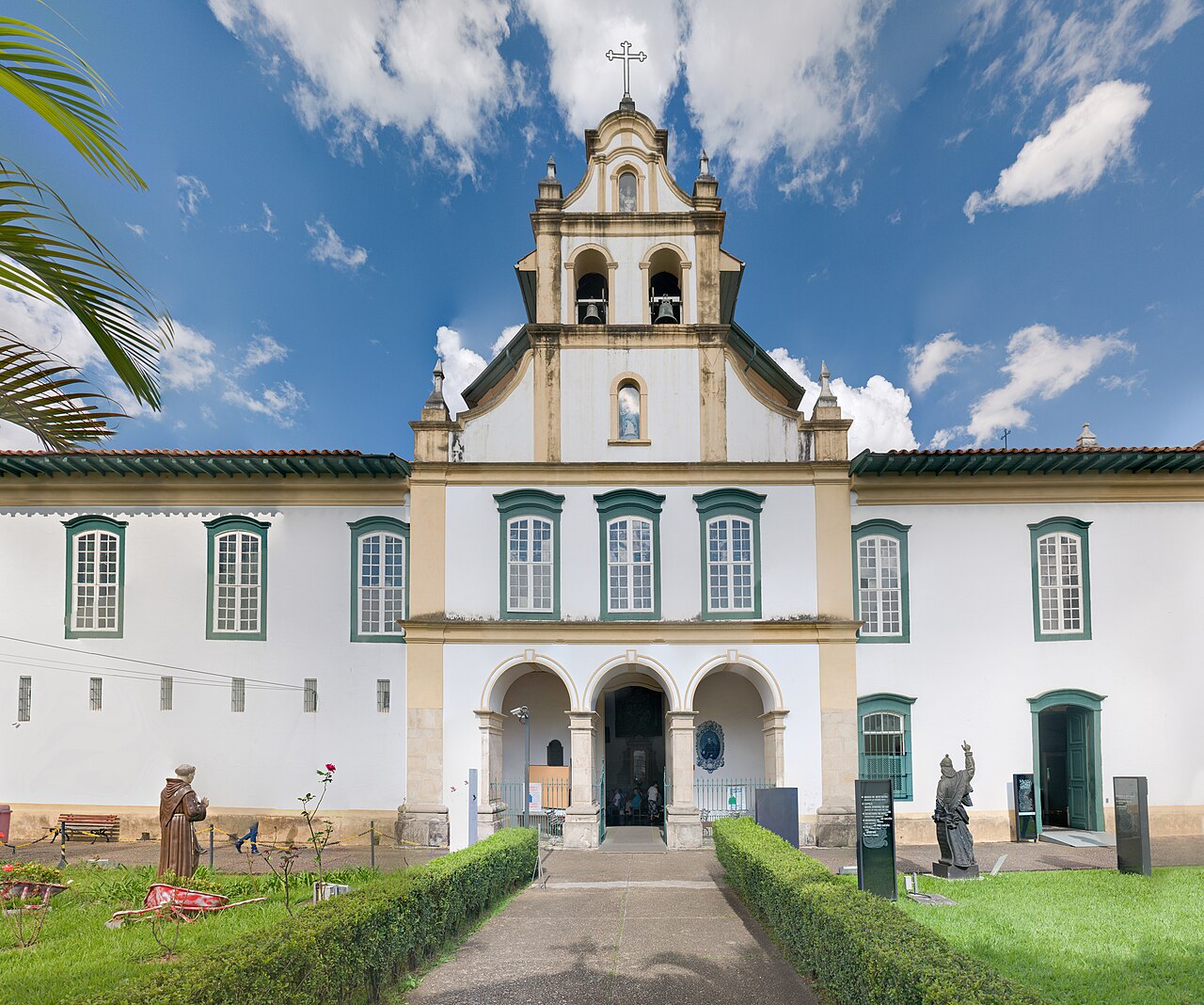
The Museum of Sacred Art of São Paulo occupies the historic Luz monastery complex in central São Paulo. The former religious setting gives the museum a strong architectural identity alongside its collection of Brazilian sacred art. The visit connects colonial-era building fabric with paintings, sculptures, liturgical objects, and decorative works created across several centuries. The Luz neighbourhood places the museum within a wider cultural area, making it a natural stop for travellers exploring São Paulo’s historic institutions. The Museum of Sacred Art of São Paulo occupies the historic Luz monastery complex, a significant colonial-era religious site in Brazil's largest city. Founded as a convent, the complex preserves important architectural heritage from the Portuguese colonial period. The institution serves as a major custodian of sacred art in Latin America, housing works that span several centuries of Brazilian religious artistic production. Its location in the Luz neighbourhood places it within a broader cultural district that includes other historic institutions. Visitors requiring accessibility accommodations should contact the museum directly before visiting.
Checked 2026-08-26 · Source
The collection includes colonial and religious paintings, sculptures, liturgical objects, decorative arts, textiles, manuscripts, and works made in wood, stone, and precious metals. Baroque sculpture and colonial Brazilian painting are central to the museum’s character. The monastery complex adds cloisters, chapels, and historic rooms to the gallery experience, so visitors should look beyond individual objects and notice how the collection relates to the building. The result is both an art visit and an encounter with São Paulo’s religious heritage.
Checked 2026-08-26 · Source
Plan for about ninety minutes to two and a half hours at the Museum of Sacred Art. A shorter visit can cover the principal galleries and the monastery’s most distinctive spaces, while a slower visit allows more time with Baroque sculpture, colonial paintings, liturgical objects, and architectural details. The museum’s manageable scale makes it possible to include another Luz institution on the same day. Visitors who enjoy religious history or material culture may want to use the longer end of the range.
Checked 2026-08-26 · Source
Weekday mornings suit visitors seeking a quieter and more contemplative visit. São Paulo is warmer and wetter from October through March, and cooler and drier from April through September, but the museum’s indoor setting makes the collection suitable throughout the year. A rainy day can be a particularly comfortable time to focus on the galleries and historic interior. The Luz area is also useful for a broader cultural itinerary, with the museum fitting naturally alongside other central institutions.
Checked 2026-08-26 · Source
The Museum of Sacred Art is a ticketed cultural institution in the historic Luz monastery complex, and admission arrangements should be treated separately from nearby attractions. The visit earns its time through the combination of colonial art, sacred objects, and preserved religious architecture. Travellers can plan the museum as one part of a Luz cultural day, leaving flexibility to spend longer in the galleries when a sculpture, painting, chapel, or cloister deserves closer attention. Keep the day adaptable around the museum visit and the surrounding institutions.
Checked 2026-08-26 · Source
The museum is in the Luz neighbourhood, within the historic monastery complex and close to Luz station, a major transport hub. Metro, commuter rail, and bus services make the central location accessible from different parts of São Paulo. The final approach passes through busy urban streets, so keep valuables discreet and leave time for the walk from the station. The museum’s location also makes it practical to continue on foot toward nearby cultural institutions, including the Pinacoteca area.
Checked 2026-08-26 · Source
The historic monastery contains steps, thresholds, and uneven surfaces that can make movement slower than in a modern gallery. Wear secure footwear and allow extra time between rooms. The Luz neighbourhood and station surroundings are busy, so keep phones and valuables out of sight while approaching and leaving. Interior temperatures may feel cooler because the collection is preserved in controlled conditions. Some objects may be away for conservation or loan, and visitors should respect barriers around artworks and religious spaces.
Checked 2026-08-26 · Source
The monastery’s cloisters, chapels, thresholds, and historic surfaces offer photographic subjects as important as the displayed art. Colonial paintings, Baroque sculptures, liturgical objects, and textiles reward close framing and careful attention to texture. Use the light available in the galleries and follow signs about flash, tripods, and video. Keep a respectful distance from religious objects and other visitors. Photography works best here as a quiet record of material detail rather than a fast sweep through the rooms.
Checked 2026-08-26 · Source
The museum occupies the historic Luz monastery complex in the Luz neighbourhood of central São Paulo.
The museum displays colonial and sacred paintings, Baroque sculptures, liturgical objects, textiles, manuscripts, and decorative arts.
Allow about ninety minutes to two and a half hours, depending on your interest in the collection and monastery architecture.
The museum is close to Luz station, which connects with São Paulo’s metro and commuter-rail network; buses also serve the surrounding streets.
The museum is housed in the historic Luz monastery complex, whose cloisters, chapels, and rooms form part of the visit.
The museum can be combined with other cultural institutions in Luz, including the nearby Pinacoteca area and the historic Luz station.
Loading the interactive map…
The interactive map could not be loaded.

Last updated:
Source: OpenStreetMap contributors, Wikidata ·