
4 min walk
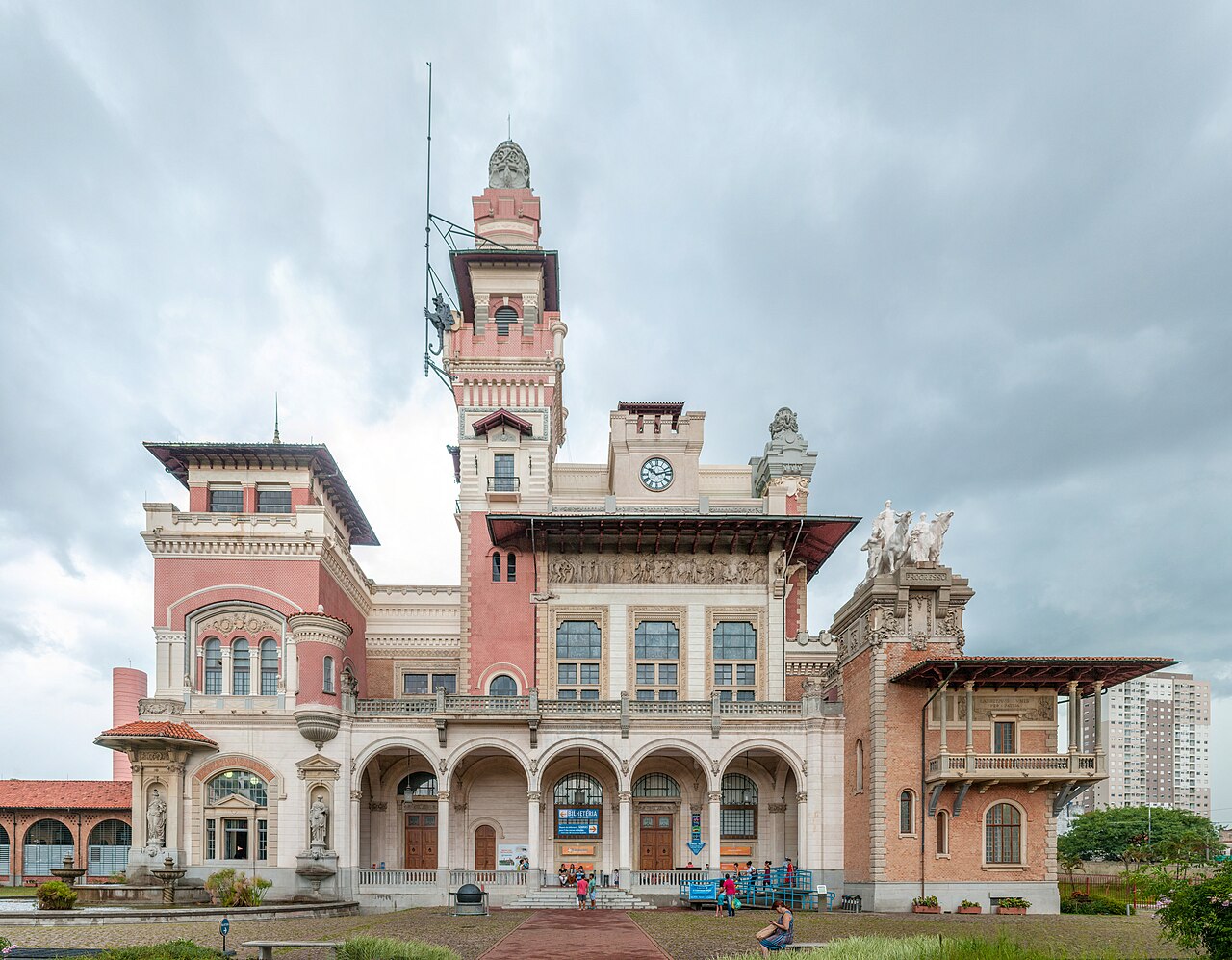
Catavento Museum
- Must see
- Museum
Historic monument · São Paulo
Mercado Municipal de São Paulo
| Monday | 06:00 – 18:00 |
|---|---|
| Tuesday | 06:00 – 18:00 |
| Wednesday | 06:00 – 18:00 |
| Thursday | 06:00 – 18:00 |
| Friday | 06:00 – 18:00 |
| Saturday | 06:00 – 18:00 |
| Sunday | 06:00 – 16:00 |
Checked 2026-08-31 · Source
| Per person | Free entry |
|---|
Checked 2026-08-31 · Source
Read from the OpenStreetMap access tags; anything not listed has no tag recorded.
Set the group type to family in the planner and the day window contracts to about three quarters of a solo day.
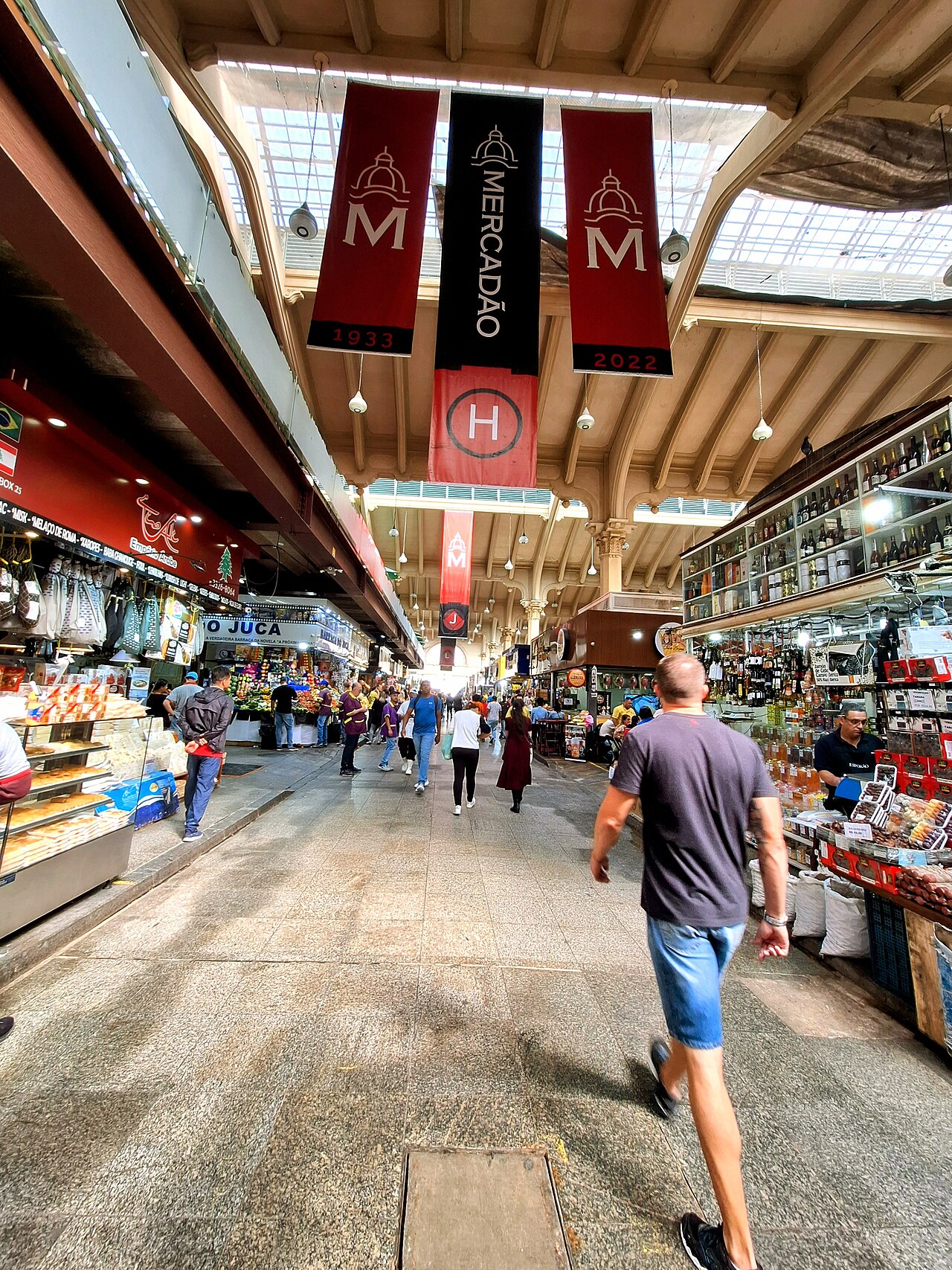
The Municipal Market of São Paulo, locally called Mercadão, is a historic public market in the city centre. Built in the early twentieth century, it occupies a prominent building with distinctive architecture. The structure features a large central hall with an ornate roof, making it visually striking. It functions primarily as a wholesale and retail food market, serving both local residents and businesses across São Paulo. The market has become one of the city's most established visitor destinations, attracting tourists alongside its commercial operations. Its central location places it within the historic core of Brazil's largest city.
Checked 2026-08-31 · Source
The market contains numerous stalls and vendors selling food products across multiple categories. Fresh produce, meats, cheeses, and spices are widely available. Several vendors specialise in regional Brazilian ingredients alongside imported goods. Prepared food counters offer ready-to-eat items for immediate consumption. Seafood and dried goods occupy dedicated sections. The building's interior preserves historic architectural elements including the roof structure. Cafes and small restaurants operate within the market hall, providing seating areas for visitors wishing to eat on-site.
Checked 2026-08-31 · Source
Visitor duration varies considerably depending on purpose. Casual tourists typically spend between one and two hours walking the aisles, observing products, and possibly eating. Serious shoppers or culinary professionals may require longer to compare vendors and make purchases. Those intending to eat at multiple counters or photograph extensively should allocate additional time. The market's size permits a relatively quick overview for time-constrained visitors. Combining the visit with nearby historic centre attractions is common practice. Personal pacing and crowd levels on any given day significantly affect required time.
Checked 2026-08-31 · Source
Monday–Saturday 06:00–18:00; Sundays and public holidays 06:00–16:00. Regular closure days: none. The separate wholesale operation runs Monday–Saturday 22:00–06:00. Weekend mornings may attract more leisure visitors and tourists. Holiday periods in São Paulo probably affect operations and crowding. Seasonal weather in the city is relatively mild year-round, though summer humidity might make the enclosed space less comfortable. Rainy days could increase visitor numbers as the covered building offers shelter from precipitation. Advance verification remains essential.
Checked 2026-08-31 · Source
Free general entry. The city-run guided tour is also free with advance reservation; food and purchases are charged separately. Public markets in Brazil typically operate without entrance fees, functioning as commercial spaces where visitors pay only for purchased goods. Individual vendor prices for food items, meals, and products would vary substantially. The market website may contain current information. Visitors should carry Brazilian reais, as not all vendors may accept card payments. Budget-conscious travellers can observe products without purchasing, though the prepared food offerings encourage spending.
Checked 2026-08-31 · Source
The visitor address is Rua da Cantareira, 306. São Bento station on Metrô Line 1–Blue and Terminal Mercado, at Avenida do Estado, 3350, are the named nearby public-transport arrival points. This is the named approach for an independent visit. The market sits near coordinates -23. 5418, -46. 6291 in São Paulo's historic centre. Multiple public transportation options serve this central district. Numerous bus routes traverse the surrounding area. Taxis and ride-hailing services operate throughout the city. Driving presents challenges typical of central São Paulo, including traffic congestion and limited parking availability. The historic centre's street layout can confuse unfamiliar drivers. Walking from nearby attractions in the central district is feasible for able visitors. Bicycle infrastructure exists but conditions vary.
Checked 2026-08-31 · Source
Entrances have access ramps. An elevator provides step-free access to the mezzanine. The access description applies to the documented visitor route. Central São Paulo requires standard urban awareness regarding personal belongings and surroundings. The market's popularity with tourists may attract opportunistic attention. Crowded aisles during peak times demand vigilance against bumping incidents and potential pickpocketing. Wet floors from melting ice or spilled products create slip hazards in food areas. Strong odours from fish, meats, and spices may affect sensitive individuals. Language barriers exist; Portuguese predominates among vendors, with English proficiency varying. Cash transactions necessitate careful change checking. The historic building may present accessibility challenges including uneven surfaces and limited lift access. Food handling standards vary across individual stalls.
Checked 2026-08-31 · Source
The market's architecture, particularly the roof structure and interior hall, offers substantial photographic interest. Colourful product displays create visually compelling subjects throughout vendor stalls. Natural light entering through the roof illuminates certain areas dramatically. Crowded conditions may obstruct tripod use and require patience for clear shots. Vendors may react differently to photography; requesting permission before close-up product or portrait shots demonstrates respect. The bustling atmosphere suits documentary-style capture. Early arrival potentially yields emptier corridors for architectural photography. Flash photography might disturb other visitors and vendors.
Checked 2026-08-31 · Source
Rua da Cantareira, 306, Centro, São Paulo.
It officially opened on 25 January 1933.
The municipal authority describes it as having about 300 stalls.
The municipal authority reports approximately 50,000 visitors per week.
The project was produced by the architectural office of Ramos de Azevedo.
The Gothic-style stained-glass windows were designed by Conrado Sorgenicht Filho.
Loading the interactive map…
The interactive map could not be loaded.
Last updated:
Source: OpenStreetMap contributors, Wikidata ·