
5 min walk
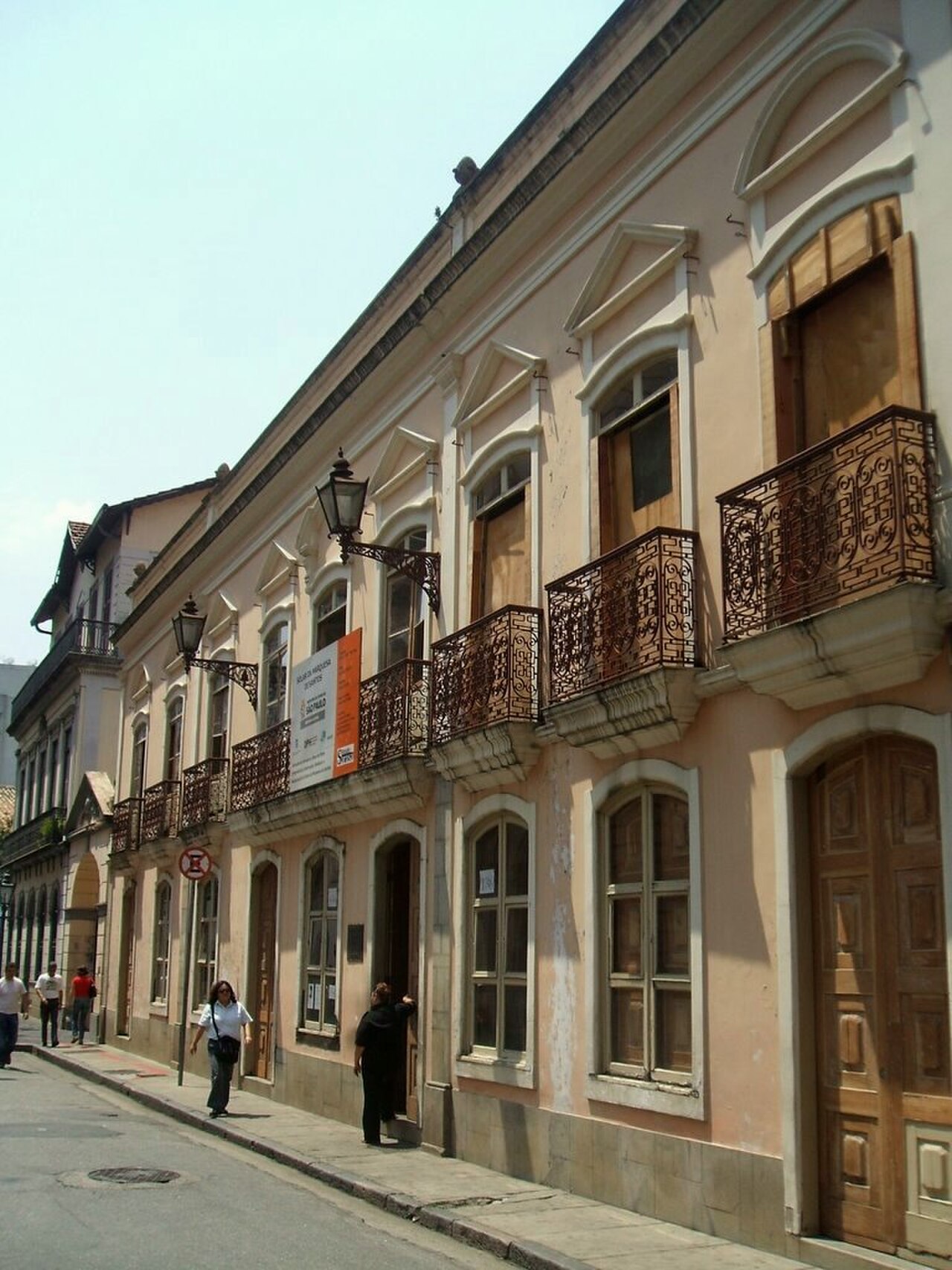
Manor of the Marquesa de Santos
- Must see · Heritage site
- Museum
Historic monument · São Paulo
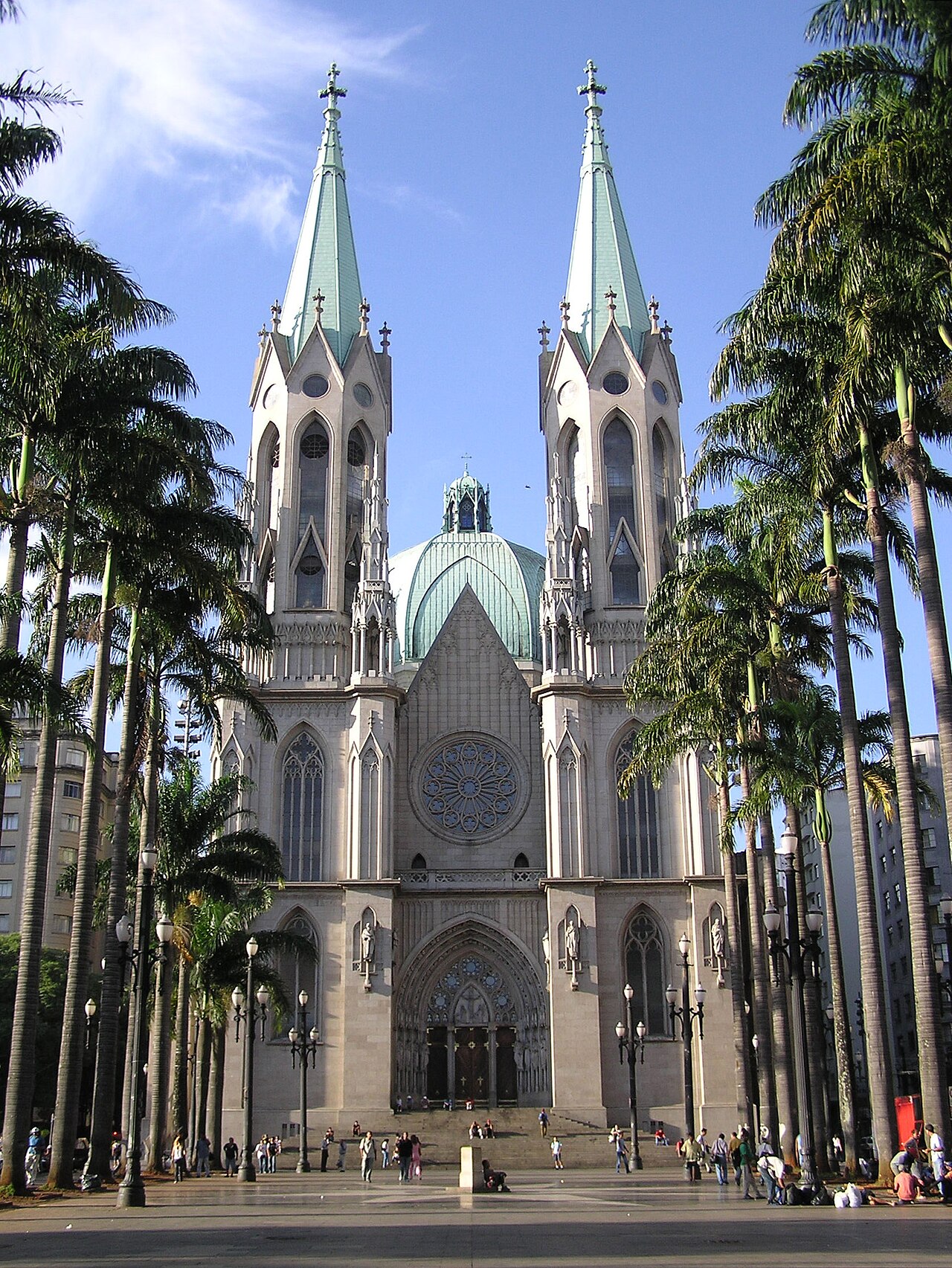
Catedral da Sé
| Monday | 07:30 – 18:30 |
|---|---|
| Tuesday | 07:30 – 18:30 |
| Wednesday | 07:30 – 18:30 |
| Thursday | 07:30 – 18:30 |
| Friday | 07:30 – 18:30 |
| Saturday | 07:30 – 18:30 |
| Sunday | 07:30 – 18:30 |
Checked 2026-08-31 · Source
| Per person | R$60.00 |
|---|
Checked 2026-08-31 · Source
Read from the OpenStreetMap access tags; anything not listed has no tag recorded.
Set the group type to family in the planner and the day window contracts to about three quarters of a solo day.
São Paulo Cathedral, or Catedral Metropolitana de São Paulo, stands on Praça da Sé in the historic centre of São Paulo, Brazil. Its neo-Gothic architecture makes it one of the city’s most recognisable religious landmarks, while its position at the geographic heart of the historic centre connects the building to the wider story of São Paulo’s urban development. The present cathedral was inaugurated on 25 January 1954 during celebrations of the city’s fourth centenary. German architect Maximilian Emil Hehl designed the building. For travellers, the cathedral offers several overlapping experiences: an imposing exterior on the square, a large interior shaped for Catholic worship, detailed decoration drawing on Brazilian flora and fauna, and a crypt with its own historical significance. It is both an active place of worship and a major heritage stop.
Checked 2026-08-31 · Source
Inside, the cathedral’s scale and neo-Gothic design are the main elements to notice. The building is 111 metres long, 46 metres wide, and 65 metres high, excluding its towers. Look upward to appreciate the vertical emphasis, then slow down to examine the carved decoration. The cathedral also contains a notable musical heritage. Its carillon has 61 bells, 35 operated electronically, while the Italian-built organ has five manuals and approximately 12,000 pipes. The crypt dates from 1919 and contains thirty burial chambers for bishops and archbishops, as well as the remains of Chief Tibiriçá and Father Diogo Antônio Feijó. These features reward a visit that moves beyond a quick exterior photograph.
Checked 2026-08-31 · Source
Allow around thirty minutes for a brief exterior view and interior visit. Give yourself longer if you want to study the cathedral’s dimensions, carved Brazilian motifs, bells, organ, and crypt. A guided cathedral tour can extend the experience, while a crypt-only visit provides a more focused stop. Praça da Sé also deserves time around the building because the square places the cathedral within São Paulo’s historic centre rather than presenting it as an isolated monument. Travellers combining the cathedral with nearby downtown landmarks should leave room for the surrounding streets and public space. Worshippers may spend longer attending a service or praying, while architecture-focused visitors can use a slower route through the interior. The building is substantial enough to reward attention, but its central location also makes it easy to include in a wider walking itinerary.
Checked 2026-08-31 · Source
The cathedral is open daily from 07:30 to 18:30, with no weekly closure day. Masses take place Monday to Saturday at 12:00 and on Sunday at 09:00, 11:00, and 16:00. A visit around a service offers a chance to experience the building as a working church, but remember that worship takes priority over sightseeing. Morning can provide a calmer setting for architectural observation, while the historic centre becomes more active around midday. São Paulo has warm summers, mild winters, and rain possible throughout the year, so include weather-ready clothing when combining the cathedral with outdoor exploration. If you want a quiet interior visit, plan outside the busiest service period. If you want to attend Mass, arrive with enough time to enter respectfully and settle before the liturgy begins.
Checked 2026-08-31 · Source
General cathedral access for worship and ordinary visitation is distinct from the paid guided tour and crypt visit. The guided cathedral tour costs BRL 60 per person, with no concession price, while a crypt-only visit costs BRL 12. These options give travellers a choice between a broader interpreted experience and a shorter visit focused on the underground historical space. If you are entering for prayer or attending Mass, keep the religious function of the building at the centre of your visit. Budget the tour and crypt charges separately from your time in Praça da Sé. The paid options are useful for visitors who want more structured attention to the cathedral’s architecture and history, while a simple visit can remain focused on the building and square.
Checked 2026-08-31 · Source
Take the Metro to Sé station, the interchange between Line 1–Blue and Line 3–Red. The station and São Paulo Cathedral are both on Praça da Sé, and the main station access opens onto the square at pavement level. This makes the cathedral one of the easier historic-centre landmarks to reach by public transport. Numerous bus routes also pass through the surrounding streets. Travellers already exploring downtown São Paulo can walk to the square from nearby historic sites, using the cathedral’s towers and façade as a clear reference once they arrive. Driving is less convenient because the central area can be congested and parking is limited. When approaching or leaving, stay attentive in the busy city centre and keep valuables discreet. The Metro route places the cathedral naturally within a broader day of central São Paulo sightseeing.
Checked 2026-08-31 · Source
The cathedral has an elevator for visitors with physical disabilities. Praça da Sé includes ramps and metal walkways between its different levels, and Sé Metro station has an elevator for disabled visitors and people with reduced mobility. Inside the cathedral, wear appropriate clothing for a religious site and keep your voice and movement considerate during services or prayer. The surrounding historic centre is busy and socially complex. Avoid displaying valuables, watch your belongings, and remain alert when crossing the square or moving through nearby streets. Daylight visits can make orientation easier, especially for first-time visitors. São Paulo’s sudden rainfall is another practical consideration when combining the cathedral with outdoor walking. The building welcomes both heritage interest and worship, so allow religious activity to shape the pace and behaviour of your visit.
Checked 2026-08-31 · Source
The cathedral’s neo-Gothic exterior and Praça da Sé provide strong subjects for architectural and urban photography. From the square, frame the façade and towers against the open public setting; inside, look for vertical lines, scale, carved details, and the relationship between the large worship space and its decorative elements. The armadillos, toucans, herons, coffee branches, and passion flowers offer close subjects that connect the decoration to Brazil. Photograph respectfully and avoid disturbing worshippers, especially during Mass or prayer. Non-flash personal photography is a considerate approach, but the religious setting should guide every decision. The cathedral’s bells, organ, and crypt also add visual themes to the visit, even when they are not being used. Combine exterior images with quieter detail studies to show both the monument’s scale and its local decorative language.
Checked 2026-08-31 · Source
The present cathedral was inaugurated on 25 January 1954 during celebrations of São Paulo’s fourth centenary.
It is 111 metres long, 46 metres wide, and 65 metres high, excluding its towers.
German architect and Polytechnic School professor Maximilian Emil Hehl designed the present building.
Carved decoration includes Brazilian fauna and flora such as armadillos, toucans, herons, coffee branches, and passion flowers.
The carillon has 61 bells, 35 electronically operated, and the Italian-built organ has five manuals and about 12,000 pipes.
The 1919 crypt has thirty burial chambers for bishops and archbishops and contains the remains of Chief Tibiriçá and Father Diogo Antônio Feijó.
Loading the interactive map…
The interactive map could not be loaded.
Last updated:
Source: OpenStreetMap contributors, Wikidata ·