
_Vale_do_Anhangaba%C3%BA_(6818147310).jpg)


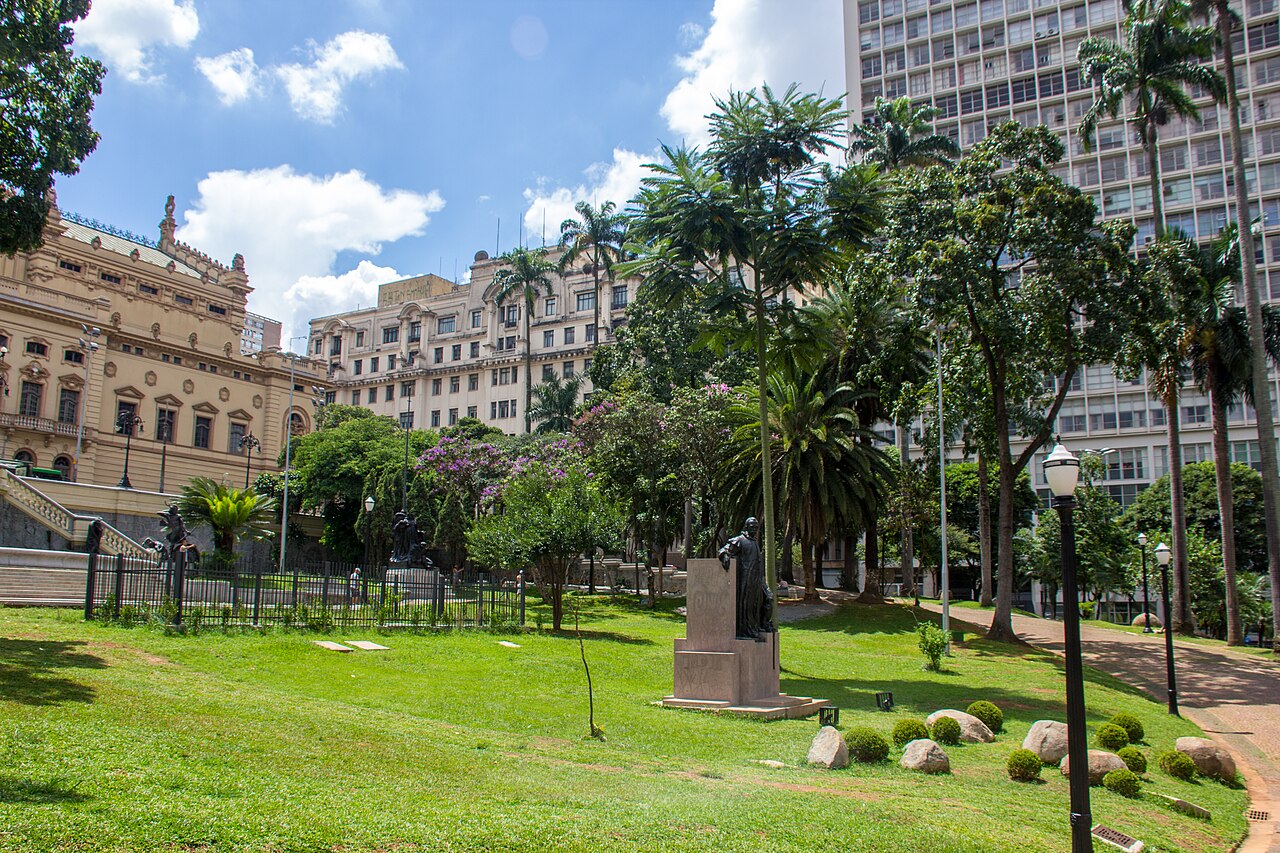
2 min walk
Ramos de Azevedo Park
- Must see
- Nature site
Language · 11 published
Nature site · São Paulo
Reviewed by Elena Voss · Roavina Travel Editor
This place is a Park. It carries the Conpresp Good Class heritage designation.
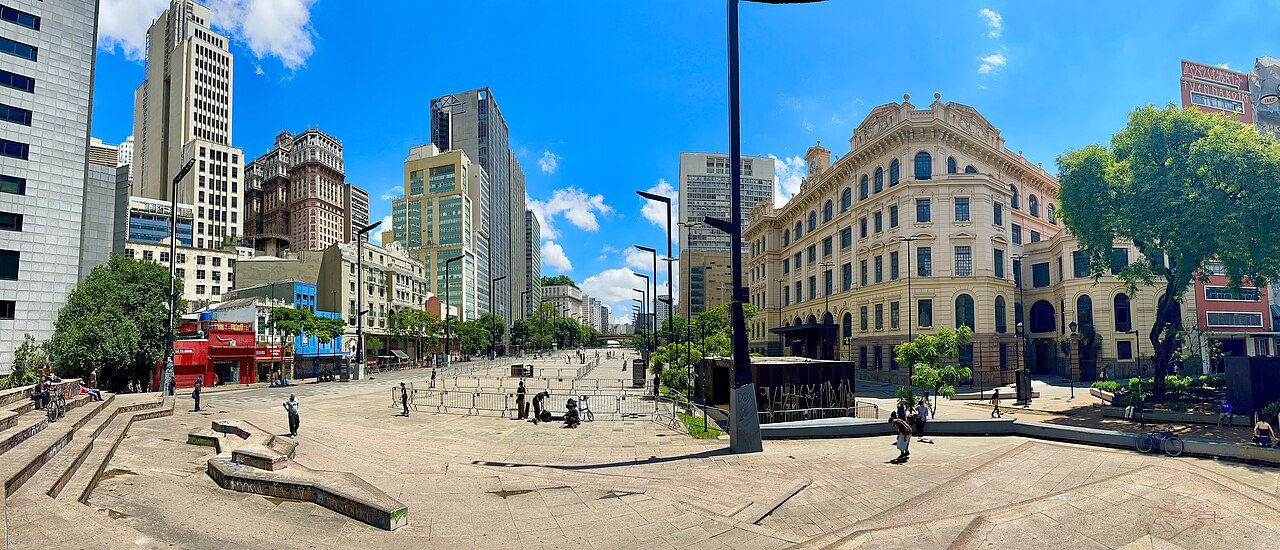
Vale do Anhangabaú is a broad civic promenade in São Paulo's historic centre, occupying the valley between two central ridges. It is an urban public space and movement corridor rather than a contained museum or monument. Its rebuilt form gives travelers a place to read the city's topography while moving between major downtown streets and architectural landmarks. Visit it for the contrast between open civic space and dense central São Paulo, and use it as a natural pause within a longer historic-centre walk. Vale do Anhangabaú is a rebuilt civic promenade situated in the historic centre of São Paulo, Brazil. It occupies the low-lying area between two prominent ridges of the city centre, serving as a significant urban space that connects major architectural landmarks. The valley has undergone substantial reconstruction to transform it into a public thoroughfare and gathering place. Its position between elevated terrain makes it a distinctive geographical feature within the dense urban fabric of downtown São Paulo, reflecting the city's topographical character and historical development patterns. It is a rebuilt civic promenade. While situated in the historic centre between ridges with historical significance, the current space reflects reconstruction rather than preserved original fabric.
Checked 2026-08-26 · Source
The valley contains a reconstructed pedestrian-oriented public space with circulation areas and civic infrastructure. Its character comes from the open promenade, the valley setting, and the surrounding buildings rather than from interior rooms or a permanent collection. Travelers can walk through the space, look up toward the ridges, and observe how the rebuilt design fits into the historic centre. Expect an urban plaza and thoroughfare, with commercial and institutional buildings around it, rather than a single enclosed attraction.
Checked 2026-08-26 · Source
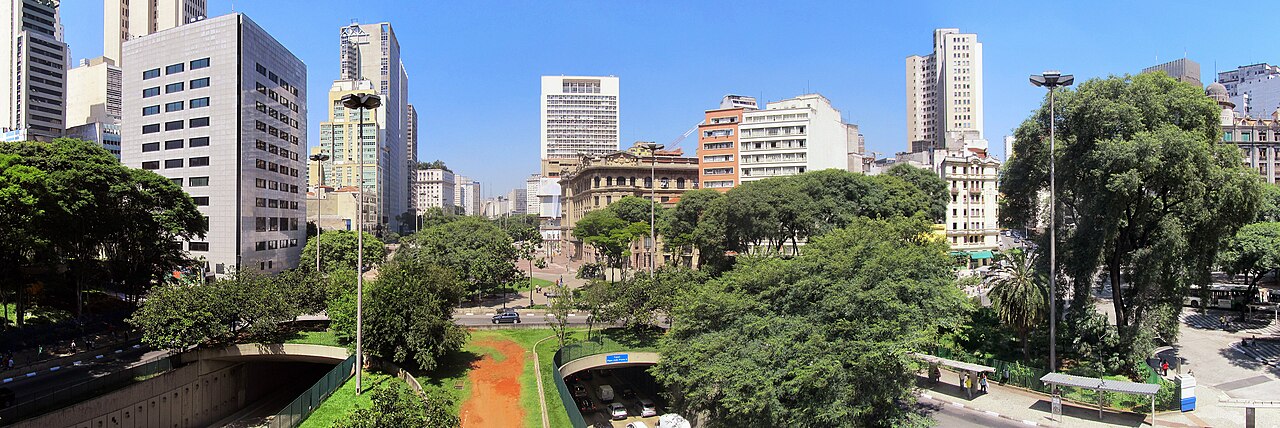
A simple crossing or passage through Vale do Anhangabaú can take fifteen to thirty minutes. Allow forty-five minutes to an hour if you want to pause, study the surrounding architecture, and photograph the valley from several points. The promenade works best as part of a connected downtown route, so the total time can expand naturally as you continue toward nearby historic landmarks. Its linear form rewards walking and observation more than a long stationary visit in one spot.
Checked 2026-08-26 · Source
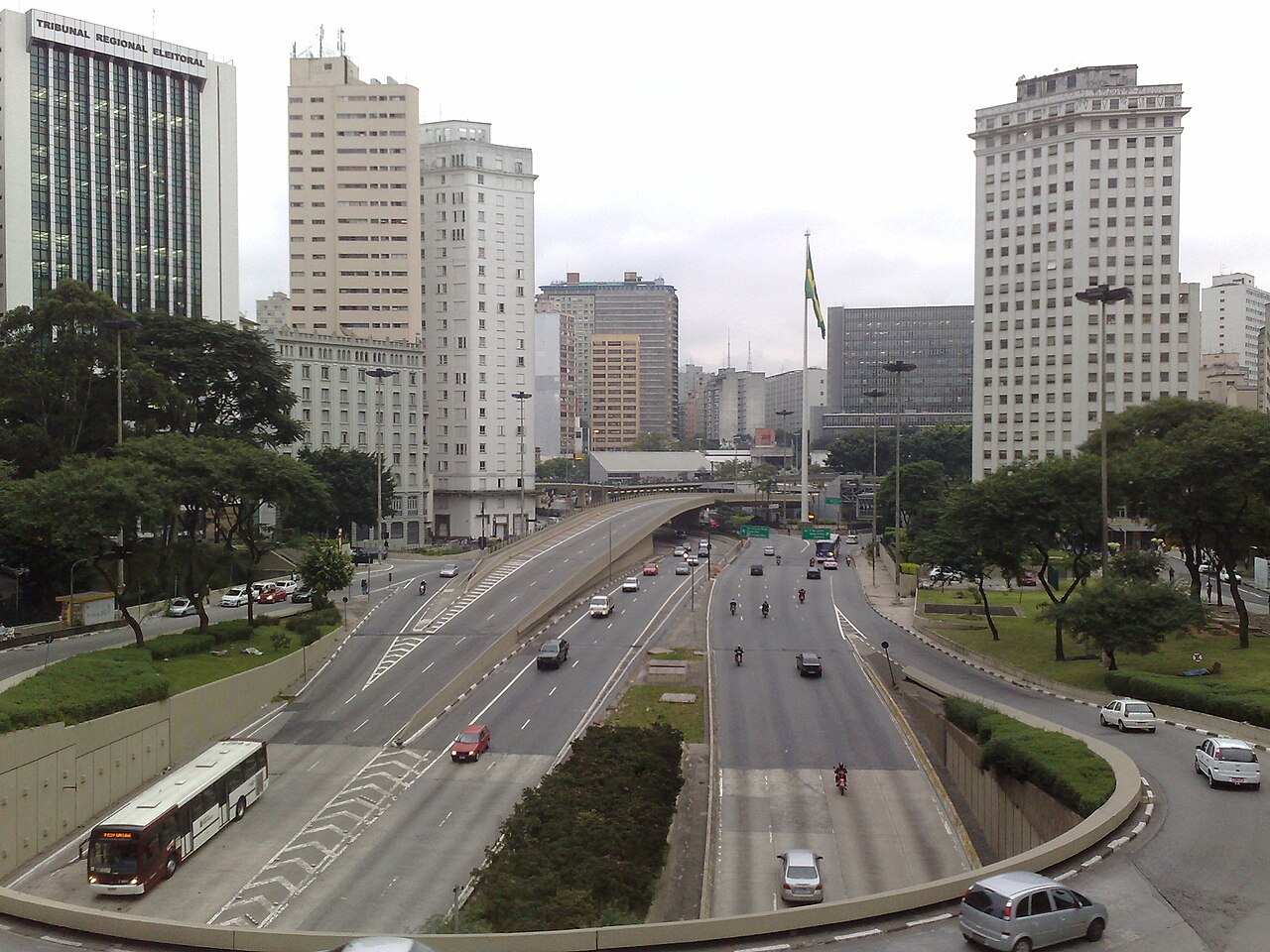
Daylight is useful for reading the relationship between the valley floor, the surrounding ridges, and the buildings that frame the promenade. São Paulo's rain can affect comfort in this open space, so a weather-aware route is practical. The historic centre changes character through the day as pedestrian activity and commercial movement shift. A daytime visit gives the clearest setting for walking and photography; later hours offer a different city atmosphere and call for greater awareness of your surroundings.
Checked 2026-08-26 · Source
Vale do Anhangabaú is a public civic promenade, so walking through the space itself is free. It fits easily into a downtown itinerary without a dedicated attraction ticket. Separate events or services held in the surrounding area may have their own arrangements, but the valley's basic role is that of an open urban passage and gathering place. Use the stop to connect other central sights rather than budgeting it like a museum or a paid observation deck.
Checked 2026-08-26 · Source

The valley lies in São Paulo's historic centre, close to the central transport corridors that serve downtown. Reach the area by metro or bus, then continue on foot through the surrounding streets and pedestrian routes. Its position between ridges makes it useful as a connection between central destinations, especially when building a walking itinerary. Surface traffic can be slow, while the dense centre rewards careful orientation. Leave time to cross streets and identify the promenade's entrances as you approach.
Checked 2026-08-26 · Source
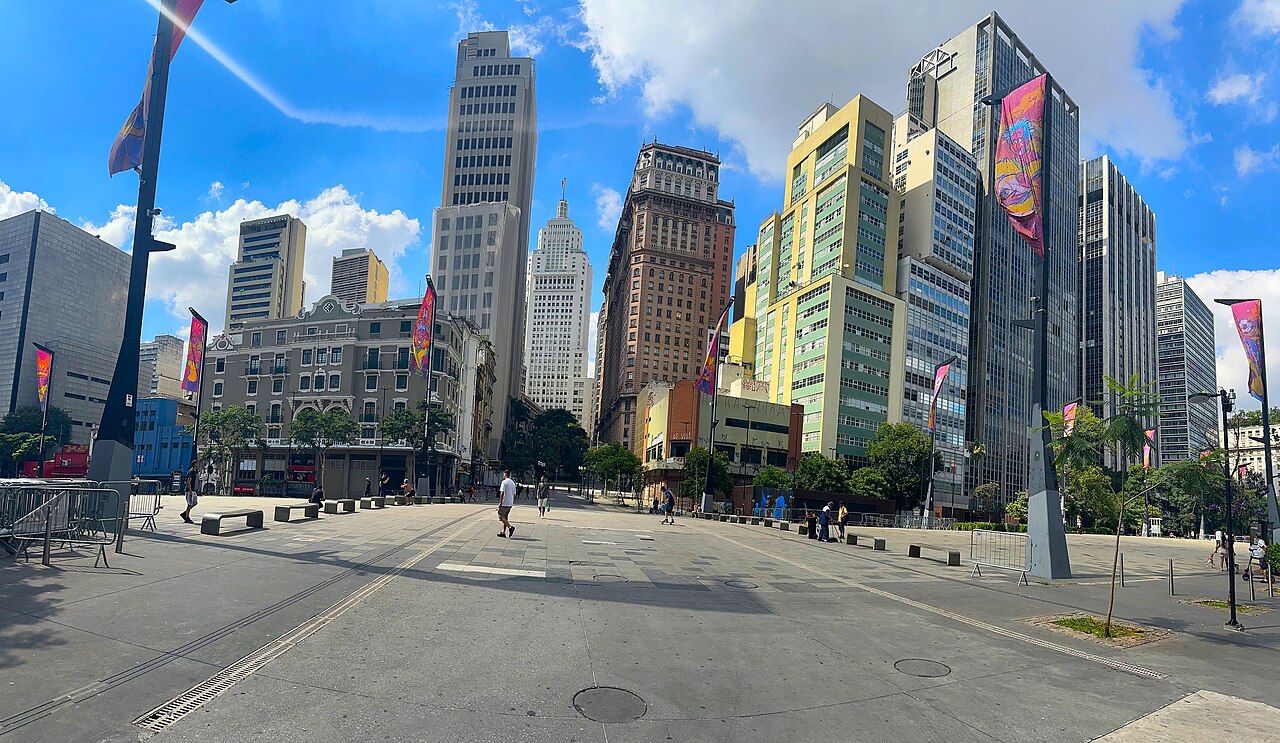
Vale do Anhangabaú is an open downtown space with changing pedestrian activity and a strong connection to busy roads. Keep belongings secure and stay attentive while walking, especially when the promenade meets major thoroughfares. The rebuilt setting may feel more contemporary than the surrounding historic centre, so treat it as a modern civic landscape within an old urban district. After dark, the atmosphere can differ from daytime conditions; plan your route with the same practical awareness used elsewhere in central São Paulo.
Checked 2026-08-26 · Source
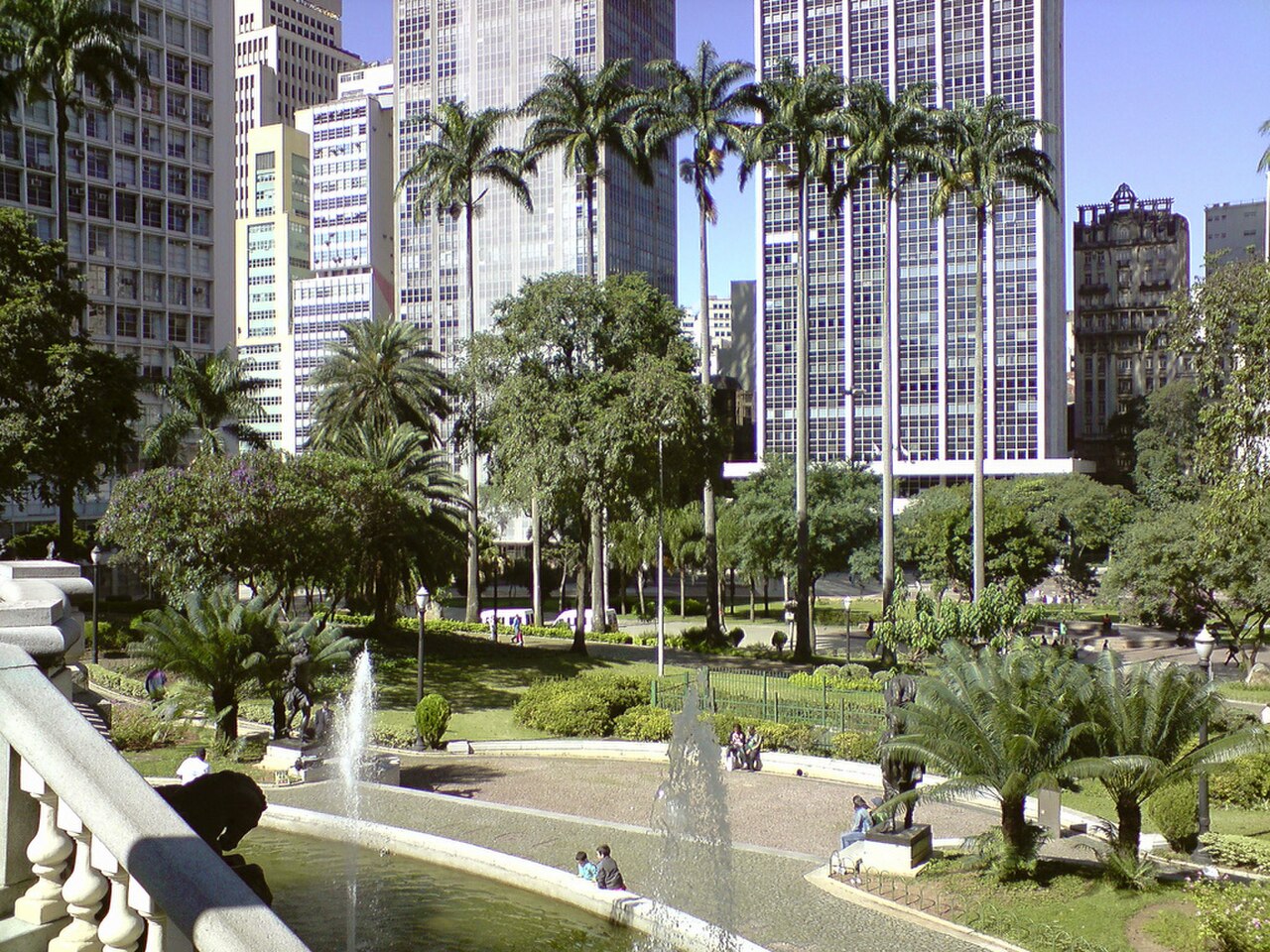
The valley offers urban landscape photographs built around lines, levels, and scale. Use the promenade to frame the open floor against the ridges and the architectural façades that border the centre. Wide compositions show the valley as a civic corridor, while lower viewpoints can emphasize the contrast between open space and surrounding high-density streets. Light changes quickly across an open valley, especially after rain. Pause in safe positions and keep clear of pedestrian routes while composing images.
Checked 2026-08-26 · Source
It is a rebuilt civic promenade and public urban space in São Paulo's historic centre, set between two central ridges.
No. Walking through the public promenade itself is free.
Fifteen to thirty minutes suits a simple passage, while forty-five minutes to an hour allows time for architecture, photography, and a slower walk.
It is in the historic centre of São Paulo, between two central ridges and near major downtown transport corridors.
Yes. Its role as a connective promenade makes it useful between other historic-centre streets, buildings, and civic landmarks.
Photograph the valley's open floor together with the surrounding ridges, façades, and downtown structures to show the space's urban scale.
Loading the interactive map…
The interactive map could not be loaded.
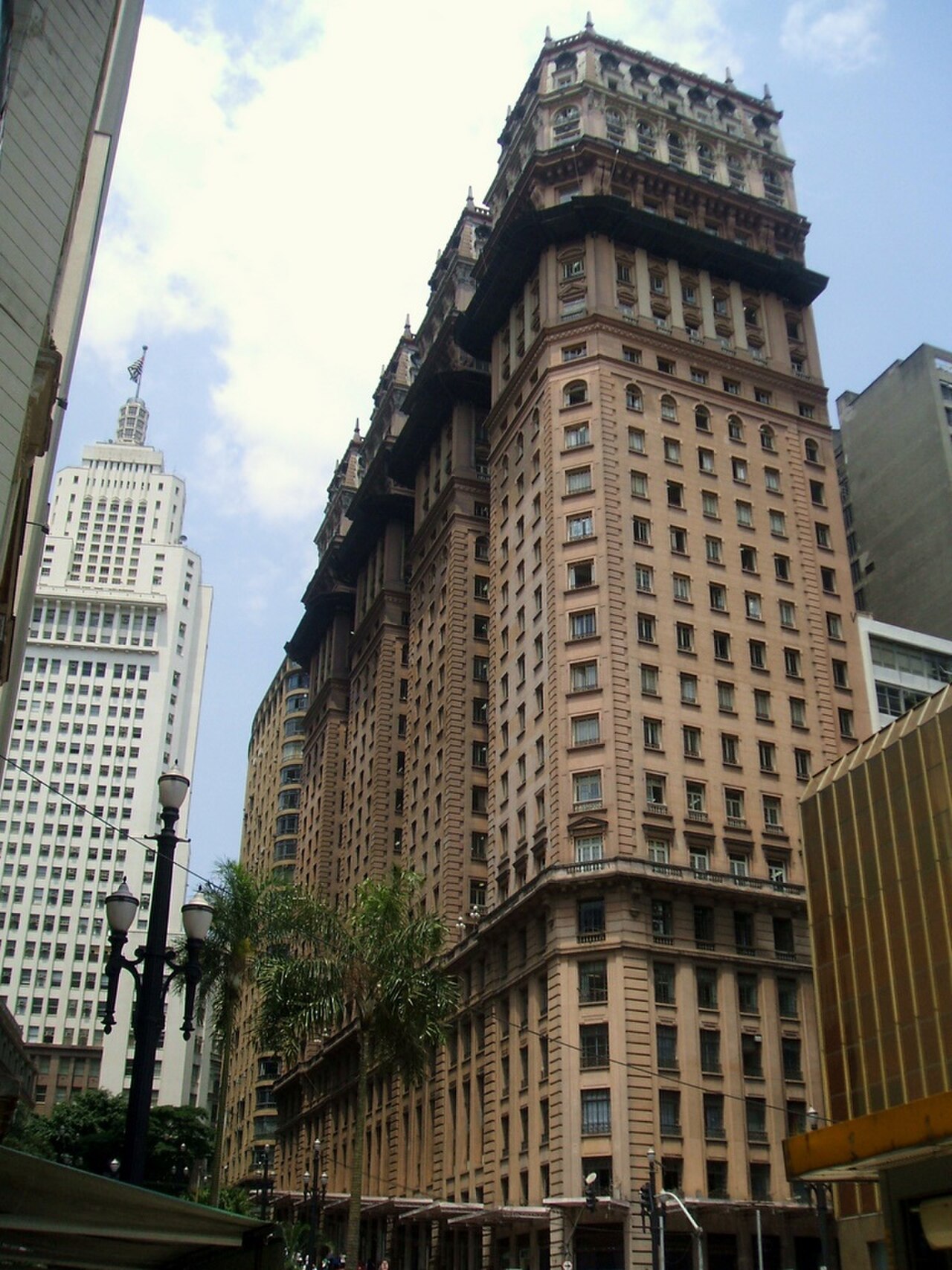
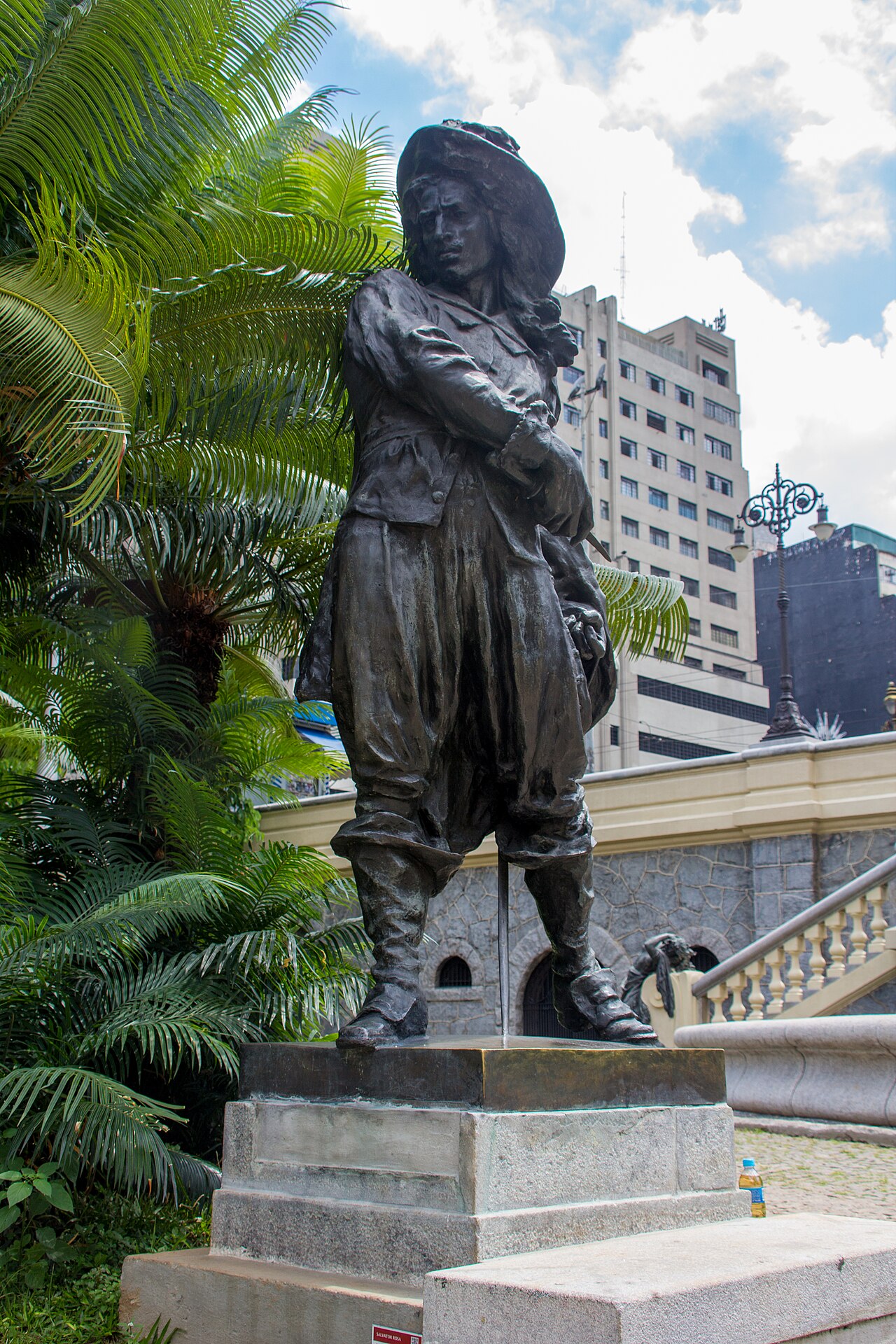
Last updated:
Source: OpenStreetMap contributors, Wikidata ·