

3 min walk
Casa do Grito
- Must see · Heritage site
- Historic monument
Language · 11 published
Nature site · São Paulo
Parque da Independência
Reviewed by Elena Voss · Roavina Travel Editor
| Monday | 05:00 – 20:00 |
|---|---|
| Tuesday | 05:00 – 20:00 |
| Wednesday | 05:00 – 20:00 |
| Thursday | 05:00 – 20:00 |
| Friday | 05:00 – 20:00 |
| Saturday | 05:00 – 20:00 |
| Sunday | 05:00 – 20:00 |
Checked 2026-08-31 · Source
Read from the OpenStreetMap access tags; anything not listed has no tag recorded.
Set the group type to family in the planner and the day window contracts to about three quarters of a solo day.
This place is a Park. It carries the heritage asset listed by IPHAN heritage designation. It is run by Municipal Secretariat of the Greenery and the Environment of São Paulo.
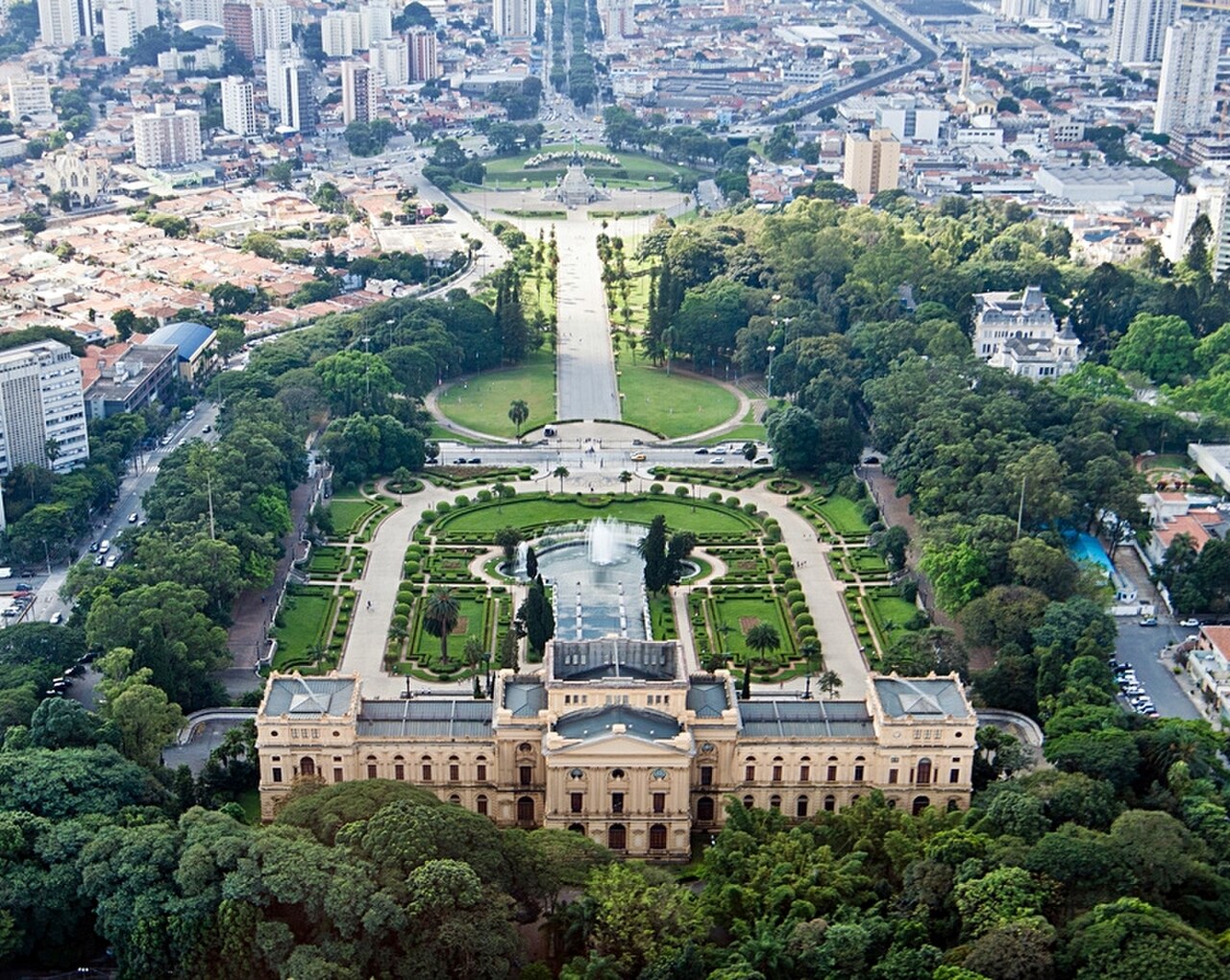
Independence Park, known locally as Parque da Independência, is a monumental public landscape in São Paulo. The park encompasses the historic site where Brazilian independence was proclaimed in 1822. It serves as the setting for the Ipiranga Museum and the Independence Monument, forming a significant cultural and historical complex. The space functions as both a commemorative site and an urban green area, connecting visitors to foundational national history through its integrated architectural and natural elements. A flexible visit lets travellers connect Independence Park with the rest of the day without treating one room, viewpoint or photograph as the whole experience. The useful pace depends on personal interest and conditions on arrival.
Checked 2026-08-31 · Source
The park contains the Ipiranga Museum, a major institution housing historical collections related to Brazilian history. The Independence Monument stands prominently within the grounds, marking the symbolic location of the proclamation. Landscaped gardens and open spaces surround these structures. The historic proclamation site itself is incorporated into the park's design. The integration of museum, monument, and landscape creates a cohesive environment for historical reflection.
Checked 2026-08-31 · Source
Visitors typically allocate several hours to experience the park's main features thoroughly. A complete visit encompassing the museum, monument grounds, and surrounding landscape generally requires half a day. Those with limited time may focus on the exterior monument and central areas in a shorter period. The expansive grounds reward unhurried exploration. Individual pacing varies considerably based on interest in historical detail, museum engagement, and preference for leisure walking through the landscaped environment.
Checked 2026-08-31 · Source
Monday–Sunday 05:00–20:00 Open daily with no regular weekly closure day. The municipal regulations allow temporary hour changes for events or commemorations. São Paulo's climate features mild winters and warm, rainy summers. Morning visits may offer cooler temperatures and reduced crowding at popular monuments. Weekend and holiday periods typically draw larger numbers of visitors to this nationally significant site. Checking ahead for any special ceremonies or maintenance closures is prudent given the park's commemorative function and institutional connections.
Checked 2026-08-31 · Source
General admission to Independence Park is free. The park's status as a public municipal space suggests basic grounds access may be free, though museum entry could involve separate arrangements. Monday–Sunday 05:00–20:00 Potential charges for special exhibitions, guided services, or specific monument features require direct verification. Budget-conscious travelers are advised to confirm all costs in advance through the São Paulo municipal tourism portal.
Checked 2026-08-31 · Source
Municipal bus routes named by São Paulo's Tourism Secretariat include 364A/10, 4113/10, 4491/10, 4706/10, 476G/10, 477P/10, 478P/10, 5028/10, 5108/10, 514T/10 and 5705/10, plus night routes N502/11, N508/11 and N536/11. Routes 4706/10 and 5028/10 connect with Vila Mariana and Alto do Ipiranga metro stations respectively; several routes connect with Sacomã terminal. Park entrances are located on Avenida Nazaré, Rua dos Patriotas, Rua dos Sorocabanos, Rua Bom Pastor, Xavier de Almeida, Padre Marchetti and Praça do Monumento. This is the named approach for an independent visit. The park is located in the Ipiranga district of São Paulo. Public transportation access is available through the city's bus network and metro system, with connections requiring walking or additional transit. Private vehicle access involves navigating São Paulo's extensive road network; parking availability and conditions should be verified locally. Rideshare and taxi services operate throughout the metropolitan area. Visitors should allow ample travel time given the city's traffic patterns.
Checked 2026-08-31 · Source
A step-free route uses ramps, inclined paths and decked walkways. The accessible route connects the principal areas of the expanded park with Casa do Grito and the Independence Monument area. Accessible public toilets and a step-free multi-purpose room are provided in the expanded area. The municipal park page identifies accessible park entrances and circulation areas. The access description applies to the documented visitor route. The park's expansive grounds require attention to personal belongings in open public spaces. Weather protection is advisable during São Paulo's rainy season. The combination of historical monuments, museum facilities, and natural landscape creates varied terrain; appropriate footwear supports comfortable exploration. Visitors should respect commemorative areas given their national significance. Crowding around major features may occur during peak periods. General urban awareness applies as in any large metropolitan park setting.
Checked 2026-08-31 · Source
The monumental landscape offers significant photographic interest, combining architectural heritage with designed gardens and open sky. The Independence Monument and Ipiranga Museum exterior present classical composition opportunities. Morning and late afternoon light may enhance visual qualities. Respectful distance from commemorative elements is appropriate. Commercial or professional photography may require advance permission from municipal authorities managing the site.
Checked 2026-08-31 · Source
The grounds contain Casa do Grito, the Independence Monument and Imperial Crypt, and Museu Paulista; the USP Museum of Zoology stands at the park boundary.
Gate 12 on Rua dos Patriotas, beside the museum, is designated for Sundays and public holidays only; the municipality lists numerous other gates around the park.
Facilities include a running track, fitness equipment, playgrounds, a skate park, seating areas, public toilets, an event square, fountains and a free car park.
Domestic dogs and cats are allowed when kept on a leash under the control of a capable handler, who must collect the animal's waste.
Cycling is restricted to cycleways, while skating and skateboarding are restricted to their designated areas.
No. The municipal park regulations prohibit both fires and portable barbecues.
Loading the interactive map…
The interactive map could not be loaded.


Last updated:
Source: OpenStreetMap contributors, Wikidata ·