

4 min walk
Ipiranga Museum
- Must see
- Museum

Museum · São Paulo
Museu de Zoologia da USP
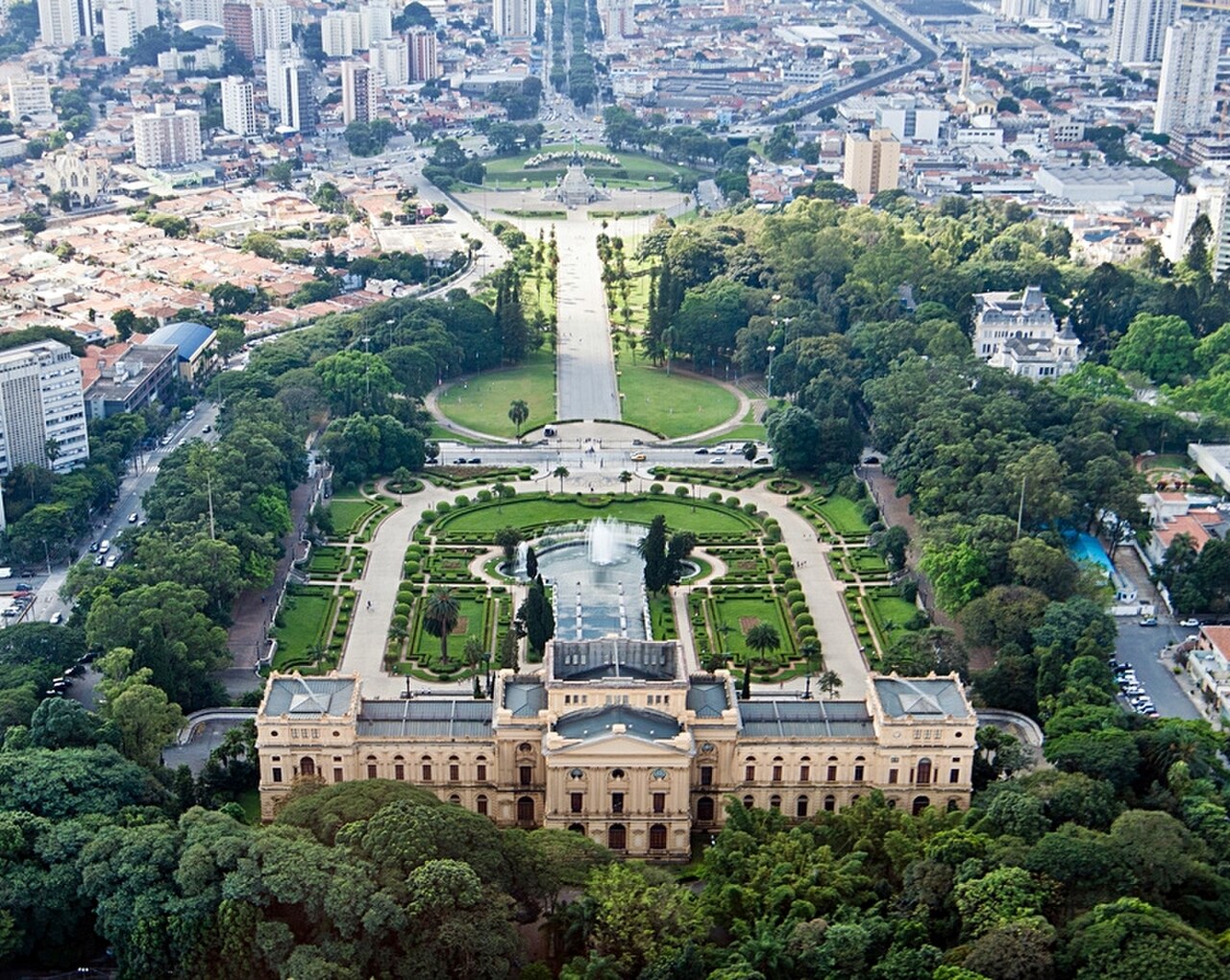
The Museum of Zoology of the University of São Paulo is a natural-history museum beside Independence Park. The University of São Paulo operates the institution as a place where zoological research, scientific collections, and public education meet. A visit introduces travellers to Brazil’s biodiversity through museum displays rather than through a live-animal setting. Its position beside Independence Park makes the museum a strong cultural stop for visitors who want to connect natural history with one of São Paulo’s important historical landscapes. The Museum of Zoology of the University of São Paulo is a major natural-history museum located beside Independence Park in São Paulo, Brazil. Operated by the university, it serves as a significant institution for zoological research and public education. The museum houses extensive scientific collections and presents exhibits to the general public. Check https://mz.usp.br/ for current admission policies.
Checked 2026-08-26 · Source
The museum presents zoological collections and natural-history displays focused on animal diversity, classification, evolution, and Brazilian fauna. Visitors can encounter preserved specimens, skeletons, scientific labels, and educational material that explain how researchers organise knowledge about animals. The collections support the University of São Paulo’s academic mission while remaining accessible through public galleries. The museum is especially rewarding for travellers interested in biodiversity, taxonomy, evolution, and the relationship between scientific collections and conservation in Brazil.
Checked 2026-08-26 · Source
Allow roughly two to three hours for a considered visit to the Museum of Zoology. That length gives visitors time to move through the galleries, read labels, compare specimens, and pause at displays about Brazilian and global fauna. Families may complete the visit faster if children focus on selected animals, while students and specialists may stay longer with particular collections. The museum can also be paired with time in Independence Park, extending the overall stop beyond the gallery visit itself.
Checked 2026-08-26 · Source
Weekday mornings are well suited to visitors who want more space for careful reading and close observation. Weekends and school holidays can bring a livelier family atmosphere. The museum provides an indoor activity that works in São Paulo’s wetter months as well as on bright days, and its position beside Independence Park makes it easy to combine an indoor collection with an outdoor walk. Portuguese is the principal language of the museum environment, so visitors should allow extra time for visual interpretation of displays.
Checked 2026-08-26 · Source
The visit is built around public galleries displaying zoological collections and natural-history material. Admission arrangements belong to the museum rather than Independence Park, so travellers should treat the museum and the park as separate parts of the day. The collection itself is the reason to allocate time here: preserved animals, skeletons, taxonomy, and biodiversity displays reward a patient visit. Visitors planning a timed museum stop should allow enough flexibility for reading, because the scientific context adds depth beyond a quick look at individual specimens.
Checked 2026-08-26 · Source
The museum is beside Independence Park in São Paulo. Bus and metro connections serve the wider area, while taxis and ride-hailing services provide direct alternatives across the city. The museum’s location makes it practical to combine with a visit to Independence Park rather than treating the museum as an isolated stop. Drivers should allow for central-city traffic and plan the final approach around the park and surrounding streets. A daytime arrival gives visitors more time to enjoy both the museum and its historic setting.
Checked 2026-08-26 · Source
The Museum of Zoology is an academic institution as well as a public museum, so visitors should stay within public gallery areas and follow signs around research or staff-only spaces. Portuguese is the main language used for labels and communication. Keep belongings secure in São Paulo’s busy urban environment, especially while travelling through transport connections. Specimens are preserved scientific material: do not touch cases or lean on display structures. A combined museum-and-park visit involves both indoor galleries and outdoor walking, so plan clothing and footwear for both settings.
Checked 2026-08-26 · Source
Zoological specimens, skeletons, and scientific displays provide strong subjects for visitors interested in natural-history photography. Photograph cases without touching them and keep the movement of other visitors clear. Flash can be inappropriate around preserved collections, so use available light when permitted by the gallery rules. The museum’s academic setting calls for particular respect for staff areas and research material. A useful sequence is to photograph one specimen, then read its label and surrounding explanation before moving to the next display.
Checked 2026-08-26 · Source
The museum is beside Independence Park in São Paulo.
The museum displays zoological collections, preserved specimens, skeletons, and educational material about biodiversity, taxonomy, and evolution.
Most visitors should allow roughly two to three hours for the galleries and their scientific explanations.
Yes. The museum stands beside Independence Park, making an indoor collection visit and an outdoor park walk easy to combine.
Portuguese is the principal language used for signage and exhibit information.
The University of São Paulo operates the museum as a research and public-education institution.
Loading the interactive map…
The interactive map could not be loaded.

Last updated:
Source: OpenStreetMap contributors, Wikidata ·