
3 min walk
Independence Park
- Must see · Heritage site
- Nature site
Language · 11 published
Historic monument · São Paulo
Reviewed by Elena Voss · Roavina Travel Editor

This place is a Attraction. It carries the heritage asset listed by IPHAN heritage designation.
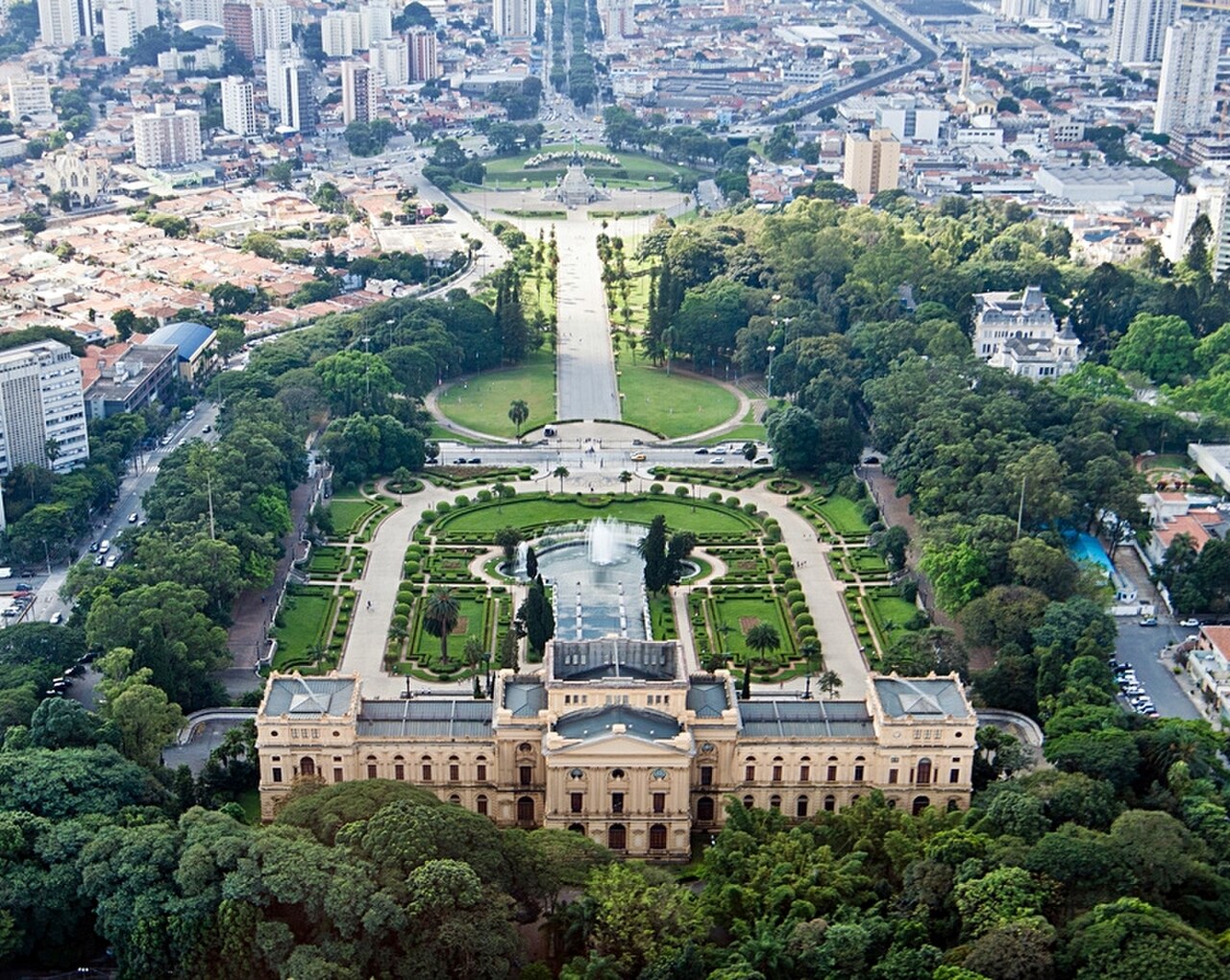
Casa do Grito is a historic rammed-earth house in São Paulo’s Ipiranga independence landscape. It belongs to a heritage setting that also includes the Monument to Independence, Parque da Independência, and the Ipiranga Museum. The building is valuable as evidence of older construction methods and as part of the architectural and social context surrounding Brazilian independence, even though it is not the exact place where independence was proclaimed. Casa do Grito is a historic rammed-earth house located within the Ipiranga independence landscape in São Paulo. The building forms part of the broader historical and cultural territory associated with Brazilian independence. Its construction technique using rammed earth reflects traditional building methods of the period. The house holds significance as a component of the Ipiranga heritage complex, which includes the Monument to Independence and the Ipiranga Museum. The structure contributes to understanding the architectural and social context of nineteenth-century São Paulo. No. Casa do Grito is a historic rammed-earth house associated with the broader Ipiranga independence landscape, not the specific site of the 1822 proclamation. The Monument to Independence and Ipiranga Museum occupy central positions in that historical narrative.
Checked 2026-08-26 · Source
The main attraction is the house itself: a historic structure made with rammed earth and integrated into the wider Museu da Cidade de São Paulo heritage network. Its walls and proportions invite attention to traditional building practice and the character of nineteenth-century São Paulo. The surrounding independence landscape supplies essential context, linking the compact building with monuments, park paths, and the nearby Ipiranga Museum rather than presenting it as an isolated sight. As a building integrated into the Museu da Cidade de São Paulo network, it may contain exhibitions or installations related to urban history and the independence period. Visitors should consult the museum's official channels for current programming. The rammed-earth construction itself represents a notable architectural element worth observing.
Checked 2026-08-26 · Source
Set aside about thirty minutes to one hour for Casa do Grito itself. The building is compact, so the strongest experience comes from observing its rammed-earth construction and then continuing through the surrounding independence landscape. Add substantial time for Parque da Independência, the Monument to Independence, and the Ipiranga Museum if you want the historical area to feel complete. Travelers focused on architecture may linger over wall textures and construction details.
Checked 2026-08-26 · Source
Morning is a comfortable time to begin exploring the Ipiranga heritage cluster, especially if you want a calmer walk around the park before the day becomes busier. Drier weather makes the outdoor portions more pleasant, while São Paulo’s rainy periods call for protection between buildings and monuments. The best timing is one that leaves room for Casa do Grito and its neighboring sites together, since the house gains much of its meaning from the surrounding landscape.
Checked 2026-08-26 · Source
Think of Casa do Grito as one element of an Ipiranga heritage outing. Its historical interest comes from the rammed-earth house and its relationship with the Monument to Independence, Parque da Independência, and the Ipiranga Museum. A flexible schedule works best because the area combines an intimate architectural stop with outdoor walking and larger cultural attractions. Travelers interested in Brazilian independence should give the entire cluster enough time to connect the individual sites.
Checked 2026-08-26 · Source
Casa do Grito is in São Paulo’s Ipiranga district, southeast of the central business area. Approach the district through the city’s metro and bus network, then use local navigation to reach the independence landscape. Once there, the house, park, monument, and Ipiranga Museum form a walkable heritage cluster. Ride-hailing can simplify the cross-city journey, while drivers should allow for urban traffic. Plan the arrival around the whole park area rather than the house alone.
Checked 2026-08-26 · Source
Rammed-earth walls are historic fabric, so do not touch them or lean against protected surfaces. Follow barriers, signs, and staff directions around the building. São Paulo weather can shift quickly between sun and rain, and the wider visit includes outdoor paths, so comfortable shoes and weather protection are useful. Keep valuables secure in the park and surrounding urban areas. Historic thresholds and uneven surfaces may slow movement, particularly for visitors using mobility aids.
Checked 2026-08-26 · Source
Casa do Grito photographs well as part of the Ipiranga landscape: frame the rammed-earth walls together with the park, monuments, and surrounding heritage setting. Inside or near protected areas, follow posted instructions and staff guidance. Avoid touching surfaces while composing close architectural images, and keep equipment from obstructing other visitors. The building’s texture, scale, and relationship with the larger independence complex are more revealing subjects than a single isolated façade.
Checked 2026-08-26 · Source
No. It is a historic rammed-earth house associated with the wider Ipiranga independence landscape, while the Monument to Independence and Ipiranga Museum occupy central places in that historical setting.
Yes. Both belong to the same broader Ipiranga heritage landscape, alongside Parque da Independência and the Monument to Independence, making a combined visit practical.
The house is notable for its rammed-earth construction, a traditional technique that helps explain the architectural character of historic São Paulo.
Allow about thirty minutes to one hour for the house, then add time for the park, Monument to Independence, and Ipiranga Museum.
It is in São Paulo’s Ipiranga district, within the independence landscape that includes Parque da Independência and several major heritage attractions.
Combine the house with Parque da Independência, the Monument to Independence, and the Ipiranga Museum to understand the area’s historical and cultural setting.
Loading the interactive map…
The interactive map could not be loaded.


Last updated:
Source: OpenStreetMap contributors, Wikidata ·