
17 min walk
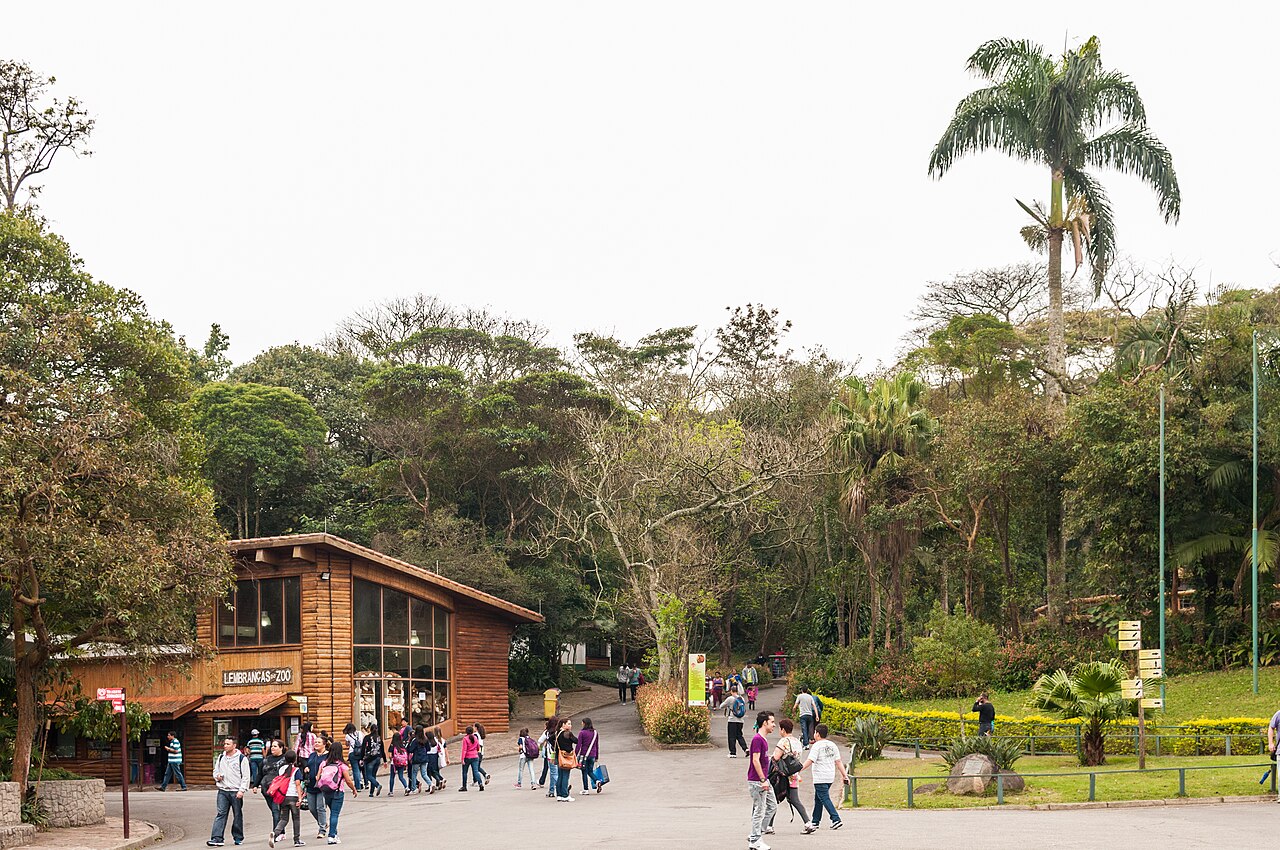
São Paulo Zoo
- Must see
- Family attraction
Nature site · São Paulo
Jardim Botânico de São Paulo
| Monday | 09:00 – 17:00 |
|---|---|
| Tuesday | 09:00 – 17:00 |
| Wednesday | 09:00 – 17:00 |
| Thursday | 09:00 – 17:00 |
| Friday | 09:00 – 17:00 |
| Saturday | 09:00 – 17:00 |
| Sunday | 09:00 – 17:00 |
Parsed from OpenStreetMap opening hours on 2026-09-09.
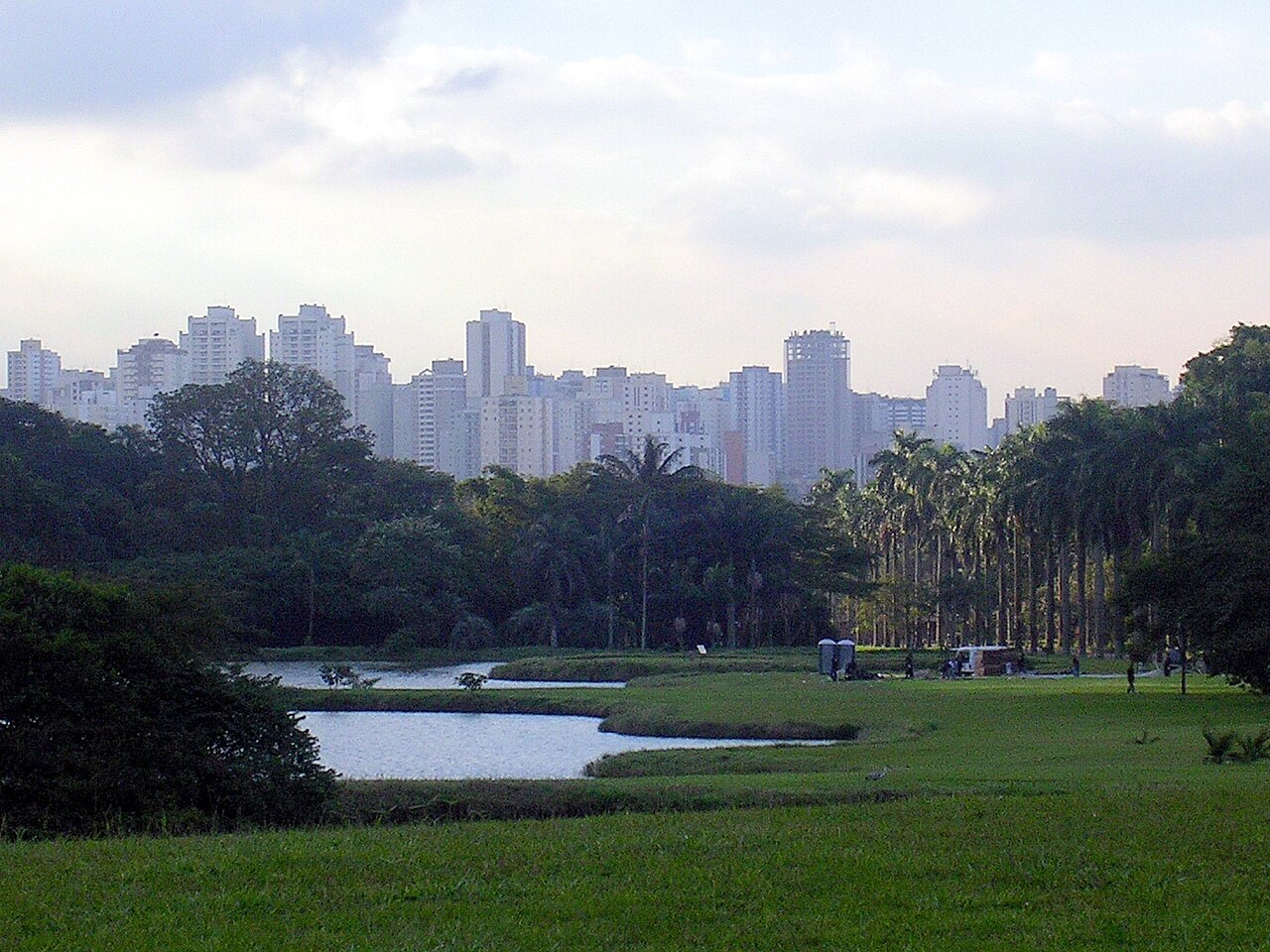
São Paulo Botanical Garden, Jardim Botânico de São Paulo, is a substantial green and scientific landscape within Brazil’s largest city. The garden protects and presents Atlantic Forest vegetation while also offering formal landscaped grounds for public visits. That combination gives the place two distinct identities: it is both a conservation setting and a designed garden where travellers can slow down and look closely at native flora. In a metropolis defined by intense urban movement, the garden creates room for trees, plant collections, paths, and quieter observation. It suits visitors who enjoy botany, landscape design, environmental interpretation, and photography more than those seeking a compact list of monumental sights. Give the garden a deliberate place in a São Paulo day, because its appeal develops through walking and comparison between formal spaces and preserved vegetation. The experience is strongest when you allow the city to recede and pay attention to the textures, scale, and variety of the Atlantic Forest landscape.
Checked 2026-08-26 · Source
The garden’s central experience is its Atlantic Forest plant collection set within maintained grounds. Walk slowly enough to notice the contrast between structured garden areas and the more natural character of native vegetation. The site’s scientific and conservation role gives the plants more than decorative value: the garden presents a threatened Brazilian biome as something to observe, understand, and protect. Botanical specimens, themed plantings, and labelled material are part of the garden experience where provided on site, but the defining content is the living landscape itself. Paths lead visitors through a sequence of open and wooded spaces, creating opportunities for both broad landscape views and close attention to leaves, trunks, flowers, and textures. The garden is not best approached as a quick photo backdrop. Its richness comes from repeated changes in vegetation and from seeing how a botanical institution balances public enjoyment with the care of living collections.
Checked 2026-08-26 · Source
Set aside roughly two to four hours for a comfortable visit through the grounds. A shorter stay can cover the principal landscapes and give you a restorative break from the city, while a longer half-day allows more time for botanical observation, photography, and a slower walk through the Atlantic Forest setting. Visitors with a particular interest in plants should resist rushing from one viewpoint to the next; the garden is experienced through detail, variety, and the gradual change between formal and naturalistic spaces. Build in pauses because shade, humidity, and walking distance affect the pace. The garden can occupy a larger part of the day than its map footprint suggests when you stop to read specimens or compose photographs. If your itinerary also includes central São Paulo, leave travel time on both sides so the visit remains relaxed rather than becoming a hurried green interlude between fixed appointments.
Checked 2026-08-26 · Source
Morning is a strong choice for walking in the garden because temperatures are generally more comfortable and the light is useful for observing foliage and photographing landscapes. Weekdays can feel calmer than busy weekend periods, while weekend visits offer the atmosphere of a popular local green space. São Paulo’s warm climate and seasonal rainfall mean that outdoor conditions influence the experience, so bring protection for sun or rain and wear shoes suited to extended walking. Flowering and display conditions change as the living collections develop, making the garden rewarding at different times of year even though particular peak periods are not fixed here. Choose a time that lets you stay for several hours rather than treating the garden as a quick stop. Its conservation landscape is most enjoyable when weather and schedule leave room for unhurried observation.
Checked 2026-08-26 · Source
Plan this as a dedicated garden visit rather than as an open city square. Admission arrangements belong to the garden’s visitor operation, and the practical details can change, so treat the entrance process as part of your visit planning. The attraction’s value lies in access to Atlantic Forest collections, formal landscapes, and a protected botanical environment, not in a single paid exhibit or short indoor attraction. If you are travelling with a group, allow time at the entrance before beginning the walk, especially when the garden is busy. Once inside, the grounds reward a steady pace and several hours of attention. The garden’s conservation purpose also means that some spaces may be managed differently from ordinary public lawns. Respect barriers, signs, and collection boundaries while exploring, since protecting the living landscape is part of what makes the experience possible.
Checked 2026-08-26 · Source
The Botanical Garden lies within São Paulo’s broad metropolitan area, so the journey deserves a place in the day’s schedule. Public transport, taxis, and ride-hailing services can connect the garden with the rest of the city, while traffic may make road travel slow at busy times. Use the garden’s official location information together with a current city route planner to choose the most suitable connection for your starting point. If you drive, treat parking as a separate practical question before setting out. Once you arrive, expect the visit itself to involve substantial walking through landscaped and forested areas. The garden is better paired with nearby southern São Paulo plans than squeezed between distant central appointments. Allow a generous arrival margin, then begin with the principal paths and let the sequence of formal plantings and Atlantic Forest vegetation shape the rest of your route.
Checked 2026-08-26 · Source
Wear comfortable footwear and carry water for a visit that may last several hours. Humidity, insects, rain, and uneven natural ground can all affect comfort in an Atlantic Forest landscape, particularly away from the most formal paths. Stay on designated routes and respect signs, barriers, and protected planting areas; the garden is a conservation institution as well as a leisure destination. Keep valuables secure during the journey through the city and around the entrance. Weather can change quickly, so a light rain layer is useful even when the morning begins bright. Do not handle plants or leave the paths for a closer photograph. The garden’s quiet atmosphere rewards patience, but personal awareness still matters when moving through a large green site. Plan enough time for rests so the final part of the visit is as enjoyable as the first.
Checked 2026-08-26 · Source
Use the garden’s formal landscapes and Atlantic Forest vegetation as complementary photographic subjects. Wide compositions can show paths, planted areas, and the transition from designed grounds to preserved native greenery. Close views reward attention to leaves, bark, flowers, and the repeating textures of tropical vegetation. Morning and late afternoon light can give foliage depth, while softer conditions help with longer walks and patient composition. Keep to visitor paths and avoid damaging collections while positioning yourself for a frame. Give other visitors space, especially on narrow routes or at popular viewpoints. The garden’s scientific role is a useful photographic theme: images can record not only beauty but also the relationship between urban São Paulo and the biome the institution protects. Bring enough battery and memory for a long visit, because the range of vegetation offers more variety than a brief circuit can capture.
Checked 2026-08-26 · Source
The garden combines Atlantic Forest conservation with formal landscaped grounds and public botanical education. Travellers visit to walk among native vegetation, living collections, and designed garden spaces within São Paulo.
Allow about two to four hours. A shorter visit can cover the principal landscapes, while a half-day gives plant enthusiasts and photographers time to explore the formal grounds and Atlantic Forest vegetation slowly.
Choose comfortable footwear for extended walking and bring protection for São Paulo’s sun or rain. Humidity, insects, and uneven natural ground make practical outdoor clothing useful during the garden visit.
Yes. Formal landscapes, native vegetation, forest paths, and close botanical details provide subjects for both wide environmental compositions and macro-style plant photographs.
Yes. The combination of landscaped grounds, Atlantic Forest collections, walking paths, and botanical observation provides enough variety for a relaxed half-day outdoors.
Begin with the principal formal landscapes, then continue into the forested areas at a slower pace. Stay on designated paths, read plant information where provided, and leave time for photography and rest.
Loading the interactive map…
The interactive map could not be loaded.

Last updated:
Source: OpenStreetMap contributors, Wikidata ·