
2 min walk
Farol Santander São Paulo
- Must see
- Museum
Language · 11 published
Historic monument · São Paulo
Edifício Martinelli
Reviewed by Elena Voss · Roavina Travel Editor
| Monday | 09:30 – 16:00 |
|---|---|
| Tuesday | 09:30 – 16:00 |
| Wednesday | 09:30 – 16:00 |
| Thursday | 09:30 – 16:00 |
| Friday | 09:30 – 16:00 |
| Saturday | 09:00 – 15:00 |
| Sunday | 09:00 – 13:00 |
Closed to visitors between 11:30 – 14:00
Parsed from OpenStreetMap opening hours on 2026-09-09.
This place is a Attraction. It opened in 1929. It was designed by William Fillinger.
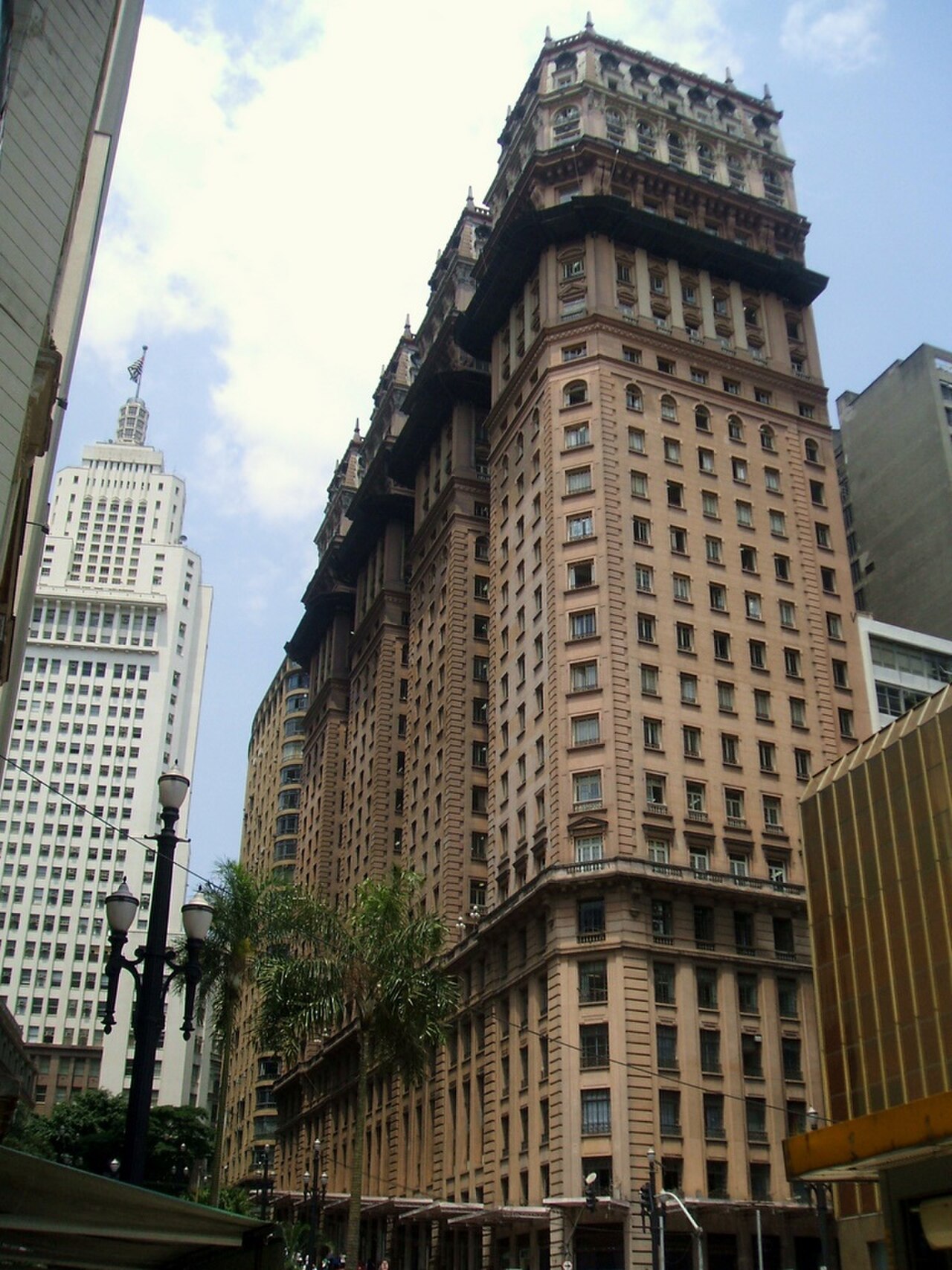
The Martinelli Building, or Edifício Martinelli, is a landmark skyscraper in central São Paulo. Built in the early twentieth century, it represents the city's first major skyscraper ambition and the commercial expansion that reshaped downtown. Its presence helps explain São Paulo's architectural transition from a lower-rise urban centre to a vertical metropolis. Travelers interested in city history can use the building as a reference point while walking through the historic centre, where its distinctive mass stands among busy streets and older civic architecture. The Martinelli Building, known locally as Edifício Martinelli, stands as São Paulo's pioneering skyscraper and a central-city architectural landmark. Constructed in the early twentieth century, it represented a dramatic shift in Brazilian urban architecture, introducing skyscraper technology to the city. The building symbolizes São Paulo's rapid commercial growth during that era. Its distinctive silhouette and historical significance make it an essential reference point for understanding the city's architectural evolution. The building functions primarily as commercial office space. Visitors should verify current access possibilities with building management or official tourism channels before attempting entry.
Checked 2026-08-26 · Source
The Martinelli Building remains a commercial property with office spaces and architectural details associated with its early skyscraper design. A traveler should approach it primarily as an urban landmark viewed from the surrounding streets. Any interior areas open to visitors depend on the building's working use and the access arrangement in place at the time. The value of the stop lies in connecting the exterior silhouette with São Paulo's story of growth, rather than expecting a museum layout or a sequence of exhibition rooms.
Checked 2026-08-26 · Source
Allow fifteen to thirty minutes for an exterior stop, including time to examine the façade and photograph it from nearby streets. Add time only if your route includes another accessible part of the building or a wider downtown architecture walk. The Martinelli Building works efficiently as one stop among several central landmarks because the historic centre is dense and walkable between major sights. Keep the schedule flexible around street crossings, pedestrian movement, and the pace of the surrounding city.
Checked 2026-08-26 · Source
Morning and afternoon are comfortable periods for combining the Martinelli Building with a downtown walk and for seeing its exterior in natural light. Business hours bring movement to the central streets, while evenings and weekends can feel different because office activity changes. Rain affects photography and walking comfort, particularly when several landmarks are linked on foot. Plan the building as part of a daytime historic-centre route, with enough daylight to read its form against the surrounding urban fabric.
Checked 2026-08-26 · Source
Exterior viewing from public streets is free because the building is encountered as a downtown architectural landmark rather than a standard museum attraction. A dedicated interior programme, viewpoint, or special access arrangement would be a separate activity with its own conditions. For most travelers, the building fits into a walking itinerary without a general admission purchase. Carry the same practical funds you would use elsewhere in the city centre, but treat the façade itself as a free public sight.
Checked 2026-08-26 · Source
The Martinelli Building is in São Paulo's downtown historic centre, where metro, buses, and walking routes converge. Choose public transport for the central approach, then continue through the dense street network to the building. The surrounding area connects naturally with other historic and cultural landmarks, making a walking sequence more useful than treating the skyscraper as an isolated destination. Surface traffic can be heavy, while the busy streets require attention at crossings. Allow time to orient yourself after leaving transit.
Checked 2026-08-26 · Source
This is a working commercial building in a busy central district, not a quiet heritage compound. Pedestrian and vehicle movement can be intense during the day, and the surrounding streets change character outside business activity. Keep phones, wallets, and bags secure in crowded areas. Respect entrances and do not obstruct people working in the building. A short exterior visit is straightforward when combined with normal downtown awareness and a route that keeps you moving between established public streets.
Checked 2026-08-26 · Source
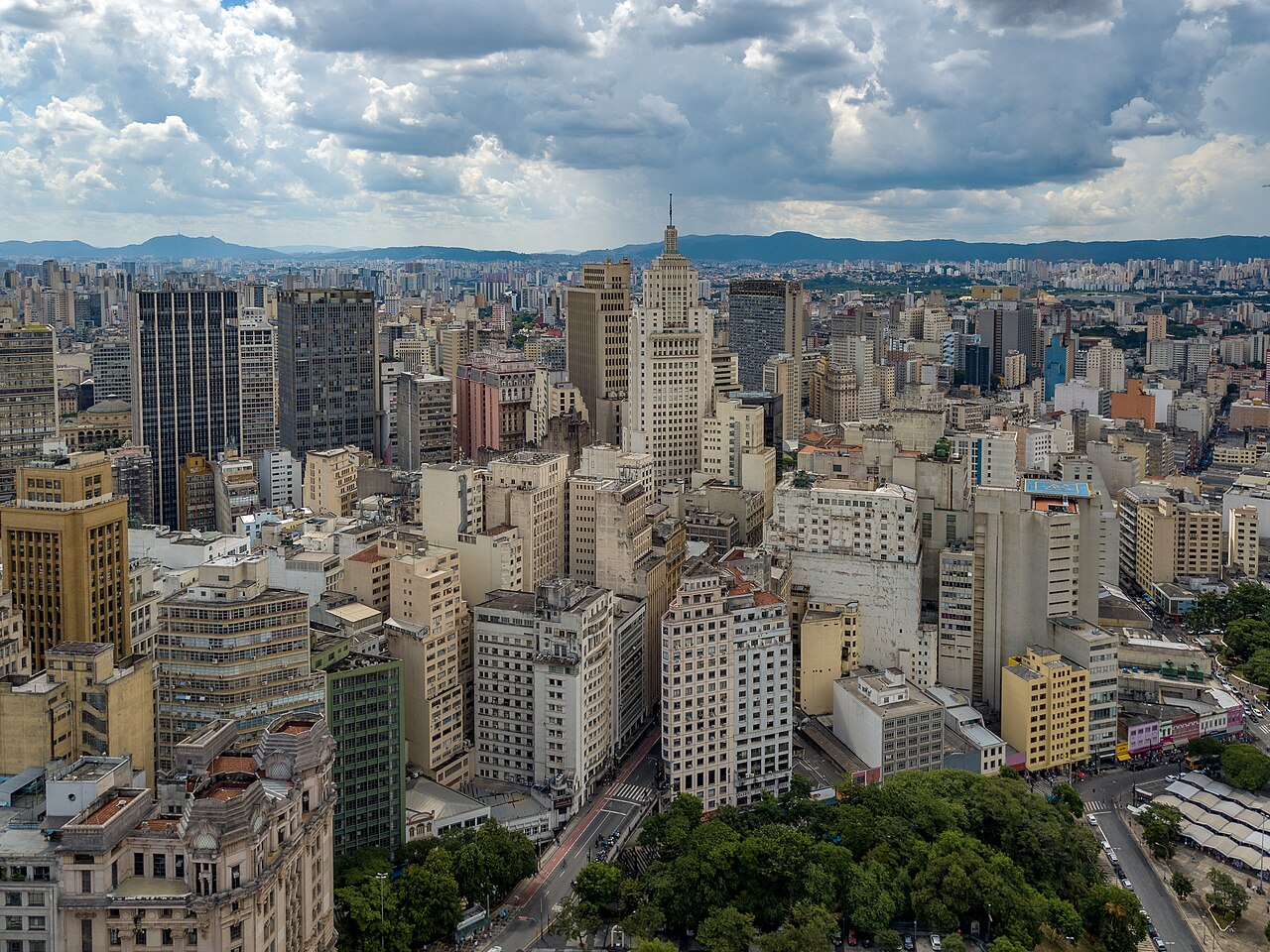
Photograph the Martinelli Building from public streets to capture its height and its relationship with the surrounding historic centre. Wider views show how the skyscraper rises above the older urban fabric, while closer compositions emphasize the façade and vertical form. Morning or late afternoon light can give the building more relief than harsh midday light. Stay alert while framing shots in traffic-heavy streets, and keep equipment compact so photography does not block pedestrians or attract unnecessary attention.
Checked 2026-08-26 · Source
It is São Paulo's pioneering skyscraper and represents the city's early twentieth-century commercial and architectural growth.
Yes. Exterior viewing from the surrounding public streets is free.
It is a commercial office building as well as an important architectural landmark in central São Paulo.
Fifteen to thirty minutes is enough for viewing and photography, with additional time if you include a wider downtown architecture walk.
Use São Paulo's metro or bus network for the downtown approach, then continue on foot through the historic centre.
Use public-street viewpoints for both close façade studies and wider images showing the skyscraper above central São Paulo's older urban fabric.
Loading the interactive map…
The interactive map could not be loaded.
Last updated:
Source: OpenStreetMap contributors, Wikidata ·