
5 min walk
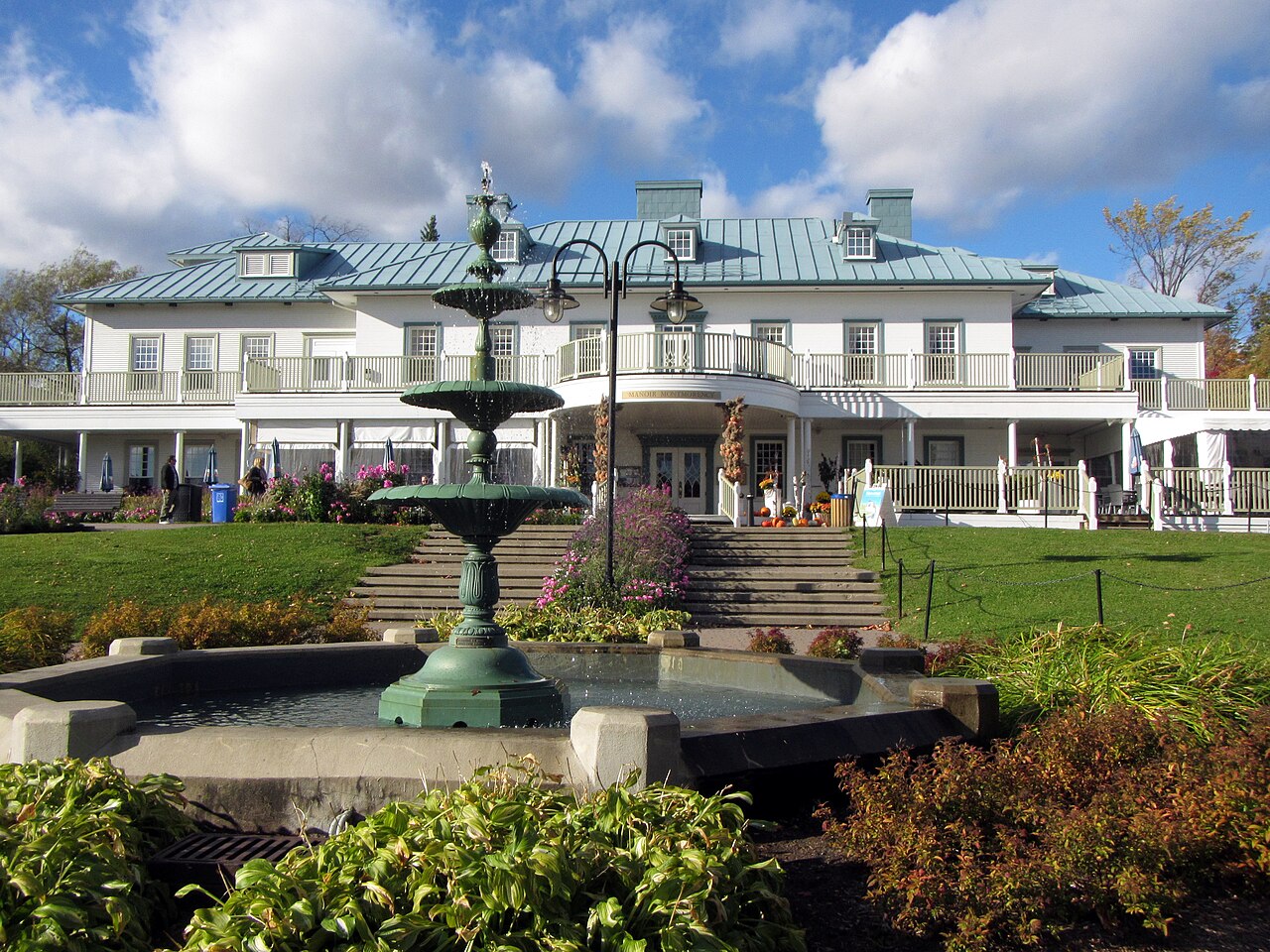
Manoir Montmorency
- Must see · Heritage site
- Restaurant or café
Language · 11 published
Nature site · Quebec City
Chute Montmorency
Reviewed by Elena Voss · Roavina Travel Editor
| Monday | 07:00 – 22:00 |
|---|---|
| Tuesday | 07:00 – 22:00 |
| Wednesday | 07:00 – 22:00 |
| Thursday | 07:00 – 22:00 |
| Friday | 07:00 – 22:00 |
| Saturday | 07:00 – 22:00 |
| Sunday | 07:00 – 22:00 |
Checked 2026-08-31 · Source
Read from the OpenStreetMap access tags; anything not listed has no tag recorded.
Set the group type to family in the planner and the day window contracts to about three quarters of a solo day.
This place is a Attraction.
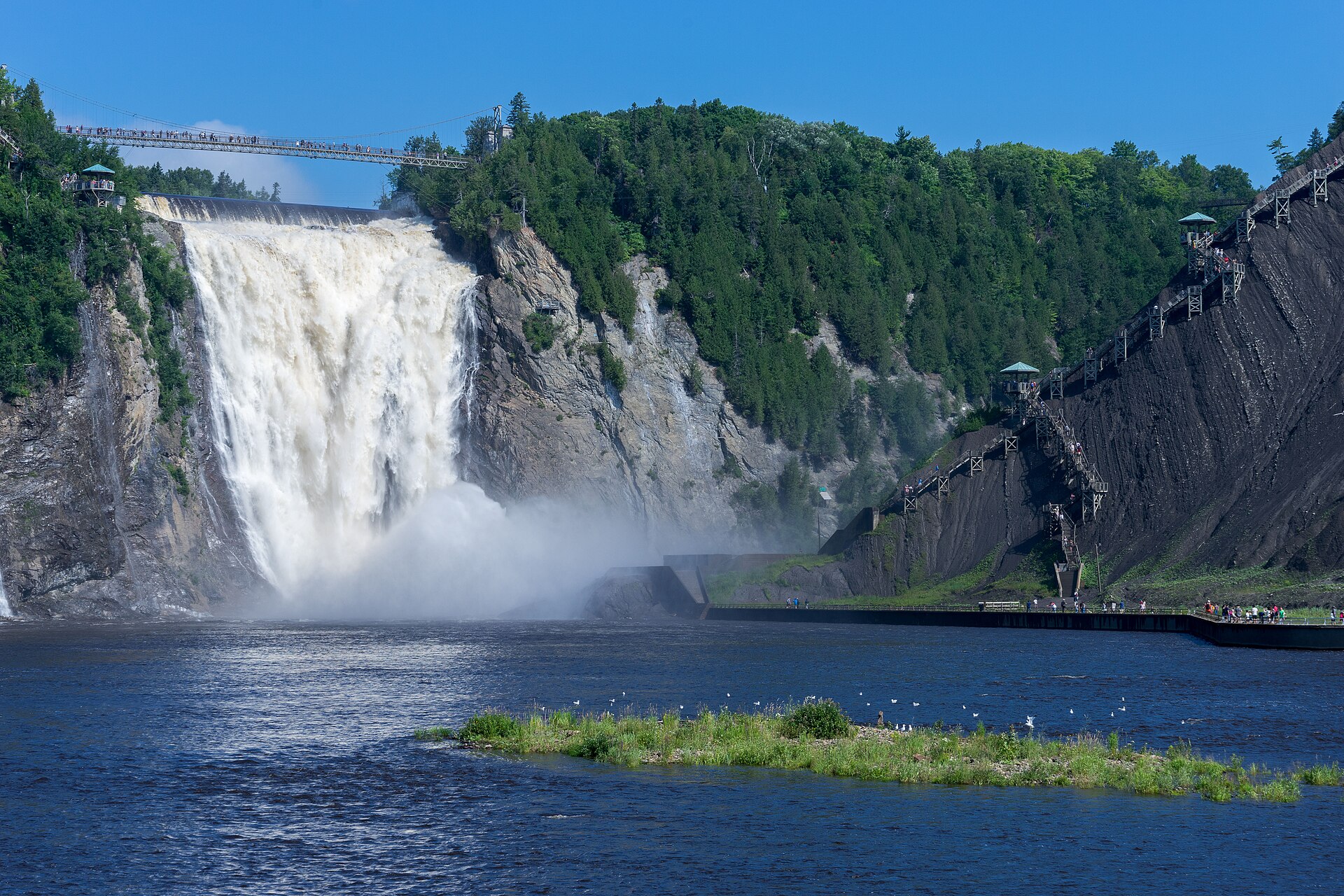
Montmorency Falls, or chute Montmorency, is a major waterfall east of Québec City. The Montmorency River drops over a cliff into a basin below, creating a dramatic natural landmark close to the provincial capital. The surrounding area forms a developed park managed by SEPAQ, combining the waterfall with viewpoints, trails, and visitor infrastructure. Its proximity to Québec City makes it an easy nature excursion, while the height, gorge, river, and spray give the site a strong sense of scale. The experience changes with the seasons: spring brings powerful snowmelt, summer opens the main outdoor activities, autumn adds foliage, and winter transforms spray into ice.
Checked 2026-08-26 · Source
The park is centred on the waterfall and includes upper and lower viewpoints connected by walking routes. A suspension bridge crosses the river at the crest, giving visitors an elevated view directly over the falling water. Trails lead through the gorge and between different observation areas, while a cable car connects river level with the cliff top. Interpretive features add geological and historical context. The landscape includes the Montmorency River, forested slopes, exposed rock, and the plunge basin. In colder weather, frozen spray forms an ice-covered spectacle around the falls, giving the same landscape a completely different texture and atmosphere.
Checked 2026-08-26 · Source
A short visit to a principal overlook can be brief, but the park deserves more time if you want to use the suspension bridge, ride the cable car, and walk between upper and lower viewpoints. Allow a half-day for comfortable exploration without rushing. A full day becomes reasonable when you include several trails, photography, a picnic, or travel time from Québec City. Stairs and elevation changes affect walking speed, especially in wet, icy, or snowy conditions. Decide whether your priority is the classic waterfall view, the bridge, the river-level perspective, or a broad circuit before setting your schedule.
Checked 2026-08-26 · Source
Every season gives Montmorency Falls a distinct identity. Spring snowmelt increases the river’s force and volume. Summer provides the fullest combination of trails, viewpoints, and cable-car access. Autumn places the waterfall within colourful forest scenery. Winter brings frozen spray and ice formations across the cliff and surrounding surfaces. The suspension bridge and cliff-edge platforms are exposed to wind and mist in any season. Dress for changing outdoor conditions, protect cameras from spray, and leave extra time when snow or ice affects stairs and trails. The park’s activity range changes with the season, so choose the period that matches your preferred experience.
Checked 2026-08-26 · Source
Montmorency Falls Park is managed by SEPAQ and uses a paid park-access model. The cable car is a separate experience with its own charge, and parking or other activities can add to the total cost of a visit. The park’s pricing structure distinguishes visitor categories, while SEPAQ passes can be relevant for travellers visiting several provincial parks. Build your budget around the combination of access, transport within the site, and optional activities rather than treating the waterfall overlook as the only possible expense. The cable car is useful when you want to connect river level and cliff top without relying entirely on the stairs.
Checked 2026-08-26 · Source
The falls lie east of central Québec City and are straightforward to reach by road. Driving gives the most direct access and allows flexibility for combining the visit with the nearby bridge toward Île d’Orléans. Public transport connects the city with the area, and organised excursions also include Montmorency Falls in regional sightseeing routes. Cycling is possible for active travellers comfortable with the approach. In winter, snow and ice can affect driving and walking conditions. Plan your return journey as carefully as your arrival, especially if you are relying on public transport or an organised schedule and want enough time for the bridge, trails, and viewpoints.
Checked 2026-08-26 · Source
Mist makes paths and viewing surfaces slippery, while stairs demand secure footwear and steady footing. The suspension bridge and cliff-edge platforms combine height, wind, and spray, so keep children close and stay within protected visitor areas. Winter ice increases slip hazards across the site. Water volume and spray intensity change with season and weather. Conditions can shift quickly in the exposed gorge, and the cable car does not remove every walking challenge because viewpoints and trails still involve movement at different levels. Visitors with limited mobility should plan around the accessible route options that suit their needs instead of expecting the full stair network to be practical.
Checked 2026-08-26 · Source
Montmorency Falls offers viewpoints from above, below, and across the river. The suspension bridge creates a direct overhead perspective, while lower riverbank positions emphasise the cliff and upward movement of the cascade. Upper overlooks place the falls in their gorge, and winter ice provides a sculptural alternative to flowing water. Carry lens cloths and protect equipment from mist and spray. Wind can affect tripod stability on the bridge, so hand-held exposures may be easier there. Morning and late-day light can soften contrast on the white water. Look beyond the main drop to include the river, forest, rock, and surrounding landscape in wider compositions.
Checked 2026-08-26 · Source
The park includes the waterfall, upper and lower viewpoints, walking trails, a suspension bridge across the crest, a cable car, the gorge, and seasonal ice formations.
Allow a half-day for the principal viewpoints, suspension bridge, cable car, and a selection of trails. A fuller exploration with photography and a picnic can take most of a day.
Yes. Public transport connects Québec City with the area, and organised excursions also visit the falls. Cycling is another option for travellers comfortable with the route.
Summer offers the broadest range of trails and activities, spring brings strong snowmelt, autumn adds foliage, and winter creates frozen spray and ice formations.
The site includes significant elevation changes and stairs. The cable car connects river level with the cliff top, while individual routes should be chosen according to mobility needs and surface conditions.
Mist and winter ice can make surfaces slippery, while the suspension bridge and cliff-edge viewpoints involve height, wind, and spray. Stay within protected areas and supervise children closely.
Loading the interactive map…
The interactive map could not be loaded.
Last updated:
Source: OpenStreetMap contributors ·