A photograph of Quebec City

City guide · Canada

Theme: History in Quebec City, Canada

Québec City is organised around a compact historic core above and below the St. Lawrence River cliffs. Old Québec divides into Upper Town and Lower Town, with t...

Photograph · Wilfredor · CC0

1,857 Places
Suggested stay
2–3 days
Getting around
Walk and use RTC buses

Turn this list into a plan

Set your days, your pace and the hours you actually want to be out. The planner works around closing days and travel time, and leaves room to eat.

Plan Quebec City

Editorial responsibility: Elena Voss · Roavina Travel Editor

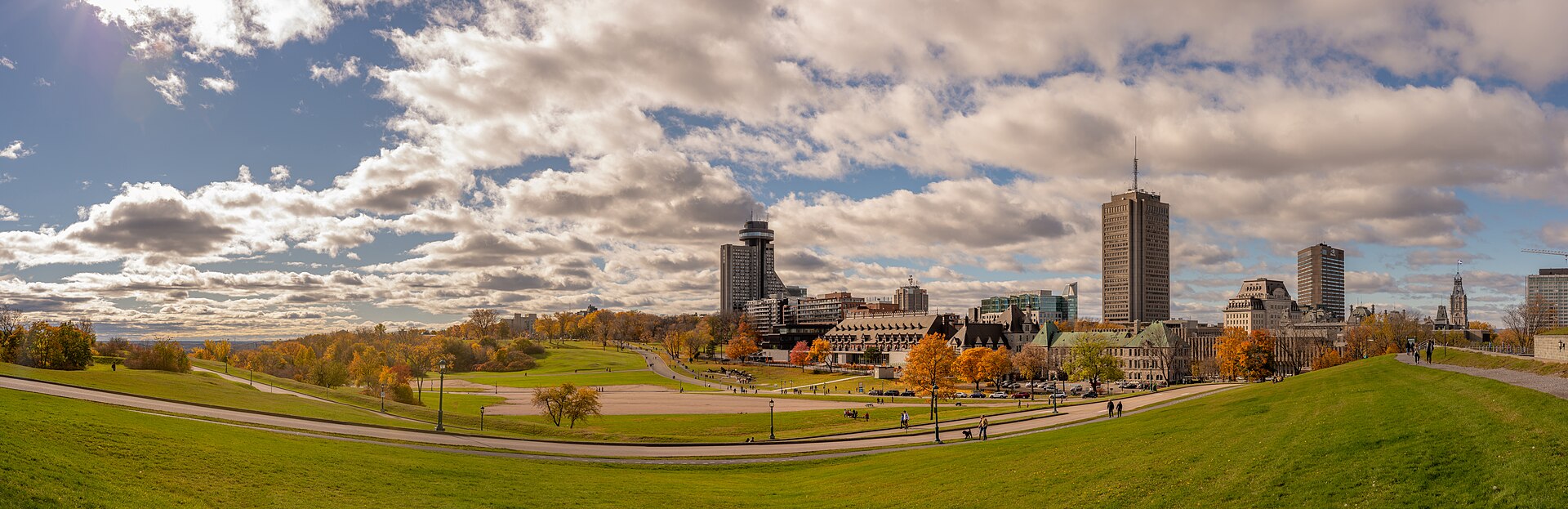
Québec City is organised around a compact historic core above and below the St. Lawrence River cliffs. Old Québec divides into Upper Town and Lower Town, with the Old Port beside the river. Parliament Hill, Montcalm and Saint-Jean-Baptiste extend west from the walls, while Saint-Roch and Limoilou form lower, more local districts. Central neighbourhoods are close together; outer attractions require bus or another planned connection.

Checked 2026-08-26

Practical information

Language spoken
English and French
National practical orientation; regional and minority languages may also be used
Dialling code
+1
International calling code; local area and mobile prefixes still apply
Currency
Canadian dollar (CAD)
Use the official local currency; card acceptance varies by place
Emergency number
911
Use only for an emergency; tourist assistance may use a separate number
Plug type
Type A and B · 120 V
Check that chargers support the recorded voltage before using an adapter
Tap water
Not recorded
Water systems and advisories are managed by multiple jurisdictions

Planning a visit

November · November cools to 3.6°C by day in Quebec City and brings 25.6 cm snowfall, requiring winter-ready plans.

  1. January: recurring difficult conditions
  2. February: recurring difficult conditions
  3. March: recurring difficult conditions
  4. April: viable with meaningful trade-offs
  5. May: best time to visit
  6. June: best time to visit
  7. July: good time to visit
  8. August: good time to visit
  9. September: best time to visit
  10. October: good time to visit
  11. November: viable with meaningful trade-offs — current month
  12. December: recurring difficult conditions

Sources

Top things to see

Ranked by importance — sitelinks, pageviews and heritage status, not editor preference.

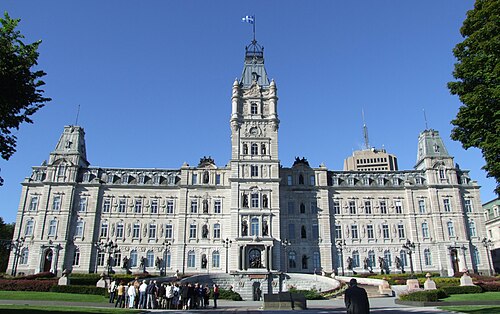
  1. Parliament Building of Quebec Parliament Building of Quebec
    02 45 min

    Parliament Building of Quebec

    Hôtel du Parlement

    The Parliament Building of Quebec, known locally as Hôtel du Parlement du Québec, serves as the seat of the National Assembly of Quebec. Constructed in the Second Empire architectural style, this prominent structure anchors the capital district of Quebec City.

    • Must see
    • Historic site
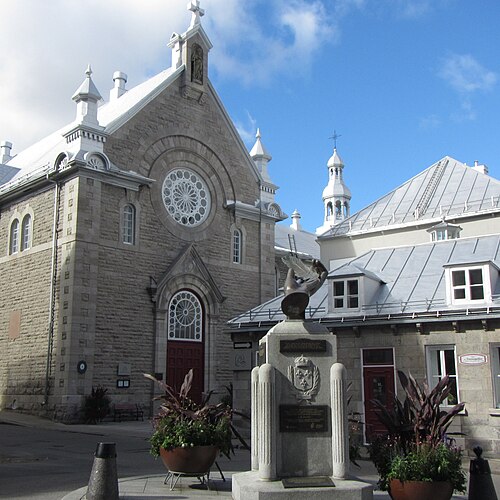
  2. Church of Our Lady of Victories, Quebec City Church of Our Lady of Victories, Quebec City
    03 30 min

    Church of Our Lady of Victories, Quebec City

    Église Notre-Dame-des-Victoires

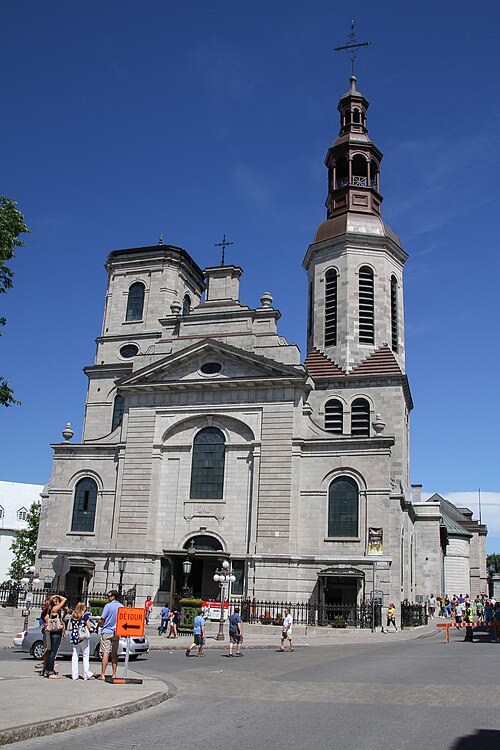
    Notre-Dame-des-Victoires Church is a historic Roman Catholic church located on Place Royale in Quebec City's Lower Town.

    • Must see
    • Place of worship
  3. Chateau St. Louis
    04 1 hr 30 min

    Chateau St. Louis

    Lieu historique national des Forts-et-Châteaux-Saint-Louis

    The Château Saint-Louis in Quebec City was the official residence of the French Governor of New France and later of the British Governor of Quebec.

    • Must see
    • Museum
  4. Breakneck Steps
    05 45 min

    Breakneck Steps

    L'Escalier Casse-Cou

    The Breakneck Stairs (Escalier Casse-Cou) are, in all likelihood, the oldest stairway in Québec City.

    • High
    • Historic site
  5. Funicular
    06 45 min

    Funicular

    Funiculaire

    The Funiculaire du Vieux-Québec has linked the Petit-Champlain district in the Lower Town with Dufferin Terrace in the Upper Town for more than a century.

    • High
    • Historic site
  6. Gate Saint-Louis, Quebec City
    07 45 min

    Gate Saint-Louis, Quebec City

    Porte Saint-Louis

    Porte Saint-Louis is one of the four gates in the walls of Quebec City and belongs to Parks Canada.

    • High
    • Historic site
  7. Musée des Ursulines Musée des Ursulines
    08 1 hr 30 min

    Musée des Ursulines

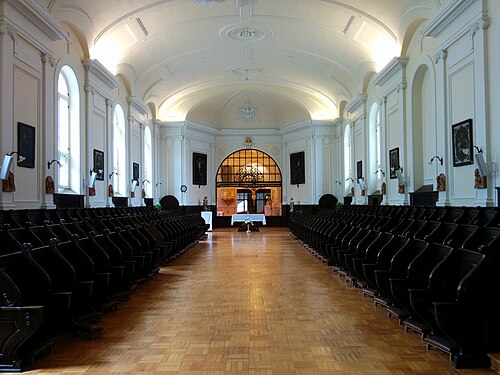
    Musée des Ursulines de Québec is a historic convent museum in Québec City’s Upper Town, near the basilica. The Ursuline order founded the institution in 1639 and established an early school for girls in New France.

    • Must see
    • Museum
  8. Le musée du Monastère des Augustines Le musée du Monastère des Augustines
    09 1 hr 30 min

    Le musée du Monastère des Augustines

    Monastère des Augustines is a Québec City heritage complex rooted in the Augustinian Sisters’ medical and spiritual work. The sisters established the first hospital north of Mexico in 1645.

    • Must see
    • Museum

Source: OpenStreetMap contributors, Wikidata ·

How the city is laid out

Upper Town occupies the fortified plateau around Château Frontenac and the main gates. Lower Town sits beneath the cliff around Place Royale and the Old Port, linked by steep streets, stairs and the funicular. Parliament Hill and the Plains of Abraham are west of the walls; Saint-Jean-Baptiste and Montcalm continue beyond them. Saint-Roch lies below the escarpment, with Limoilou farther north across the Saint-Charles River.

Checked 2026-08-26

Getting around

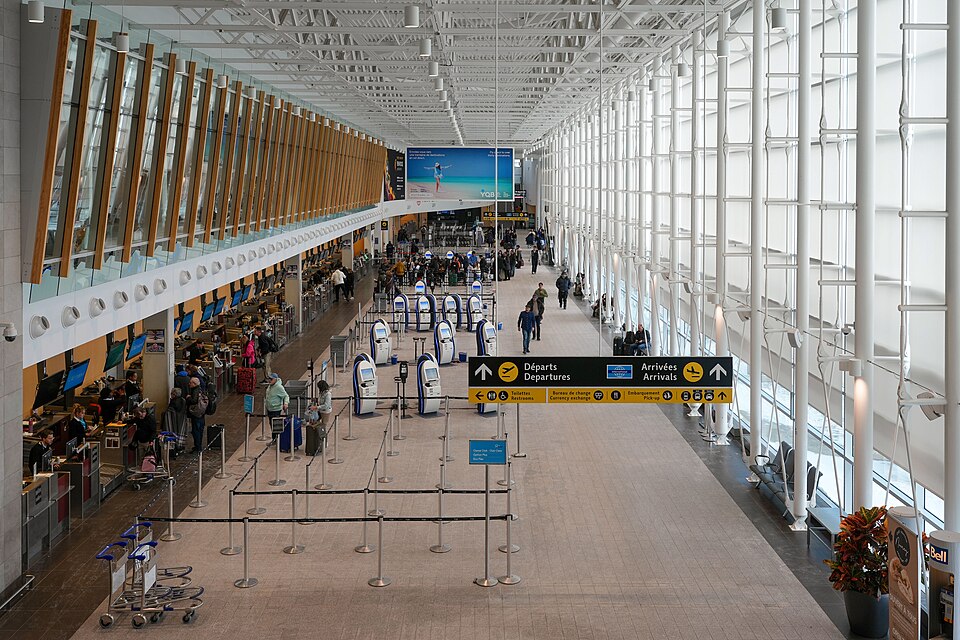
Walk between the central neighbourhoods, allowing for steep grades between Upper and Lower Town. The RTC bus network serves the city centre, central districts, suburbs, the airport and both train stations. Frequent Métrobus routes carry numbers in the 800s and are useful beyond the historic core. Use the official RTC trip planner and current notices because construction, weather and traffic can alter stops and schedules.

Checked 2026-08-26

More city guides

Common questions

How many days should I spend in Québec City?

Suggested stay for a first visit: 2–3 days. Plan Upper and Lower Town first, then add Parliament Hill, Montcalm, Saint-Roch or an outer excursion according to your priorities.

Is Old Québec walkable?

Yes. Its principal areas are compact, but Upper and Lower Town are separated by a steep escarpment, stairs and sloping streets.

What is the difference between Upper and Lower Town?

Upper Town occupies the fortified plateau; Lower Town lies beneath it around Place Royale and the Old Port. Routes between them include steep streets, stairs and the funicular.

How do I get around beyond Old Québec?

Use RTC buses. The network serves central neighbourhoods, suburbs, the airport and both train stations, with frequent Métrobus routes on major corridors.

Are Québec City's central neighbourhoods far apart?

No. The official visitor guide describes them as concentrated in a relatively small area, though elevation changes can make short map distances more demanding on foot.