
6 min walk
High Park Zoo
- Must see
- Family attraction
Language · 11 published
Historic monument · Toronto
Reviewed by Elena Voss · Roavina Travel Editor
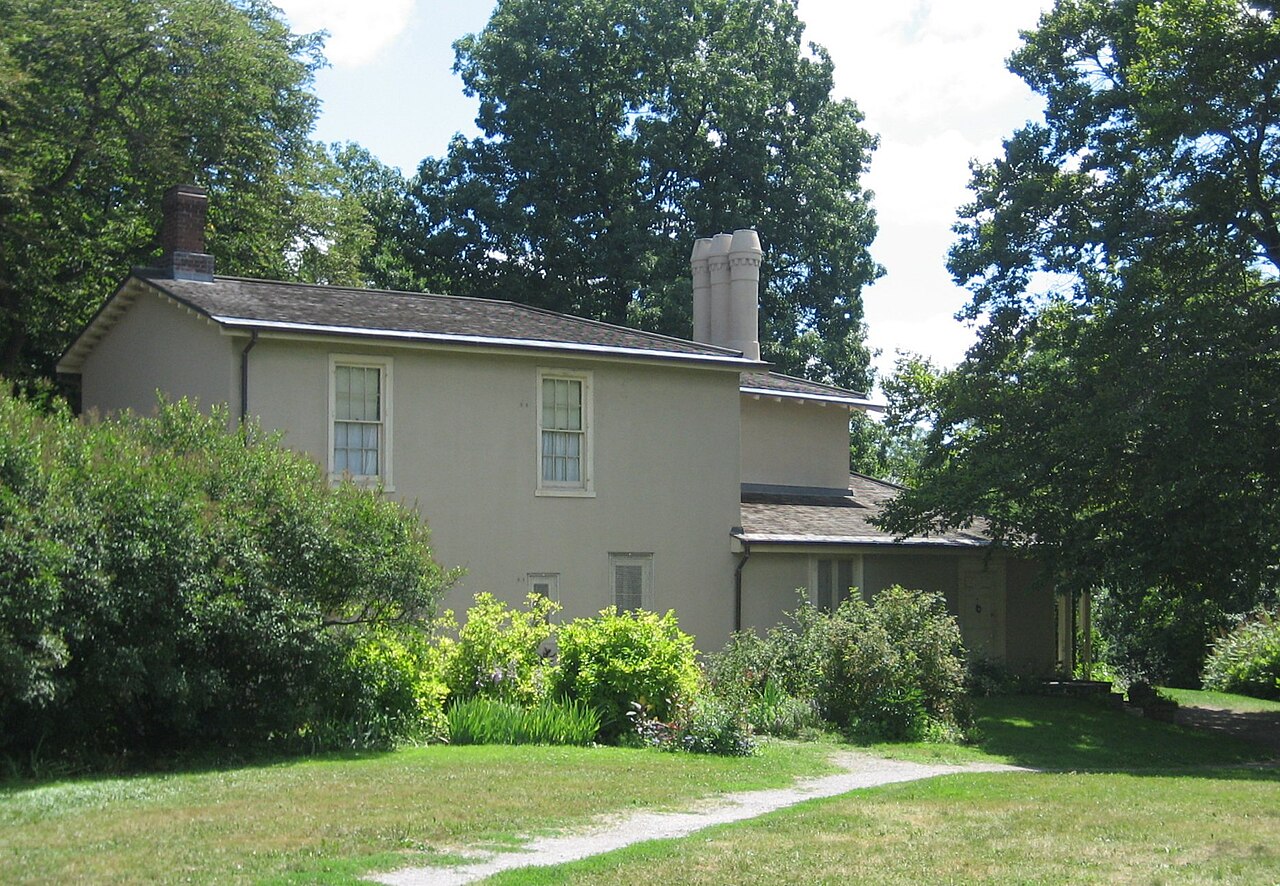
This place is a Attraction. It was established in 1890.
Colborne Lodge is a historic house museum within Toronto’s High Park. Built in 1836, it was the home of John George Howard, an architect and engineer who shaped the city’s early development. Howard later donated his estate to Toronto, helping establish the park. The lodge preserves a Regency-style heritage setting within a major urban landscape. Colborne Lodge is a historic house museum situated in High Park, Toronto. Built in 1836, it was the home of John George Howard, an architect and engineer who played a significant role in the city's early development. Howard donated his estate to the city, which became the foundation of High Park. The lodge represents one of Toronto's best-preserved examples of Regency-style architecture and offers insight into upper-middle-class life in nineteenth-century Upper Canada. The building and its grounds form an integral part of the park's heritage landscape. The provided sources do not confirm year-round operation. Seasonal scheduling is typical for such municipal museums. Verify current status directly before visiting.
Checked 2026-08-26 · Source
The rooms are furnished and arranged to evoke the period when the Howards lived at the lodge. Visitors move through parlours, bedrooms and service areas containing household objects, decorative details, artworks and family belongings. Drawings and documents connect the interior with Howard’s architectural work, while the domestic rooms show the routines and tastes of an upper-middle-class nineteenth-century household. The interior of Colborne Lodge contains period furnishings and decorative elements that reflect the Howards' original occupancy. Visitors can explore rooms that have been restored to evoke the 1830s to 1860s period, including parlours, bedrooms, and service areas. The museum displays personal belongings, artworks, and household items that belonged to the Howard family. John George Howard's professional work as an architect is also represented through drawings and documents. The collection illustrates both domestic life and the cultural interests of a prominent colonial family.
Checked 2026-08-26 · Source
Allow thirty minutes to an hour for the lodge itself. The interior is compact, but architectural details and period objects reward a slower pace. Most visitors combine the house with a longer High Park visit, adding time for paths, gardens and open spaces. The result is a flexible half-day outing rather than a stand-alone museum day. A visit to Colborne Lodge typically requires between thirty minutes and one hour, depending on individual interest in historical interiors and guided interpretation. The compact scale of the building means that the self-guided or staff-led circuit through the rooms is relatively brief. Visitors often combine their museum visit with broader exploration of High Park, which encompasses walking trails, gardens, and recreational areas. Those with strong interest in architectural history or Toronto's colonial period may wish to allocate additional time for examining details and engaging with staff.
Checked 2026-08-26 · Source
Colborne Lodge works best when paired with High Park, since the surrounding landscape is part of the experience. The lodge gives the park a specific historical focus, while the grounds provide room for a longer walk. It is a good choice for travellers who want Toronto history presented through a preserved home rather than a large institutional collection.
Checked 2026-08-26 · Source
The visit centres on the preserved house and its interpretation, with High Park forming the wider setting around it. Plan the lodge as a focused heritage attraction inside a public park. The contrast between furnished historic rooms and open parkland makes the stop particularly appealing to travellers who prefer varied outings over a sequence of indoor museums.
Checked 2026-08-26 · Source
Colborne Lodge lies inside High Park in Toronto’s west end. High Park subway station provides a practical transit approach, followed by a walk through the park. Bus services also serve the surrounding streets. Once inside the park, the lodge is not immediately beside the station, so leave time for paths through the grounds rather than planning a doorway-to-doorway arrival.
Checked 2026-08-26 · Source
Colborne Lodge is an 1836 heritage building, so the interior includes historic stairs, doorways and floor surfaces. The park approach may also involve uneven or changing ground conditions. Treat the lodge as a preserved home: move carefully, protect furnishings and allow extra time for the walk from the park entrance or transit connection.
Checked 2026-08-26 · Source
Colborne Lodge offers close architectural subjects inside and a broader composition outside, where the historic building sits within High Park. Photograph the Regency-style structure, period details and relationship between house and landscape. A slower visit helps you notice decorative features that can disappear in wide views, while the park provides more space for exterior images.
Checked 2026-08-26 · Source
Colborne Lodge is inside High Park in Toronto’s west end, surrounded by the park’s paths, gardens and recreational landscape.
John George Howard was an architect and engineer who lived at Colborne Lodge. His estate later became the foundation of High Park after he donated it to Toronto.
Colborne Lodge was built in 1836 and represents a preserved Regency-style residence from nineteenth-century Upper Canada.
The interior includes period parlours, bedrooms and service areas, along with household objects, artworks, family belongings, drawings and documents related to Howard’s work.
Allow thirty minutes to an hour for the lodge. Add more time if you want to explore High Park’s paths, gardens and recreational areas.
Yes. Colborne Lodge is located within High Park, so the house and the park’s outdoor landscape naturally form one combined Toronto visit.
Loading the interactive map…
The interactive map could not be loaded.
Last updated:
Source: OpenStreetMap contributors, Wikidata ·