.jpg)

72 min walk
John Daniels Park
- Notable
- Nature site
Language · 11 published
Family attraction · Toronto
Reviewed by Elena Voss · Roavina Travel Editor
| Monday | 09:30 – 18:00 |
|---|---|
| Tuesday | 09:30 – 18:00 |
| Wednesday | 09:30 – 18:00 |
| Thursday | 09:30 – 18:00 |
| Friday | 09:30 – 18:00 |
| Saturday | 09:30 – 18:00 |
| Sunday | 09:30 – 18:00 |
Checked 2026-08-31 · Source
Read from the OpenStreetMap access tags; anything not listed has no tag recorded.
Set the group type to family in the planner and the day window contracts to about three quarters of a solo day.
It was established in 1974.
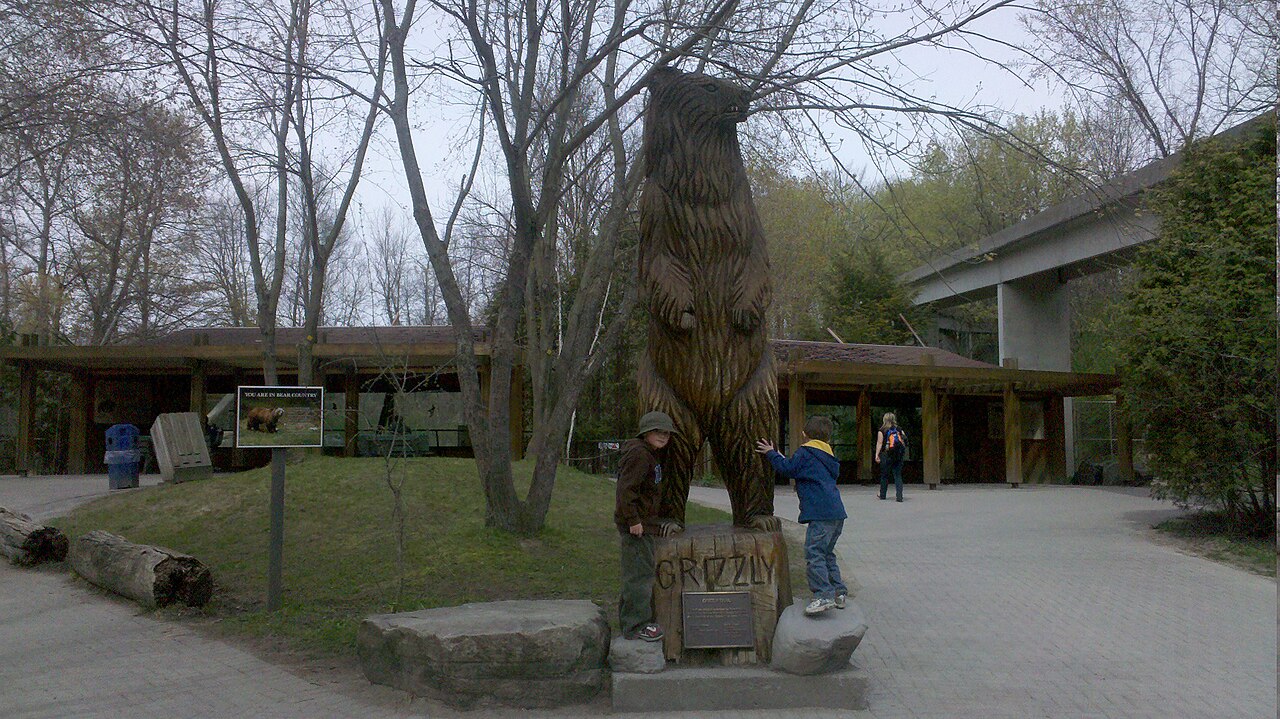
Toronto Zoo is a major family attraction in the Greater Toronto area and is described as Canada’s largest zoo. Its scale makes it different from a compact city museum: the experience is built around animal habitats and broad geographic zones spread across a substantial site. A successful visit benefits from choosing a clear focus before arrival, such as a small group of habitats or one part of the grounds. That approach leaves room for observation, orientation, rest, and the practical transitions that a large outdoor attraction requires. The zoo is best treated as a focused day component rather than a quick downtown stop.
Checked 2026-08-26 · Source
The central experience is the relationship between animal habitats and the zoo’s geographic zones. Choose the areas that matter most to your group, then move through them at a pace that allows time to watch animals rather than simply collect names from a map. The grounds are broad enough that orientation and transitions form part of the visit. Habitat design, landscape changes, and the contrast between open-air movement and enclosed spaces shape the day. Keep the route adaptable so a child’s interest, weather, energy, or a memorable animal encounter can guide the next decision.
Checked 2026-08-26 · Source
Allow roughly ninety minutes to two hours for a focused visit built around selected habitats and geographic zones. A broader exploration can take considerably longer because the zoo covers a large area and requires movement between separate parts of the grounds. Build in time for orientation, queues, rests, photographs, family needs, and the walk between experiences. If the zoo is one stop in a wider Toronto day, protect the visit from an overly tight schedule. A deliberate route is more rewarding than trying to cover every habitat at equal speed.
Checked 2026-08-26 · Source
Arrive with enough time to orient yourself and choose the first habitat zone before the grounds become tiring or crowded. Outdoor areas are influenced by weather and seasonal conditions, while indoor spaces and programmed experiences can shape the rhythm of the day. Families benefit from an early decision about the animals or zones that matter most, leaving secondary areas for later. The zoo’s large scale rewards daylight and unhurried movement. A flexible plan also helps when weather, animal activity, or the energy of younger visitors changes the order of the visit.
Checked 2026-08-26 · Source
Treat Toronto Zoo as a planned attraction within your Toronto itinerary. The visit centres on animal habitats and geographic zones across a large site, so the value of the day comes from allowing enough time and choosing priorities. Keep the schedule flexible around the needs of your group, including rest, food, queues, and movement between areas. If a particular habitat, programme, or controlled component is essential to your plans, make it the first priority of the day. Avoid pairing the zoo with several distant attractions unless the travel time and energy demands fit comfortably.
Checked 2026-08-26 · Source
Toronto Zoo is outside compact downtown Toronto, so plan it as an outer-city journey rather than as a walkable central attraction. Navigate to the correct visitor entrance and leave realistic time for the approach, transfers, street crossings, station access, and possible queues. Combining the zoo with Scarborough attractions or parks is more geographically coherent than placing it beside central Toronto museums in a tightly packed sequence. Once you arrive, the broad grounds make internal walking and orientation significant parts of the experience. Give mobility needs and weather conditions room in the travel plan.
Checked 2026-08-26 · Source
The zoo’s scale can make an ambitious route tiring, especially for families or visitors with limited time. Choose priority habitats first, keep circulation routes clear, and follow staff instructions around animal areas and visitor spaces. Outdoor conditions can change the comfort of the day, so allow pauses and adjust the route when the weather or group energy demands it. A named habitat or programme may not fit naturally into every route, and a broad attraction rewards selective exploration. Plan for the whole experience, including walking, orientation, rests, and the journey back to your next stop.
Checked 2026-08-26 · Source
Photograph animals in their habitat context, landscape transitions, and public viewpoints that let you observe without obstructing others. A useful record of the visit can combine one broad scene, one habitat view, and several careful details rather than repeating the same crowded angle. Keep doorways, paths, and viewing areas open for other visitors. Give animals space and follow staff directions around barriers and controlled areas. Family photography works best when the camera supports observation rather than turning every encounter into a long pause in the route.
Checked 2026-08-26 · Source
Toronto Zoo is a major Greater Toronto family attraction and is described as Canada’s largest zoo, with animal habitats and geographic zones spread across a large site.
Allow about ninety minutes to two hours for a focused visit. A broader exploration needs more time because the grounds are extensive and habitats are separated across the site.
Choose a limited group of animal habitats and geographic zones before arrival, then add secondary areas only if time, weather, and energy allow.
Place it in an outer-city or Scarborough-focused day. Its location and large grounds make it a poor fit for a tightly packed sequence of downtown walking stops.
Its animal habitats and geographic zones are distributed across a broad site, so walking, orientation, rest, and transitions are substantial parts of the visit.
Useful subjects include animals in habitat context, landscape transitions, and public viewing areas photographed without blocking circulation or disturbing other visitors.
Loading the interactive map…
The interactive map could not be loaded.
Last updated:
Source: OpenStreetMap contributors, Wikidata ·