.jpg)
2 min walk
Mackenzie House
- Must see
- Historic monument
Language · 11 published
Historic monument · Toronto
Sankofa Square
Reviewed by Elena Voss · Roavina Travel Editor
| Monday | 07:00 – 01:00 |
|---|---|
| Tuesday | 07:00 – 01:00 |
| Wednesday | 07:00 – 01:00 |
| Thursday | 07:00 – 01:00 |
| Friday | 07:00 – 01:00 |
| Saturday | 07:00 – 01:00 |
| Sunday | 07:00 – 01:00 |
Checked 2026-08-31 · Source
Read from the OpenStreetMap access tags; anything not listed has no tag recorded.
Set the group type to family in the planner and the day window contracts to about three quarters of a solo day.
This place is a Attraction. It opened in 2002. It was designed by Brown and Storey Architects.
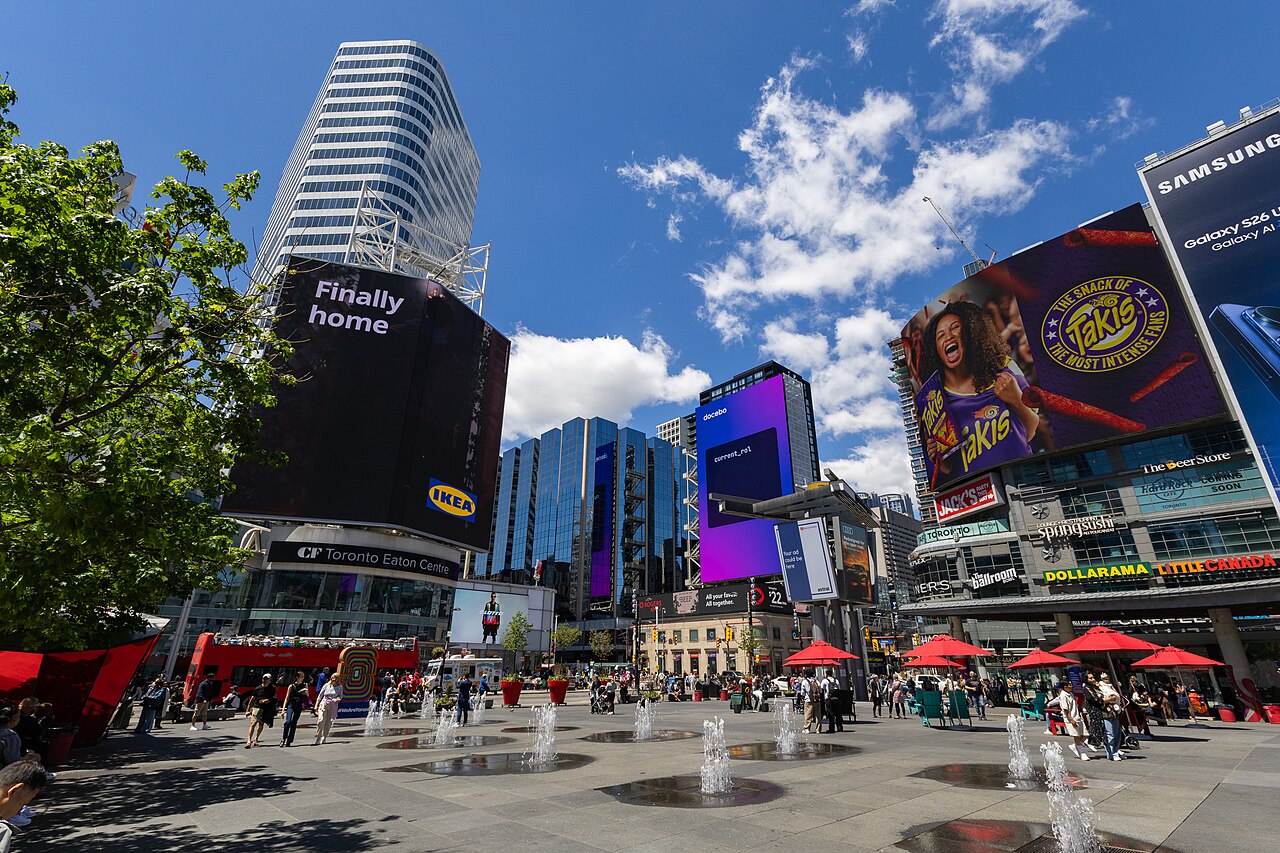
Sankofa Square is a central public plaza in Toronto’s entertainment district, at the prominent meeting point of Yonge Street and Dundas Street. Formerly known as Yonge-Dundas Square, it occupies a busy downtown setting surrounded by retail, restaurants, cinemas, offices, and entertainment venues. The square is designed for public assembly, performances, events, and everyday pedestrian movement rather than for a single permanent monument or enclosed attraction. Its character comes from the contrast between open paved space and the bright commercial skyline of digital billboards. For visitors, it is a useful place to experience Toronto’s downtown energy, pause between nearby destinations, or attend a programmed public event.
Checked 2026-08-26 · Source
The square consists mainly of open paved surfaces that can accommodate standing crowds, temporary stages, installations, and public gatherings. Large digital billboards and commercial signs define the surrounding visual environment, while nearby buildings provide shopping, cinemas, restaurants, and other entertainment. The central plaza does not center on permanent exhibition rooms, a museum collection, or a fixed monument. Its flexibility is the point: the layout can change with events and ordinary pedestrian use. Visitors should explore the square as part of the surrounding downtown block, looking outward toward the signs, buildings, and people as much as inward across the open space.
Checked 2026-08-26 · Source
A passerby can cross Sankofa Square in five to ten minutes, but a purposeful visit usually takes longer. Allow thirty minutes to watch downtown activity, compose photographs, and take in the billboards and surrounding architecture. Events, performances, and gatherings can hold attention for one to three hours depending on the programme. Because the square has no single interior route or collection to complete, timing is easy to adapt. Pair it with shopping, a cinema, a meal, or another entertainment-district stop for a longer downtown outing. Evening visits can be brief and atmospheric, while daytime visits provide a clearer view of the plaza’s layout and crowd movement.
Checked 2026-08-26 · Source
Sankofa Square is an open-air destination, so the best time depends on weather and the kind of city scene you want. Summer is comfortable for lingering outdoors and often suits public events, while winter visits may be shorter because of cold and snow. Evening brings the strongest billboard glow and a lively entertainment-district atmosphere. Daytime is better for studying the architecture, street movement, and changing plaza arrangements. If you are visiting for a performance or gathering, build the itinerary around that event’s published timing. Without a scheduled programme, the square works well as a flexible stop between nearby shops, restaurants, cinemas, and downtown walks.
Checked 2026-08-26 · Source
The open plaza is a public urban space, so walking through the square is distinct from attending a ticketed performance or event. Any organizer running a programmed activity may set separate entry arrangements, while shops, cinemas, restaurants, and entertainment venues in the surrounding buildings have their own prices. Plan the square itself as a free outdoor stop and treat an event as a separate part of the outing. This makes it easy to include Sankofa Square in a downtown walking route even when you have no advance booking. The surrounding commercial district supplies the paid experiences, food, and refreshments that can extend the visit.
Checked 2026-08-26 · Source
Sankofa Square stands at Yonge Street and Dundas Street in downtown Toronto. Dundas Station on the TTC Yonge-University subway line provides direct public-transport access, and surface bus routes serve the surrounding streets. The dense central location also makes walking practical from many downtown hotels, shopping areas, and attractions. Driving is less convenient because traffic and limited parking add friction in the core. Use the intersection as a navigation landmark, then follow pedestrian routes into the open plaza. Cycling can form part of a downtown journey, although the most direct visit is usually by subway and on foot.
Checked 2026-08-26 · Source
The square is exposed to sun, wind, rain, snow, and winter cold, with limited shelter in the central open area. Its location at a busy downtown intersection brings heavy pedestrian and vehicle movement, so cross streets carefully and keep an eye on children in crowded periods. Events can introduce queues, barriers, stages, and temporary routes that change how people move through the plaza. Bright digital billboards create intense light after dark and can feel visually overwhelming. Standard urban awareness is useful at night, particularly around busy intersections. Check the surface and crowd density as you enter, since the open paved space feels very different during a quiet period and a major gathering.
Checked 2026-08-26 · Source
Sankofa Square is a strong setting for urban photography, with digital billboards, commercial signs, modern buildings, open paving, and constantly changing crowd scenes. Evening offers vivid artificial light, while daytime reveals the relationship between Yonge Street, Dundas Street, and the plaza. The open layout allows several viewpoints, but crowded conditions make tripods and long setups awkward. Commercial signs will naturally dominate many backgrounds, which is part of the square’s visual identity. Be considerate when photographing individuals in close view, especially children and people attending private conversations. Event organizers may create their own conditions around stages or performances, so keep clear of barriers and active production areas.
Checked 2026-08-26 · Source
The square was formerly known as Yonge-Dundas Square before its reidentification as Sankofa Square.
It is at the intersection of Yonge Street and Dundas Street in downtown Toronto’s entertainment district.
Crossing the plaza takes about five to ten minutes, while watching the urban scene and taking photographs can fill around thirty minutes. Events may hold visitors for one to three hours.
Dundas Station on the TTC Yonge-University subway line serves the square, with surface bus routes on surrounding streets.
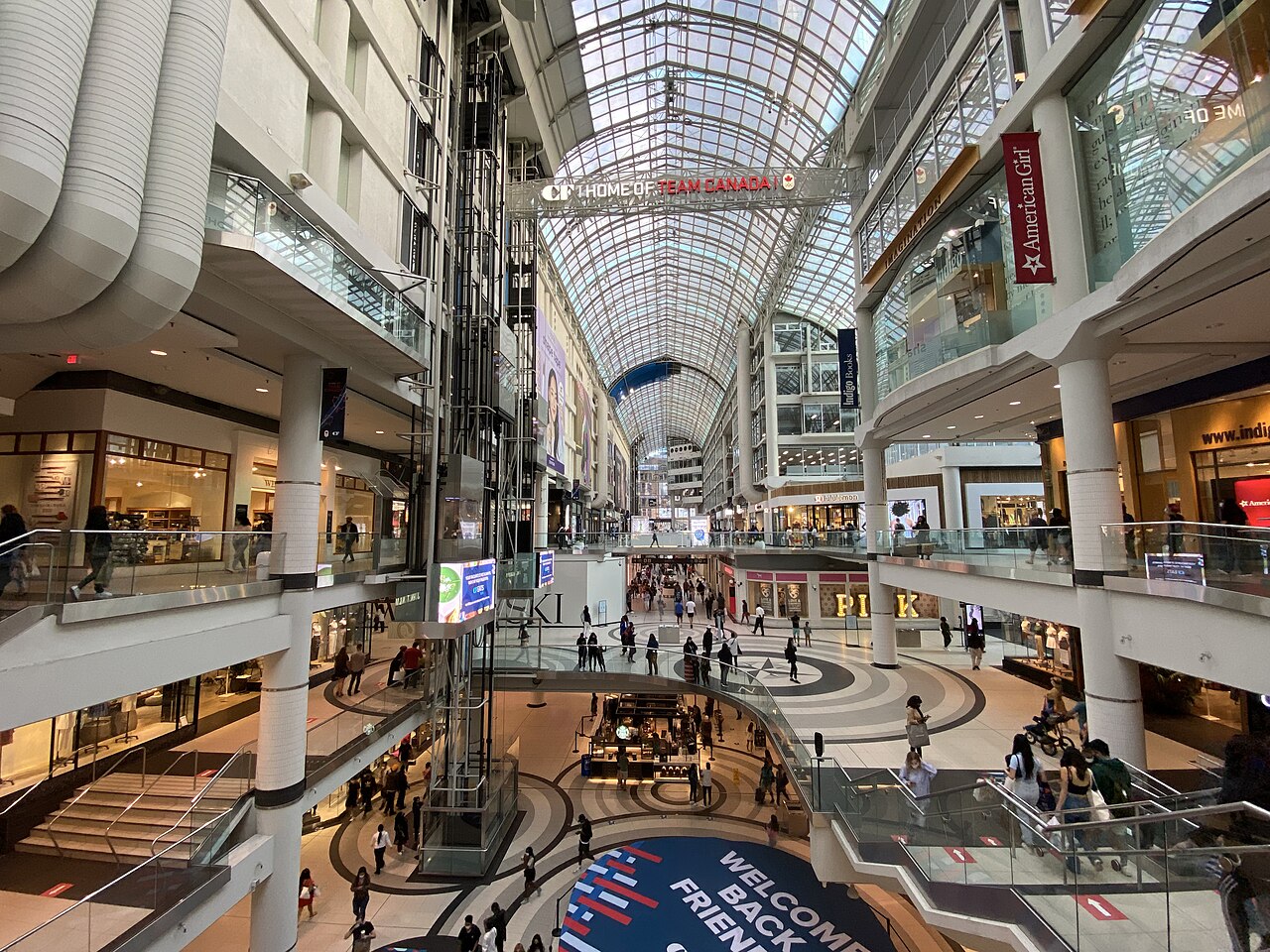
The surrounding downtown blocks contain shopping complexes, cinemas, restaurants, retail spaces, offices, and entertainment venues in Toronto’s central entertainment district.
The square offers digital billboards, commercial signage, downtown architecture, open paved space, and changing crowd scenes, with especially vivid artificial light after dark.
Loading the interactive map…
The interactive map could not be loaded.

Last updated:
Source: OpenStreetMap contributors, Wikidata ·