.jpg)
7 min walk
Stanley Park
- Must see · Heritage site
- Nature site
Language · 11 published
Family attraction · Vancouver
Reviewed by Elena Voss · Roavina Travel Editor
| Monday | 09:30 – 17:00 |
|---|---|
| Tuesday | 09:30 – 17:00 |
| Wednesday | 09:30 – 17:00 |
| Thursday | 09:30 – 17:00 |
| Friday | 09:30 – 17:00 |
| Saturday | 09:30 – 17:00 |
| Sunday | 09:30 – 17:00 |
Checked 2026-08-31 · Source
Read from the OpenStreetMap access tags; anything not listed has no tag recorded.
Set the group type to family in the planner and the day window contracts to about three quarters of a solo day.
It was established in 1956.
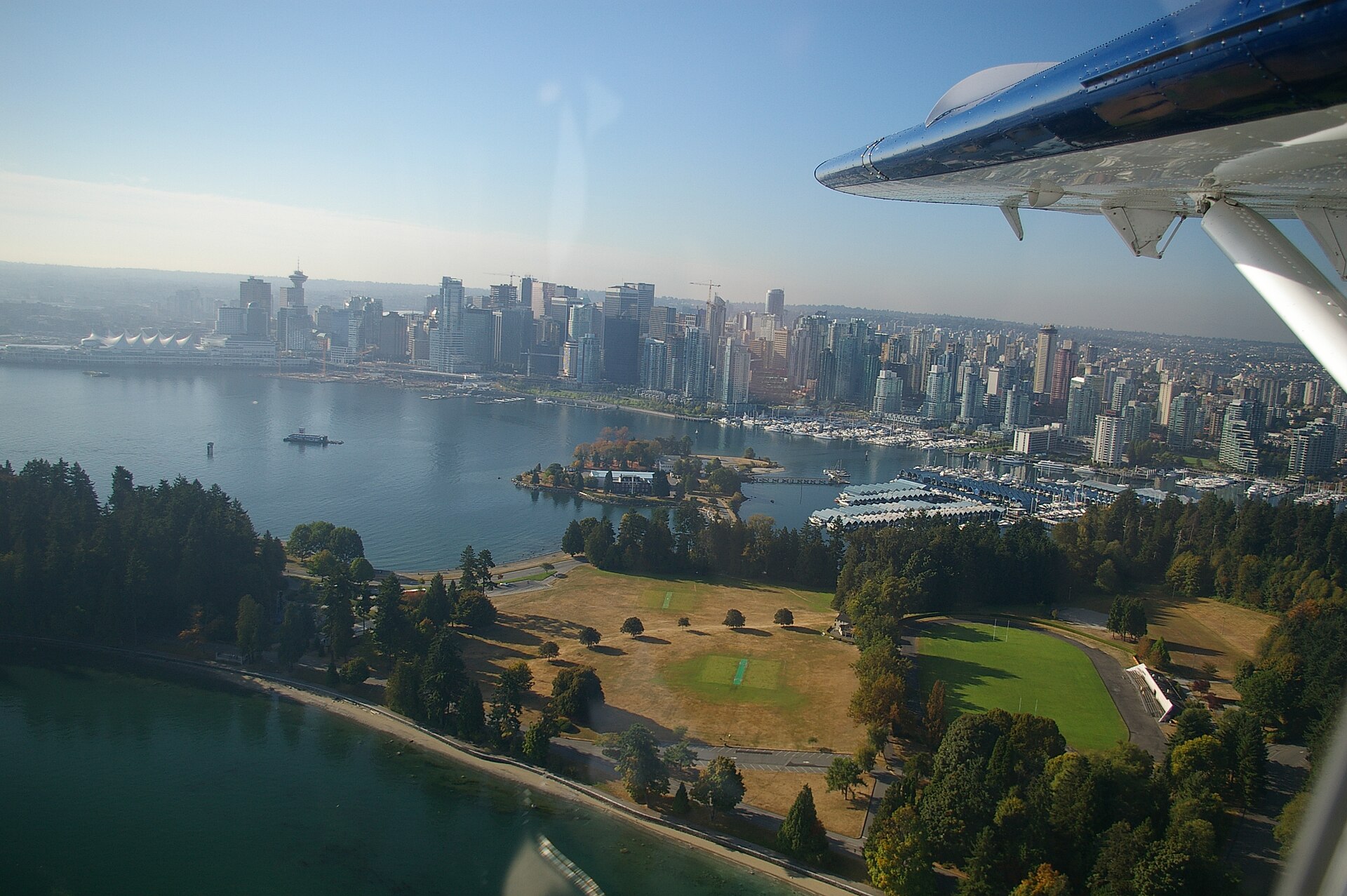
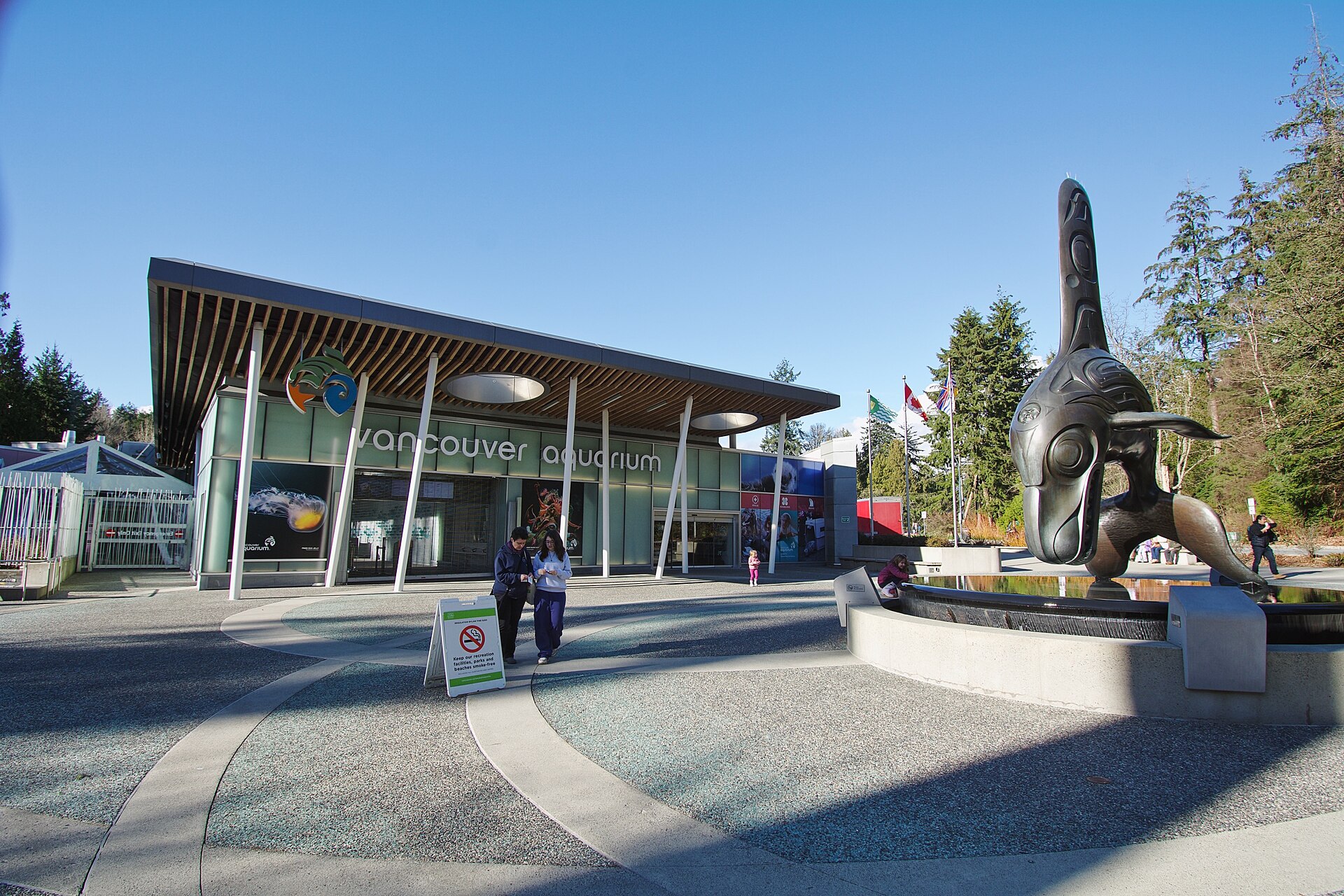
Vancouver Aquarium is a marine-science aquarium in Stanley Park with a distinct Pacific-coast focus. Its defining visit is built around observing living marine habitats while connecting those encounters to conservation work. That makes the aquarium different from the park’s trails, viewpoints, and seawall: the attraction offers an indoor, animal-focused sequence with interpretation rather than a general outdoor circuit. Plan the aquarium as the day’s anchor, then decide whether nearby park or waterfront sights fit the remaining time. This place-specific distinction helps protect the experience from becoming a hurried checklist of Stanley Park landmarks.
Checked 2026-09-02 · Source
Inside, centre the route on animal habitats, indoor galleries, conservation interpretation, and any scheduled presentations that fit your visit. Pacific marine life provides the clearest thread through the experience, so choose the habitats most important to your group before filling time with secondary spaces. Presentations may influence the order in which you move, while the indoor setting can be a useful counterpoint to Vancouver’s changing weather. Leave room for close observation: the value is not only in reaching each display, but in understanding how the aquarium links regional marine life with conservation. The sequence works particularly well when visitors alternate active viewing with quieter interpretation.
Checked 2026-09-02 · Source
Allow about 75 to 100 minutes for a focused aquarium visit. Add time if your group watches habitat windows carefully, reads interpretation, attends a presentation, moves slowly, needs rest breaks, or encounters queues. This estimate covers Vancouver Aquarium itself, not a full Stanley Park outing. Brockton Point, Coal Harbour, and the seawall can extend the day substantially, and the last connection through the park may take longer than a map glance suggests. Protect the principal Pacific-marine-life experience first, then add nearby stops only after allowing for walking and orientation. Families should also allow time to regroup between galleries rather than scheduling an immediate onward appointment.
Checked 2026-09-02 · Source
The operator calendar records opening from 09:30 to 17:00 on every day of the week for this checked snapshot. Morning entry gives more flexibility for presentations, a deliberate habitat route, and a later walk through Stanley Park; a late arrival leaves less margin for queues or slower movement. Weather matters less once inside, but it still affects the approach through the park and any continuation along the seawall. Earlier arrival is especially useful when the aquarium is the fixed starting point for a larger day.
Checked 2026-09-02 · Source
The operator ticket page records admission at CAD 41.95 per person for this checked snapshot. Treat that as the recorded base charge, while verifying the final total, visitor categories, taxes, reservations, concessions, refunds, and any separately priced programmes before purchase. Keep optional activities distinct from general admission when building the day. If your group includes children, seniors, members, or visitors with another eligibility category, use the aquarium’s own ticket information to identify the applicable rate rather than extending the single recorded amount to everyone. Ticket availability and entry conditions should be confirmed before relying on a particular arrival time.
Checked 2026-09-02 · Source
Approach Vancouver Aquarium through the Stanley Park entrance nearest the aquarium, then follow signs and on-site directions to the public entrance. A generic Stanley Park centre coordinate is too imprecise for the final leg because the park is large and this mapped feature identifies a particular destination within it. Walking, cycling, bus, rapid-transit, and ferry connections can simplify the broader Vancouver journey, but the last connection still needs realistic allowance for transfers, crossings, queues, elevation, weather, and finding the correct access point. Confirm the entrance or trailhead before departure, particularly if the visit is paired with a timed ticket or presentation.
Checked 2026-09-02 · Source
Build the day around the recorded 09:30–17:00 window and leave margin for busy family or tour-group periods, queues, presentations, and changing exhibit access. The operator’s accessibility information records step-free access and accessible toilets, but pushchair access is limited; confirm route details if stroller use is important for your group. Follow posted schedules, barriers, and staff directions, and keep alternatives for stairs, steep grades, long walking distances, or sensory fatigue. A realistic plan should protect both the indoor visit and the return route through the park.
Checked 2026-09-02 · Source
At Vancouver Aquarium, habitat windows and the contrast between close aquatic detail and the wider Pacific-coast conservation story make stronger subjects than a generic exterior photograph. Work from public viewing areas, keep circulation clear, and avoid holding a popular window when other visitors are waiting. Glass can create reflections, so steady the camera without leaning on barriers and expect changing light. A compact sequence works well: one contextual frame, several habitat details, and one image that conveys the conservation thread. Follow posted photography rules and staff instructions, since no unrestricted interior permission is recorded here. Photographing patiently also leaves space for visitors who are observing rather than taking pictures.
Checked 2026-09-02 · Source
Focus on Pacific marine-life habitats, indoor galleries, and conservation interpretation. Begin with the exhibits most important to your group, then add a scheduled presentation if its timing fits. The aquarium should remain the anchor because its animal-focused, marine-science experience is distinct from simply walking through Stanley Park.
Allow about 75 to 100 minutes for a focused visit. Add time for habitat viewing, interpretation, queues, photographs, accessibility needs, or presentations. Budget Stanley Park walks and connections to Brockton Point, Coal Harbour, or the seawall separately because the surrounding park can extend the outing well beyond the aquarium itself.
The supplied operator calendar records 09:30 to 17:00 every day, Monday through Sunday, for the checked snapshot. Confirm the calendar immediately before visiting because seasonal hours, closure dates, timed programmes, and temporary changes can alter the practical window.
The supplied operator ticket page records CAD 41.95 per person for this checked snapshot. Verify the final amount, visitor category, taxes, reservation rules, concessions, refunds, and any separately charged programmes directly on the aquarium’s ticket page before purchase.
The operator’s accessibility information records step-free access and accessible toilets. It also records limited pushchair access, so families should confirm the route and any gallery-specific restrictions before arrival if stroller use is essential. Staff directions and posted access information remain important on the day.
Combine it with one or two nearby candidates—Stanley Park, Brockton Point, Coal Harbour, or the seawall—according to geography and available time. Keep the aquarium as the anchor, and budget separately for walking, weather, transfers, queues, and the distance across the park before treating them as one continuous visit.
Loading the interactive map…
The interactive map could not be loaded.

Last updated:
Source: OpenStreetMap contributors, Wikidata ·