
1 min walk
Barrio Lastarria
- Must see
- Historic monument
Language · 11 published
Art and culture venue · Santiago
Reviewed by Elena Voss · Roavina Travel Editor
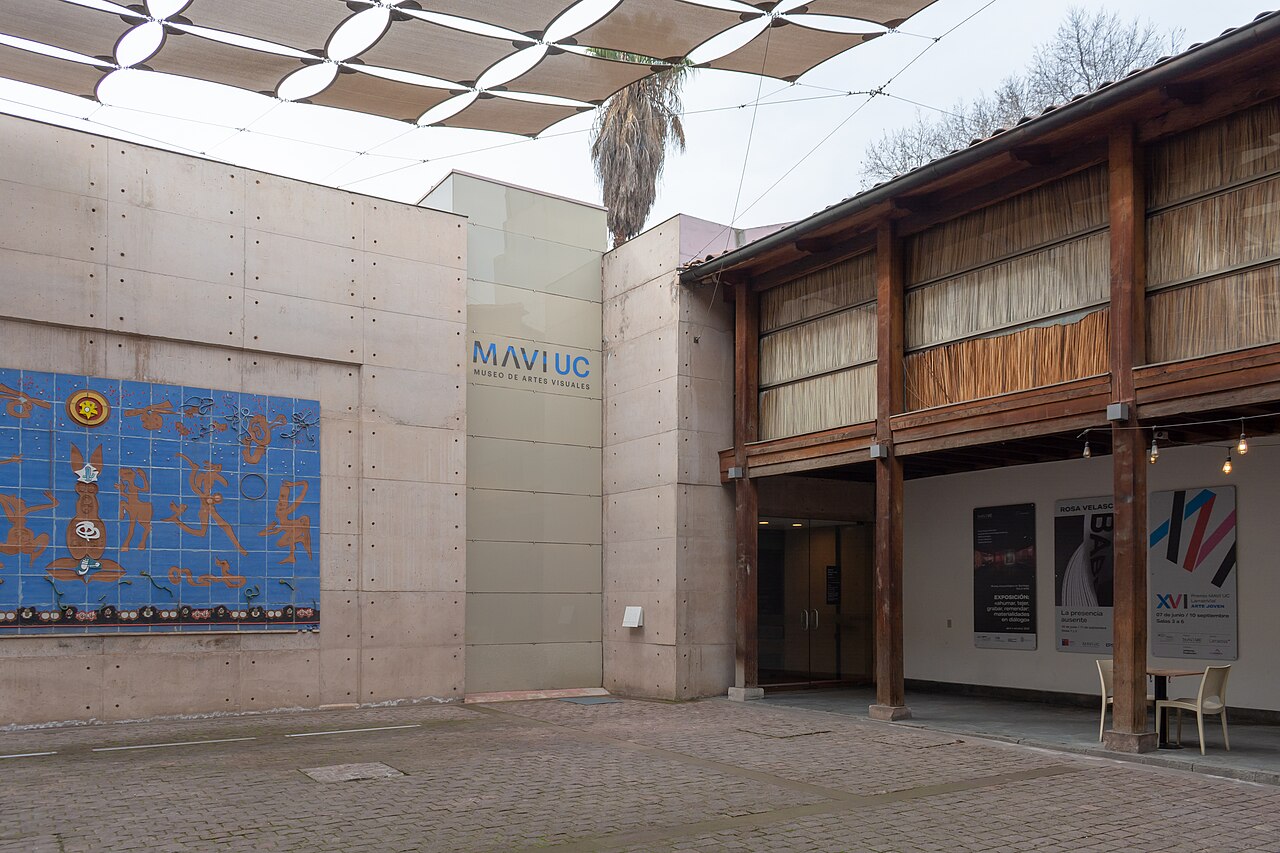
This place is a Art gallery. It opened in 2001.
The Museum of Visual Arts, known as Museo de Artes Visuales, is a focused contemporary art museum in Santiago’s Lastarria neighbourhood. Its emphasis is Chilean visual art, giving the visit a national and present-day perspective rather than the broad scope of an encyclopaedic museum. Because it sits within a lively cultural district, the museum works naturally as one stop in a day of galleries, cafés, and urban exploration. The Museum of Visual Arts, known locally as Museo de Artes Visuales, is a contemporary Chilean art museum situated in the Lastarria neighbourhood of Santiago. It occupies a position within one of the city's most recognised cultural circuits. The institution concentrates specifically on visual arts from Chile, distinguishing itself from broader national collections. Its location in Lastarria places it among galleries, cafés, and other cultural venues that collectively form a significant destination for visitors seeking artistic experiences in the Chilean capital. The museum represents a focused alternative to larger institutions. The museum focuses on contemporary Chilean art, which may or may not engage younger visitors depending on current exhibitions. Parental discretion is advisable given potential for challenging content.
Checked 2026-08-26 · Source
The museum presents contemporary Chilean artistic production through curated exhibitions. Visitors come for a closer look at the country’s current visual-art scene, with displays that may use different media and approaches. The collection is more specialized than a survey covering every period and geography, so the experience is strongest for travelers interested in Chilean artists and contemporary practice. Exhibition content changes with the curatorial programme, keeping repeat visits distinct. The museum's collections and exhibitions centre on contemporary Chilean art, presenting works by national artists rather than international or historical surveys. Visitors encounter curated displays that reflect current practices and developments within the country's visual arts scene. The specific contents of permanent holdings and temporary exhibitions vary according to curatorial schedules. The museum's specialised scope offers depth in national contemporary work rather than breadth across periods or geographies, serving those with particular interest in Chile's present-day creative output.
Checked 2026-08-26 · Source
Set aside roughly one to two hours for the museum, depending on how closely you study the works and accompanying texts. Its focused scope leaves room to combine the visit with other Lastarria attractions in the same day. Art enthusiasts may stay longer with a temporary exhibition, while travelers following a compact cultural route can make the museum a concentrated stop between nearby walks, meals, or additional galleries.
Checked 2026-08-26 · Source
The museum is best paired with time in Lastarria, a cultural neighbourhood where a gallery visit can lead into a wider walk. Santiago’s summer is warm and dry, while winter is cooler and wetter, so the museum provides a useful indoor pause during a district itinerary. Allow flexibility around the current exhibition programme, since the character of the visit depends on what is being shown when you arrive.
Checked 2026-08-26 · Source
The museum’s specialized Chilean-art programme makes it a worthwhile choice for travelers who prefer a smaller, concentrated institution to a large general collection. Build the day around the museum and nearby Lastarria venues, keeping the timing adaptable to the exhibition experience rather than planning it as a rapid photo stop.
Checked 2026-08-26 · Source
The Museum of Visual Arts is in Lastarria, central Santiago’s established cultural circuit. The neighbourhood is served by the city’s metro and bus networks, and its pedestrian-friendly streets make the final part of a public-transport journey suitable for walking. Visitors staying in central Santiago may also reach the district on foot. Its surrounding concentration of cafés, restaurants, and cultural venues makes arrival worthwhile even when the museum is only one part of the plan.
Checked 2026-08-26 · Source
This is a specialized contemporary-art museum, so travelers seeking a large historical survey or international collection should choose their expectations accordingly. Temporary exhibitions can introduce unfamiliar or challenging themes, and parents may wish to consider whether the current programme suits younger visitors. Lastarria is an urban district, so keep normal awareness of belongings while walking between venues. Spanish may be prominent in interpretation, which can affect how fully international visitors engage with the displays.
Checked 2026-08-26 · Source
Treat photography as part of the gallery etiquette rather than the main purpose of the visit. Contemporary exhibitions may contain works with different reproduction conditions, and flash is disruptive in a contemplative gallery. Keep phones and cameras from blocking other visitors, especially in compact rooms. A respectful visit means giving each work space, keeping voices low, and photographing only where the exhibition environment permits it.
Checked 2026-08-26 · Source
The museum focuses on contemporary Chilean visual art, presenting curated displays that reflect the country’s current artistic production.
It is located in Santiago’s Lastarria neighbourhood, a central cultural district with galleries, cafés, restaurants, and walkable streets.
Most visitors can plan roughly one to two hours, with additional time useful for detailed viewing or a larger temporary exhibition.
Yes. Its Lastarria location makes it easy to combine with nearby galleries, cafés, restaurants, and a broader walk through the cultural district.
Suitability depends on the current contemporary-art programme. Families should remember that temporary exhibitions may address unfamiliar or challenging themes.
Expect a focused alternative to a large encyclopaedic museum: the emphasis is depth in contemporary Chilean art rather than broad coverage of periods and countries.
Loading the interactive map…
The interactive map could not be loaded.
Last updated:
Source: OpenStreetMap contributors, Wikidata ·