.jpg)
3 min walk
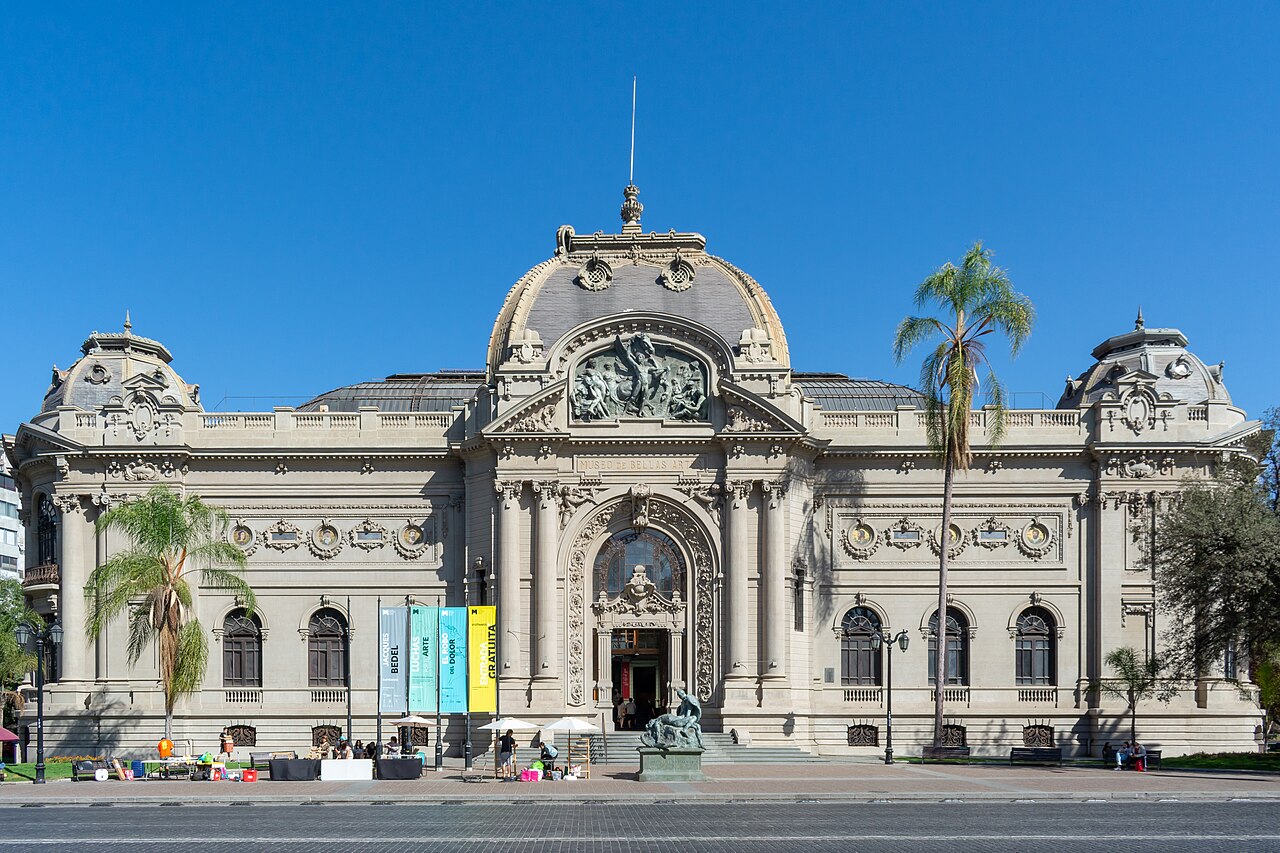
Chilean National Museum of Fine Arts
- Must see
- Museum
Language · 11 published
Nature site · Santiago
Parque Forestal
Reviewed by Elena Voss · Roavina Travel Editor
| Monday | 00:00 – 23:59 |
|---|---|
| Tuesday | 00:00 – 23:59 |
| Wednesday | 00:00 – 23:59 |
| Thursday | 00:00 – 23:59 |
| Friday | 00:00 – 23:59 |
| Saturday | 00:00 – 23:59 |
| Sunday | 00:00 – 23:59 |
Checked 2026-08-31 · Source
Read from the OpenStreetMap access tags; anything not listed has no tag recorded.
Set the group type to family in the planner and the day window contracts to about three quarters of a solo day.
This place is a Park. It was established in 1905. It carries the Typical Zone (Chile) heritage designation.
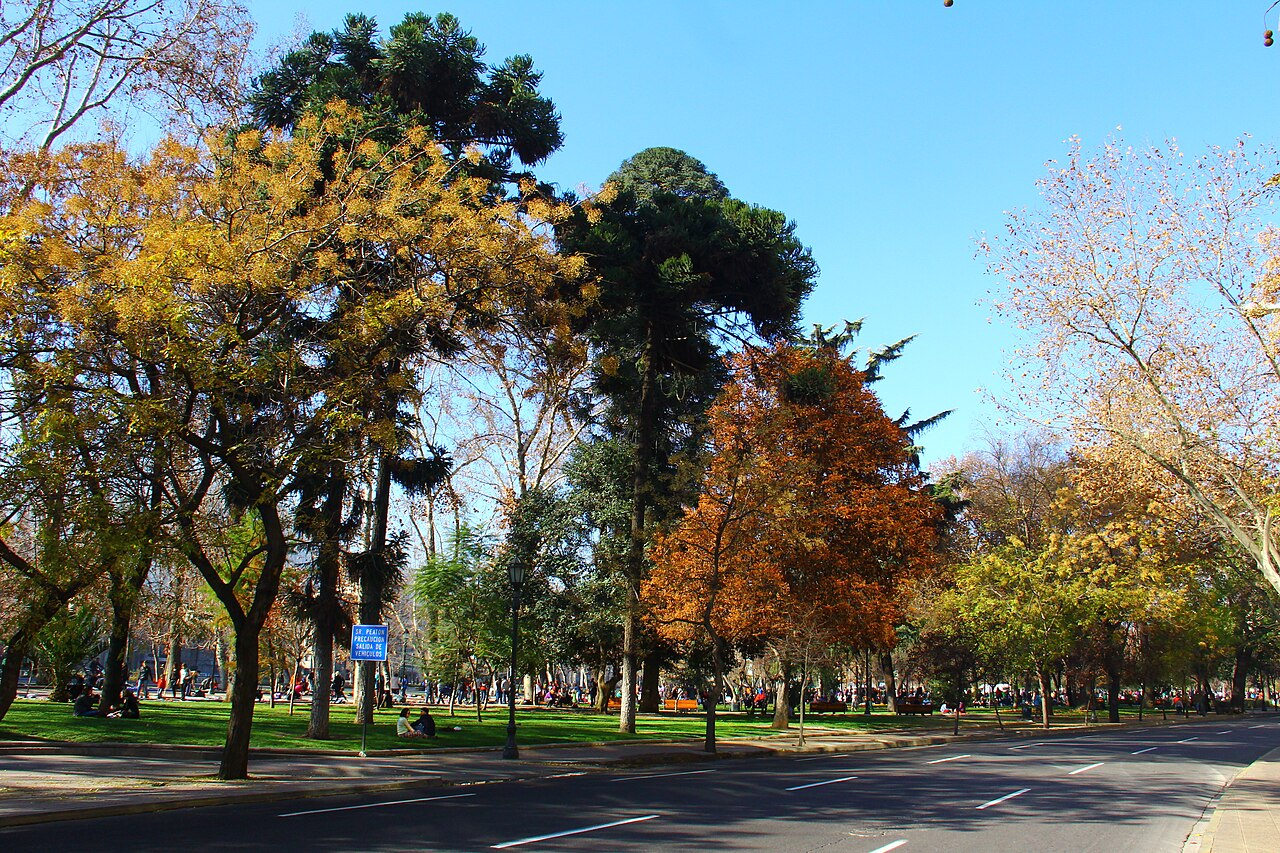
Forestal Park, or Parque Forestal, is a linear public park beside the Mapocho River in central Santiago. Its green corridor links the Bellas Artes and Lastarria areas with the historic centre, making it useful both as a destination and as a walking route between cultural stops. The park’s early twentieth-century layout combines river views, mature planting, open lawns, paths, and public space. It is an urban park experienced outdoors, with museums and cafés close to its central sections. Parque Forestal is a linear urban park in central Santiago, Chile. It runs alongside the Mapocho River, forming a green corridor through the city centre. The park connects several significant cultural and historic neighbourhoods, including Bellas Artes, Lastarria, and the historic centre. It is an unenclosed public park with continuous access.
Checked 2026-08-31 · Source
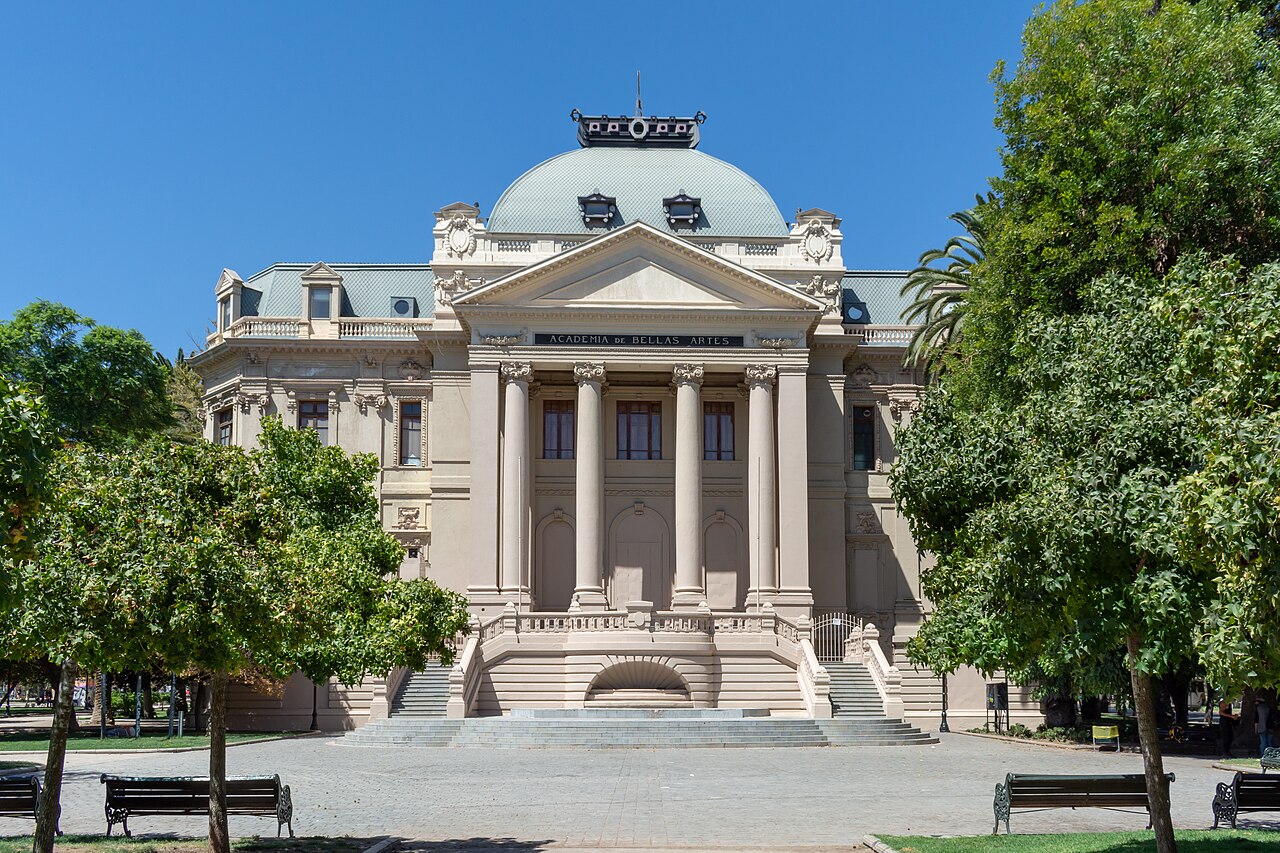
Expect tree-lined pedestrian paths, grassy areas, benches, and a long riverside corridor rather than a single enclosed landmark. The Museo Nacional de Bellas Artes and the Museo de Arte Contemporáneo anchor the cultural landscape around the park’s central section. The linear design follows the Mapocho, so the views and atmosphere change as you walk. Principal paths support circulation, but some sections use compacted earth and other variable outdoor surfaces. The park works well as a transition between museums, neighbourhood streets, and river scenery.
Checked 2026-08-31 · Source
A short walk through the central park section can take thirty minutes to an hour. Allow half a day if you combine Forestal Park with the nearby Bellas Artes and Contemporary Art museums, Lastarria streets, and the historic centre. Because the park follows the Mapocho, a longer stroll covers more of its river edge and changing architecture. The best pace is unhurried: use the paths as a scenic connection, pause on the lawns or benches, and decide whether to continue toward another neighbourhood or cultural venue.
Checked 2026-08-31 · Source
The open park is accessible daily from 00:00 to 23:59. Museums, cafés, events, and other activities around it follow their own schedules, so a park walk can remain flexible even when an adjacent venue is closed. Santiago’s summers are warm and dry, while winters are cooler and wetter. Spring and autumn are comfortable seasons for extended walking. In summer, morning or late afternoon is more pleasant than the hottest part of the day. Winter rain can make the outdoor paths and lawns less inviting.
Checked 2026-08-31 · Source
Forestal Park is free to enter as a public urban park. You can walk through its paths, use its open areas, and enjoy the Mapocho-side setting without a park admission ticket. The museums and commercial venues beside the park are separate destinations with their own entry arrangements. If you are planning a cultural day, treat the park as the free outdoor link between those venues rather than as part of a museum ticket. Organised activities and special uses may operate under separate conditions from ordinary walking access.
Checked 2026-08-31 · Source
Use Metro Line 5 to Bellas Artes for the named public-transport approach. The station’s access lift is at Monjitas and Mosqueto, beside the central park section. From there, the park opens into a network of paths connecting Bellas Artes, Lastarria, and the historic centre. The central location also brings buses and multiple pedestrian approaches. Begin near the museums for a culture-focused visit, or use the park as a riverside route toward another part of central Santiago. Allow for walking on changing outdoor surfaces.
Checked 2026-08-31 · Source
Forestal Park is long and partly exposed, so comfortable footwear, water, and protection from sun or rain help on an extended walk. Formal paths support circulation, but compacted earth and variable surfaces occur away from the principal routes. The Mapocho River forms one edge, so stay on the park paths and take care near any uneven riverside areas. As in other central urban parks, keep belongings secure and remain aware of people around you. At night, conditions may feel different from daytime; use well-travelled routes and local guidance.
Checked 2026-08-31 · Source
Forestal Park gives photographers several layers to work with: tree-lined paths, the Mapocho River, bridges and riverside views, and the architecture of Bellas Artes and Lastarria. The linear layout creates strong perspective lines, while the central museums provide recognisable urban context. Morning and late afternoon light can shape the trees and façades differently from the brighter middle of the day. A walking lens suits the changing scenes. Keep people’s privacy in mind, and place tripods where they do not obstruct the public paths.
Checked 2026-08-31 · Source
The unenclosed public park is accessible daily from 00:00 to 23:59.
Yes. Forestal Park is a free public urban park; neighbouring museums have separate admission.
Bellas Artes on Metro Line 5 serves the central park section.
Yes. Bellas Artes has an access lift at Monjitas and Mosqueto, beside the central park section.
Yes. A recreational cycleway follows the Mapocho edge through the park.
The National Fine Arts Museum and the Museum of Contemporary Art anchor its central section.
Loading the interactive map…
The interactive map could not be loaded.
Last updated:
Source: OpenStreetMap contributors, Wikidata ·