
7 min walk
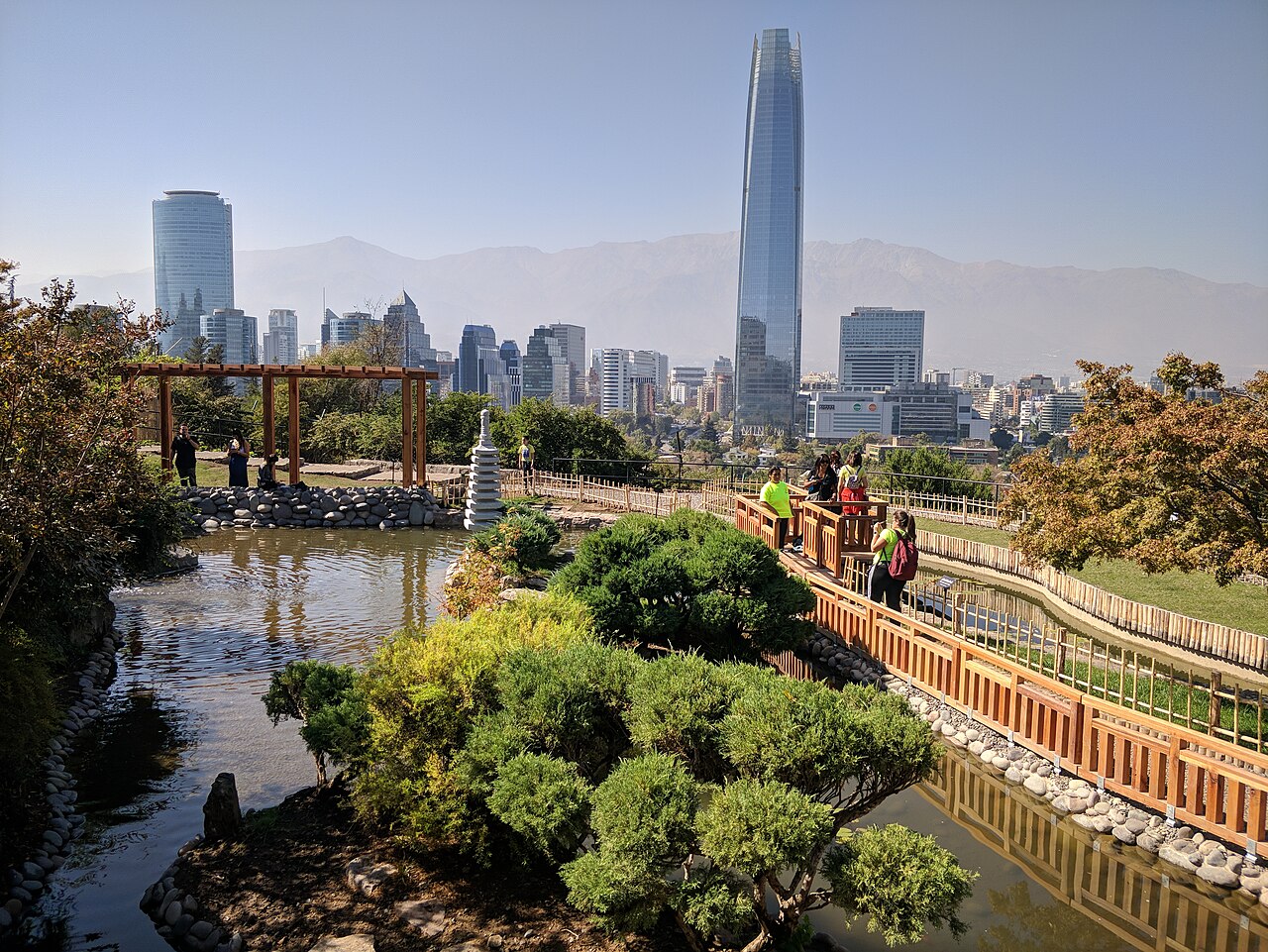
Jardín Japonés de Santiago
- Must see
- Nature site
Language · 11 published
Nature site · Santiago
Closed today, Sunday. Next open Monday at 09:00 — the planner will not place a stop here on a Sunday.
Plan around itReviewed by Elena Voss · Roavina Travel Editor
| Monday | 09:00 – 18:00 |
|---|---|
| Tuesday | 09:00 – 18:00 |
| Wednesday | 09:00 – 18:00 |
| Thursday | 09:00 – 18:00 |
| Friday | 09:00 – 18:00 |
| Saturday | Closed |
| Sunday | Closed |
Parsed from OpenStreetMap opening hours on 2026-09-09.
This place is a Garden. It was established in 1983.
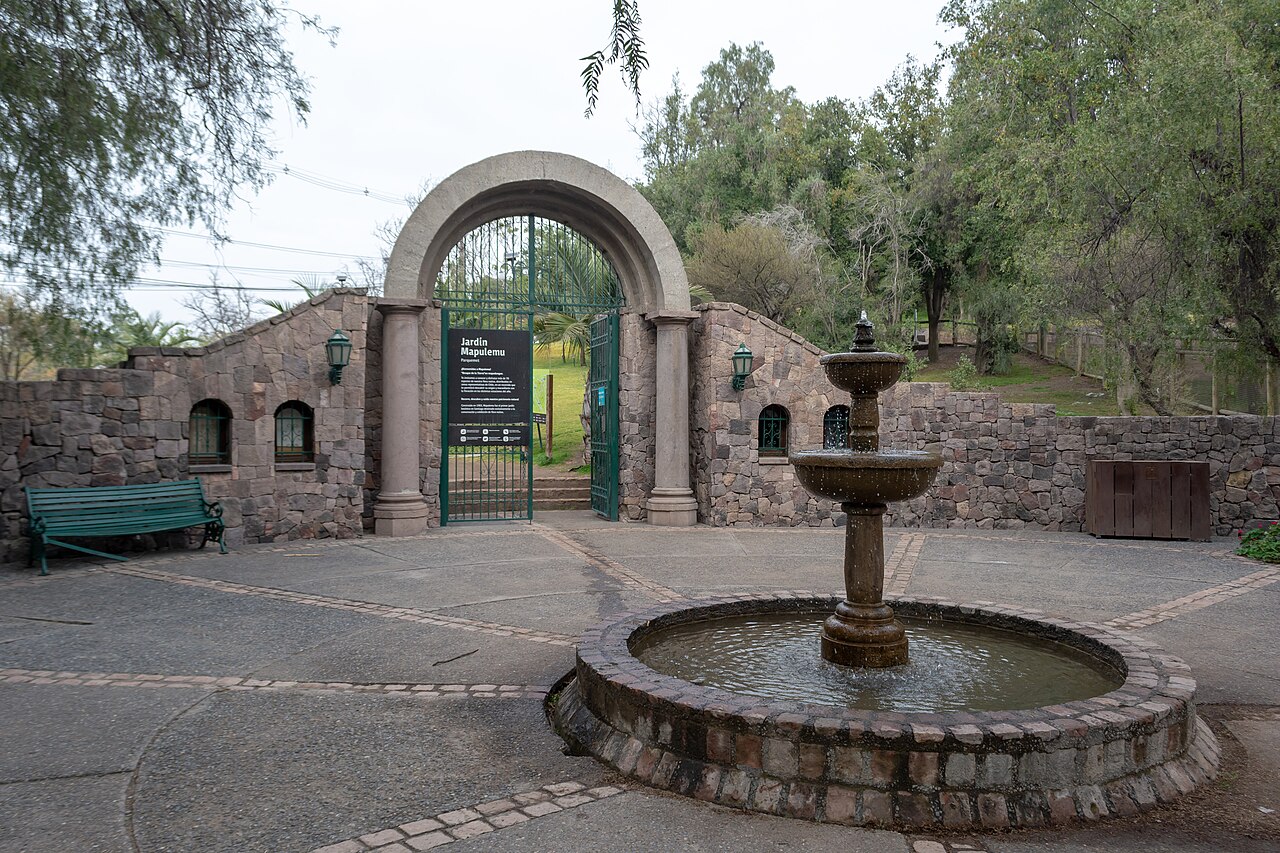
Mapulemu Botanical Garden, known locally as Jardín Botánico Mapulemu, is a botanical garden within Santiago’s Metropolitan Park on Cerro San Cristóbal. Its focus is native Chilean flora and regional ecosystems, giving visitors an introduction to the country’s plant heritage inside a major urban green space. The garden suits travellers who want a quieter, nature-based stop after seeing the hill’s viewpoints and summit monuments. Mapulemu Botanical Garden, locally known as Jardín Botánico Mapulemu, is a dedicated botanical garden situated within the broader Metropolitan Park system on Cerro San Cristóbal in Santiago, Chile. The garden specializes in native Chilean flora and regional ecosystems, serving as a conservation and educational space. Its name derives from Mapudungun, the language of the Mapuche people, reflecting its focus on indigenous plant heritage. The garden forms part of one of Santiago's most significant urban green spaces. The garden focuses on native Chilean plants and regional ecosystems, with an emphasis on botanical conservation and education.
Checked 2026-08-26 · Source
The garden presents native Chilean plants and plant communities associated with the country’s varied landscapes. Its collections connect botanical interest with conservation and education, while the surrounding Metropolitan Park adds the atmosphere of a large hillside green space. Expect the visit to centre on planted areas, regional vegetation, and close observation rather than monumental architecture. The Mapudungun name reinforces the garden’s connection with Chile’s indigenous cultural and natural heritage. The garden showcases native Chilean plants and regional ecosystems representative of the country's diverse botanical heritage. Visitors encounter collections emphasizing indigenous species adapted to central Chile's Mediterranean climate and beyond. The Metropolitan Park context suggests integration with larger recreational and natural areas on Cerro San Cristóbal. The garden's educational mission implies organized plantings, though exact configurations remain unverified without direct visitation or official documentation from park operators.
Checked 2026-08-26 · Source
A short visit can take thirty to sixty minutes, enough for a relaxed walk and a look at representative native plantings. Botanical enthusiasts may prefer ninety minutes or longer to examine species and landscapes at a slower pace. Add time for reaching the garden within Cerro San Cristóbal and for combining it with nearby park attractions. The garden works well as one part of a half-day outing rather than an isolated city-centre stop.
Checked 2026-08-26 · Source
Spring is especially appealing for visitors interested in flowering plants, while autumn brings a different seasonal character to the garden. Summer can be hot on exposed parts of Cerro San Cristóbal, making earlier visits more comfortable. Winter is cooler and can be wet, so outdoor walking may feel less pleasant. Choose a day when you can enjoy the garden slowly, then continue to the hill’s viewpoints and other green spaces.
Checked 2026-08-26 · Source
Mapulemu Botanical Garden forms part of the wider Metropolitan Park landscape, while access to Cerro San Cristóbal can involve different arrangements depending on whether you walk, use the funicular, or take the teleférico. Treat the garden and hill transport as separate elements when planning your day. Visitors who walk avoid mechanical ascent costs but need more time and energy for the slopes. The garden’s principal appeal is its native plant collection within the park.
Checked 2026-08-26 · Source
The garden is on Cerro San Cristóbal inside Metropolitan Park. Reach the hill through Santiago’s public transport network, including metro and buses serving the surrounding districts, then continue uphill by walking, cycling, funicular, or teleférico. Once inside the park, the garden is part of the hill’s network of paths and attractions. Comfortable footwear is useful because the route through the park involves outdoor walking and may include slopes.
Checked 2026-08-26 · Source
Cerro San Cristóbal’s slopes make footwear and steady pacing important. Santiago’s strong sun can feel intense during outdoor visits, even when temperatures seem mild, so bring sun protection and water. Some paths may be uneven, and shade is not uniform across the hill. Keep to the garden’s planted areas and protect the specimens that make the visit worthwhile. The wider park setting also calls for ordinary care with bags and valuables.
Checked 2026-08-26 · Source
Native Chilean plants provide the garden’s most distinctive photographic subjects. Use close framing for leaves, flowers, bark, and textures, then step back for wider views of planted areas within the hillside park. Morning and late afternoon light can add detail and depth, especially where foliage creates patterns of shade. Include Santiago or the mountain horizon when the surroundings open up. Stay on paths and avoid touching or disturbing living specimens while composing images.
Checked 2026-08-26 · Source
The garden focuses on native Chilean plants and regional ecosystems, with an emphasis on botanical conservation and education.
It is located within Santiago’s Metropolitan Park on Cerro San Cristóbal.
Yes. The garden is inside Metropolitan Park, so it can be combined with the hill’s viewpoints, summit monuments, and other outdoor attractions.
They are distinct gardens within the broader Cerro San Cristóbal and Metropolitan Park area. Mapulemu focuses on native Chilean flora.
Allow thirty to sixty minutes for a casual visit, or ninety minutes or longer for slower botanical observation.
Comfortable footwear, water, and sun protection are useful because the garden sits on the slopes of Cerro San Cristóbal.
Loading the interactive map…
The interactive map could not be loaded.


Last updated:
Source: OpenStreetMap contributors, Wikidata ·