
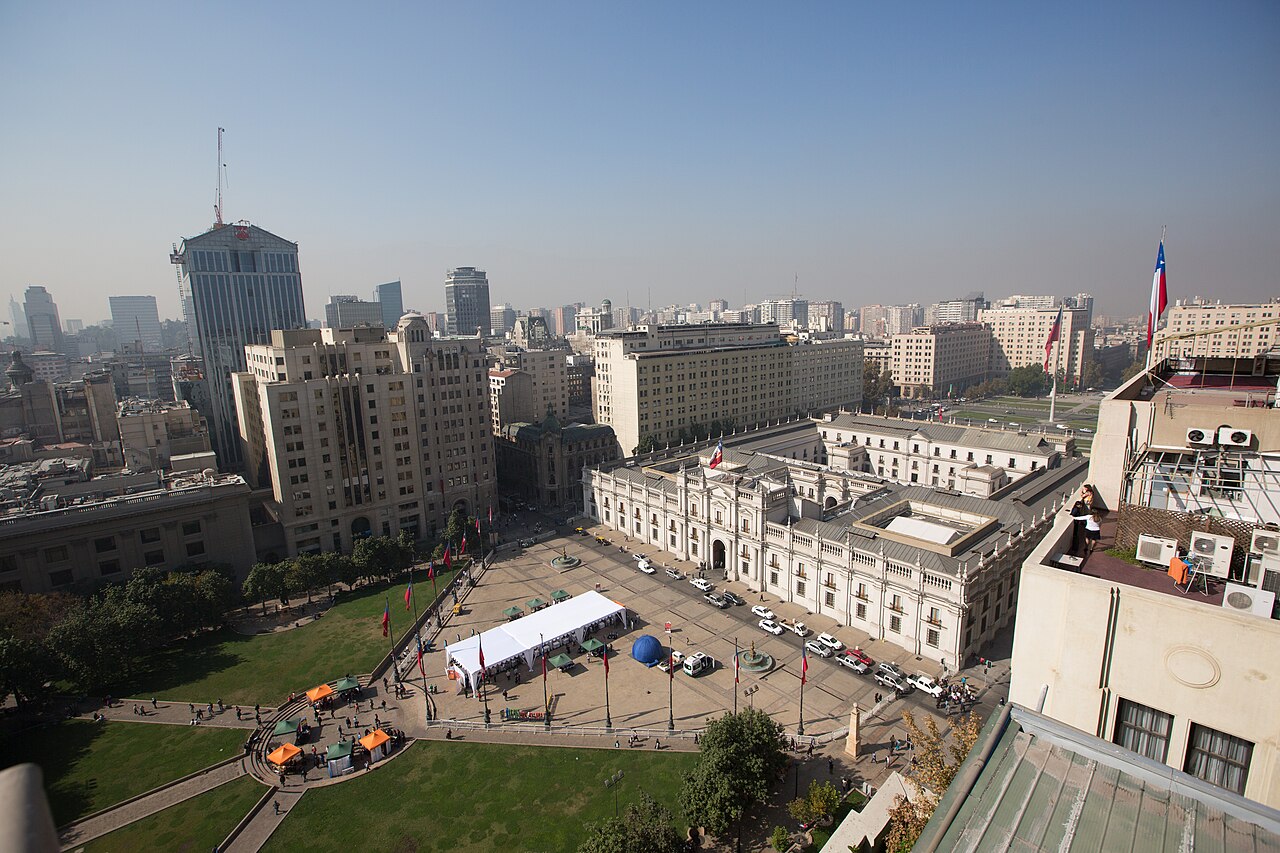
6 min walk
Plaza de la Constitución
- Must see
- Nature site
Language · 11 published
Historic monument · Santiago
Reviewed by Elena Voss · Roavina Travel Editor
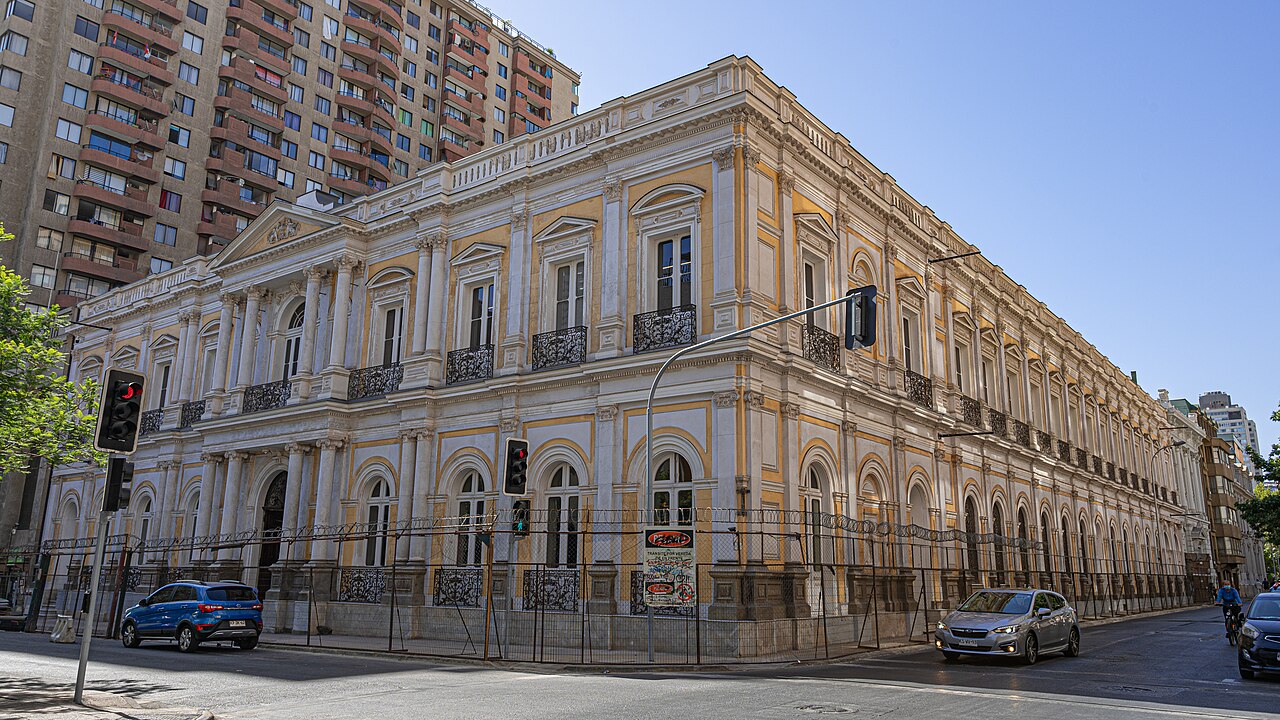
It carries the Historical Monument of Chile heritage designation.
Pereira Palace, or Palacio Pereira, is a restored mansion dating from 1874 in Santiago's historic centre. It functions as a national heritage centre and represents nineteenth-century elite residential architecture in Chile's capital. The property belongs on a heritage-focused city walk because it combines a preserved historic structure with a cultural role. Its location makes it easy to connect with other central Santiago landmarks and historic streets. Palacio Pereira is a restored mansion dating from 1874, now serving as a national heritage centre. It stands as a significant architectural landmark on Santiago's historic-centre visitor route, recognized for its cultural and historical importance to Chile. The building represents nineteenth-century elite residential architecture in the capital and has been preserved as part of the nation's patrimonial heritage. Its inclusion on the official visitor circuit indicates its established status among Santiago's notable attractions. Visitors should verify current admission policies directly with the heritage centre.
Checked 2026-08-26 · Source
Inside the restored mansion, travellers encounter a heritage-centre setting shaped by the building's preservation and cultural purpose. Pay attention to the architectural details associated with an affluent Santiago residence from the 1870s, including the sense of scale and formal design. The palace is best understood as a place where historic architecture and national heritage interpretation meet, rather than as a private house preserved in an unchanged domestic arrangement. The palace functions as a heritage centre, suggesting interior spaces dedicated to exhibitions, cultural displays, or interpretive materials about Chilean national heritage. As a restored mansion, visitors may encounter period architectural features including decorative elements typical of affluent Santiago residences from the 1870s. Visitors should anticipate a cultural institution rather than a furnished historic house museum. The national heritage designation implies educational or preservation-oriented programming.
Checked 2026-08-26 · Source
Set aside about forty-five minutes to ninety minutes for Pereira Palace. Around an hour suits most visitors who want to appreciate the restored structure and its heritage-centre character. Architecture enthusiasts can linger over decorative features, while travellers following a broader historic-centre route can make a shorter stop. Its central position also makes it practical to combine with other cultural attractions during the same outing. A typical visit to a heritage centre of this scale would reasonably require between forty-five minutes and ninety minutes, depending on individual interest in architectural details and any temporary exhibitions. Visitors with strong enthusiasm for nineteenth-century architecture or Chilean cultural history might extend their stay.
Checked 2026-08-26 · Source
A morning visit gives you a measured start for exploring the mansion before continuing through Santiago's historic centre. The attraction is primarily indoors, making it a useful cultural stop when outdoor conditions are less comfortable. Summer in Santiago is generally warm and dry, while winter is cooler and wetter. Leave enough room in your itinerary to enjoy both the palace and the surrounding heritage streets without rushing.
Checked 2026-08-26 · Source
Plan Pereira Palace as a heritage and architecture stop within central Santiago. The experience centres on the restored mansion and its cultural significance, so the building itself is the main reason to visit. A flexible itinerary works well: after seeing the palace, continue on foot toward nearby historic attractions, plazas, and museums. Allow time for the architectural details rather than treating the visit as a quick photo stop.
Checked 2026-08-26 · Source
Pereira Palace is in Santiago's historic centre, a district served by Metro, buses, taxis, and walking routes between major attractions. It works particularly well as one stop in a pedestrian heritage itinerary. Start from another central landmark and continue through the surrounding streets, or use public transport to reach the central district before walking. The palace's setting supports a day built around several nearby cultural sites.
Checked 2026-08-26 · Source
Pereira Palace is a restored historic building, so move carefully around older architectural surfaces, stairs, and protected areas. Follow staff directions and any signs concerning circulation, photography, or exhibits. In the busy historic centre, keep personal belongings secure and watch the pavement while walking between sights. The best visit is attentive and unhurried, giving the building's nineteenth-century character space to register.
Checked 2026-08-26 · Source
The restored mansion offers strong exterior subjects, especially when photographed from a position that shows its proportions and historic setting. Inside, photograph only where signs and staff permit, and avoid flash around heritage interiors or displays. Details such as doorways, ornament, textures, and views across the palace can tell a richer story than a single facade image. Keep other visitors comfortable while composing shots in the cultural spaces.
Checked 2026-08-26 · Source
It is a restored 1874 mansion in Santiago's historic centre that now serves as a national heritage centre.
The palace represents nineteenth-century elite residential architecture in Santiago, with origins dating to 1874.
It suits travellers interested in restored historic buildings, Chilean heritage, architecture, and cultural sightseeing in central Santiago.
An allowance of forty-five to ninety minutes gives time to appreciate the mansion and its heritage-centre setting.
Pereira Palace stands in Santiago's historic centre, among the central streets and cultural landmarks of the capital.
The restored mansion's exterior, architectural proportions, decorative details, and relationship with the surrounding historic centre are strong subjects.
Loading the interactive map…
The interactive map could not be loaded.

Last updated:
Source: OpenStreetMap contributors, Wikidata ·