.jpg)
.jpg)
.jpg)


2 min walk
Palacio de La Moneda
- Must see · Heritage site
- Historic monument
Language · 11 published
Nature site · Santiago
Reviewed by Elena Voss · Roavina Travel Editor
This place is a Park. It was built in the postmodern architecture style.
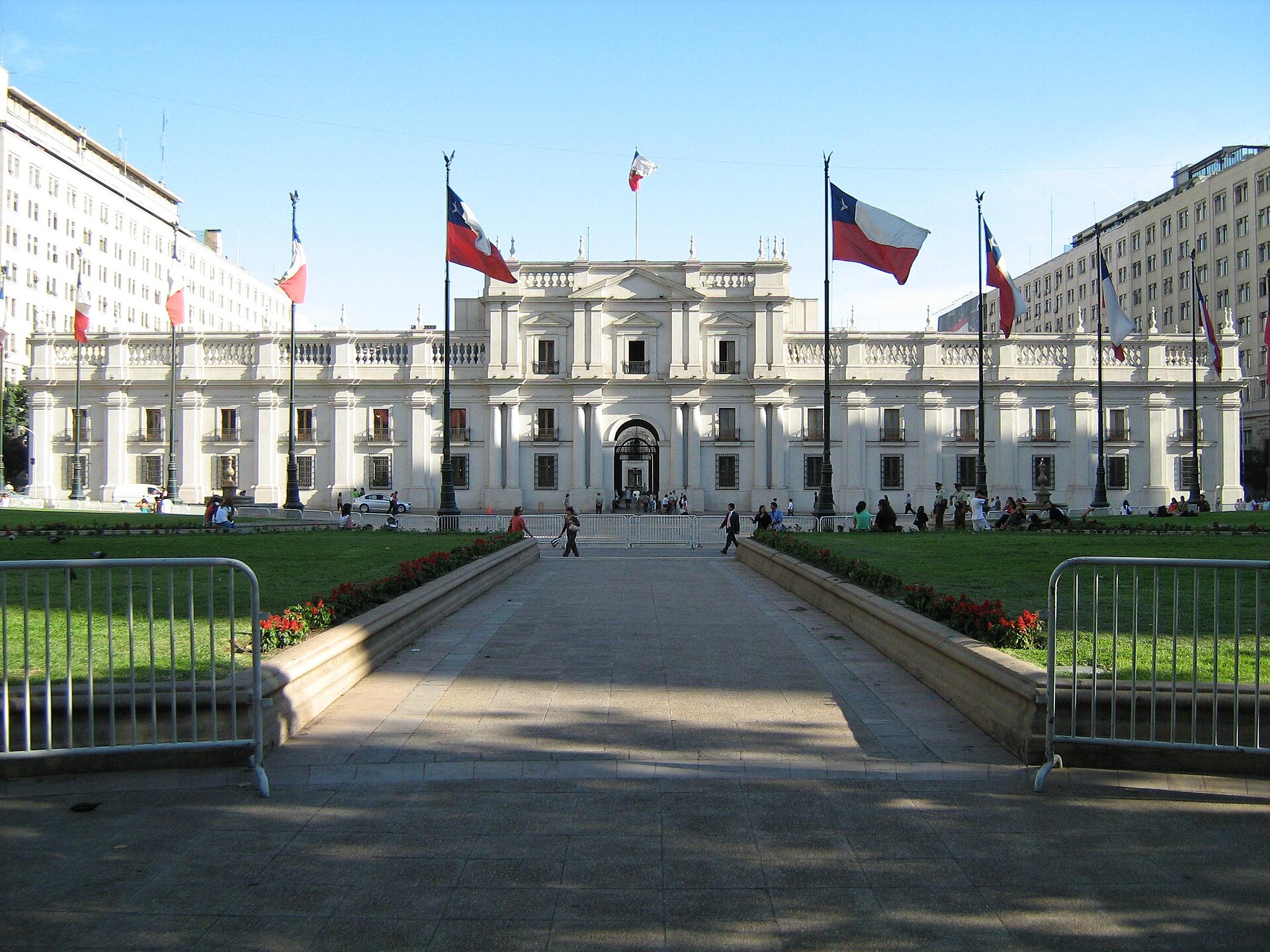
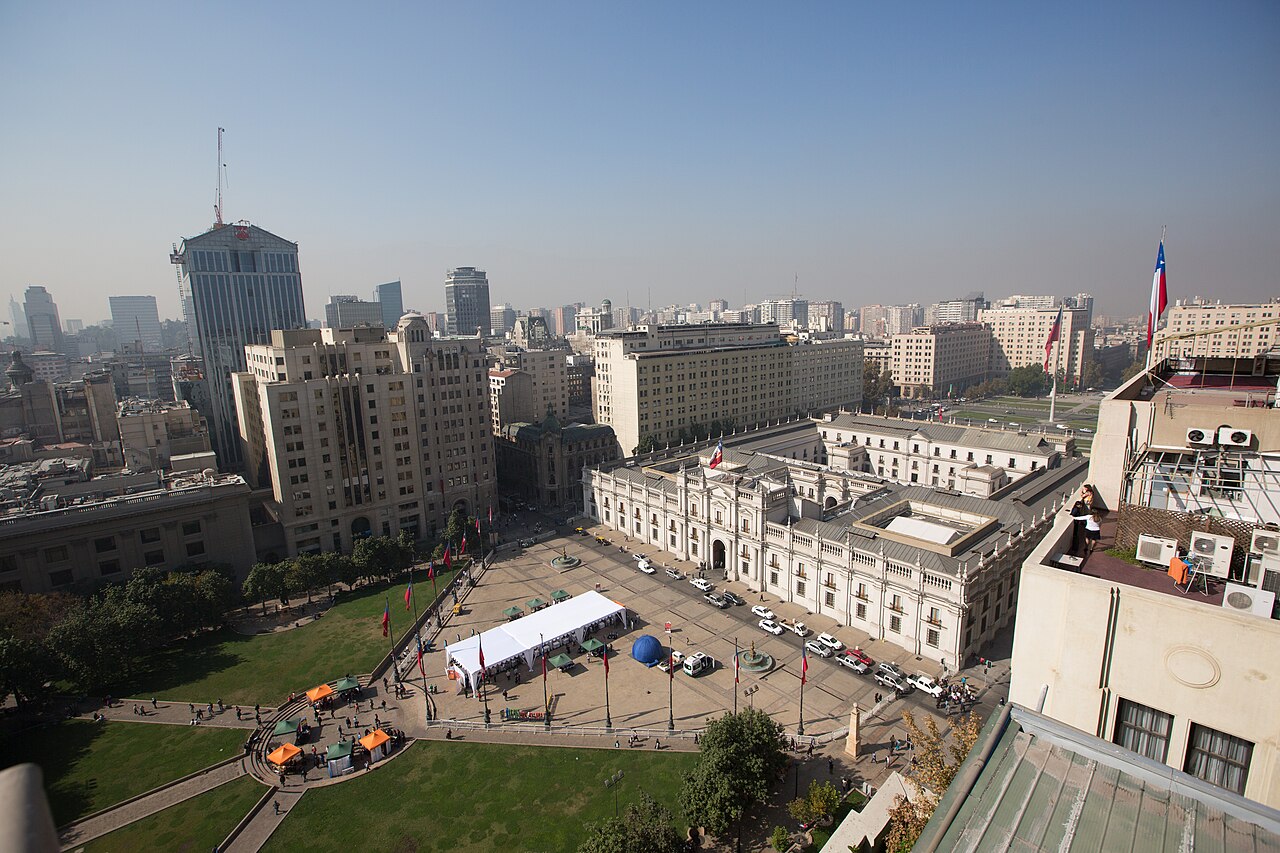
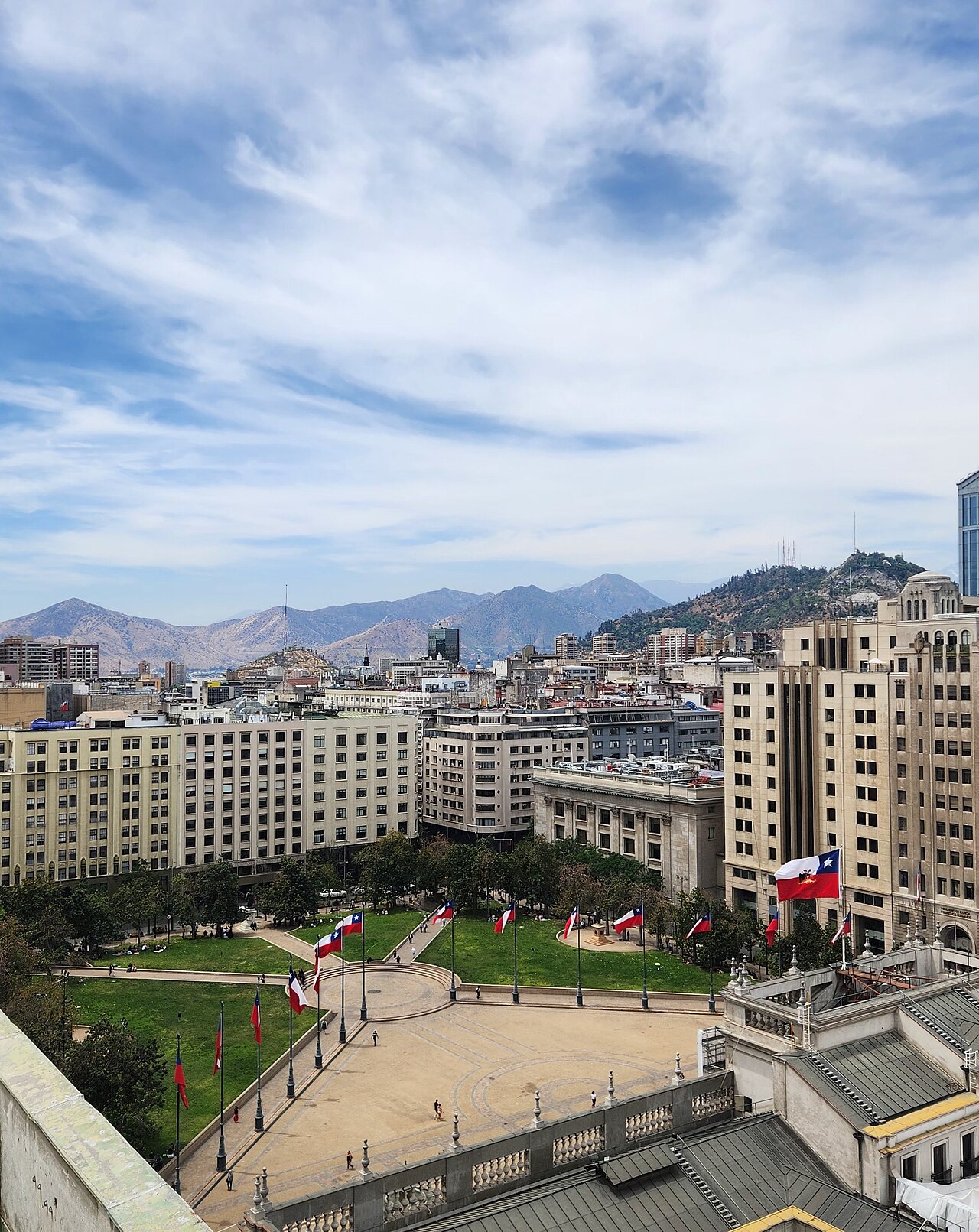
Constitution Square, or Plaza de la Constitución, is a ceremonial public square in central Santiago. It forms the formal forecourt of Palacio de La Moneda, Chile’s presidential palace. The square brings together civic architecture, landscaping, flags, memorial elements, and state symbolism in one carefully composed urban space. It is best understood as part of Santiago’s political and historic center. Plaza de la Constitución is a ceremonial public square in central Santiago, Chile. The space serves as the formal forecourt to Palacio de La Moneda, the presidential palace. Its design emphasizes civic grandeur through symmetrical landscaping and memorial installations. The square functions as a stage for state ceremonies and public gatherings, reflecting Chilean republican traditions. Its identity as a constitutionally named space signals its role in national political symbolism. Visitors encounter a deliberately composed urban room where architecture, commemoration, and state protocol intersect. No. The square is the ceremonial forecourt; La Moneda is the presidential palace it frames.
Checked 2026-08-26 · Source
The square’s principal features are outdoors: the facade of La Moneda, formal landscaping, flagpoles, and memorial elements honoring Chilean presidents. Its geometry creates clear axial views toward the palace, while the open layout makes the relationship between the building and civic space easy to read. Walk across the square slowly to appreciate the arrangement rather than looking for a conventional indoor exhibition. The square contains memorial elements honoring Chilean presidents, integrated into its formal composition. Flagpoles line the space, contributing to ceremonial atmosphere. The principal facade of La Moneda dominates the northern edge. The memorials appear as sculptural or inscribed elements rather than a single monument. Landscaping maintains geometric order typical of civic design. The overall arrangement prioritizes axial views toward the palace. Visitors should observe what is visibly present rather than expect comprehensive interpretive installations.
Checked 2026-08-26 · Source
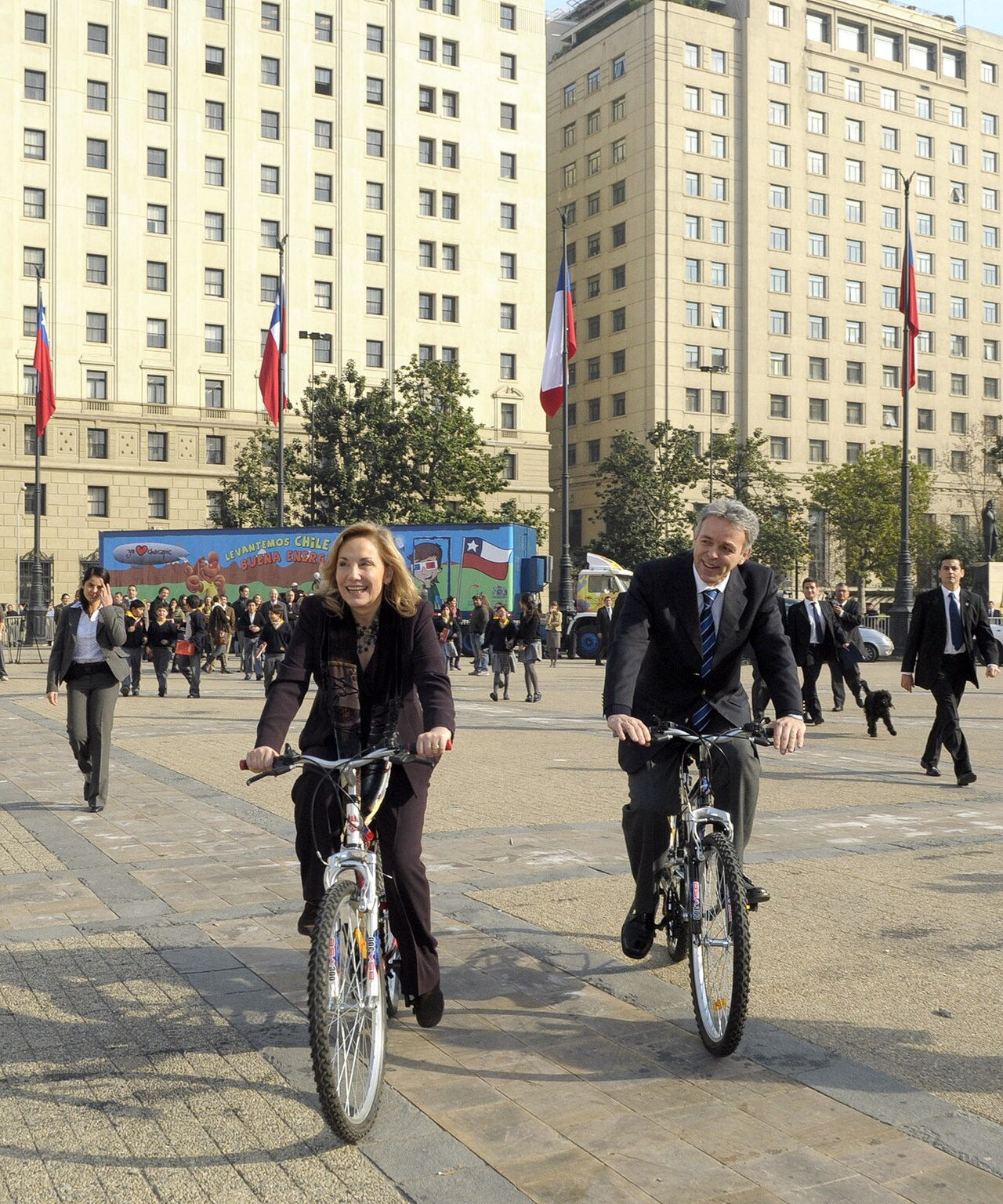
Fifteen to thirty minutes is sufficient for a circuit of the square, photographs, and a close look at the memorial elements. Extend the stop if you are also exploring the exterior of La Moneda or the surrounding civic district. The square works particularly well as one stage in a central Santiago walking route linking government buildings, historic streets, and cultural attractions. A complete circuit of the square requires brief time, perhaps fifteen to thirty minutes for observation and photography. Visitors often combine this stop with La Moneda exterior viewing and adjacent civic district exploration. The duration depends on interest in memorial details and ceremonial context. No interior access extends the visit. Morning or evening passing-through suits many itineraries. Those studying commemorative inscriptions or awaiting ceremonial activity may stay longer. The square functions best as one component of a broader Santiago centro walking sequence rather than isolated prolonged destination.
Checked 2026-08-26 · Source
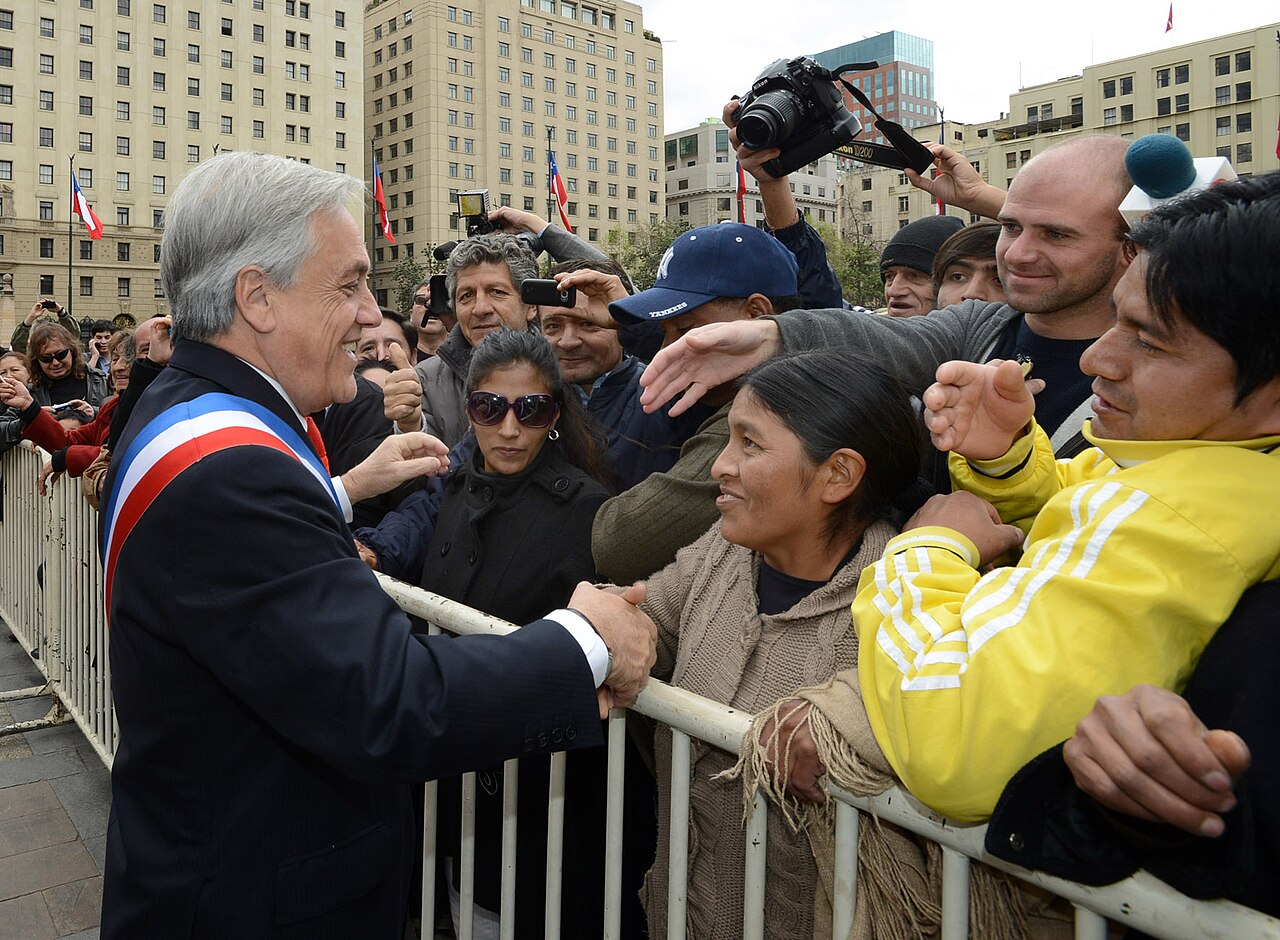
Daylight gives the clearest view of the palace facade, flags, and formal landscaping. Early morning and late afternoon can create more distinctive light for photographs, while summer visits benefit from water and protection from direct sun. The square’s civic role means ceremonies, political activity, or security arrangements may alter movement through the space on particular days.
Checked 2026-08-26 · Source
Constitution Square is an open public square, so viewing its outdoor civic setting does not require a museum ticket. The square should be distinguished from Palacio de La Moneda itself: palace interiors and organized visits are separate experiences. For travelers, the main reward is the direct view of the presidential facade, flags, memorials, and the symbolic design of Santiago’s government district.
Checked 2026-08-26 · Source

The square sits in Santiago’s central civic core and fits naturally into a walking route from other downtown landmarks. The surrounding centro district is served by the city’s Metro and bus network. Use La Moneda and the mapped square as navigation references, then continue on foot through the nearby government and historic quarters. No specialized transport is needed for the outdoor visit.
Checked 2026-08-26 · Source
The square is exposed to sun and weather, with limited shelter across its formal open space. Security cordons or movement restrictions can accompany ceremonies and political activity near La Moneda. Respect memorial elements and follow instructions from official personnel. In central Santiago, keep belongings secure and remain attentive around busy pedestrian areas, especially while taking photographs or crossing streets.
Checked 2026-08-26 · Source
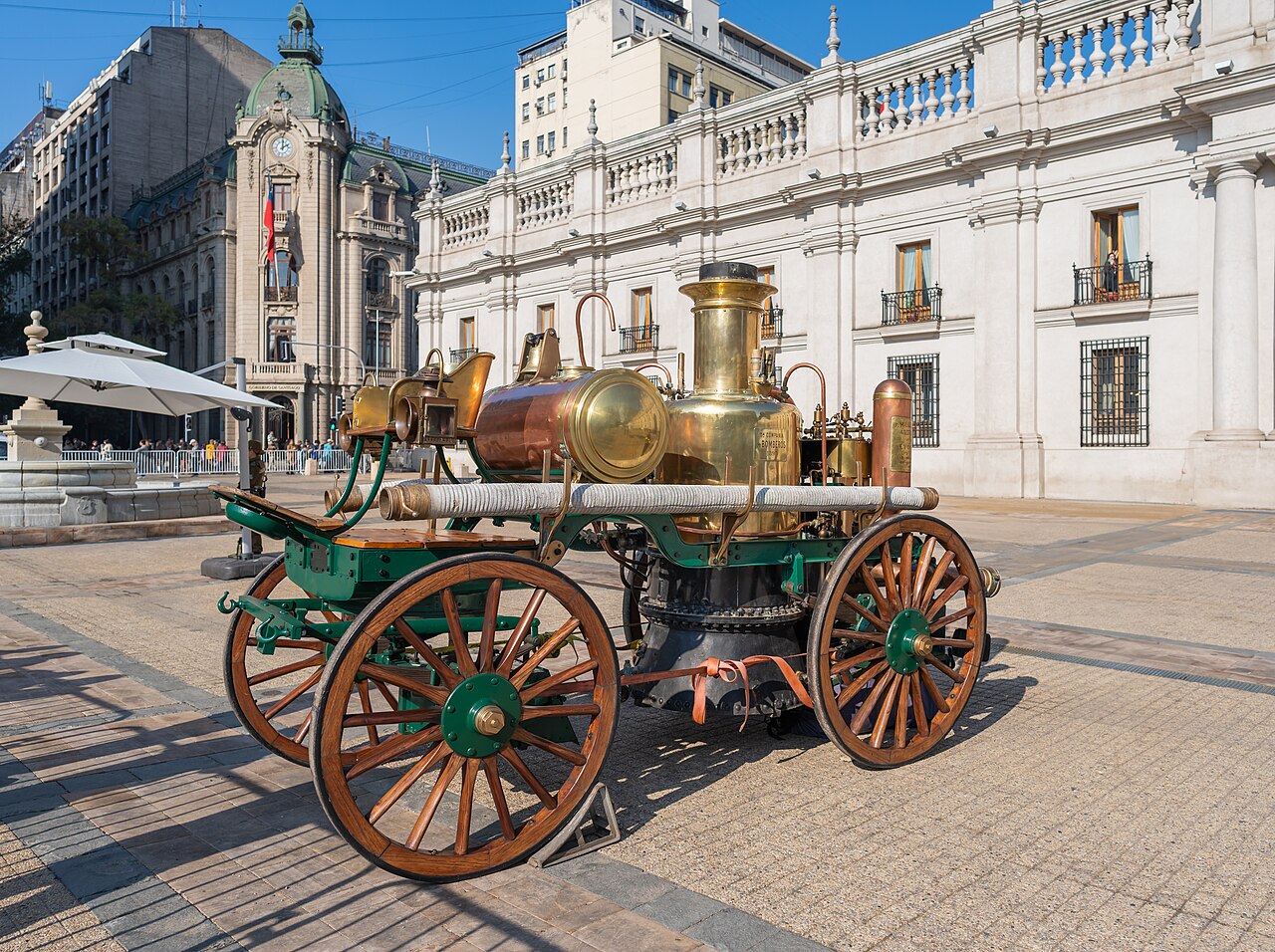
The square is well suited to architectural photography. Centered compositions emphasize the symmetry of La Moneda’s facade, while wider views include flagpoles, memorials, landscaping, and the movement of the civic district. Morning and late-afternoon light can change the appearance of the palace frontage. Keep equipment compact near security-sensitive buildings and avoid blocking pedestrian routes.
Checked 2026-08-26 · Source
No. Constitution Square is the ceremonial public square, while La Moneda is the presidential palace it frames.
Visitors can see La Moneda’s facade, formal landscaping, flagpoles, and memorial elements honoring Chilean presidents.
No ticket is required to view the open public square and its outdoor civic setting.
Fifteen to thirty minutes is enough for a circuit, photographs, and a look at the memorials.
It is a ceremonial civic space connected with Chile’s presidential palace and republican symbolism.
Yes. Its central location makes it a natural stop between Santiago’s government, historic, and cultural landmarks.
Loading the interactive map…
The interactive map could not be loaded.
Last updated:
Source: OpenStreetMap contributors, Wikidata ·