


36 min walk
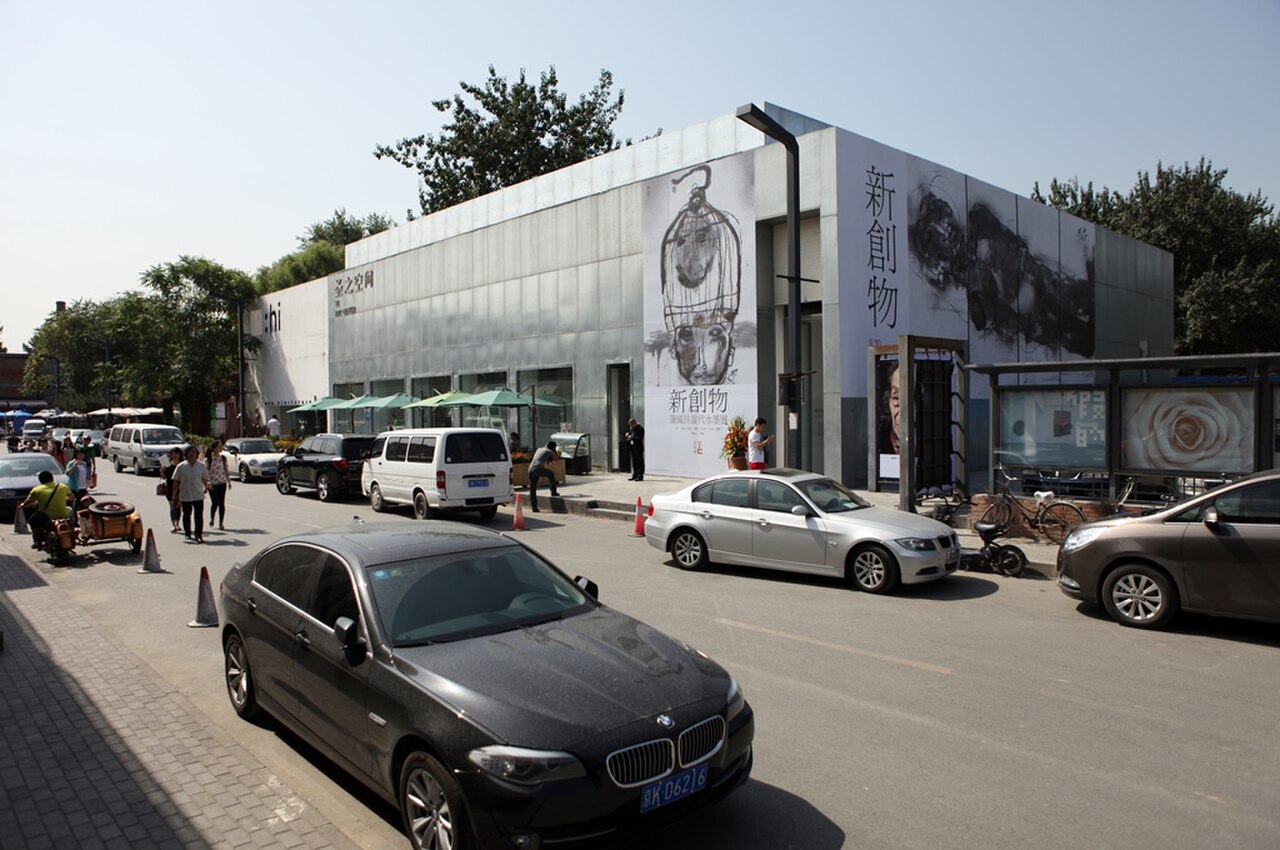
Today Art Museum
- Must see
- Art and culture venue
Language · 11 published
Historic monument · Beijing
潘家园旧货市场
Reviewed by Elena Voss · Roavina Travel Editor
This place is a Attraction.
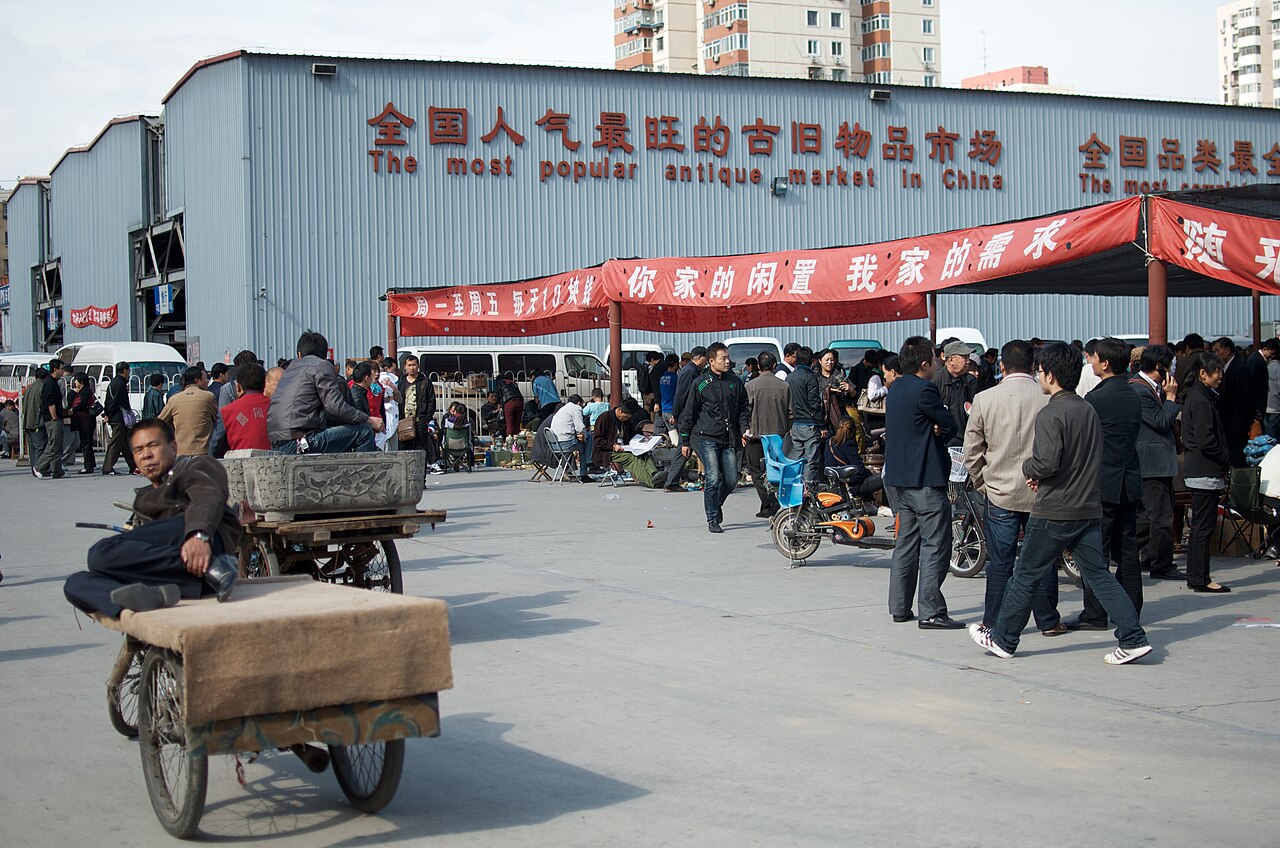
Panjiayuan Antique Market is a sprawling Beijing bazaar filled with secondhand goods, curios and objects connected with Chinese material culture. Known locally as 潘家园旧货市场, it attracts collectors, browsers and travellers searching for distinctive souvenirs. The experience is commercial and lively rather than museum-like: stalls, conversations and bargaining are part of the appeal. Come for the pleasure of looking closely, comparing objects and seeing how historical styles, craft traditions and modern reproductions meet in one market. Panjiayuan Antique Market is a sprawling bazaar in Beijing known for its vast assortment of secondhand goods, curios, and cultural artifacts. Locally called 潘家园旧货市场, it functions as a major trading hub where vendors gather to sell items ranging from vintage household objects to purported antiques. The market has evolved into a notable destination for both serious collectors and casual visitors seeking distinctive Beijing merchandise. Its reputation draws domestic and international tourists interested in Chinese material culture. A flexible visit lets travellers connect Panjiayuan Antique Market with the rest of the day without treating one room, viewpoint or photograph as the whole experience. The market has traditionally functioned on particular days rather than continuous daily operation. Weekend mornings commonly feature maximum vendor presence. Visitors should verify current days and hours through authoritative sources before traveling.
Checked 2026-08-26 · Source
Covered pavilions and market stalls offer ceramics, calligraphy supplies, Buddhist statuary, jade carvings, furniture, books, coins, militaria and Cultural Revolution memorabilia. Merchandise varies from decorative modern pieces to vintage objects and items presented as antiques. Browse by category, compare several sellers and take time to inspect materials and construction. Negotiation is part of the market culture, so the visit is as much about conversation and judgment as it is about finding a particular object to take home.
Checked 2026-08-26 · Source
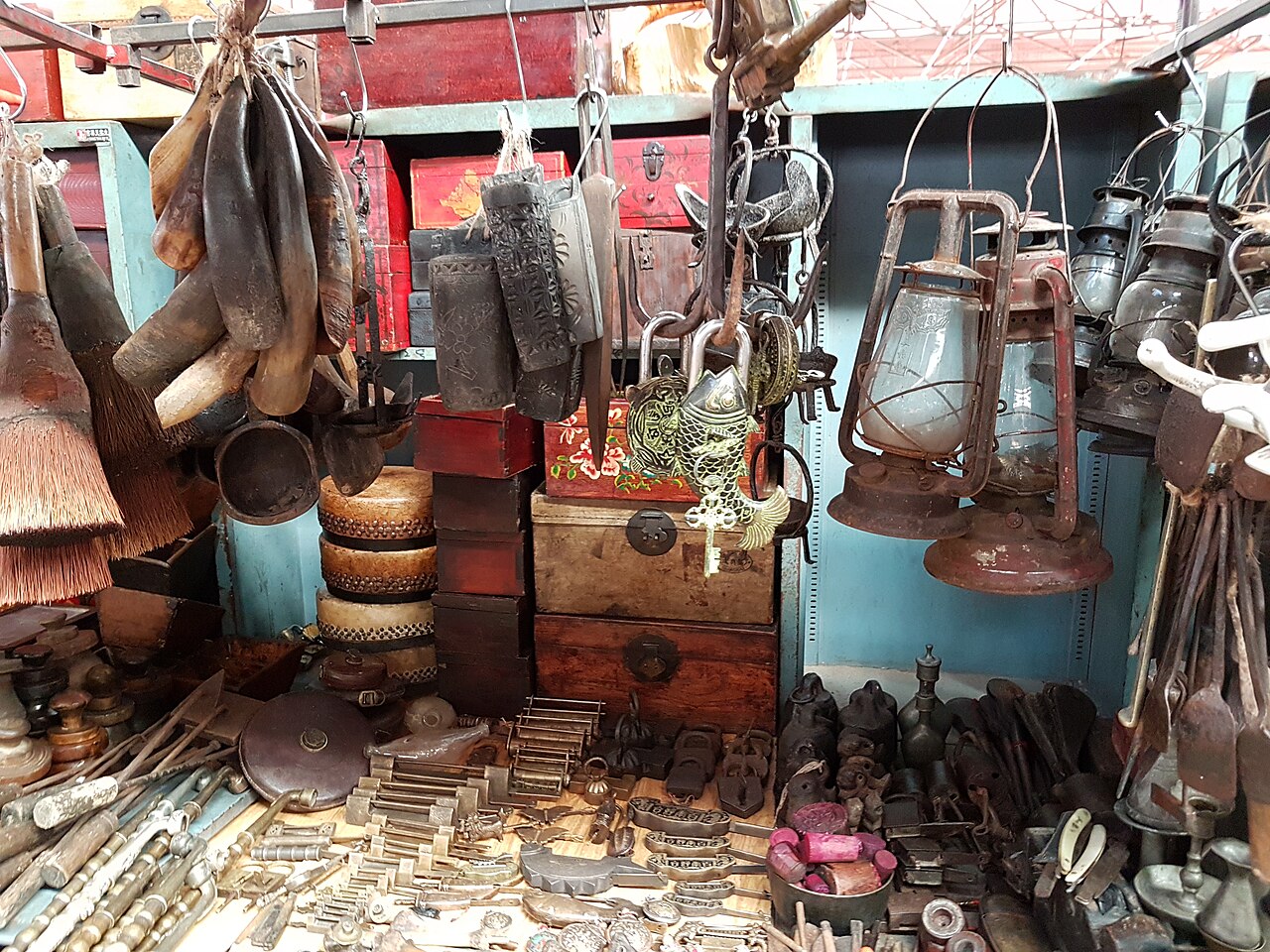
Most travellers need two to four hours to explore the market comfortably. A shorter visit works if you are browsing one category, while collectors can spend half a day comparing furniture, ceramics, books or decorative objects. Give yourself time to understand the layout before making a purchase. The market rewards a slow pace: the most interesting finds may be away from the first stalls you pass, and hurrying makes comparison and negotiation harder.
Checked 2026-08-26 · Source
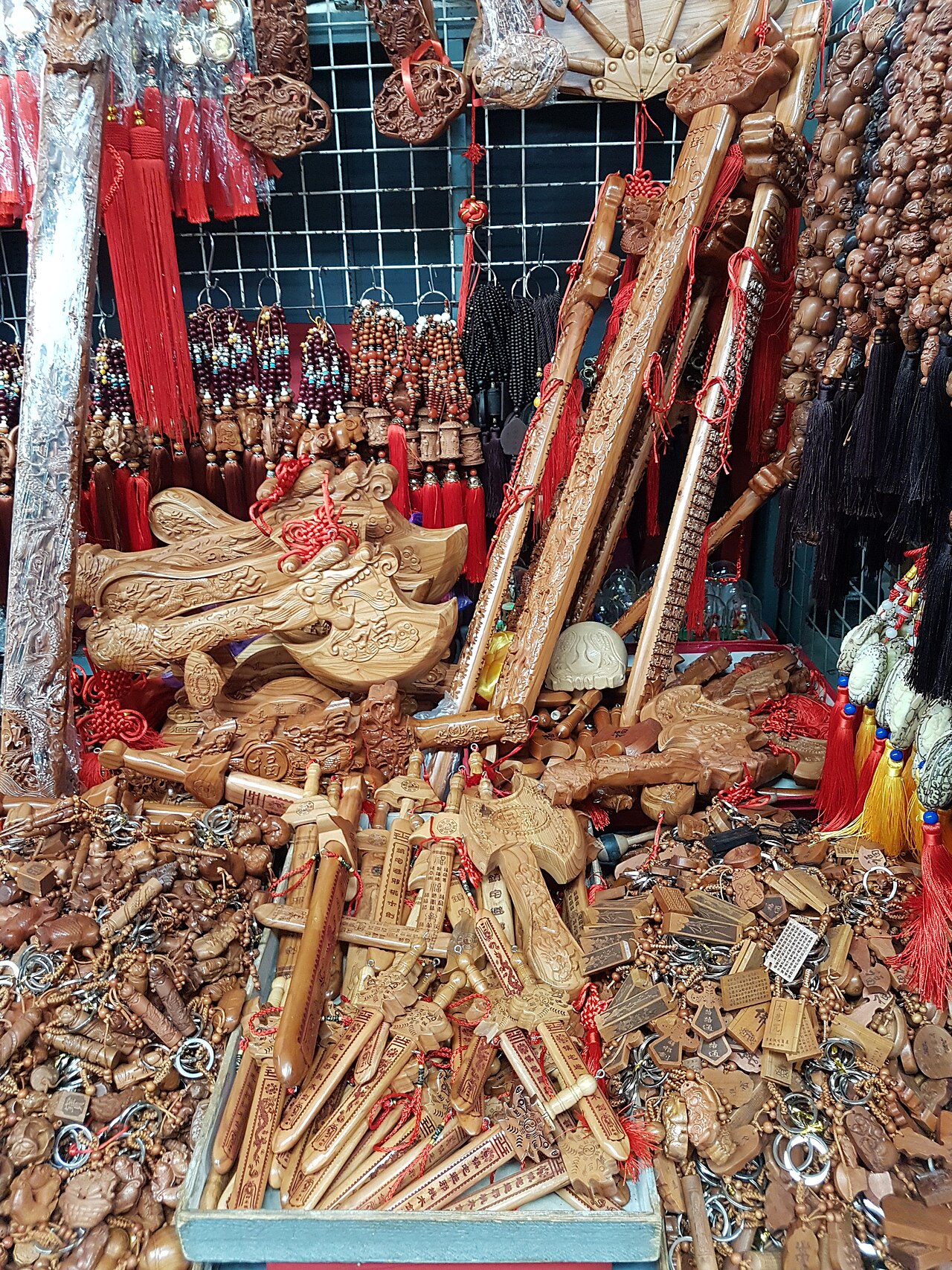
Weekend mornings are traditionally the busiest and most active period, with many vendors and strong market energy. Arrive early if you want more time to browse before the passages become crowded. Seasonal weather matters because parts of the market are open-air: Beijing winters are cold, summers humid and shoulder seasons easier for extended wandering. Chinese holiday periods can alter the rhythm of the market. Choose a morning when you can browse without rushing toward another appointment.
Checked 2026-08-26 · Source
The market functions as a commercial venue, so the main expense is what you choose to buy rather than a sightseeing experience centred on galleries. Set a spending limit before entering and keep room in your budget for comparison rather than committing at the first stall. Prices vary with perceived age, craftsmanship, rarity and negotiation. Carry a payment method suitable for small purchases, and remember that buying an object is optional: browsing is a complete visit.
Checked 2026-08-26 · Source
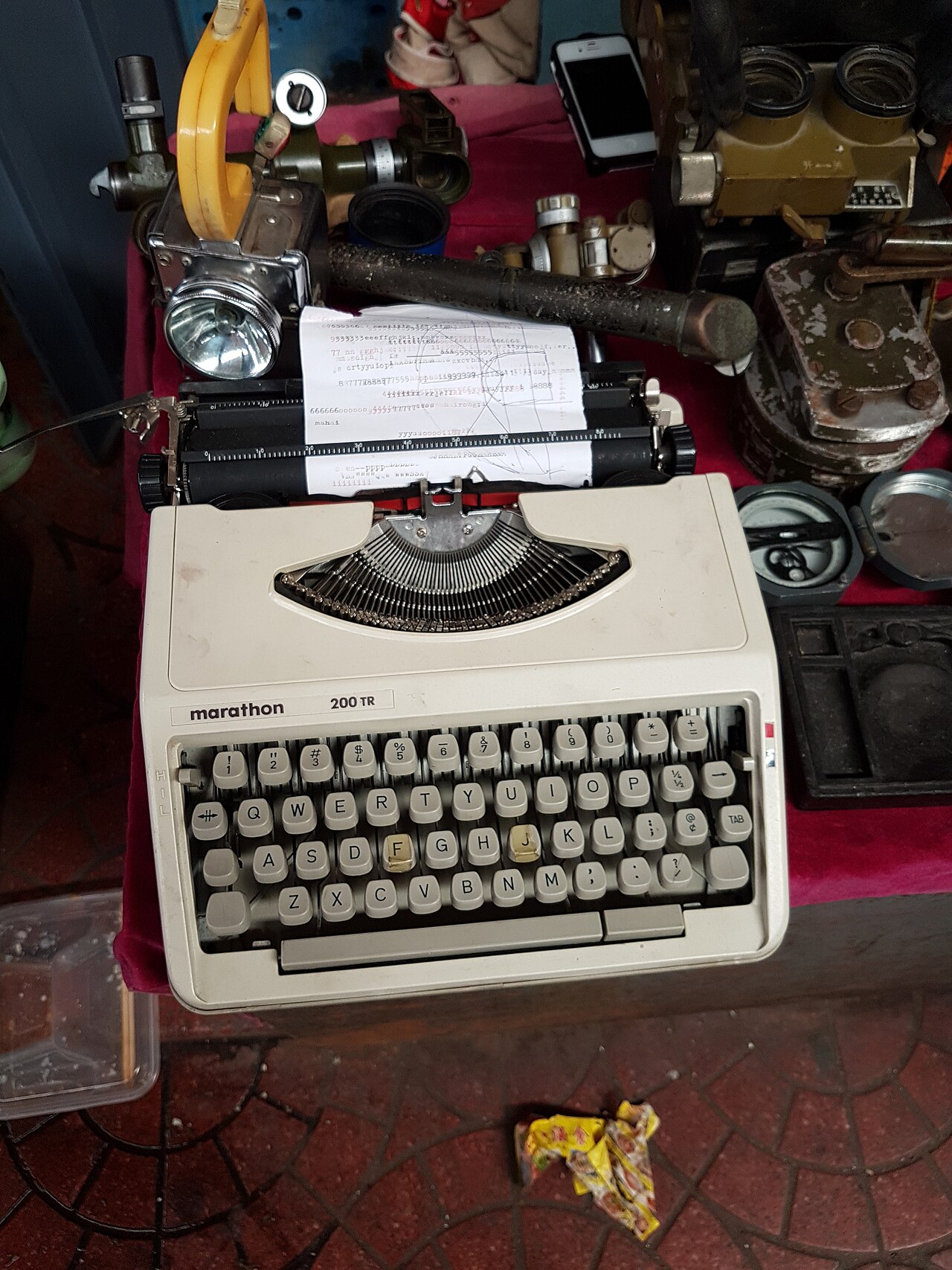
Panjiayuan Antique Market is in Beijing’s southeastern Chaoyang District. Subway and bus services reach the surrounding area, while taxis and ride-hailing can take you directly to the market name. Driving is less convenient when crowds make parking difficult. Have the Chinese name available for navigation and allow time for the final walk from transport. A morning visit pairs well with other Chaoyang attractions, but the market itself deserves enough time for unhurried browsing.
Checked 2026-08-26 · Source
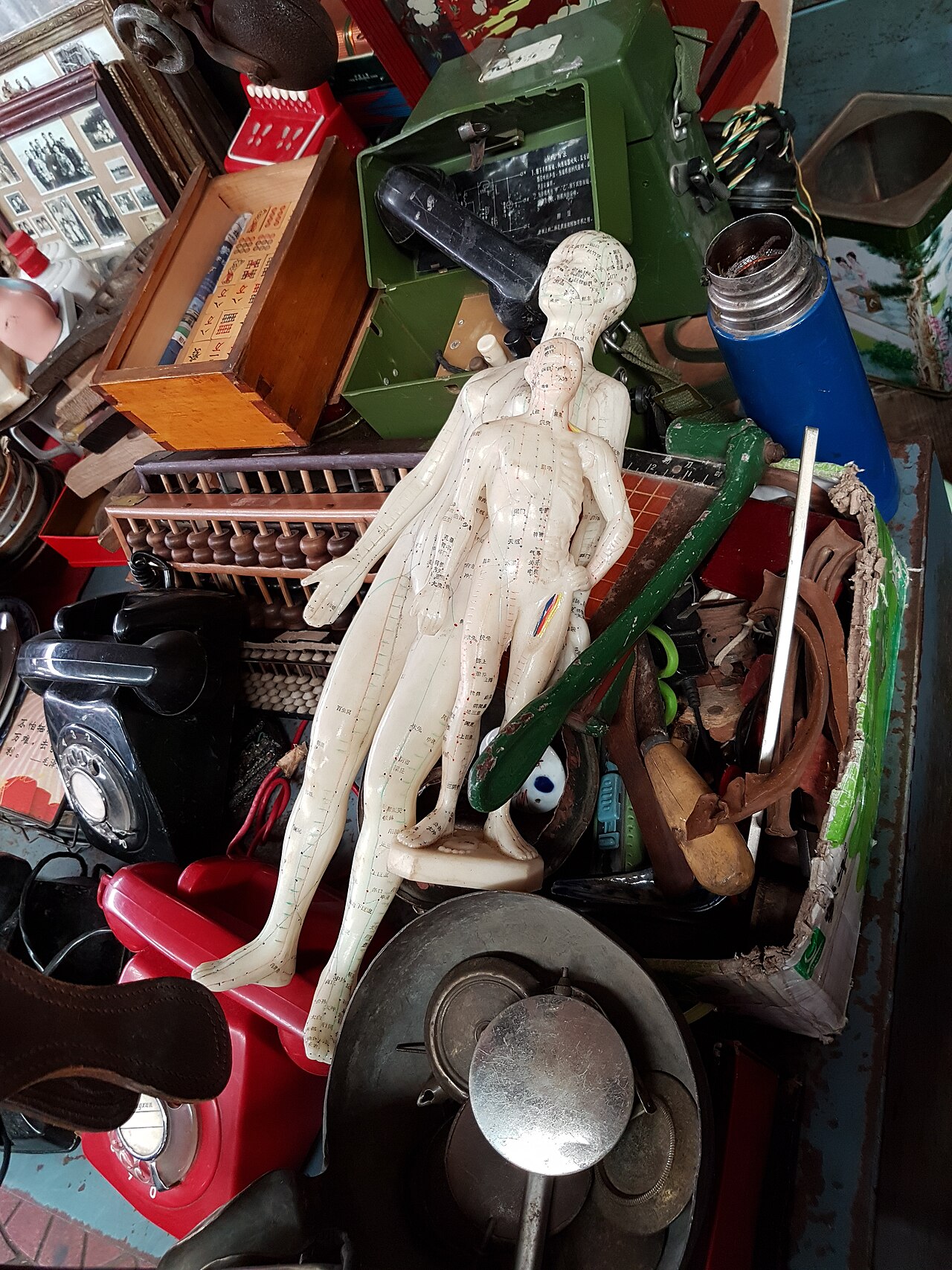
Treat claims of age and authenticity with caution. Reproductions and artificially aged objects are sold alongside vintage goods and items presented as genuine antiques. If you lack specialist knowledge, keep expensive purchases modest and do not rely on surface wear alone. Bargaining is normal, and walking away is acceptable when the price or story does not suit you. Narrow passages and busy crowds call for secure bags and careful movement. Cultural-heritage export rules matter for old objects, so plan purchases with transport beyond China in mind.
Checked 2026-08-26 · Source
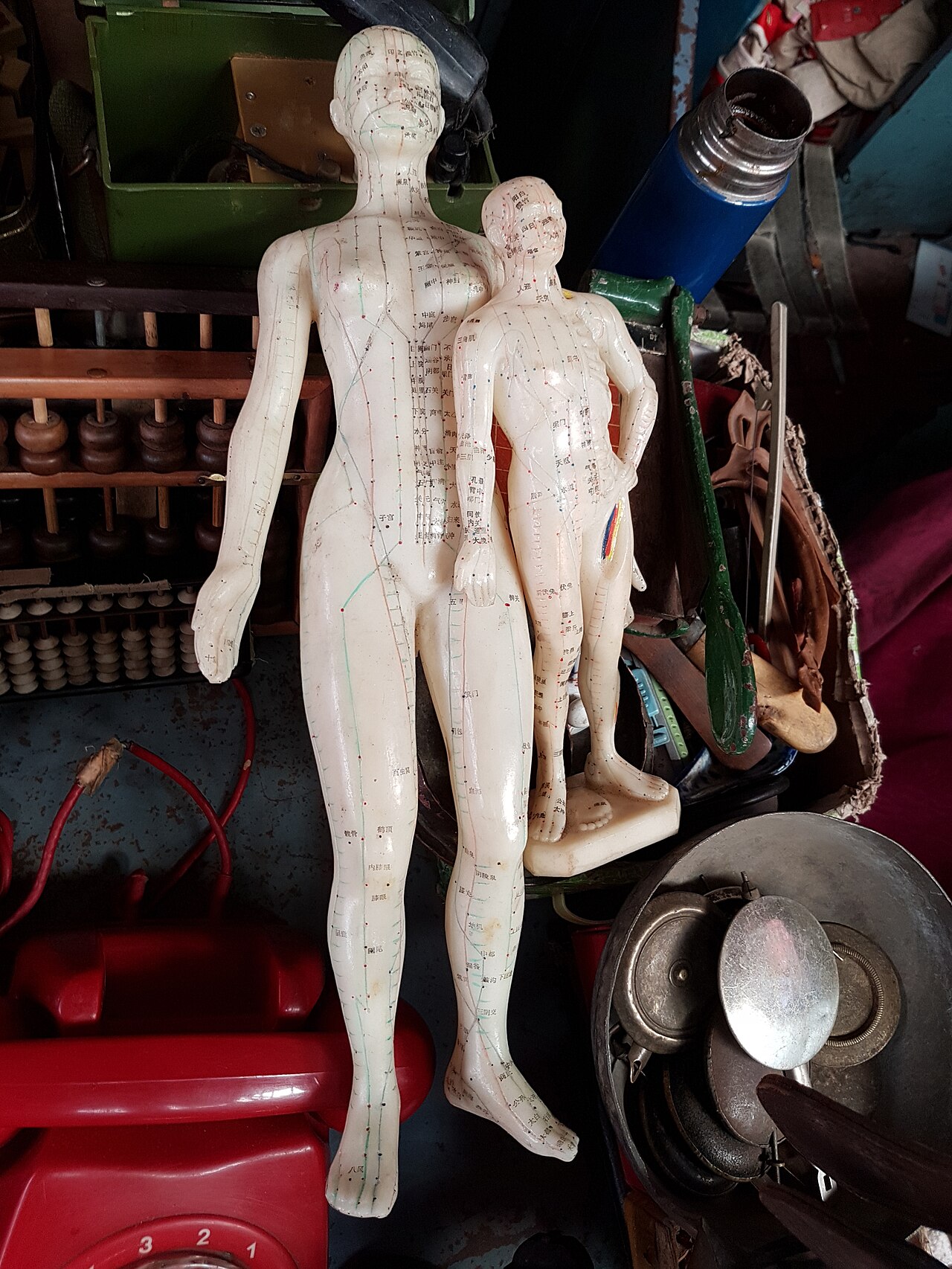
The market’s dense displays, covered pavilions and lively human activity create strong documentary subjects. Ask a vendor before photographing a stall or a close view of merchandise, since sellers may prefer that you look without a camera. Avoid intrusive portraits and keep equipment secure in crowded passages. Light changes between open and covered areas, so a small camera or phone is easier to use than bulky gear. Photograph the atmosphere respectfully, especially when commercial activity is taking place.
Checked 2026-08-26 · Source
Stalls sell ceramics, calligraphy supplies, Buddhist statuary, jade carvings, furniture, books, coins, militaria and Cultural Revolution memorabilia.
Two to four hours suits most visitors, while collectors interested in comparing several categories can spend half a day.
Yes. Bargaining is standard, so compare several stalls, make a polite counter-offer and leave if the final price does not suit you.
The market includes vintage goods, reproductions and objects presented as antiques. Reliable authentication requires specialist expertise, particularly for expensive purchases.
Weekend mornings traditionally bring strong vendor activity and crowds; early arrival gives you more time to explore the stalls and pavilions.
Compare items, limit spending, protect your belongings and consider Chinese cultural-heritage export rules before purchasing objects presented as genuine antiques.
Loading the interactive map…
The interactive map could not be loaded.
Last updated:
Source: OpenStreetMap contributors, Wikidata ·