


15 min walk
Beijing Ancient Observatory
- Must see · Heritage site
- Historic site
Nature site · Beijing
日坛公园
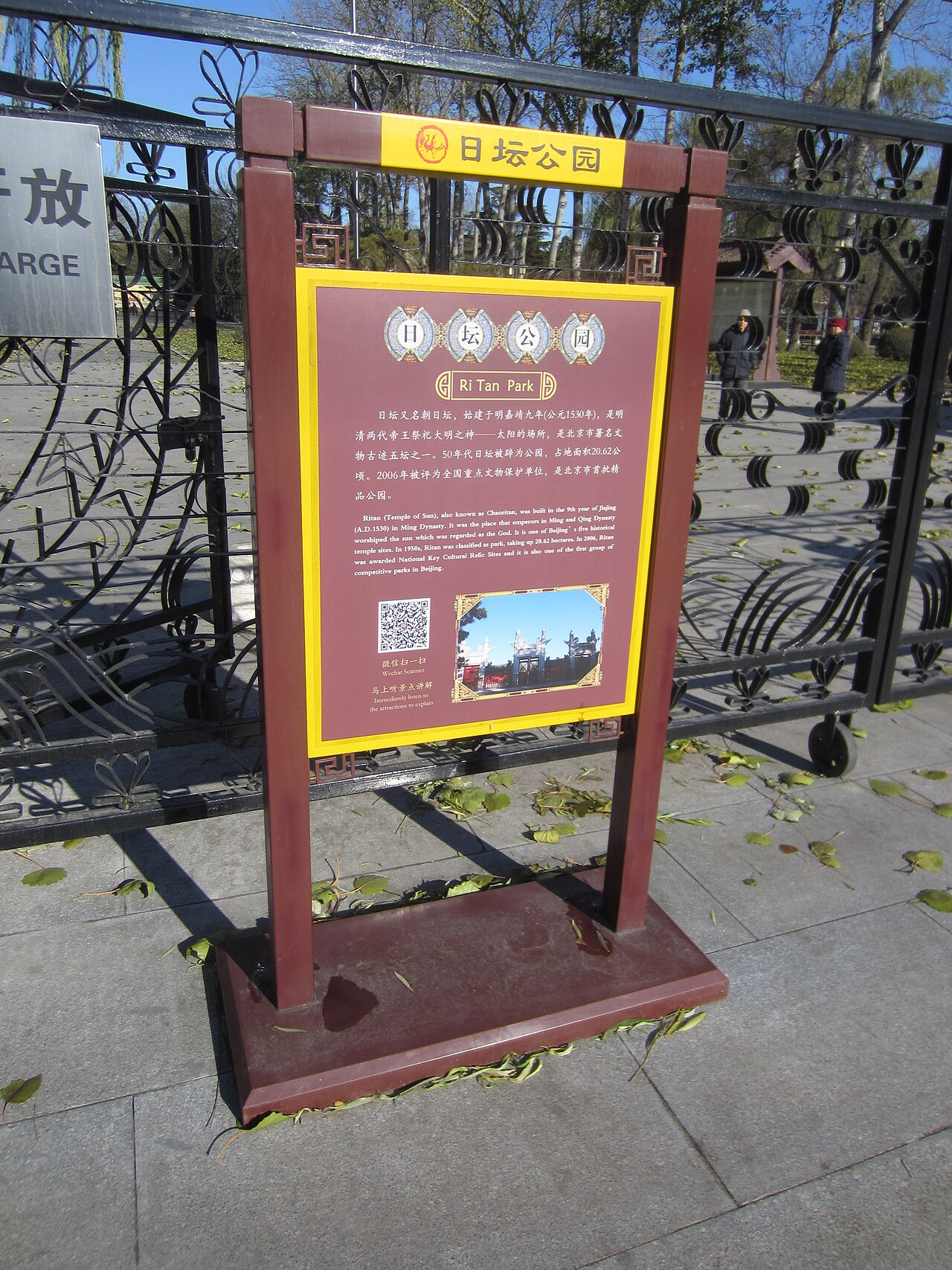
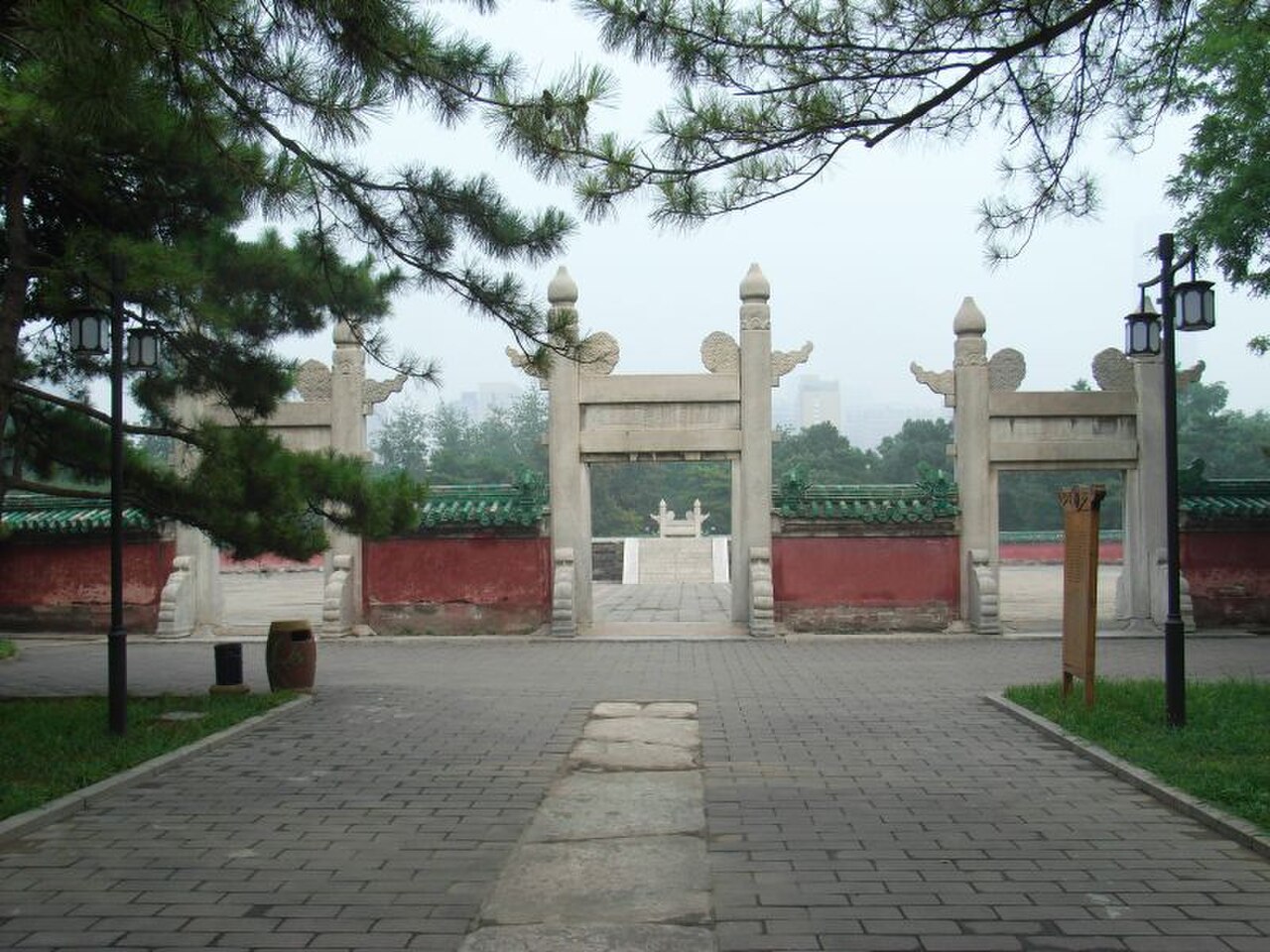
Ritan Park occupies the historic Altar of the Sun site in Beijing’s Chaoyang District. According to the Beijing parks authority’s account quoting Ritan Park management, the altar was founded in 1530 for Ming and later Qing state sun rituals; the grounds became a public park in the twentieth century. A present-day visit therefore combines a neighbourhood green space with a protected imperial ceremonial site. The park and the inner altar enclosure are not the same access zone. Plan a walk through the grounds and check separately whether the enclosure admits visitors on your date. Do not confuse this park with the much larger Temple of Heaven or assume every old structure is open.
Checked 2026-10-06 · Source
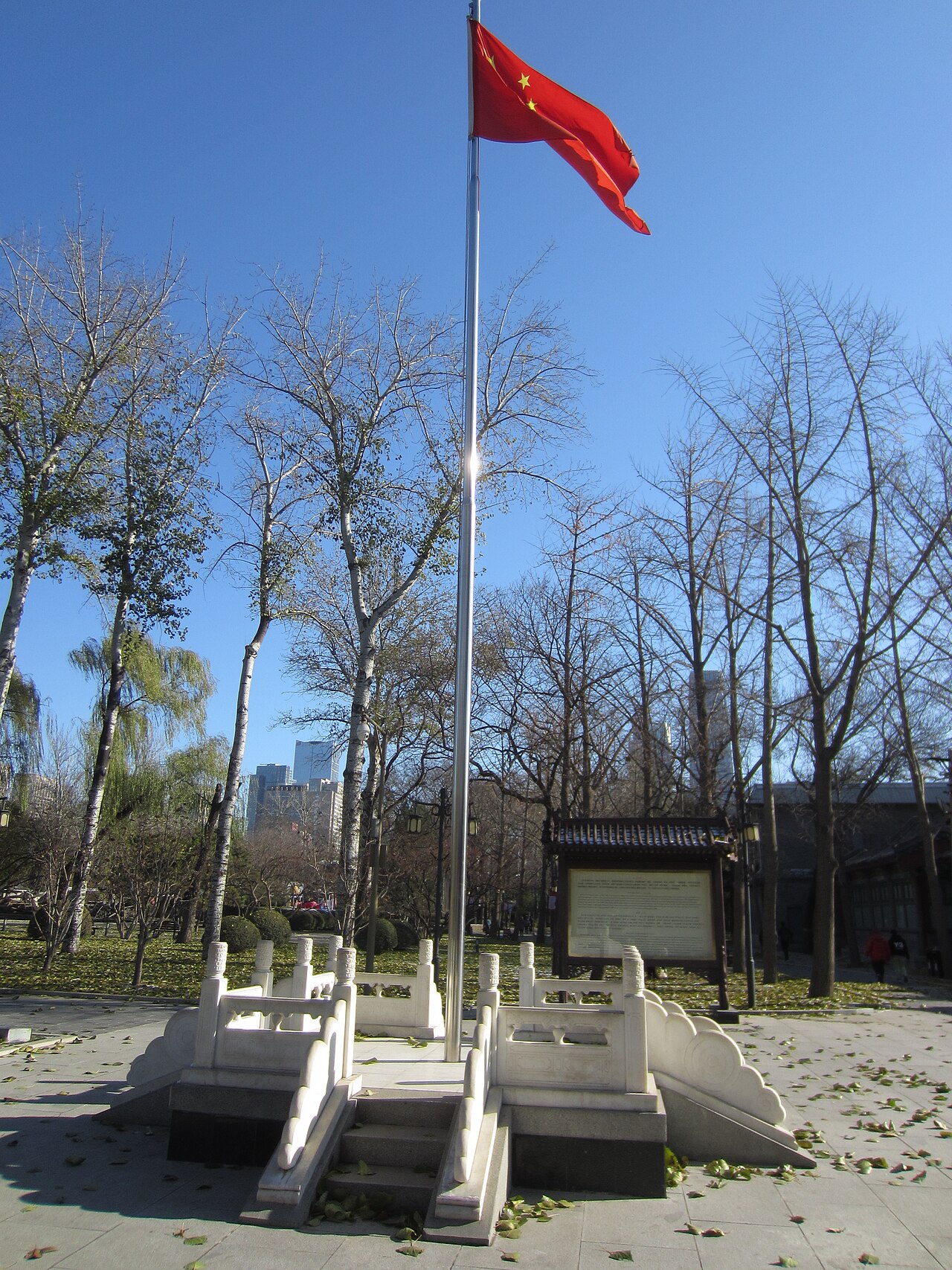
Within the grounds, the municipal parks directory lists the altar, west and north gates, historic service buildings, garden areas and a sun-ritual mural. The parks authority says the walled altar enclosure reopened after a long closure, so it should not be described as permanently shut. Its management explained that visitors may enter the enclosure but cannot climb onto the central altar platform because of heritage protection. Seasonal flowers and mature cypresses add a garden visit, but a spring blossom article does not guarantee blooms on every date. Decide whether your priority is a general park walk or seeing the historic enclosure; the two can have different access conditions.
Checked 2026-10-06 · Source
A thorough visit to Ritan Park requires approximately one to two hours for visitors interested in examining the historical altar structures and circulating through the landscaped grounds. Those combining the park with adjacent attractions in the Chaoyang area may allocate less time. Local residents frequently use the space for morning exercise routines, suggesting that brief visits of thirty minutes suffice for atmospheric exposure. The compact footprint relative to Beijing's larger imperial sites supports efficient visitation without extensive walking demands.
Checked 2026-08-26
Beijing’s official visitor sources disagree on the park’s precise hours. A 2026 municipal parks article states one year-round period, whereas an older Beijing government visitor page and a tourism listing divide summer and winter differently. The inner altar enclosure has also been described with its own shorter access period. Because those lists do not settle the differences, ask Ritan Park management for the current hours of the grounds and the inner altar before relying on an early or late visit. Morning and late afternoon may suit a garden walk, but seasonal flowers and special events vary and should be checked for the actual date.
Checked 2026-10-06 · Source
No current tariff issued directly by Ritan Park management was verified for this guide. Municipal visitor listings describe ordinary park entry as free, but that is not a substitute for a fresh operator admission record, and commercial activities or special events may have different conditions. This page therefore leaves structured admission unrecorded instead of treating one public-area statement as a price for every part of the park. Ask park management about any reservation or paid activity that matters to your plans. An altar enclosure and a restaurant near a gate are different visitor products; do not assume one entry rule covers them both.
Checked 2026-11-03 · Source
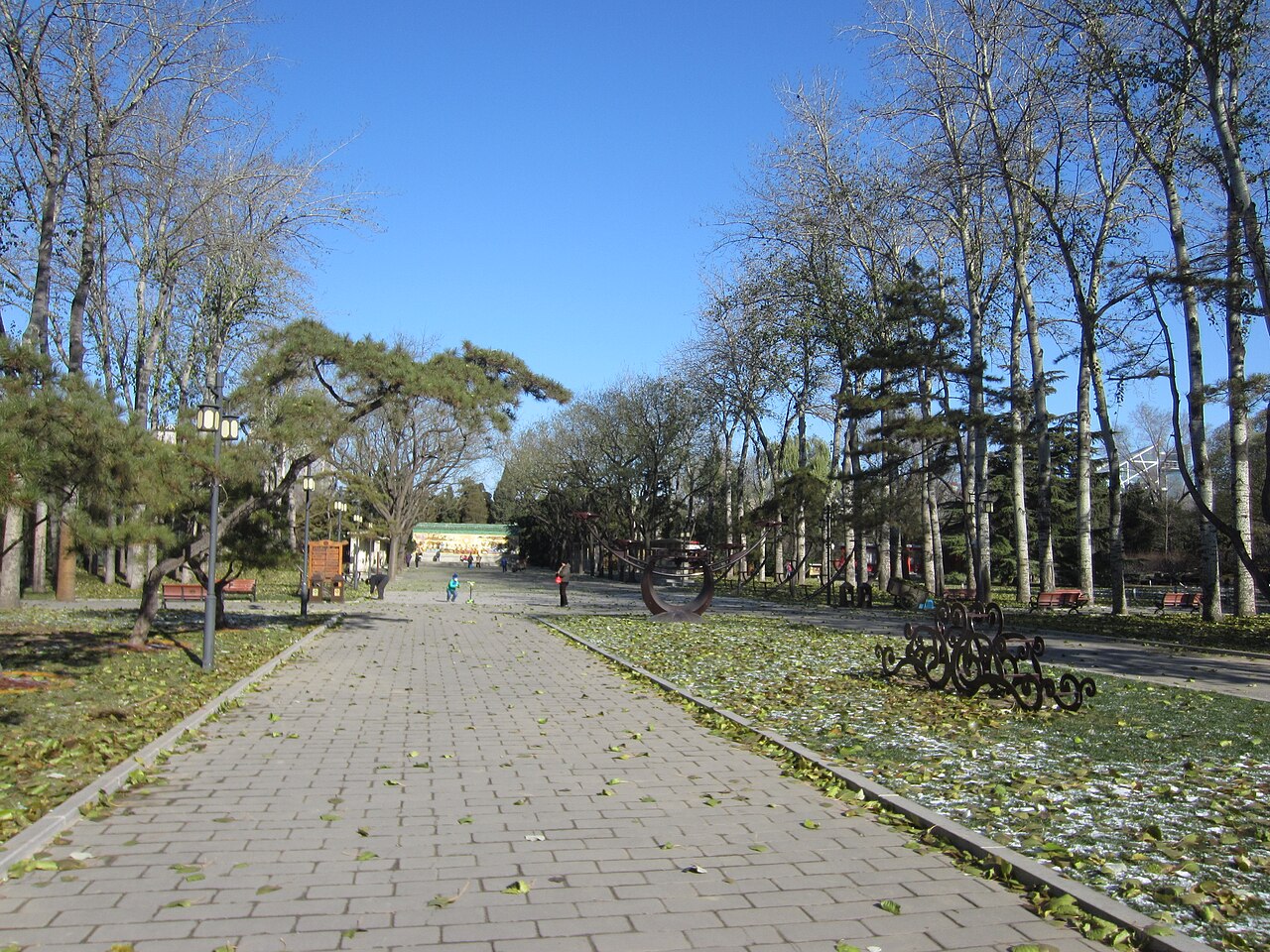
The parks authority places Ritan Park at 6 Ritan North Road in Chaoyang. Its 2026 visitor article names Yong’an Li on Metro Line 1 and Dongdaqiao on Line 6 as approaches, with buses to Fangcaodi South. Choose the station for the gate you want and confirm the walk on a current map rather than relying on a generic park pin. The park’s north and west gates are also heritage landmarks, while the inner altar enclosure is another destination once inside. Public transport service patterns may change; use the transit operator for your travel-day route. A taxi destination should name the chosen park gate, not just the altar.
Checked 2026-10-06 · Source
The park’s outer paths, the historic altar enclosure and the central altar platform have different access rules. The parks authority reported that visitors may enter the enclosure after its reopening but cannot climb the central platform. Its park directory also does not certify a barrier-free environment; this guide should not promise a continuous wheelchair route. Ask park management about the gate and path needed by your party. Exact grounds and enclosure hours conflict among official visitor listings, so check a current operator notice instead of relying on an old clock time. Respect heritage barriers, temporary event controls and planted areas during a visit.
Checked 2026-10-06 · Source
For photographs, the municipal parks authority highlights the red walls and magnolias near the north gate and historic structures around the altar. Those are place-specific subjects, not a promise of spring flowers or access to every room on every visit. Photograph from the areas currently open to visitors and keep off the protected altar platform. The authority’s garden article is not a permit for commercial shoots, tripods or drones; ask park management before planning those uses. In ordinary public areas, leave room for people walking or exercising and request consent for recognisable portraits. Winter and summer light create different views, while event layouts can alter a familiar angle.
Checked 2026-10-06 · Source
Official Beijing visitor sources list different park-hour patterns, and the historic altar enclosure has separate access. This guide has no current park-management schedule that resolves the conflict. Check both zones with park management before an early or late visit.
Municipal visitor listings describe ordinary park entry as free, but no current tariff from Ritan Park management was verified here. This guide records no structured fee. Ask about a particular activity, event or commercial venue separately.
The municipal parks directory does not certify a barrier-free environment. This guide cannot promise step-free access through every gate, garden path or the historic enclosure. Contact park management for the route and assistance your party needs.
Yong'an Li Station on Line 1.
Ming and Qing emperors held state ceremonies here to worship the sun deity.
No. Beijing’s parks authority reported that the enclosure reopened after a long closure and quoted park management: visitors may enter the walled enclosure but must not climb the central altar platform. Confirm current enclosure hours and temporary restrictions before going.
Loading the interactive map…
The interactive map could not be loaded.


Last updated:
Source: OpenStreetMap contributors, Wikidata ·