
.jpg)


.jpg)
5 min walk
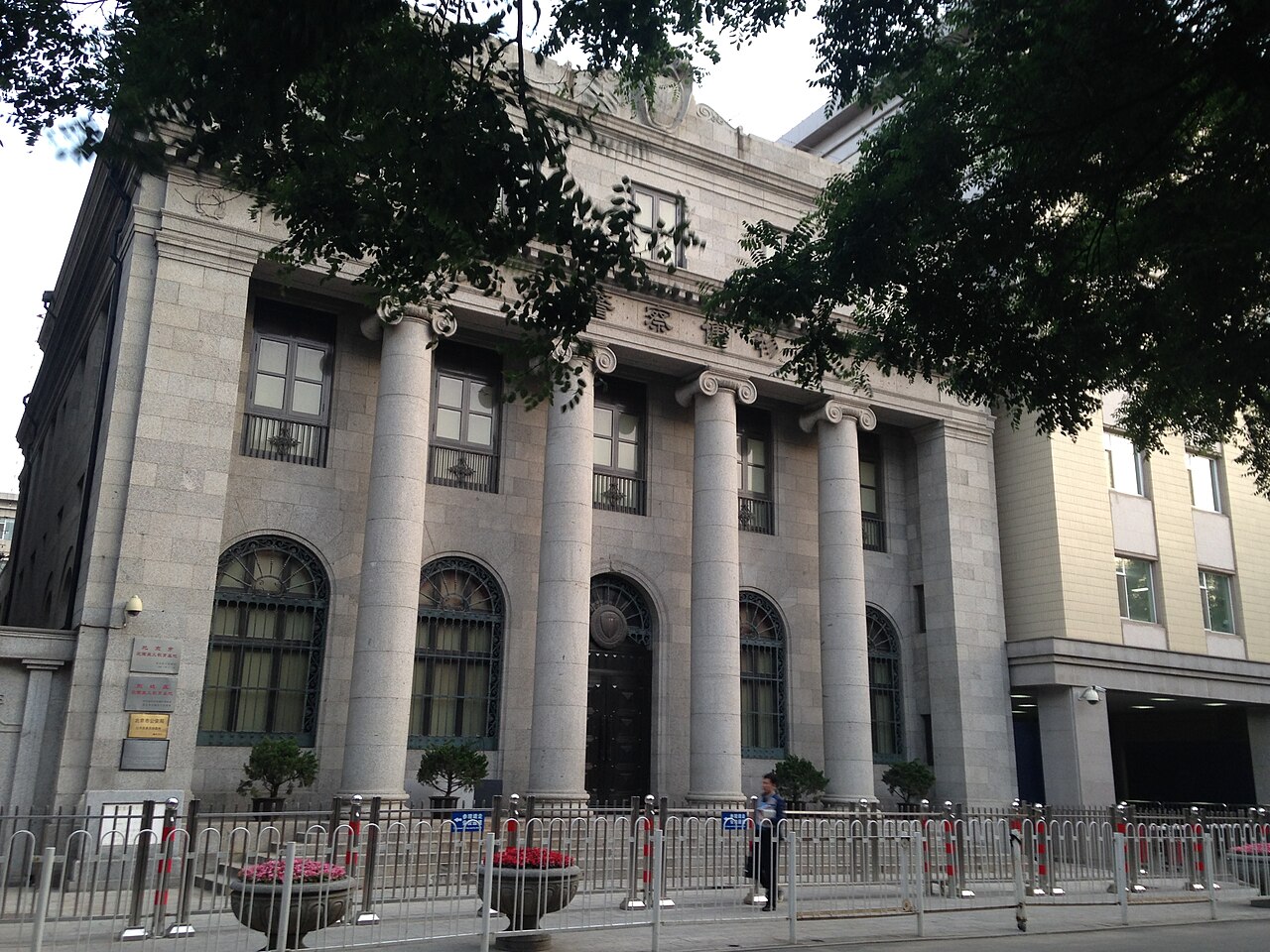
Beijing Police Museum
- High
- Museum
Language · 11 published
Museum · Beijing
北京市规划展览馆
Reviewed by Elena Voss · Roavina Travel Editor
This place is a Museum. It was established in 2004.
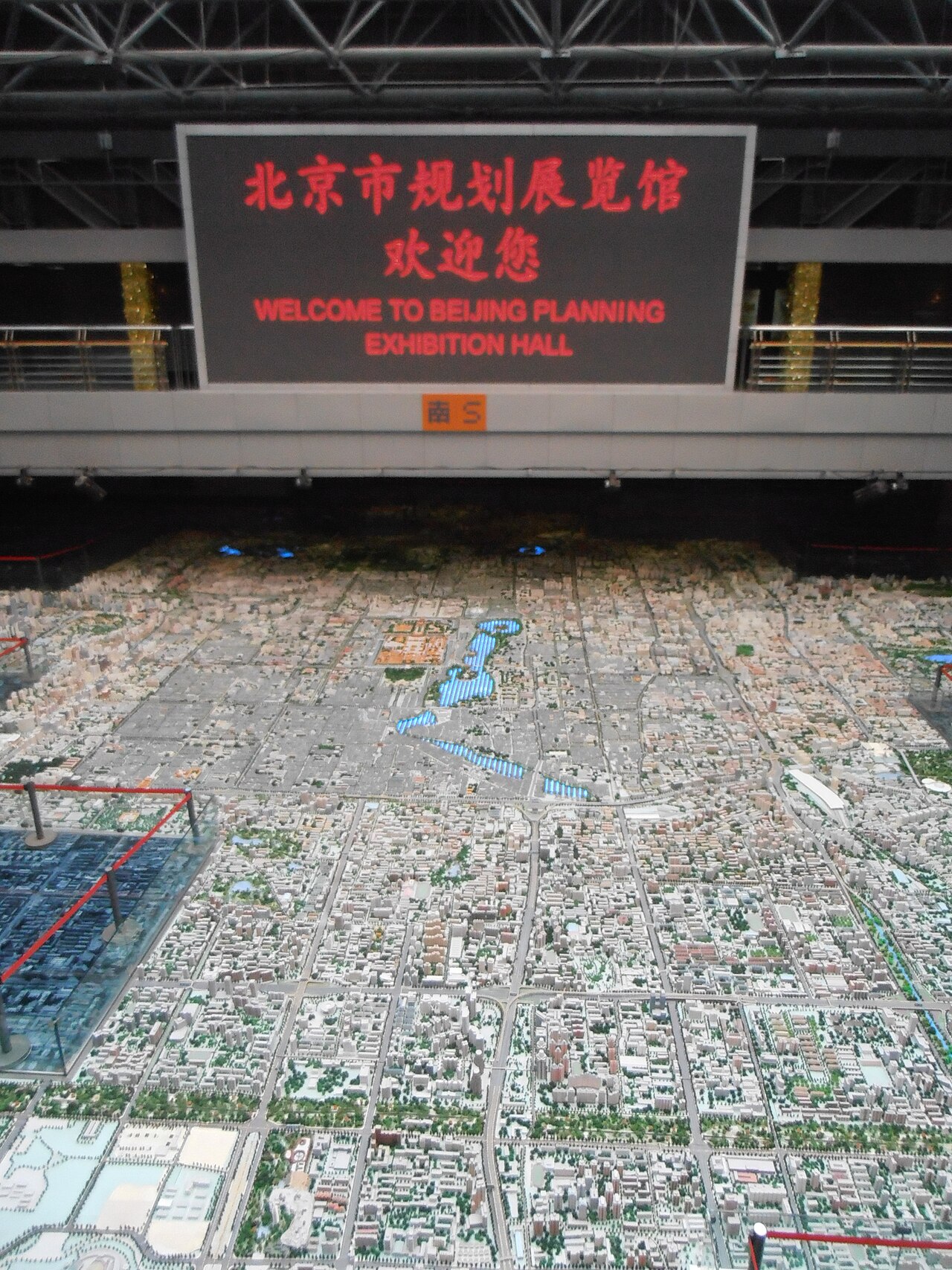
Beijing Planning Exhibition Hall is a central exhibition venue focused on the capital’s urban form, development and future plans. Near Qianmen, it places Beijing’s immense scale into a visual format that visitors can understand through maps, models and diagrams. The hall is especially rewarding for travellers interested in architecture, transport, heritage protection and the way a major city is organised. It offers a different perspective from Beijing’s palaces and temples by showing the city as a changing spatial system. The Beijing Planning Exhibition Hall is a municipal exhibition space dedicated to urban planning and development. Located in central Beijing near Qianmen, it occupies a prominent position in the historic city core. The institution presents the capital's architectural evolution, master plans, and future vision through physical models and displays. Visitors with strong interest in urban planning or architecture will find value; others with brief Beijing stays may prioritize UNESCO sites.
Checked 2026-08-26 · Source
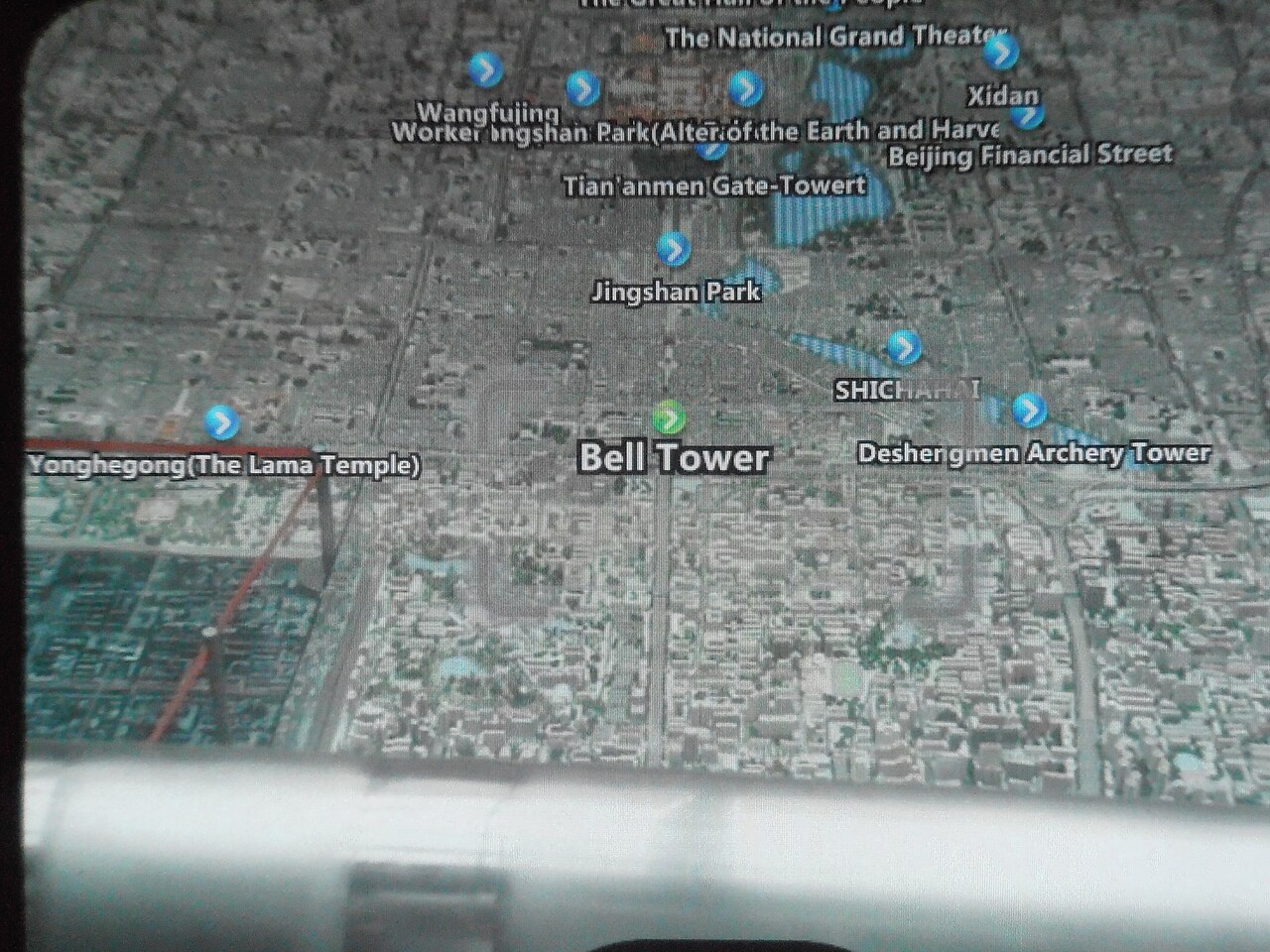
The displays centre on large architectural models, including a substantial model of Beijing’s central area. Maps and diagrams explain districts, transport connections, zoning, infrastructure and heritage areas. Other displays connect earlier stages of the capital’s growth with current construction and future projects. Multimedia elements may accompany the physical models. Begin with the largest model to gain a sense of the city’s overall structure, then move to district-level material. The hall presents planning through an official institutional viewpoint, with emphasis on organised development and modernisation.
Checked 2026-08-26 · Source
Allow about ninety minutes to two hours for a careful visit across the display levels. Visitors mainly interested in the central model can make a shorter stop of roughly forty-five to sixty minutes. Reading maps and captions takes longer than simply walking through the galleries, especially if you are building your own understanding of Beijing’s districts and transport structure. The hall combines well with Qianmen and nearby historic streets, creating a useful half-day focused on both the city’s past fabric and its planned future.
Checked 2026-08-26 · Source
Morning is a comfortable time for viewing the large models, when galleries may feel calmer and sightlines are easier. Weekends and Chinese public holidays bring more family groups and domestic visitors. Beijing’s summers can be hot and humid, while winter combines cold outdoor walks with heated interiors. Spring and autumn are pleasant for linking the hall with Qianmen and Tiananmen-area sights. Leave some flexibility around public holidays because central Beijing venues and nearby streets can become exceptionally busy during national celebrations.
Checked 2026-08-26 · Source
The hall functions as a public educational exhibition venue, and its admission arrangement may differ from a commercial museum or paid attraction. Carry identification during a visit to central Beijing, where registration and security procedures are common. The city’s payment culture is strongly digital, but keeping a backup payment option is sensible for travel generally. If you visit a special display, follow the ticket or access instructions provided at the venue. The exhibition’s main value lies in its models and visual explanation of Beijing’s urban structure.
Checked 2026-08-26 · Source
Qianmen Station on Beijing Subway Line 2 serves the area south of Tiananmen Square. From the station, continue on foot through the central streets toward the exhibition hall. The Qianmen and Dashilar districts are busy pedestrian environments, and vehicle drop-offs can be less direct than a walking approach. The hall also sits within the wider bus and taxi network. If travelling from the Forbidden City or Tiananmen Square, a southward walking route makes it easy to combine the exhibition with the historic city centre.
Checked 2026-08-26 · Source
Expect entry security in this central Beijing institution, including bag inspection and screening procedures. Some displays may have limited English explanation, so maps and translation tools can help with orientation. Crowds gather around the largest model, making a patient viewing position useful. Central streets near Qianmen also attract souvenir sellers and commercial solicitors. Keep your identification with you, follow staff directions and leave enough time for security and pedestrian movement when connecting the hall with Tiananmen-area attractions.
Checked 2026-08-26 · Source
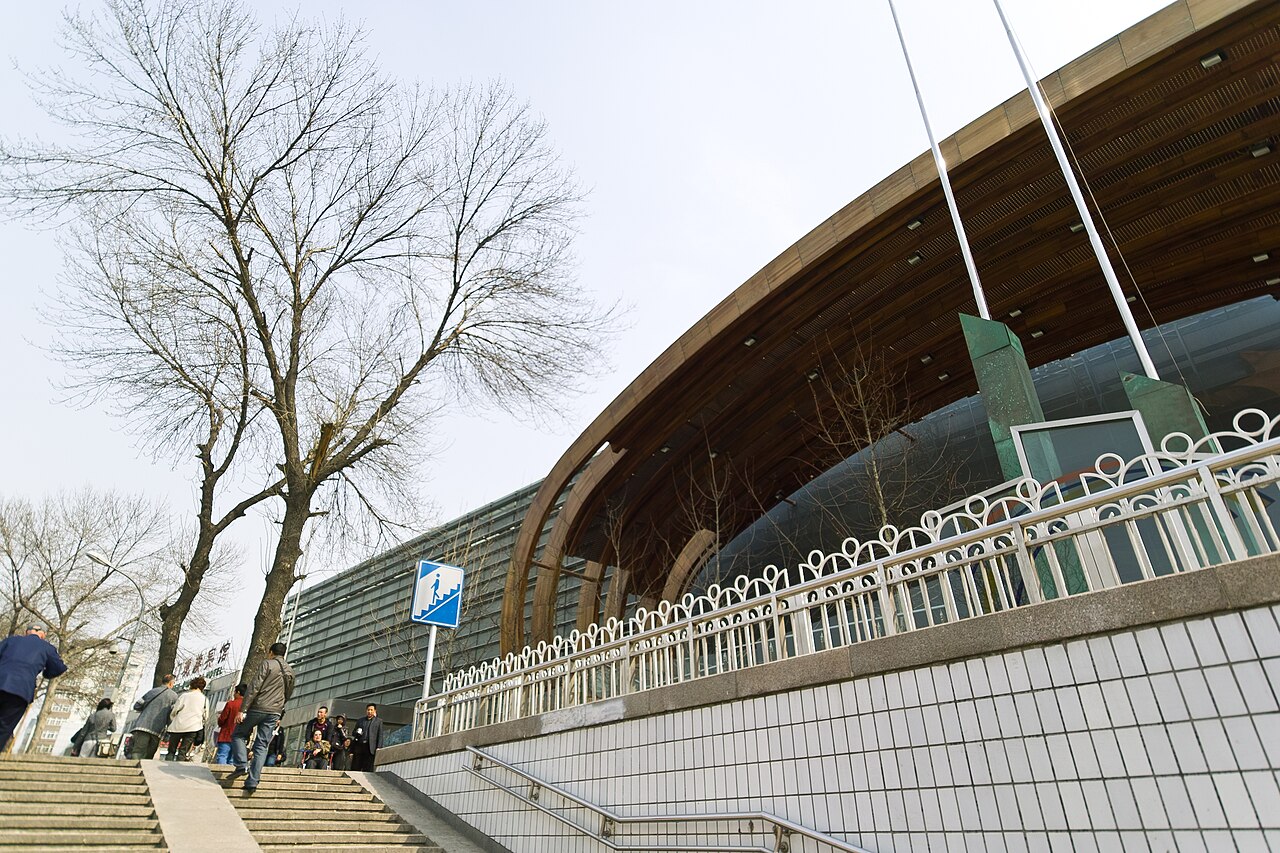
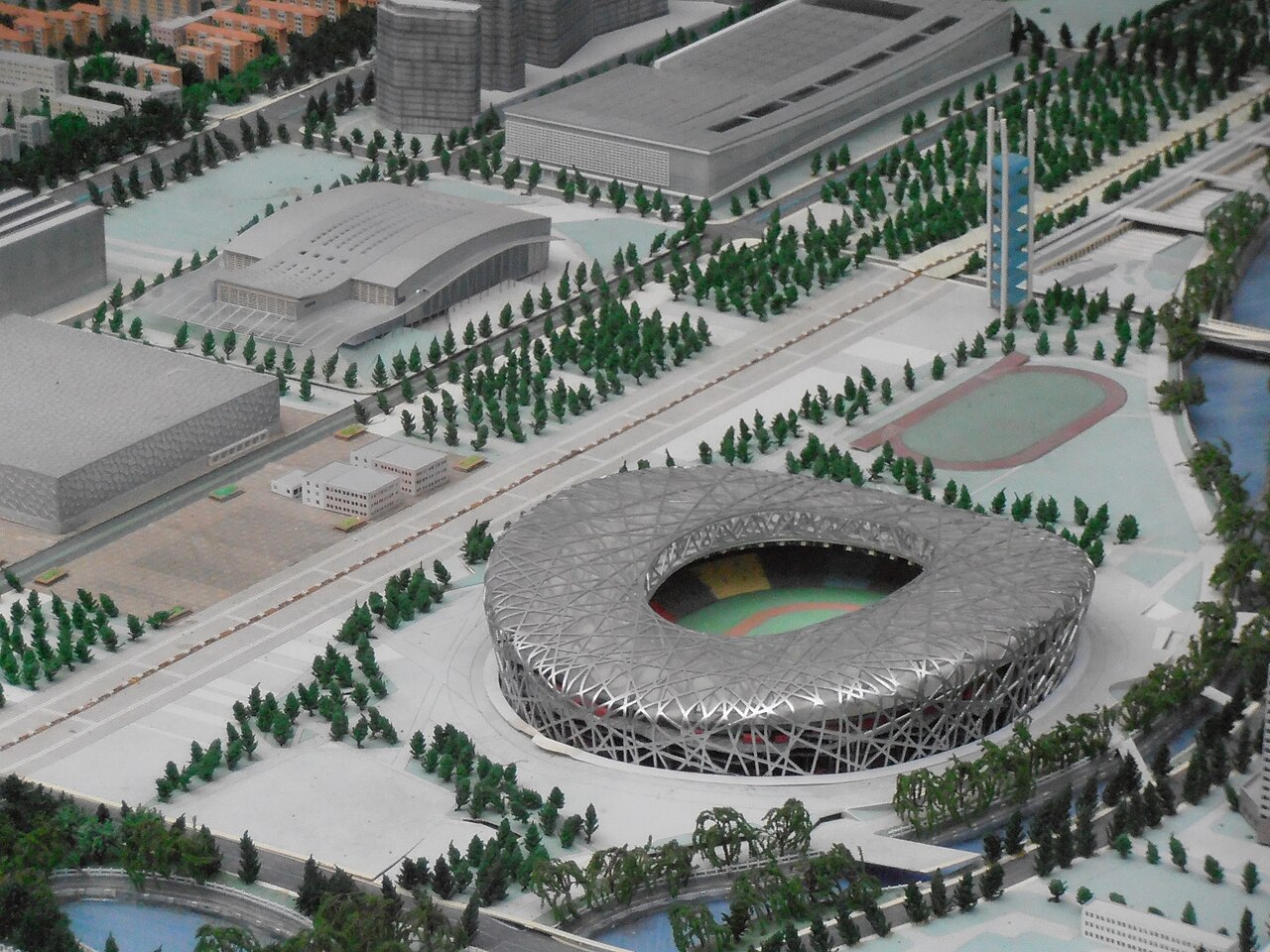
The central city model is the main photographic subject. Glass or reflective cases and overhead lighting can create glare, so move slowly to find a clear angle. Keep other visitors’ viewing space open and follow any signs around particular displays. Wide images help communicate the model’s scale, while close images work well for transport lines, districts and small architectural details. The hall’s exterior is less visually distinctive than the neighbouring Qianmen streets, making a combined photo walk more rewarding than treating the building alone as the day’s main subject.
Checked 2026-08-26 · Source
It suits visitors interested in architecture, urban planning, transport, heritage preservation and the growth of large cities.
The large architectural model of Beijing’s central area is the main highlight, supported by maps, diagrams and displays about development and infrastructure.
Qianmen Station on Line 2 serves the area. Continue on foot through the busy central streets toward the hall.
Plan ninety minutes to two hours for the full display, or forty-five to sixty minutes for a shorter visit centred on the main model.
Qianmen, Dashilar and the streets south of Tiananmen Square make natural companions for a half-day exploring Beijing’s historic centre.
Carry identification and allow time for entry screening. A translation tool can help with maps and captions that are not fully explained in English.
Loading the interactive map…
The interactive map could not be loaded.
Last updated:
Source: OpenStreetMap contributors, Wikidata ·