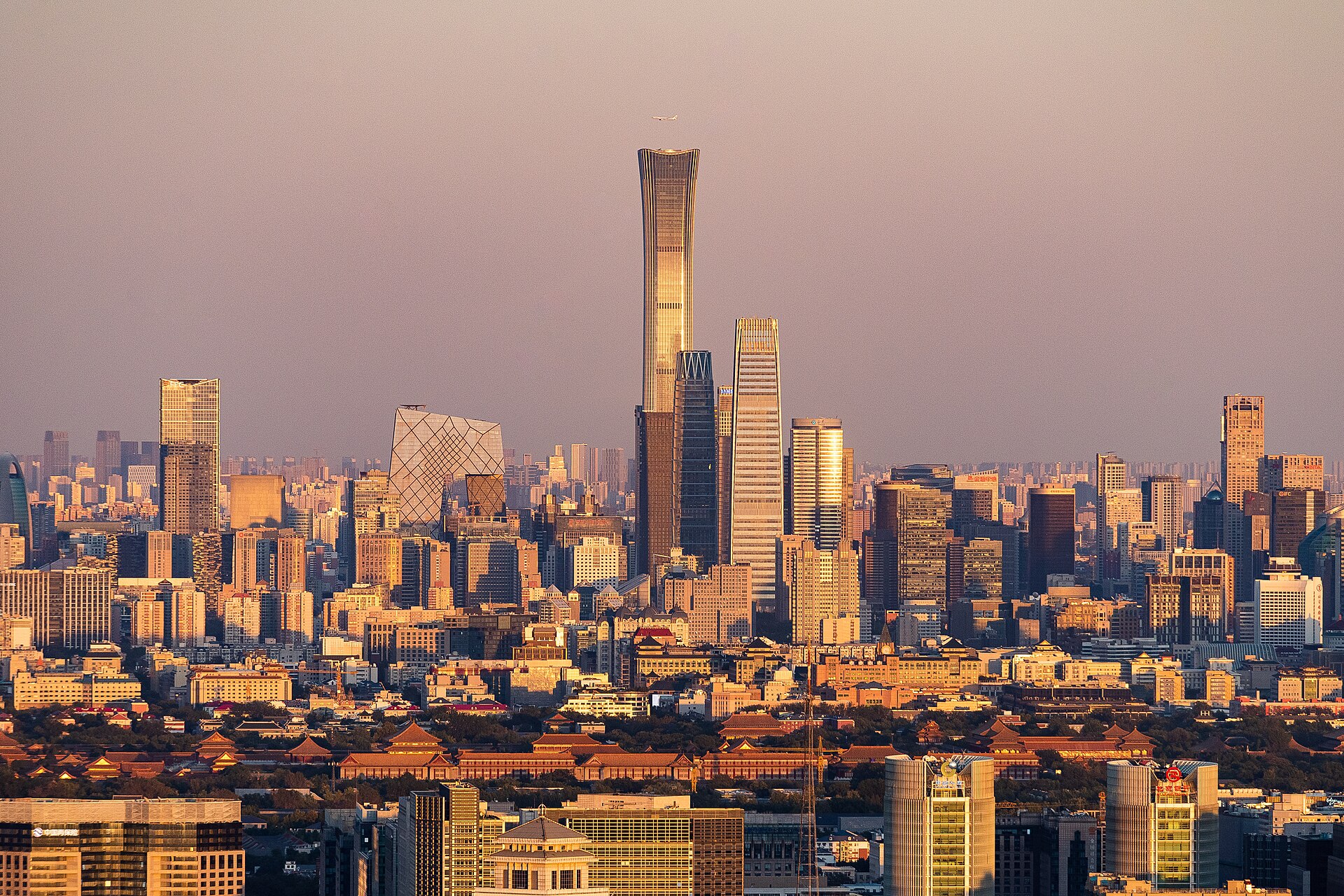
A photograph of Beijing

City guide · China

Beijing

Beijing is vast, but its principal historic sights align around the north-south imperial axis. Tiananmen Square, the Forbidden City and Jingshan form the centra...

Photograph · N509FZ · CC BY-SA 4.0

15,246 Places
Suggested stay
Not recorded
Getting around
Walking, subway and city bus

Turn this list into a plan

Set your days, your pace and the hours you actually want to be out. The planner works around closing days and travel time, and leaves room to eat.

Plan Beijing

Reviewed by Elena Voss · Roavina Travel Editor

Beijing is vast, but its principal historic sights align around the north-south imperial axis. Tiananmen Square, the Forbidden City and Jingshan form the central sequence, while the Temple of Heaven lies south and the lake, hutong and palace districts extend north and west. Great Wall sections and imperial tombs are separate day journeys outside the urban core.

Checked 2026-08-26

Practical information

Language spoken
Standard Chinese; regional languages are widely used
National practical orientation; regional and minority languages may also be used
Dialling code
+86 mainland · +852 Hong Kong · +853 Macao
International calling code; local area and mobile prefixes still apply
Currency
Renminbi (CNY); HKD and MOP in the SARs
Use the official local currency; card acceptance varies by place
Emergency number
110 police · 120 medical on the mainland
Use only for an emergency; tourist assistance may use a separate number
Plug type
Type A, C and I · 220 V
Check that chargers support the recorded voltage before using an adapter
Tap water
Not recorded
No single verified statement covers mainland China and both SARs

Planning a visit

September · September offers Beijing a 25.8°C mean high, 14.2°C mean low and rainfall reduced to 49 mm.

  1. January: recurring difficult conditions
  2. February: recurring difficult conditions
  3. March: viable with meaningful trade-offs
  4. April: good time to visit
  5. May: best time to visit
  6. June: viable with meaningful trade-offs
  7. July: viable with meaningful trade-offs
  8. August: viable with meaningful trade-offs
  9. September: best time to visit — current month
  10. October: best time to visit
  11. November: viable with meaningful trade-offs
  12. December: recurring difficult conditions

Sources

Top things to see

Ranked by importance — sitelinks, pageviews and heritage status, not editor preference.

  1. Beijing Planetarium Beijing Planetarium
    07 1 hr 30 min

    Beijing Planetarium

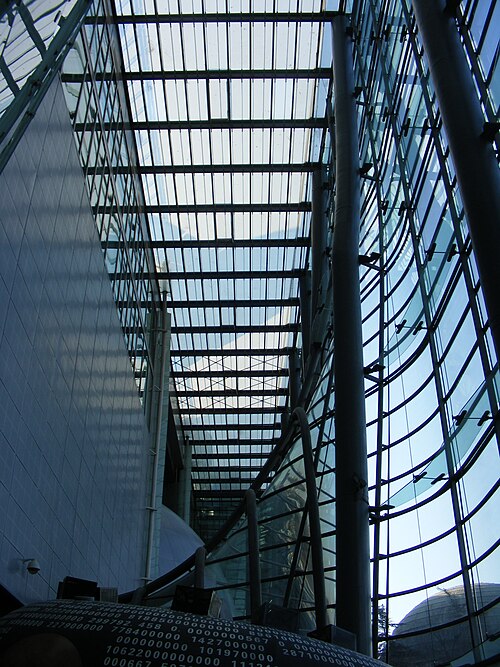
    Beijing Planetarium is a public astronomy museum and planetarium facility in Beijing, China. Its local name is 北京天文馆. The institution serves as a venue for astronomical education, public science outreach, and celestial observation experiences.

    • Must see
    • Museum
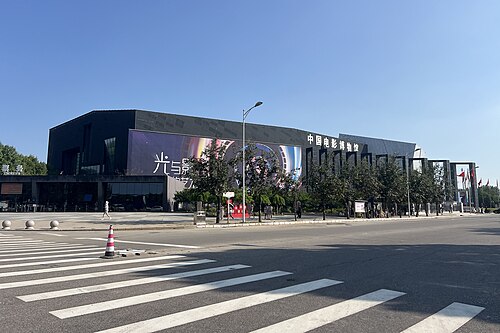
  2. China National Film Museum China National Film Museum
    08 1 hr 30 min

    China National Film Museum

    中国电影博物馆

    China National Film Museum is a national institution devoted to the history, technology and culture of Chinese cinema.

    • Must see
    • Museum
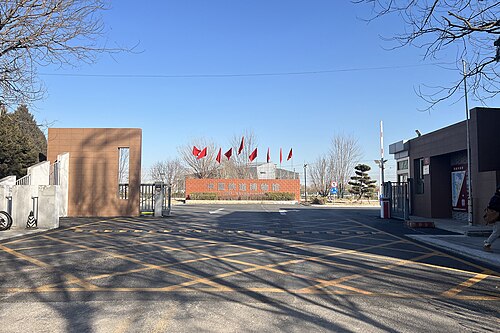
  3. China Railway Museum China Railway Museum
    09 1 hr 30 min

    China Railway Museum

    中国铁道博物馆(东郊展馆)

    The China Railway Museum is a national museum in Beijing dedicated to the history of Chinese railways.

    • Must see
    • Museum
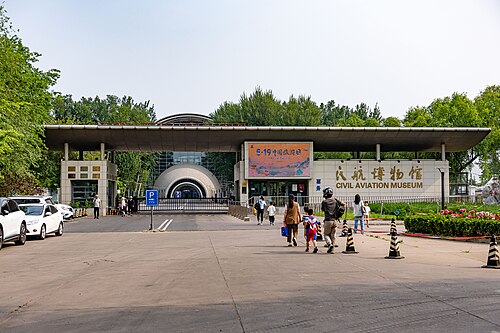
  4. 中国民航博物馆 中国民航博物馆
    10 1 hr 30 min

    中国民航博物馆

    China Civil Aviation Museum documents the development of civil aviation in China through aircraft, engines, equipment, uniforms, documents and operational history. Its engine-shaped main hall and outdoor aircraft apron stand near Capital Airport but are not inside a passenger terminal.

    • Must see
    • Museum
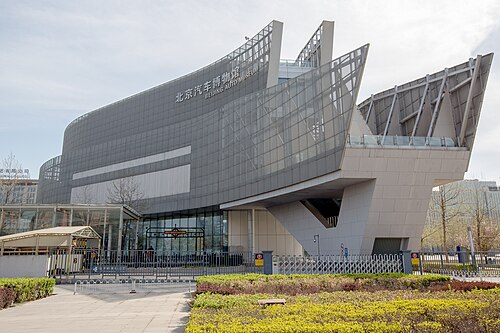
  5. Beijing Auto Museum Beijing Auto Museum
    11 1 hr 30 min

    Beijing Auto Museum

    北京汽车博物馆

    Beijing Auto Museum is a purpose-built museum in Fengtai devoted to automobile history, engineering, design and the social effects of motor transport.

    • Must see
    • Museum
  6. The Grand Canal Museum of Beijing
    12 1 hr 30 min

    The Grand Canal Museum of Beijing

    北京大运河博物馆

    Beijing Grand Canal Museum introduces the Grand Canal of China, the immense waterway linking northern and southern parts of the country. The museum gives travellers a cultural way to understand the canal’s engineering, transport and historical importance.

    • Must see
    • Museum
  7. Beijing Planning Exhibition Hall Beijing Planning Exhibition Hall
    13 1 hr 30 min

    Beijing Planning Exhibition Hall

    北京市规划展览馆

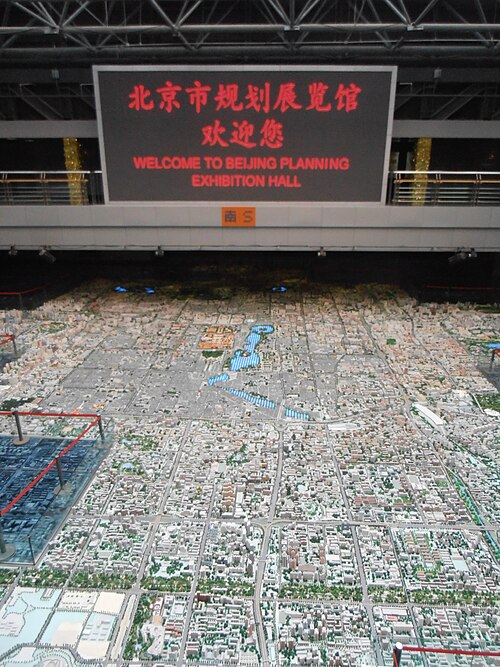
    Beijing Planning Exhibition Hall is a central exhibition venue focused on the capital’s urban form, development and future plans. Near Qianmen, it places Beijing’s immense scale into a visual format that visitors can understand through maps, models and diagrams.

    • High
    • Museum
  8. Beijing Police Museum Beijing Police Museum
    14 1 hr 30 min

    Beijing Police Museum

    北京警察博物馆

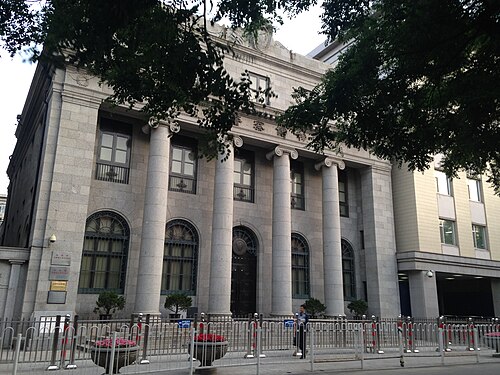
    Beijing Police Museum is a municipal museum in central Beijing devoted to the history and development of policing in China’s capital. The museum presents policing as an institution shaped by changing governments, technologies, and urban needs.

    • High
    • Museum
  9. Former Residence of Soong Ching-ling Former Residence of Soong Ching-ling
    15 1 hr 30 min

    Former Residence of Soong Ching-ling

    宋庆龄故居

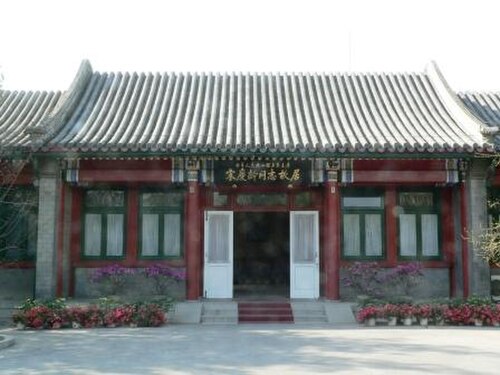
    The Former Residence of Soong Ching-ling is a historic house museum in Beijing’s Shichahai area.

    • High
    • Museum
  10. Beijing Lu Xun Museum Beijing Lu Xun Museum
    16 1 hr 30 min

    Beijing Lu Xun Museum

    鲁迅博物馆

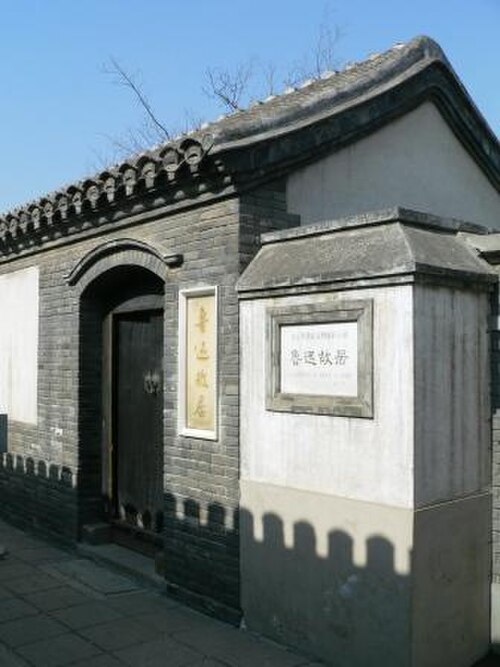
    Beijing Lu Xun Museum is dedicated to the life, writing and cultural legacy of Lu Xun, one of modern China’s most influential authors.

    • High
    • Museum
  11. 梅兰芳纪念馆
    17 1 hr 30 min

    梅兰芳纪念馆

    The Mei Lanfang Memorial Museum is a cultural memorial site in Beijing dedicated to Mei Lanfang, the celebrated Peking opera artist renowned for his dan roles.

    • High
    • Museum
  12. 徐悲鸿纪念馆
    18 1 hr 30 min

    徐悲鸿纪念馆

    Xu Beihong Memorial Museum is a Beijing museum devoted to Xu Beihong, the modern Chinese artist celebrated especially for paintings of horses.

    • High
    • Museum
  13. 中国考古博物馆
    19 1 hr 30 min

    中国考古博物馆

    China Archaeological Museum, 中国考古博物馆, is a Beijing institution devoted to archaeology and archaeological heritage. Its focus is the material record of China’s past: excavated objects, the cultures that made them, and the evidence archaeologists use to reconstruct earlier lives.

    • High
    • Museum

Source: OpenStreetMap contributors, Wikidata ·

How the city is laid out

Plan the Forbidden City axis as one long central route and avoid pairing it with a distant outer attraction. The Temple of Heaven and Qianmen fit a southern cluster; Shichahai, Drum Tower and nearby hutongs form a northern cluster. The Summer Palace occupies a western half-day, while any Great Wall section requires its own transport plan.

Checked 2026-08-26

Getting around

Beijing’s official guidance describes the subway as the most convenient public transit for major attractions and transport hubs. Use rail for cross-city moves, then walk within each historic cluster. International bank-card access is available at supported gates under current guidance. Distances and security checks can add time, so leave margins around major monuments and railway stations.

Checked 2026-08-26

Common questions

How many days should I spend in Beijing?

A fixed stay length is not recorded. Build the visit around the imperial axis, Shichahai and the western palaces, then add Great Wall sections and imperial tombs only when the available time supports a separate journey.

What is the best way to organise sightseeing in Beijing?

Group places by district instead of crossing the city repeatedly. Start with the imperial axis, Shichahai and the western palaces; treat Great Wall sections and imperial tombs as separate routes with their own travel allowance.

How do I get around Beijing?

Use Walking, subway and city bus. Walk within compact clusters and consult the linked official transport information before making longer transfers or relying on a particular route.

Can I explore Beijing mainly on foot?

Only within individual neighbourhood clusters. The main visitor areas are separated by distances, waterways, major roads or regional approaches, so longer links normally need public transport or a licensed vehicle.

Which Beijing sights need separate transport planning?

Plan Great Wall sections and imperial tombs separately from the imperial axis, Shichahai and the western palaces. Check the current route, return connection and any access requirements on the official source before departure.