.jpg)
07
1 hour
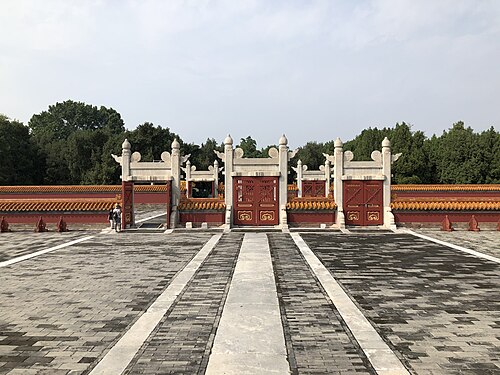
Temple of Earth
地坛公园
Ditan Park, known in Chinese as 地坛公园, is a historic imperial altar complex located in Beijing.
- Must see
- Nature site
City guide · China
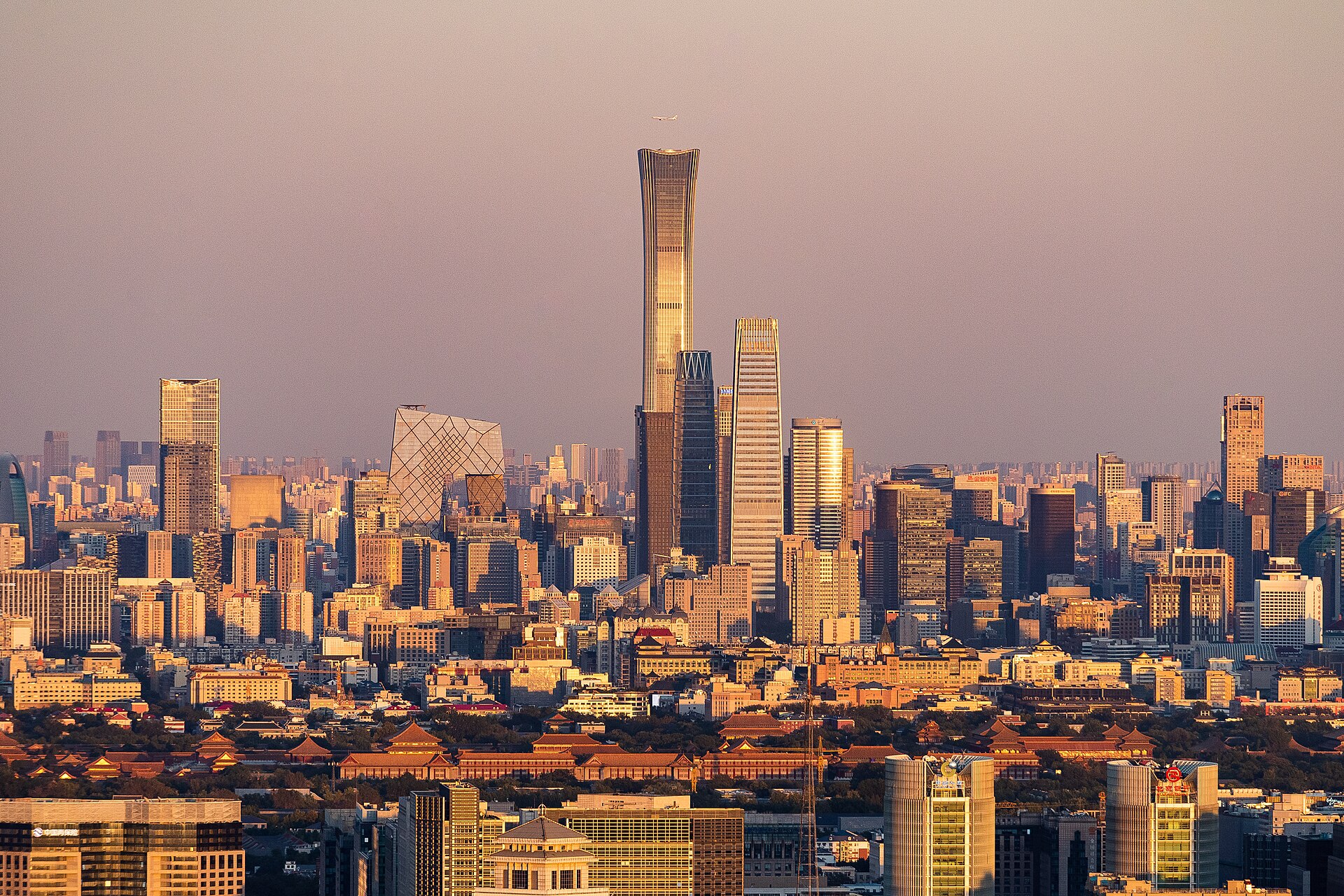
Beijing is vast, but its principal historic sights align around the north-south imperial axis. Tiananmen Square, the Forbidden City and Jingshan form the centra...
Photograph · N509FZ · CC BY-SA 4.0
Set your days, your pace and the hours you actually want to be out. The planner works around closing days and travel time, and leaves room to eat.
Reviewed by Elena Voss · Roavina Travel Editor
Beijing is vast, but its principal historic sights align around the north-south imperial axis. Tiananmen Square, the Forbidden City and Jingshan form the central sequence, while the Temple of Heaven lies south and the lake, hutong and palace districts extend north and west. Great Wall sections and imperial tombs are separate day journeys outside the urban core.
Checked 2026-08-26
September · September offers Beijing a 25.8°C mean high, 14.2°C mean low and rainfall reduced to 49 mm.
Ranked by importance — sitelinks, pageviews and heritage status, not editor preference.
14 places match
Category
Typical visit duration
Interests
地坛公园
Ditan Park, known in Chinese as 地坛公园, is a historic imperial altar complex located in Beijing.
日坛公园
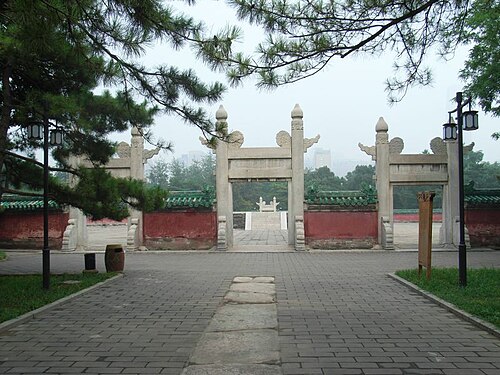
Ritan Park, known locally as 日坛公园, is a historic park located in Beijing's Chaoyang District.

Yuetan Park, known locally as 月坛公园, is a historic park located in Beijing, China. It forms part of the city's cultural heritage as one of the ancient altar complexes.
潭柘寺
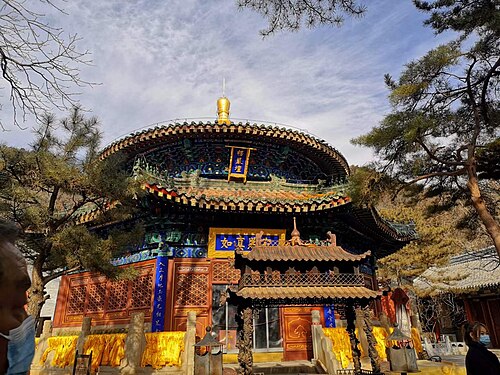
Tanzhe Temple is a historic Buddhist temple located in the Western Hills of Beijing. Known locally as 潭柘寺, it stands as one of the most ancient temples in the Beijing region with deep cultural significance.

奥林匹克森林公园
Olympic Forest Park is a major public park in Beijing, China, created as part of the legacy infrastructure for the 2008 Summer Olympics. The local name is 奥林匹克森林公园.
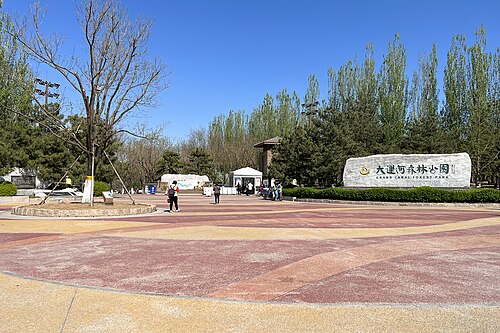
大运河森林公园
Grand Canal Forest Park is a large green space in Beijing’s Tongzhou District beside the historic Grand Canal. It offers a quieter, more open way to experience the waterway, combining woodland, paths and canal-side scenery.
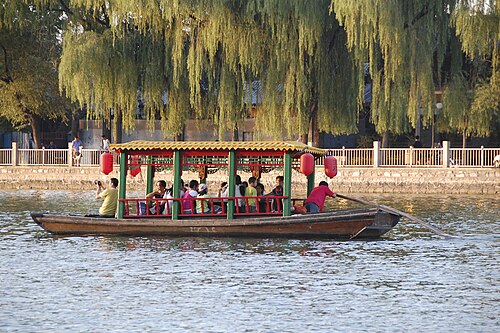
什刹后海
Houhai is the northernmost of the three lakes in Beijing’s Shichahai water area, alongside Qianhai and Xihai. Its name means “Back Sea,” reflecting its position north of the former imperial city.
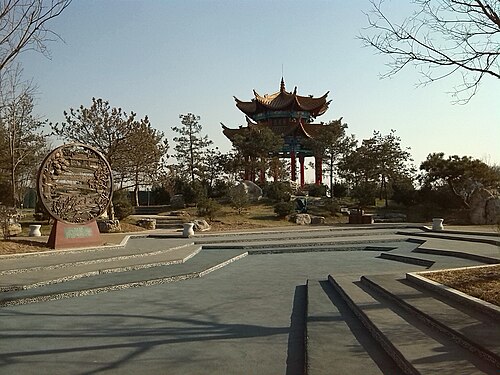
北京园博园
Beijing Garden Expo Park is a large landscaped park in Fengtai District, created as the lasting venue of an international garden exposition.
Plan the Forbidden City axis as one long central route and avoid pairing it with a distant outer attraction. The Temple of Heaven and Qianmen fit a southern cluster; Shichahai, Drum Tower and nearby hutongs form a northern cluster. The Summer Palace occupies a western half-day, while any Great Wall section requires its own transport plan.
Checked 2026-08-26
Beijing’s official guidance describes the subway as the most convenient public transit for major attractions and transport hubs. Use rail for cross-city moves, then walk within each historic cluster. International bank-card access is available at supported gates under current guidance. Distances and security checks can add time, so leave margins around major monuments and railway stations.
Checked 2026-08-26
A fixed stay length is not recorded. Build the visit around the imperial axis, Shichahai and the western palaces, then add Great Wall sections and imperial tombs only when the available time supports a separate journey.
Group places by district instead of crossing the city repeatedly. Start with the imperial axis, Shichahai and the western palaces; treat Great Wall sections and imperial tombs as separate routes with their own travel allowance.
Use Walking, subway and city bus. Walk within compact clusters and consult the linked official transport information before making longer transfers or relying on a particular route.
Only within individual neighbourhood clusters. The main visitor areas are separated by distances, waterways, major roads or regional approaches, so longer links normally need public transport or a licensed vehicle.
Plan Great Wall sections and imperial tombs separately from the imperial axis, Shichahai and the western palaces. Check the current route, return connection and any access requirements on the official source before departure.