
11 min walk
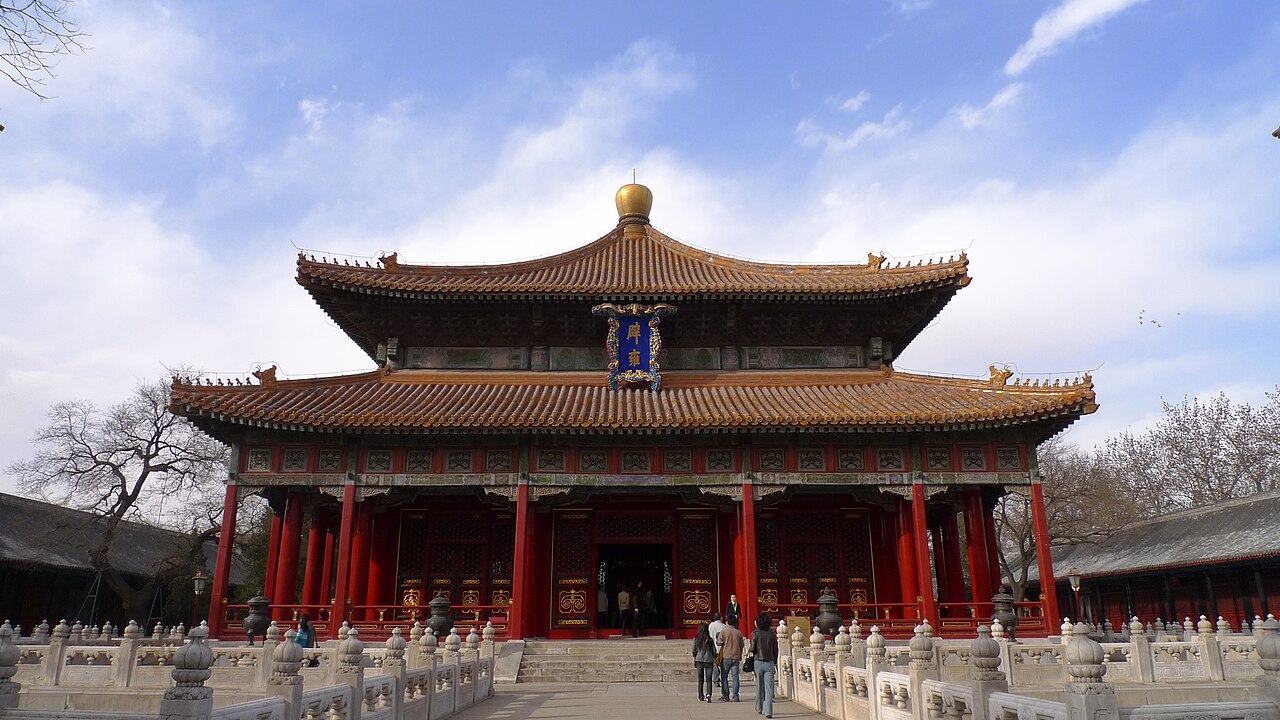
Guozijian
- Must see · Heritage site
- Historic monument
Nature site · Beijing
地坛公园
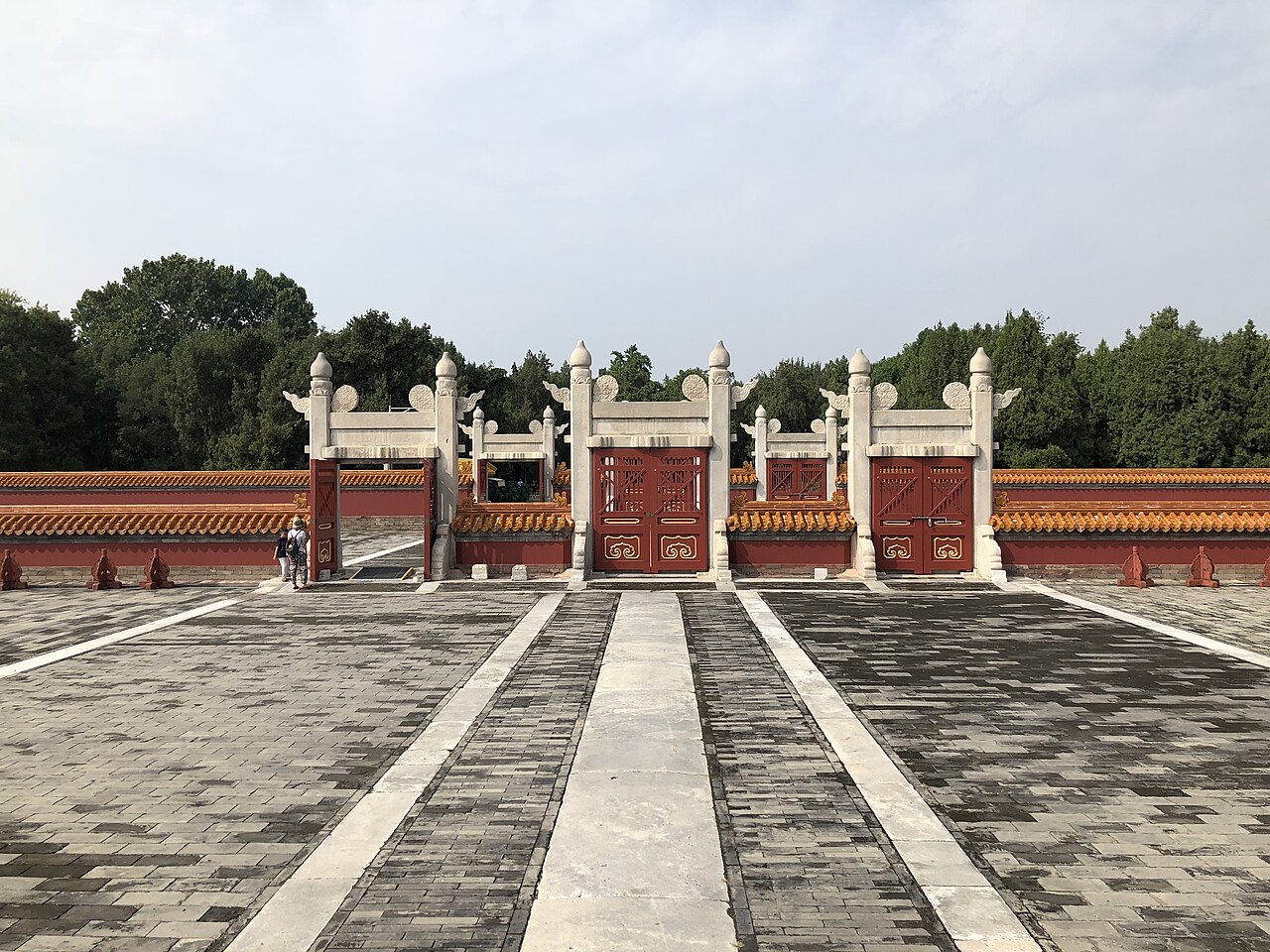
Ditan Park, known in Chinese as 地坛公园, is a historic imperial altar complex located in Beijing. It was constructed in 1530 during the Ming Dynasty as the Temple of Earth, serving as the site where emperors performed rituals to worship the Earth God. The park represents one of Beijing's major ritual complexes alongside the Temple of Heaven. Today it functions as a public park preserving significant traditional architecture and cultural heritage within an urban green space setting. A flexible visit lets travellers connect Ditan Park with the rest of the day without treating one room, viewpoint or photograph as the whole experience. The useful pace depends on personal interest and conditions on arrival.
Checked 2026-08-26
Ditan Park preserves the Temple of Earth, the square Fangze Altar where Ming and Qing emperors conducted state sacrifices to the earth deity. The historic northern core includes ritual gates, service buildings and more than 160 old trees, many over three centuries old. Elsewhere, broad avenues support daily exercise, and the Traditional Chinese Medicine Health Culture Garden links five themed zones with medicinal plants and an acupressure-stone trail. Huangqishi, the imperial spirit room, uses a separate CNY 5 ticket when open. The public park and protected altar landscape therefore share one site but do not provide identical access or opening arrangements.
Checked 2026-08-31 · Source
Visitors typically allocate one to two hours for a comprehensive experience of Ditan Park. Casual strolls through the grounds may require less time, while those interested in architectural examination and historical contemplation may extend their visit. The compact nature of the central ritual zone permits efficient exploration, though the full park grounds encompass additional areas worthy of attention. Photography enthusiasts and individuals seeking quiet reflection often remain longer. Personal pacing depends on seasonal conditions and individual interests in cultural heritage sites.
Checked 2026-08-26
From 1 May to 31 October Ditan Park is open daily 06:00-21:30; from 1 November to 30 April it closes at 20:30. Early morning shows the park's everyday role, with residents exercising beneath old cypresses before visitor numbers rise. Late autumn brings the ginkgo avenue's strongest colour. Spring Festival is fundamentally different: the temple fair uses event hours, denser security and a separate ticket, and ordinary park passes may not apply. Summer midday heat makes the exposed altar less comfortable, while winter paths can be icy. The park bans smoking throughout the grounds.
Checked 2026-08-31 · Source
Regular Ditan Park admission is CNY 2. Huangqishi, when operating as a separately visited historic interior, costs CNY 5. The Spring Festival temple fair is a distinct event with its own ticket; the recent full price was CNY 10 and ordinary annual or monthly park passes were suspended during fair hours. Eligible children and documented concession groups follow the event's published reduction rules. A normal park ticket does not guarantee access to a closed ceremonial building or a festival performance. Buy from official park windows or event channels and retain the ticket until leaving.
Checked 2026-08-31 · Source
Ditan Park occupies a location in Beijing's Dongcheng District, accessible through the city's extensive public transportation network. The nearest subway stations provide reasonable walking access to park entrances. Multiple bus routes serve the surrounding area with stops in proximity to the site. Taxi and ride-hailing services offer direct transportation alternatives. Visitors familiar with Beijing's urban geography will recognize its position relative to other historic landmarks. Cycling represents another viable option given the city's developing bicycle infrastructure. Planning routes in advance accommodates efficient arrival.
Checked 2026-08-26
Visitors should exercise standard precautions appropriate to busy urban parks in major Chinese cities. Personal belongings require attentive management in areas experiencing high visitor density. Weather-appropriate preparation proves essential given predominantly outdoor exposure. Historical structures demand respectful conduct and adherence to protective regulations. During festival periods, crowd congestion may intensify substantially. Language barriers may affect navigation and information acquisition for non-Chinese speakers. Mobile connectivity facilitates map consultation and translation assistance. Comfortable footwear supports extensive ground coverage across varied surfaces.
Checked 2026-08-26
Ditan Park presents substantial photographic interest through its historical architecture, mature tree specimens, and seasonal atmospheric variations. The geometric precision of ritual structures offers compelling compositional opportunities. Early morning and late afternoon lighting conditions enhance visual appeal. Photography of specific interior spaces may face restrictions requiring advance clarification. Tripod usage potentially encounters regulatory limitations in certain zones. Respectful distance from active worship or ceremonial activities maintains appropriate conduct. Seasonal events introduce dynamic elements for documentation. Equipment security warrants continuous attention in public settings.
Checked 2026-08-26
From 1 May to 31 October, 06:00-21:30.
Regular admission is CNY 2; festival events can use a separate ticket.
Partially. Main avenues are level, but altar steps, old thresholds and specialist paths are not fully step-free.
Yonghegong Station on Lines 2 and 5, Exit A.
Ming and Qing emperors used the Temple of Earth altar for state sacrifices to the earth deity.
During selected Spring Festival dates; it uses event hours and a separate ticket announced for that year.
Loading the interactive map…
The interactive map could not be loaded.
Last updated:
Source: OpenStreetMap contributors, Wikidata ·