
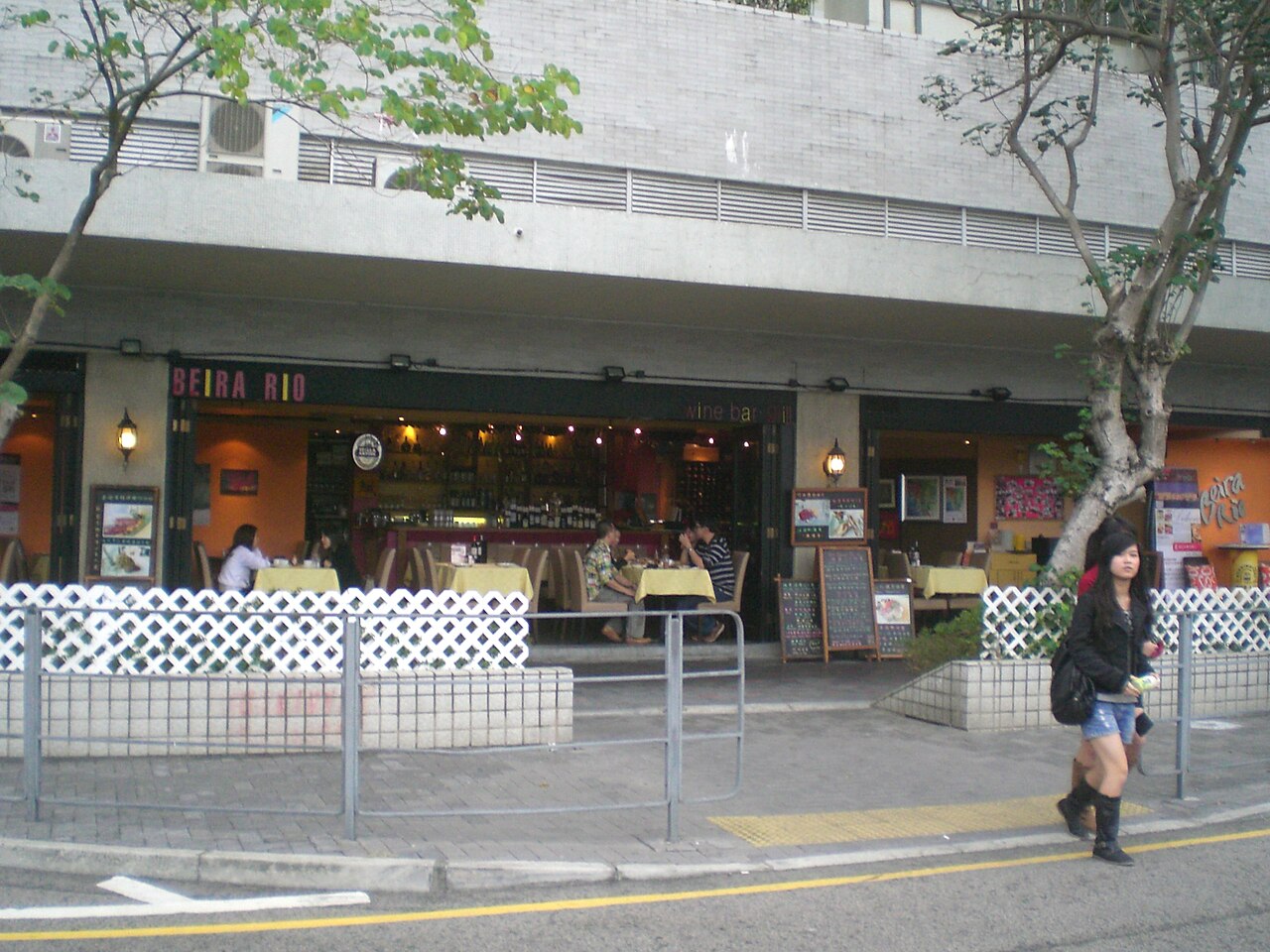
3 min walk · 東區 Eastern District
SoHo East
- High
- Historic monument
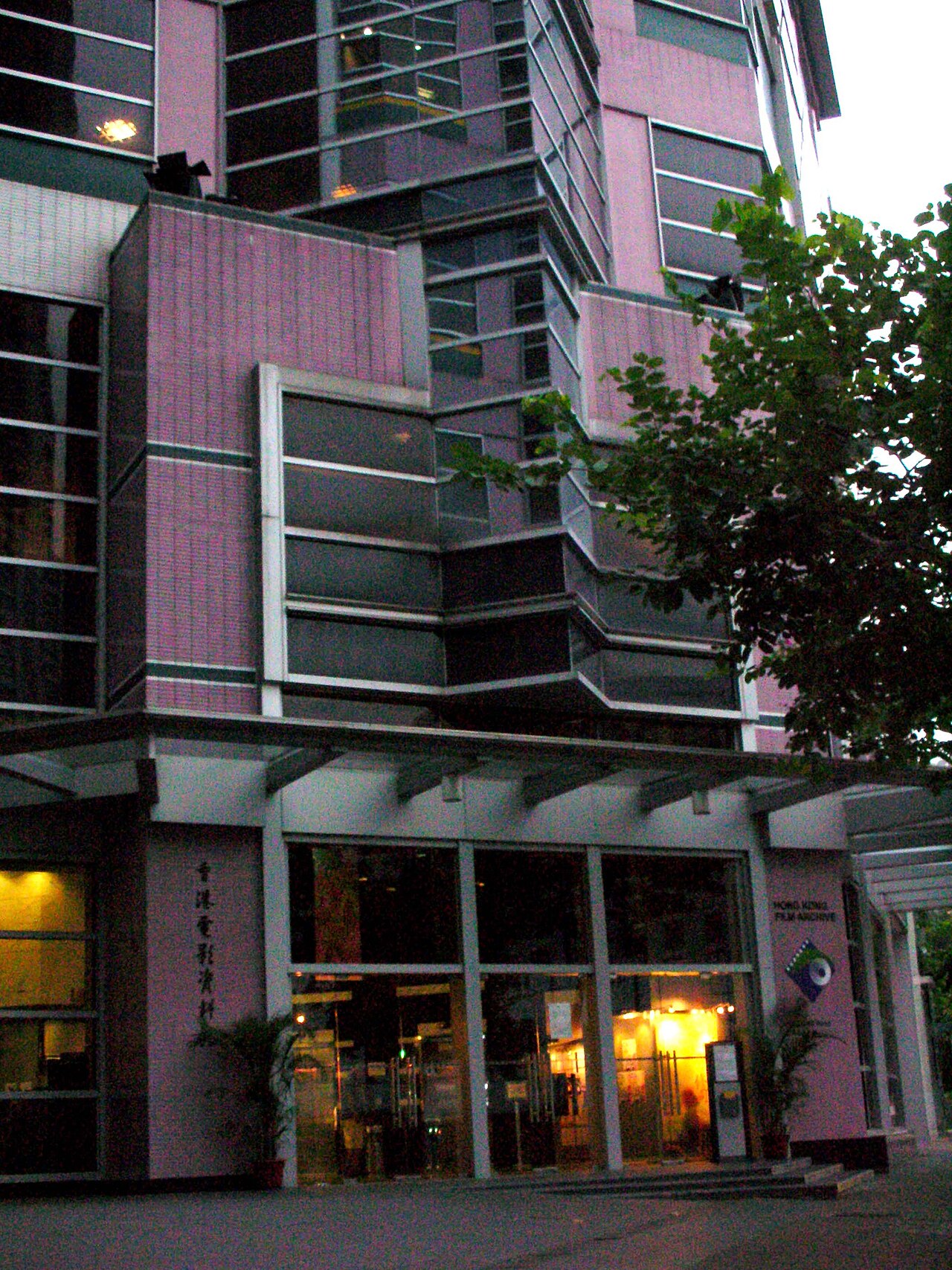
Museum · 東區 Eastern District, Hong Kong
香港電影資料館 Hong Kong Film Archive
Read from the OpenStreetMap access tags; anything not listed has no tag recorded.
Set the group type to family in the planner and the day window contracts to about three quarters of a solo day.
The Hong Kong Film Archive in Sai Wan Ho is a cultural venue devoted to Hong Kong’s moving-image heritage. It brings together public exhibitions, film screenings and archival resources, offering a focused way to understand the territory through cinema. The archive is especially rewarding for travelers interested in local identity, filmmaking, performers, studios and the wider cultural history recorded on screen. Its setting on Hong Kong Island makes it a useful stop beyond the busiest central attractions. The Hong Kong Film Archive in Sai Wan Ho preserves and presents the moving-image heritage of Hong Kong. It connects public visitors with the territory’s cinema through exhibitions, screenings and archival material. The institution is especially valuable for travelers who want cultural context beyond major landmarks, showing how local filmmaking, performers and studios helped shape Hong Kong’s identity. The Hong Kong Film Archive is a specialised institution dedicated to preserving Hong Kong's cinematic heritage. Established as a repository for films, documents, and related materials, it serves researchers, filmmakers, and the public interested in the territory's rich film history. The archive occupies a distinctive building in Sai Wan Ho on Hong Kong Island. Its mission encompasses conservation, restoration, and public education about Hong Kong cinema, which has achieved international recognition through directors such as Wong Kar-wai and John Woo. The facility represents a significant cultural resource for understanding the territory's identity through its moving image heritage. You can explore cinema-related exhibitions, attend public film screenings and encounter archival material documenting Hong Kong’s film history.
Checked 2026-08-26 · Source
Inside, the archive brings together film prints, videotapes, digital material and documents connected with Hong Kong cinema. Exhibition areas present selected themes and materials, while the cinema hosts public screenings. Research spaces give the institution a quieter, more specialised character, balancing an accessible museum-like visit with resources valuable to scholars, filmmakers and dedicated cinema enthusiasts. The archive brings together film prints, videotapes, digital material and documents connected with Hong Kong cinema.
Checked 2026-08-26 · Source
Allow around two to three hours for a satisfying visit. That gives you time to move through the exhibition areas, absorb the archival displays and spend time with the building’s cinema focus without rushing. A shorter stop can work when you want only the gallery experience. Add more time when a public screening interests you or when your visit includes meaningful exploration of the research holdings and their supporting visual materials.
Checked 2026-08-26 · Source
The archive works well throughout the year because its principal experiences are indoors. It provides a useful cultural destination during hot, humid or rainy weather, when an outdoor sightseeing plan may be less comfortable. The best timing depends on your interest in exhibitions or screenings: a gallery visit fits easily into a Sai Wan Ho outing, while a film event gives the stop a more definite place in your day.
Checked 2026-08-26 · Source
The archive offers several kinds of experience, including exhibitions, public cinema screenings and research access. These activities serve different purposes, so plan around the one that matters most to you. A traveler seeking cultural context can concentrate on the exhibition areas, while a film enthusiast may build the visit around the cinema. Research spaces are suited to visitors who want deeper engagement with the archive’s historical resources and records.
Checked 2026-08-26 · Source
Sai Wan Ho Station is the key public-transport reference point for reaching the archive on Hong Kong Island, with the MTR Island Line providing the clearest station-based approach. King’s Road is served by buses and tram services, and taxis operate across the district. The final walk passes through an urban neighbourhood, so allow for ordinary local streets and some changes in gradient between transit stops and the building.
Checked 2026-08-26 · Source
The building serves both general visitors and researchers, and its spaces call for different types of consideration. Keep noise low in study areas and cinema spaces, and handle archival material with care. Exhibition presentations change, while screening programs vary, giving repeat visits a different emphasis. The venue occupies several levels, so pay attention to the building’s routes and lift access when moving between public areas.
Checked 2026-08-26 · Source
Photography should remain discreet and considerate of the archive’s different environments. Gallery displays may have specific restrictions, while research areas and the cinema require particular care because they are working or viewing spaces. Follow signs and staff directions inside the building. Keep tripods and large equipment out of the way, and remember that film stills, posters, documents and other collection items are cultural materials associated with copyright.
Checked 2026-08-26 · Source
You can visit cinema-related exhibitions, attend public film screenings and encounter archival material documenting Hong Kong’s film history. The venue combines an accessible cultural visit with deeper resources for visitors who want to explore filmmaking, performers, studios and the visual record of the territory.
Yes. The archive contains a cinema used for public screenings, making it possible to experience Hong Kong cinema in a venue dedicated to preserving and presenting that heritage. Screenings complement the exhibition areas and archival collections, so the visit can combine watching films with learning about their cultural context.
The collections include film prints, videotapes, digital material, feature films, documentaries, newsreels and amateur footage.
Two to three hours suits a visit that combines the exhibition areas with time to explore the archive’s cinema theme. A shorter visit can focus on the gallery presentation, while a screening or research-focused visit can extend your stay beyond that general timeframe.
Use the MTR Island Line to Sai Wan Ho Station as your main public-transport landmark. King’s Road also carries bus and tram services, and taxis serve the surrounding district. From the station area, continue through the urban streets of Sai Wan Ho toward the archive building.
Research areas and cinema spaces call for considerate behaviour, with low noise and careful movement. Archival material should be handled gently, and staff directions should be followed throughout the building. These habits help protect the collections and preserve a comfortable environment for people studying or watching films.
Loading the interactive map…
The interactive map could not be loaded.
Last updated:
Source: OpenStreetMap contributors, Wikidata ·