
2 min walk · 油尖旺區 Yau Tsim Mong District
Kowloon Park
- High
- Nature site

Museum · 油尖旺區 Yau Tsim Mong District, Hong Kong
香港文物探知館 Hong Kong Heritage Discovery Centre
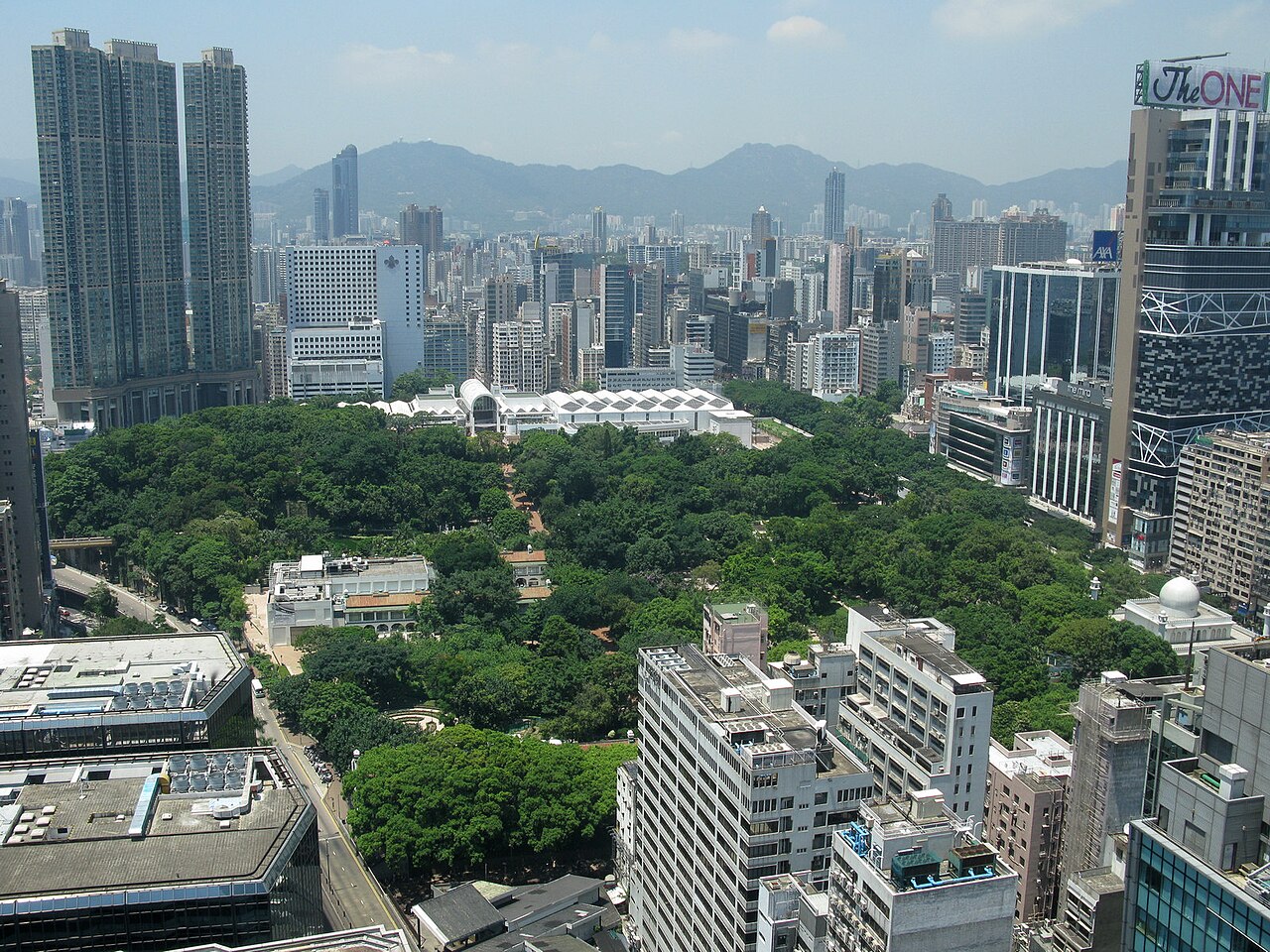
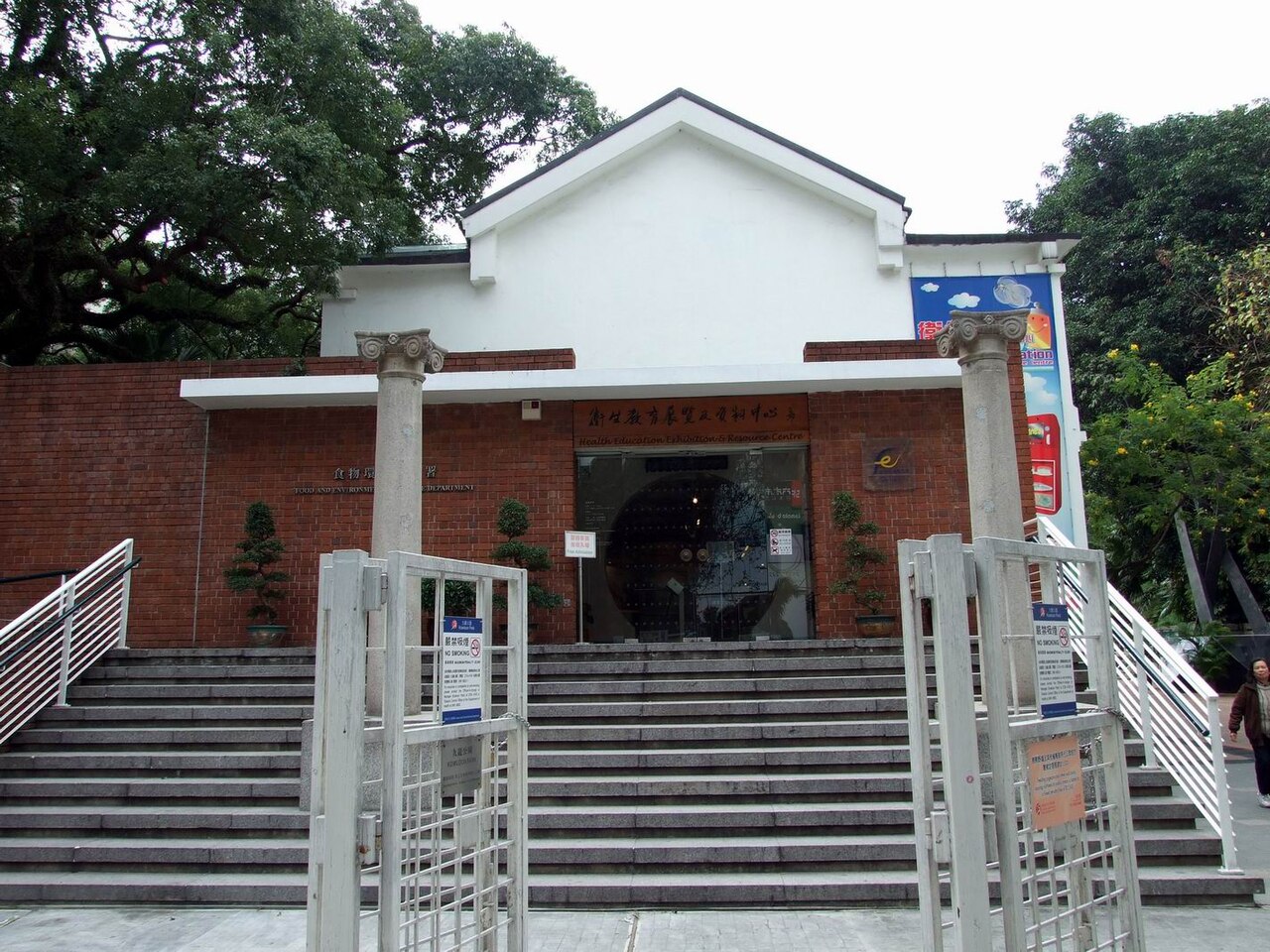
Hong Kong Heritage Discovery Centre is a cultural institution in Kowloon Park, Tsim Sha Tsui, devoted to Hong Kong’s archaeological and built heritage. It occupies Blocks S61 and S62 of the former Whitfield Barracks, allowing visitors to encounter both the exhibitions and an example of preserved colonial military architecture. The centre works under the Antiquities and Monuments Office and suits travellers who want historical context alongside the busy streets of Kowloon. The Hong Kong Heritage Discovery Centre is a cultural institution located in Kowloon Park, Tsim Sha Tsui. Housed in historic Blocks S61 and S62 of the former Whitfield Barracks, the centre serves as a museum and educational facility dedicated to Hong Kong's archaeological and built heritage. The building itself represents adaptive reuse of colonial military architecture, demonstrating how historic structures can be preserved for contemporary public purposes. The centre operates under the Antiquities and Monuments Office. Visitors should verify current ticketing policy directly with the centre or through official government channels before visiting.
Checked 2026-08-26 · Source
Inside, exhibition halls present Hong Kong’s archaeological discoveries, historic buildings and conservation work. Temporary displays add changing themes to the broader heritage story, while the lecture theatre and educational activity rooms support talks, learning sessions and group programmes. The centre is best approached as a focused cultural stop: read the interpretation, compare objects and buildings across Hong Kong, and then step outside to see how the former barracks have been adapted for public use. The centre features permanent and temporary exhibitions exploring Hong Kong's heritage. Facilities include exhibition halls, a lecture theatre, and educational activity rooms. Displays cover archaeological discoveries, historic buildings, and conservation efforts across the territory.
Checked 2026-08-26 · Source
Allow about one to two hours for the centre’s exhibitions. A quicker visit can cover the principal archaeological and architectural themes, while a slower visit gives more time to read conservation explanations and explore temporary displays. Visitors attending a lecture or educational activity will need longer. The centre also works well as part of a half-day route through Kowloon Park and Tsim Sha Tsui, with the indoor galleries providing a cultural pause between outdoor and urban sights.
Checked 2026-08-26 · Source
Weekday mornings are a comfortable choice for travellers seeking a quieter museum visit. The indoor galleries offer relief from Hong Kong’s heat and humidity, while Kowloon Park provides shaded surroundings for a walk before or after the exhibitions. Weekends and public holidays can bring more visitors to Tsim Sha Tsui and the park. If weather is unsettled, make the centre the anchor of the area’s itinerary and use outdoor sightseeing as the flexible part of the day.
Checked 2026-08-26 · Source
Plan the centre as a public heritage and education visit, with the exhibitions forming the main experience. Special exhibitions, lectures or organised learning activities may follow different arrangements from the general galleries. The building’s government heritage role and museum format make it particularly suitable for travellers who want cultural depth without committing an entire day. Keep time in the itinerary for the historic barracks setting and the surrounding Kowloon Park rather than treating the galleries as an isolated indoor stop.
Checked 2026-08-26 · Source
The centre stands within Kowloon Park in Tsim Sha Tsui. MTR Tsim Sha Tsui Station and Austin Station serve the surrounding area, and visitors can continue on foot through the park or nearby streets. Bus routes run along Nathan Road and Canton Road. The Star Ferry terminal is also within walking distance, making the centre easy to pair with a harbour crossing, waterfront walk or the dense shopping streets of Tsim Sha Tsui.
Checked 2026-08-26 · Source
The centre is housed in historic adapted buildings, so the setting may feel less uniform than a newly built museum. Tsim Sha Tsui is heavily pedestrianised in places and can become crowded around shopping streets, transport hubs and major attractions. Kowloon Park itself is a busy public space shared by walkers, exercise groups and leisure visitors. During hot, wet or stormy weather, allow extra time for movement between the station, park paths and indoor galleries.
Checked 2026-08-26 · Source
The former Whitfield Barracks provide a strong exterior subject, especially when photographed within the greenery of Kowloon Park. Inside, focus on the relationship between the historic structure and the exhibition spaces, while keeping galleries, entrances and interpretation areas clear for other visitors. Use the centre’s posted instructions for exhibition photography and avoid disruptive equipment in compact rooms. A useful sequence combines the barracks facade, the park setting and a few quiet architectural details.
Checked 2026-08-26 · Source
You can explore exhibitions about Hong Kong’s archaeological discoveries, historic buildings and heritage conservation, together with the adapted former Whitfield Barracks setting.
It is in Kowloon Park, in the Tsim Sha Tsui area of Kowloon, inside former Whitfield Barracks Blocks S61 and S62.
Use MTR Tsim Sha Tsui Station or Austin Station, approach through Kowloon Park or surrounding streets, and consider walking from the Star Ferry terminal.
Allow roughly one to two hours for the exhibitions, with additional time if you attend a lecture, educational activity or a special programme.
The centre occupies Blocks S61 and S62 of the former Whitfield Barracks, preserving colonial military architecture while giving it a public heritage and education role.
Combine it with a walk through Kowloon Park, the Tsim Sha Tsui streets, the waterfront or a Star Ferry crossing from the nearby terminal.
Loading the interactive map…
The interactive map could not be loaded.
Last updated:
Source: OpenStreetMap contributors, Wikidata ·