


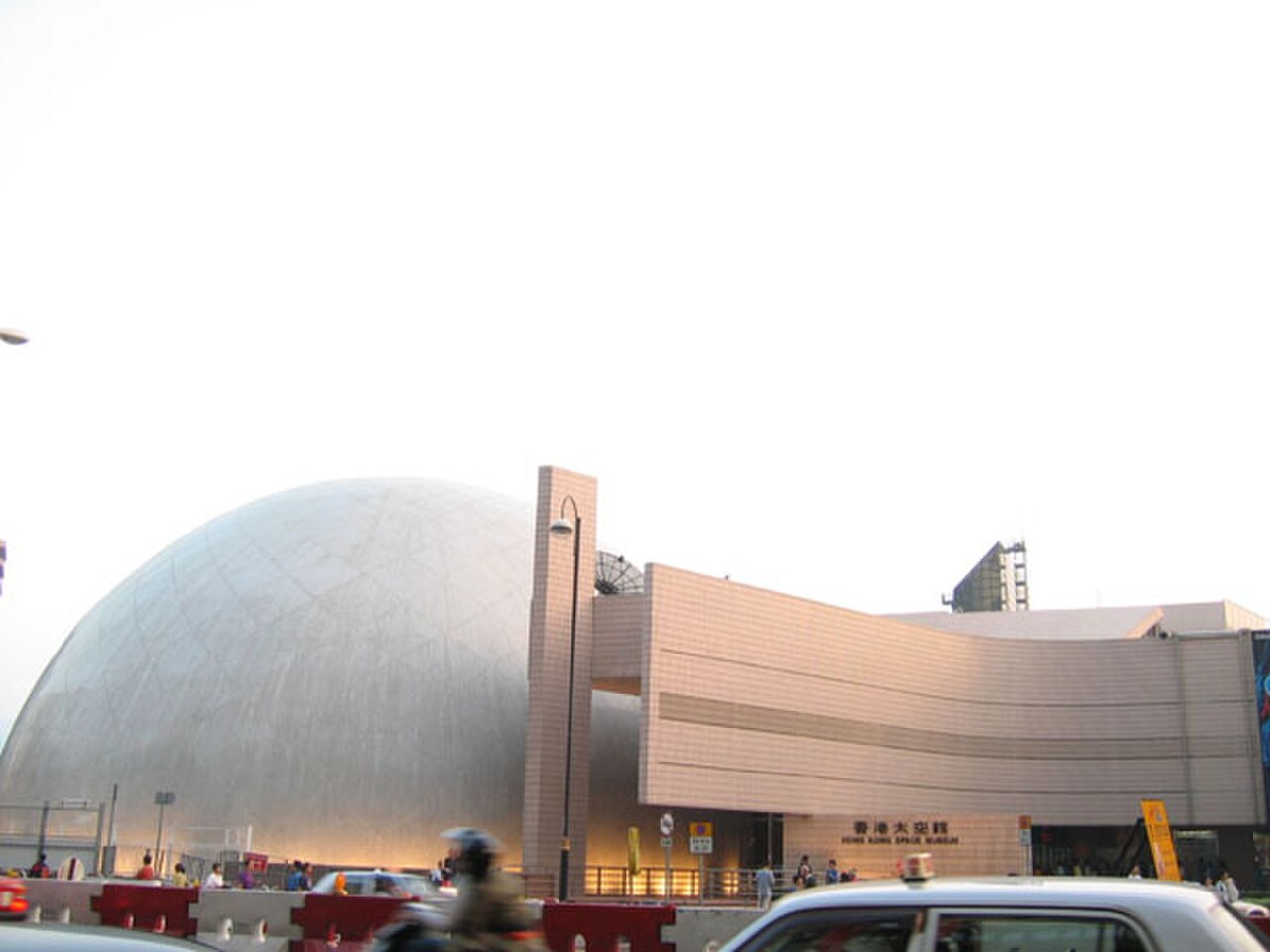
1 min walk · 油尖旺區 Yau Tsim Mong District
Hong Kong Space Museum
- Must see
- Museum
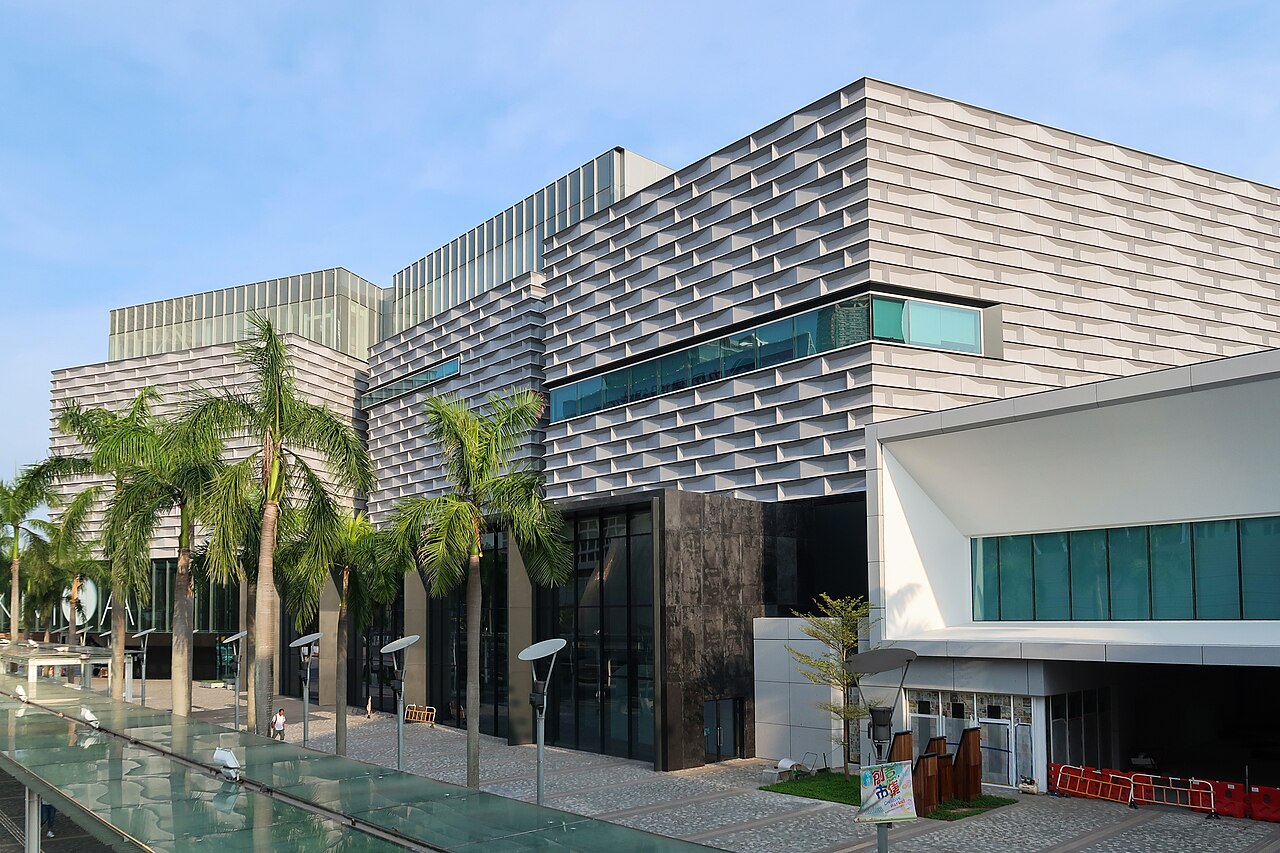
Museum · 油尖旺區 Yau Tsim Mong District, Hong Kong
香港藝術館 Hong Kong Art Museum
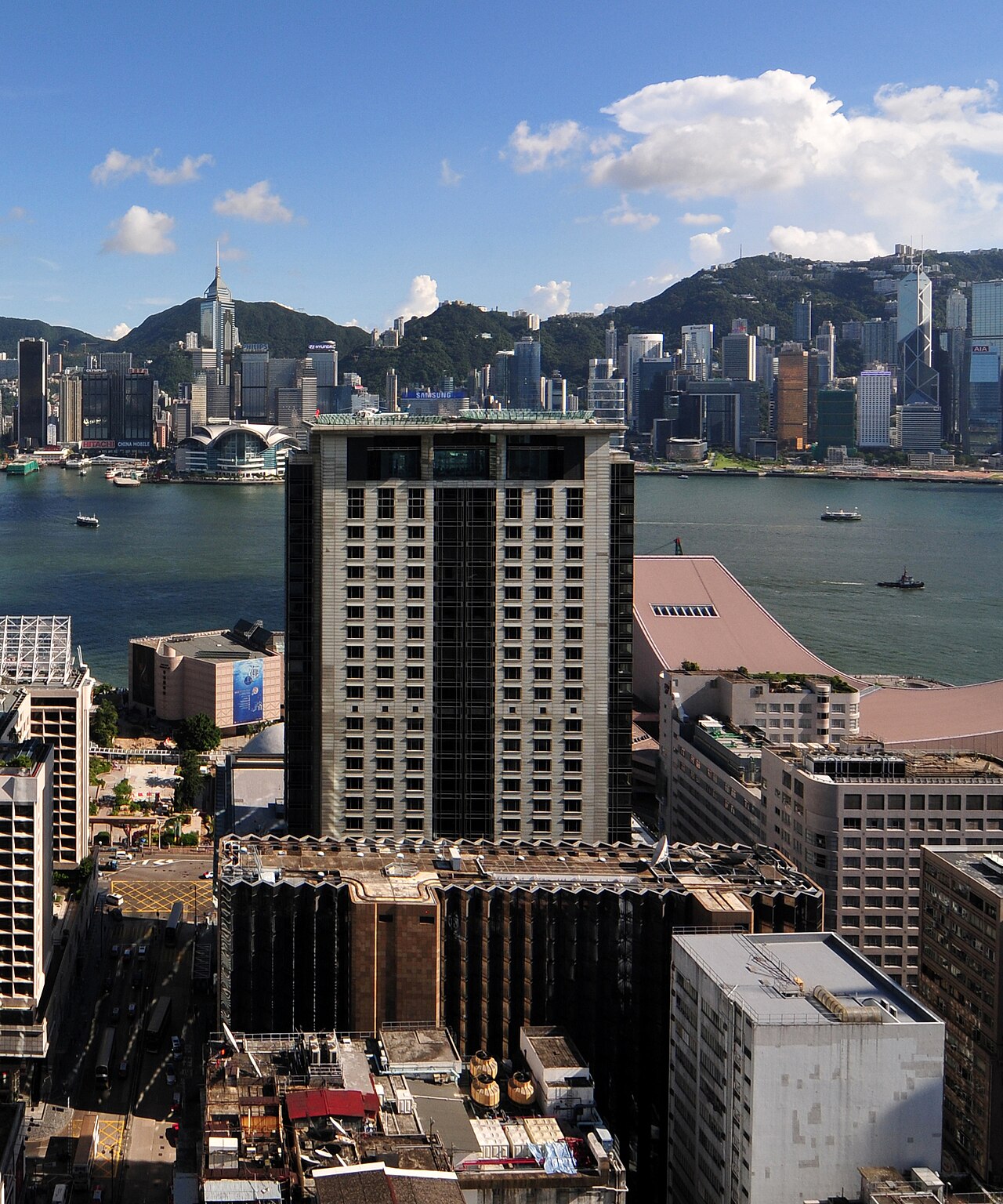
Hong Kong Museum of Art (HKMoA) is a public art museum at 10 Salisbury Road on the Tsim Sha Tsui waterfront. Its collection-led programme brings together Chinese painting and calligraphy, Chinese antiquities, modern and Hong Kong art, and China Trade Art. For a first-time visitor, that combination makes the museum a place to compare artistic traditions and the history of Hong Kong’s visual culture, rather than a single-artist museum or a venue devoted only to temporary shows.
The museum is operated by Hong Kong’s Leisure and Cultural Services Department (LCSD). Its official collection pages describe holdings assembled through museum purchases and donations, including named collections of Chinese painting and calligraphy, tea ware and seals, snuff bottles, and works by Hong Kong artist Wu Guanzhong. The collection pages are useful for understanding the scope of the institution, but they describe holdings: they do not promise that each object, named artwork or entire donated collection is currently displayed.
The museum’s current exhibitions change over time. Before choosing a visit around a particular work or subject, check the museum’s live exhibition list for current titles, dates, venue details and any separate admission charge. The museum’s Opening Hours & Admission page lists free general admission except for special exhibitions.
Checked 2026-10-07 · Source

The permanent collection is organised into four broad areas: Chinese Painting and Calligraphy, Chinese Antiquities, Modern and Hong Kong Art, and China Trade Art. The museum also highlights special donated collections. The arrangement gives visitors several distinct ways into art history, from the materials and techniques of Chinese brush painting to objects that record trade and cultural exchange, and to modern artistic practice in Hong Kong. The exact route and works visible depend on the galleries and exhibitions open during your visit.
The Chinese Painting and Calligraphy collection page says its holdings exceed 5,400 works. It traces Guangdong painting and calligraphy alongside modern Chinese painting, and identifies the Lingnan School as a key strand in the development of modern Chinese art. The museum’s selected collection entries include works such as Ju Lian’s A Hundred Flowers and paintings by Gao Jianfu, Gao Qifeng and Chen Shuren. These are examples within the collection catalogue, not a guarantee that the works are on view today. The distinction matters especially for long handscrolls and works on paper, which may rotate for conservation or exhibition reasons.
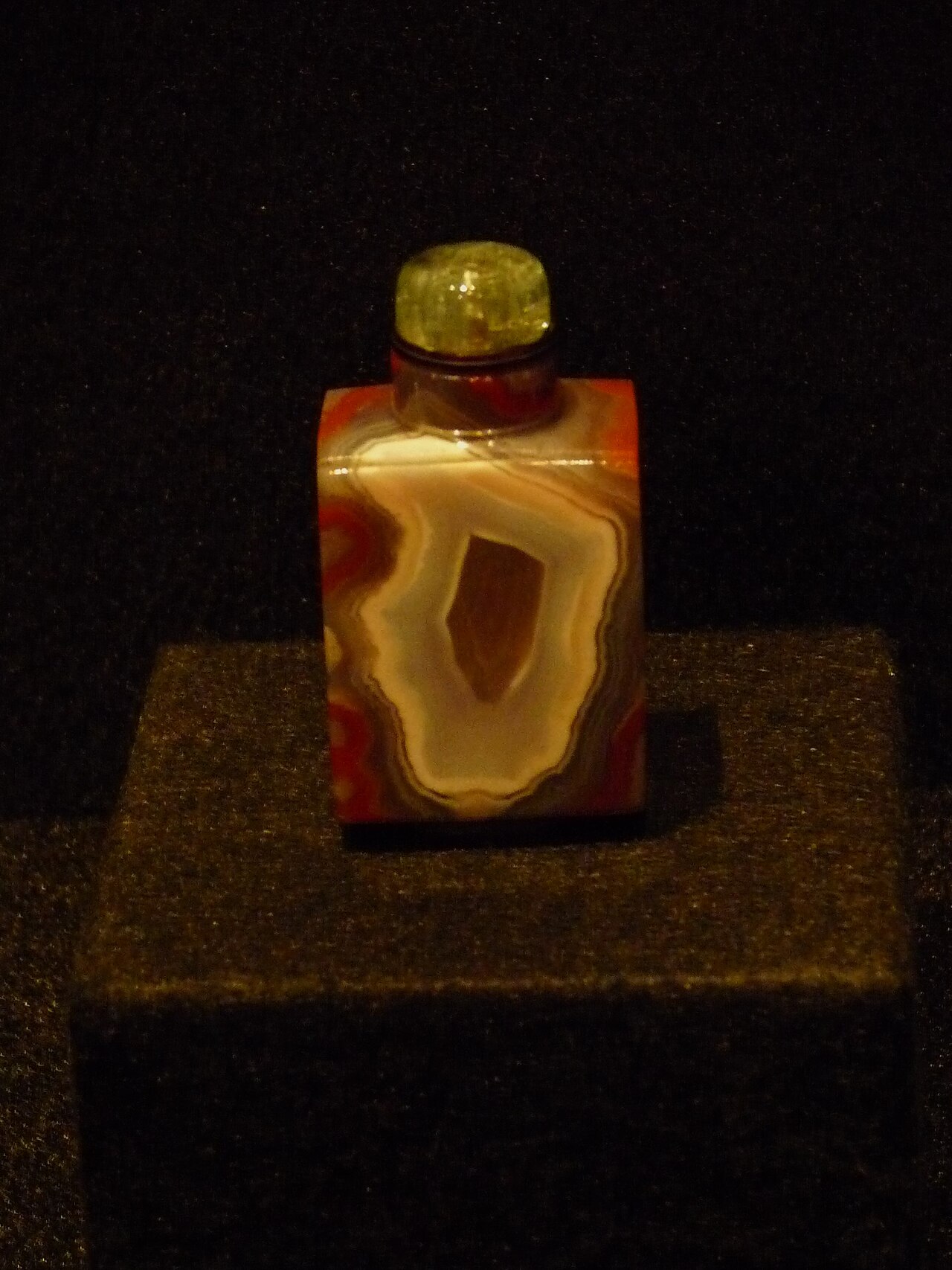
Other named collection areas widen the picture. Chinese Antiquities covers historical objects; China Trade Art connects art with the trade between China and the West; Modern and Hong Kong Art focuses on more recent work and local artistic histories. Special donations include the Xubaizhai Collection of Chinese Painting and Calligraphy, the Chih Lo Lou Collection of Chinese Painting and Calligraphy, the Fuyun Xuan Collection of Chinese Snuff Bottles, the K.S. Lo Collection of Tea Ware and Seals, and the paintings and personal archives of Wu Guanzhong. These labels identify collection holdings, not separate rooms that must all be open.
The official exhibition list is the practical companion to this overview. It identifies current and upcoming displays and, where supplied, their dates. Read the listing on the day you plan to go if one exhibition is the main reason for your visit. A changing exhibition may focus on a particular donation or artist, while the online collection pages help you explore works beyond what is displayed in the galleries.
Checked 2026-10-07 · Source
The operator does not publish a standard duration for a self-guided visit, so this guide does not assign one. The time needed depends on which exhibitions are open, whether you want to read labels closely, and how much of the collection you choose to explore. The museum’s breadth makes it sensible to decide in advance whether you are coming for a specific exhibition, Chinese painting and calligraphy, Hong Kong art, or a general introduction.
For a focused visit, check the current exhibition list first and note the dates and gallery information for the display you most want to see. If you want to explore across several collection areas, expect your route to involve more galleries and allow your own schedule to determine how long you stay. The online collection catalogue can help you identify artists and objects beforehand, but its entries are not a live gallery checklist. Do not plan around seeing every work named online.
The museum’s stated closing time also has a practical limit: its box office closes 30 minutes before the museum closes. That is a ticket-counter cutoff, not a published last-entry time for every gallery. Arriving close to closing leaves less time to buy admission for a special exhibition and see it, so plan entry earlier if a paid show matters to you. For a visit near the end of the day, verify the closing schedule and current exhibition arrangements on the official site rather than relying on a generic duration estimate.
Checked 2026-10-07 · Source
Hong Kong Museum of Art is open Monday to Wednesday and Friday from 10:00 am to 6:00 pm, and on Saturday, Sunday and public holidays from 10:00 am to 9:00 pm. On Christmas Eve and Lunar New Year’s Eve, it is open from 10:00 am to 5:00 pm. It is closed on Thursdays except public holidays, and on the first two days of the Lunar New Year. The box office closes 30 minutes before the museum. These are the operator’s published regular hours; check the museum’s live notice before travelling for date-specific changes.
The longer Saturday, Sunday and public-holiday schedule gives more of the day for a visit, but the museum does not publish a dependable quiet-time or crowd forecast in the reviewed material. Its page links to real-time crowd tracking, which can help with a same-day decision where that service is available. Do not infer that a particular weekday, season or time will be calm. Exhibition dates and access can also change, so check the current exhibition list if your visit depends on a named show.
The waterfront location places HKMoA within Tsim Sha Tsui, where the museum lists nearby cultural facilities such as the Hong Kong Museum of History and Hong Kong Science Museum. That proximity can help when organising a district visit, but it does not establish a recommended combined itinerary or the time needed at each venue. Check each institution’s own hours and admission before linking visits together.
A similarly named page at https://hk.art.museum/en/web/ma/opening-hours.html displays Flagstaff House Museum of Tea Ware and its 10:00 am–6:00 pm / Tuesday-closure schedule. That timetable belongs to the separate tea-ware museum, not HKMoA. HKMoA’s detailed Opening Hours & Admission page and homepage agree on the schedule given above; use those HKMoA pages and check current notices for your date.
Checked 2026-10-07 · Source
General admission to Hong Kong Museum of Art is free, except for special exhibitions. The museum’s admission page does not give one general ticket price because the exception depends on the exhibition. If you are visiting for a particular show, open that exhibition’s page before you go and check whether a charge, ticket or other entry arrangement applies. Collection access and paid exhibition access should not be assumed to be the same.
The box office closes 30 minutes before the museum’s closing time. This means that a free general-admission visit and a paid special exhibition can have different practical ticket needs: you may not need to buy a ticket for general entry, but you should leave time to obtain admission for a chargeable show. The published box-office cutoff should not be read as a guarantee that an exhibition remains accessible until that exact moment; follow the current exhibition instructions and staff guidance.
The official site links to the LCSD Museum Pass, but the pages reviewed here do not establish whether a particular pass covers a specific exhibition or visit. Check the pass terms and the show’s own admission details before relying on it. Prices, booking arrangements and special-exhibition terms can change, so the museum’s admission page and the current exhibition listing are the appropriate sources to check close to your visit.
Checked 2026-10-07 · Source
The museum’s address is 10 Salisbury Road, Tsim Sha Tsui, Kowloon. Its official transport page lists Exit E at Tsim Sha Tsui MTR Station and Exit J at East Tsim Sha Tsui MTR Station. Those exit names give a concrete starting point for a route; follow station signs and current pedestrian directions to the museum rather than relying on an assumed walking time.
The museum also lists a large set of bus routes: 1, 1A, 2, 5, 5A, 5C, 6, 7, 8, 8A, 9, 13X, 26, 28, 35A, 41A, 81C, 87D, 98D, 110, 208, 215X, 219X, 224X, 230X, 237A, 242X, 252B, 259B, 260B, 260X, 261B, 234X, 269B, 973 and A21. The operator notes that bus routes may change without prior notice. Check a current transport planner for the route that suits your starting point and travel date.
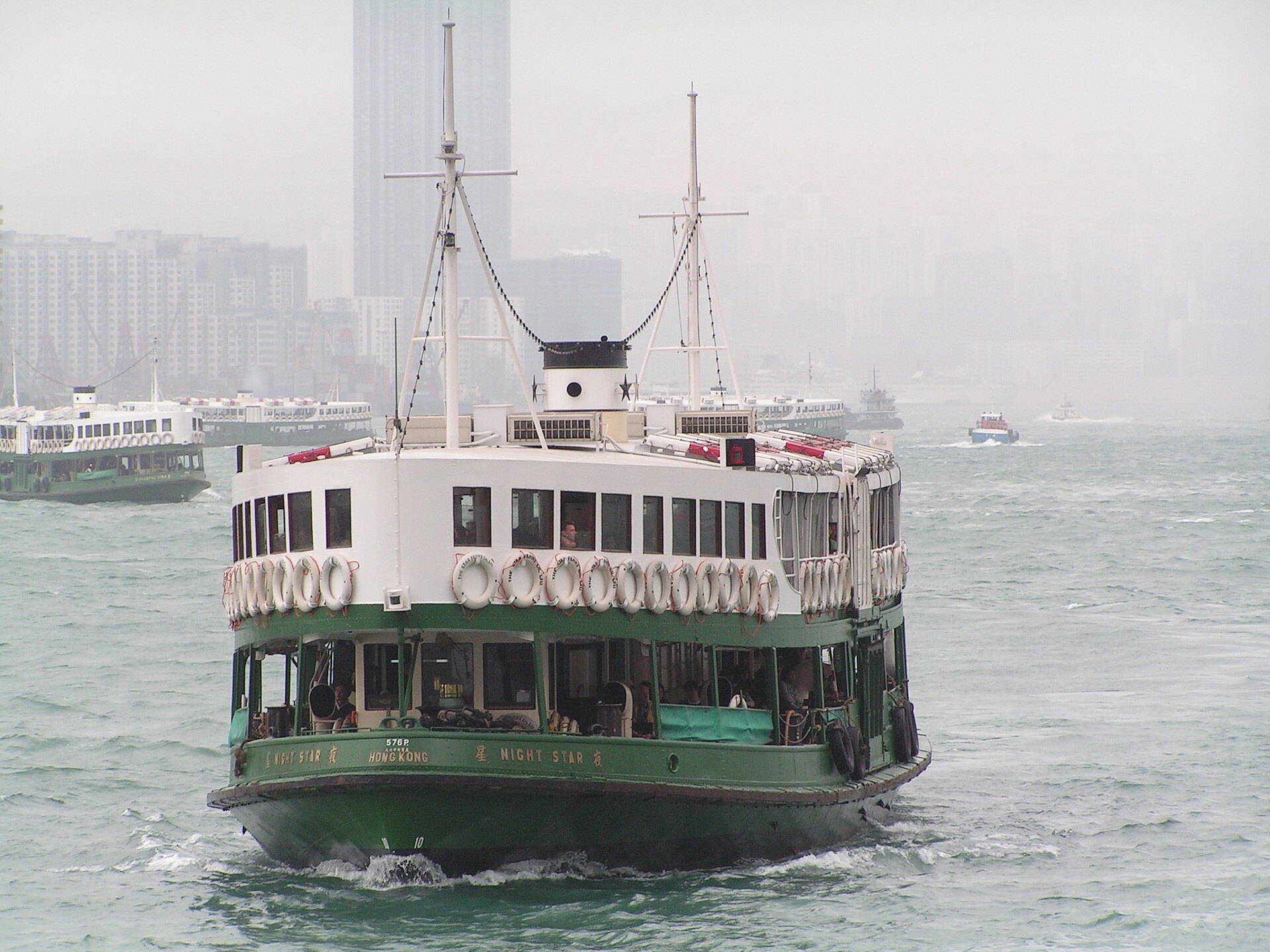
For a harbour crossing, the official page names Star Ferry Pier at Tsim Sha Tsui. Treat that as the listed nearby ferry stop, then confirm the service and sailing information with the ferry operator for your journey. The museum’s location page also links to Hong Kong eMobility for route planning. Together, these official directions let you compare MTR, bus and ferry options without assuming a particular journey time or that one mode is best for every visitor.
Checked 2026-10-07 · Source
The main practical trap is treating all exhibitions as covered by free general admission. The museum states that entry is free except for special exhibitions, so identify the exhibition you want and check its own admission information before setting out. The box office closes 30 minutes before the museum, which matters if you need to purchase access to a paid show. Thursdays are the regular weekly closure, with an exception for public holidays; the first two days of Lunar New Year are also listed as closed.
The visiting rules ask visitors not to bring large objects or bags, or items that may inconvenience others. Museum staff may ask visitors to deposit belongings at the cloakroom or lockers. If you are carrying bulky luggage, do not assume it can enter the galleries or that storage will be available for every item; contact the museum if storage is essential to your plan. The posted rules also ask visitors to keep quiet and avoid disturbing others.
Food and drink are restricted to designated areas. The museum’s Shop and Dine page lists MoA Dining on the first floor and INK CAFÉ & BAR on the ground floor. Confirm current opening arrangements with the venues before making a meal part of a tightly timed visit. The rules also ask visitors not to write on, mark, soil or damage exhibits, installations, walls or facilities. Check live notices and follow staff directions during your visit.
Checked 2026-10-07 · Source
The museum’s visiting rules prohibit the use of flash, lighting apparatus and tripods, and require visitors to follow its photography and filming regulations. Do not use those devices in the galleries. The rules do not say that every artwork may be photographed, so check notices beside the display and any exhibition-specific instructions before taking a picture.
The museum asks visitors to protect the works and be considerate of other visitors. Follow gallery staff instructions, and do not treat permission to take a photograph in one gallery as permission in another. The public visiting-rules page does not spell out separate rules for personal-use photographs, selfie sticks, commercial photography, or publication rights. Those details should not be inferred from the restrictions on equipment.
If photography is important to your visit, check the museum’s current photography and filming regulations or ask staff before taking pictures, particularly in a special exhibition. Restrictions may be posted for a specific display, and staff instructions apply inside the galleries. The published guidance is precise: do not use flash, lighting apparatus or tripods, and comply with the museum’s photography and filming rules.
Checked 2026-10-07 · Source
Yes. The museum lists free general admission, except for special exhibitions, which may have a separate charge. Check the exhibition’s current page for its ticket details.
It is open Monday to Wednesday and Friday, 10:00 am–6:00 pm; Saturday, Sunday and public holidays, 10:00 am–9:00 pm; and Christmas Eve and Lunar New Year’s Eve, 10:00 am–5:00 pm. It closes on Thursdays except public holidays and on the first two Lunar New Year days. The box office closes 30 minutes before the museum.
The museum lists Tsim Sha Tsui MTR Station Exit E and East Tsim Sha Tsui MTR Station Exit J. It also lists bus routes and Star Ferry Pier at Tsim Sha Tsui; check current service details because bus routes may change.
The operator does not publish a standard duration for a self-guided visit. Your time depends on which exhibitions and collection areas you choose to see; check the current exhibition list and plan around the museum’s closing time and box-office cutoff.
Yes. The museum’s Shop and Dine page lists MoA Dining on the first floor and INK CAFÉ & BAR on the ground floor. Check the venue information for current opening arrangements before your visit.
The museum’s visiting rules prohibit flash, lighting apparatus and tripods, and require visitors to follow its photography and filming regulations. Check gallery notices and ask staff about any work or exhibition-specific restrictions; the short public rules page does not establish broader photography permissions.
Loading the interactive map…
The interactive map could not be loaded.
Last updated:
Source: OpenStreetMap contributors, Wikidata ·