
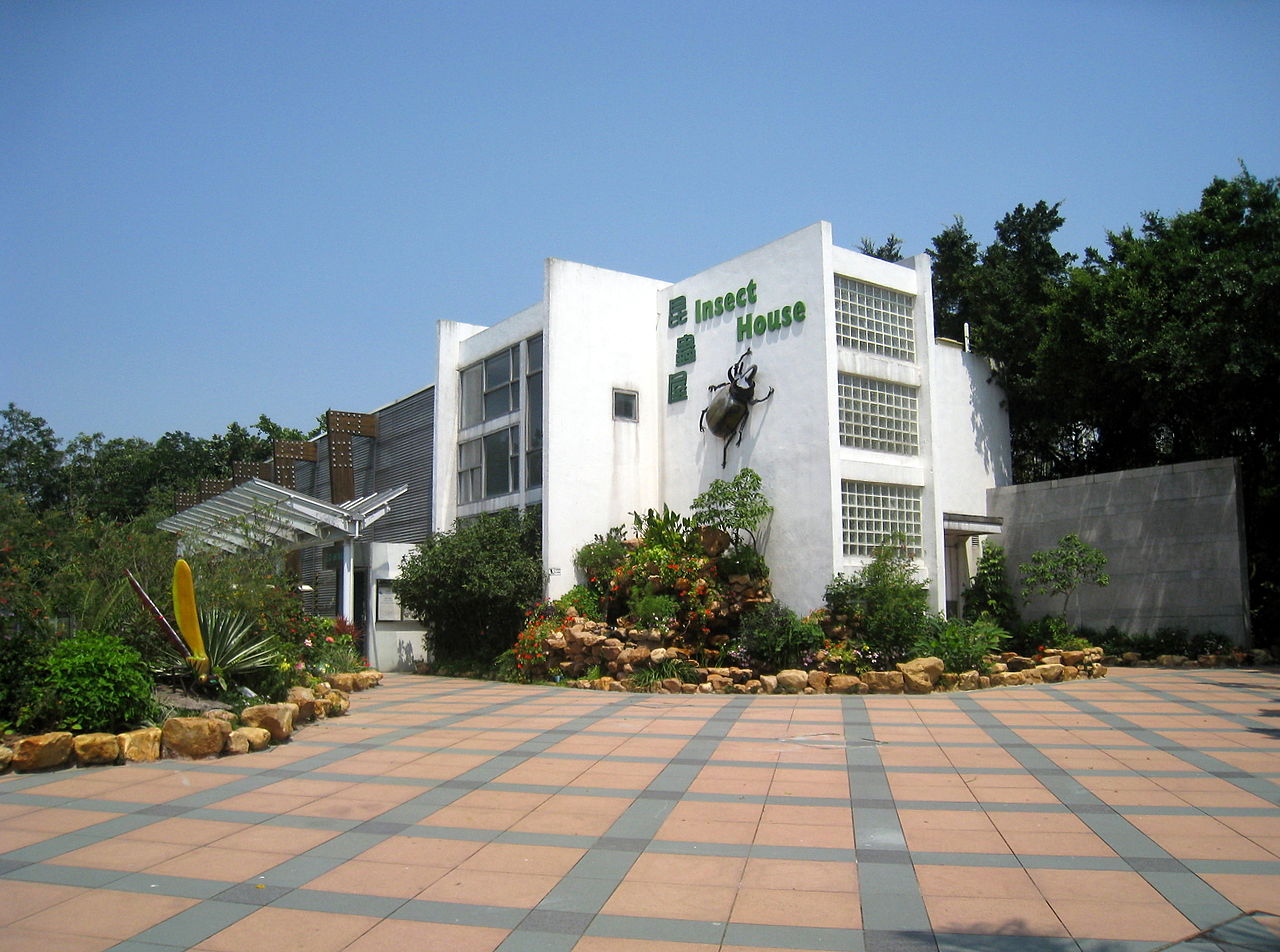
33 min walk · 大埔區 Tai Po District
Insect House
- Notable
- Museum
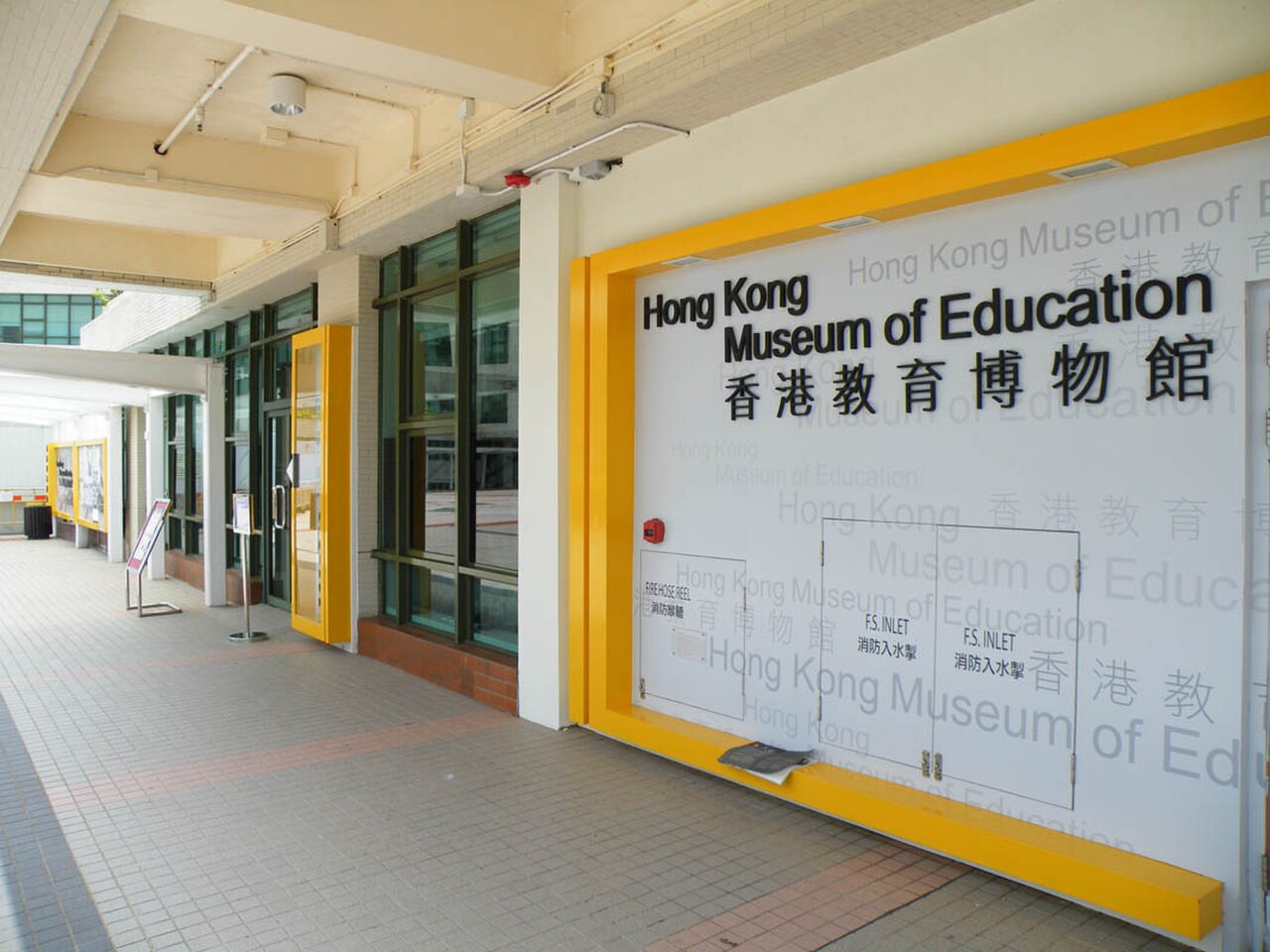
Museum · 大埔區 Tai Po District, Hong Kong
香港教育博物館
| Monday | 10:00 – 17:00 |
|---|---|
| Tuesday | 10:00 – 17:00 |
| Wednesday | 10:00 – 17:00 |
| Thursday | 10:00 – 17:00 |
| Friday | 10:00 – 17:00 |
| Saturday | 10:00 – 17:00 |
| Sunday | 10:00 – 17:00 |
Parsed from OpenStreetMap opening hours on 2026-09-09.
Read from the OpenStreetMap access tags; anything not listed has no tag recorded.
Set the group type to family in the planner and the day window contracts to about three quarters of a solo day.
Hong Kong Museum of Education focuses on the history and development of education in Hong Kong. Its subject reaches beyond classrooms to teaching practice, learning, educational policy and the institutions that shaped society. The museum suits travellers interested in social history, schools and cultural change. It is a specialised stop, offering a narrower and more reflective experience than a general city museum. The Hong Kong Museum of Education is a museum dedicated to the history and development of education in Hong Kong. It preserves and displays materials related to teaching, learning, and educational policy. The institution serves as a repository for educational artifacts, documents, and memorabilia that trace the evolution of Hong Kong's schooling systems. Its collections reflect both colonial and post-handover periods. The museum provides context for understanding how education shaped Hong Kong society. Visitors interested in social history and pedagogical development may find relevance here. The museum's focus is specialized rather than general interest. Contact the museum directly before visiting.
Checked 2026-08-26 · Source
The museum’s subject matter encompasses educational artefacts, documents and memorabilia connected with Hong Kong’s schooling systems. The collection context includes teaching, learning, policy and institutional development across the city’s educational history. Visitors should approach it as a place for understanding how schools and education influenced Hong Kong society. The strongest appeal is to those who enjoy documentary material, social history and the evolution of public institutions. Collections may include materials from teacher training institutions and educational reform periods. Displays probably cover examination systems, curriculum changes, and school architecture. Archives might contain oral histories from educators and students. The scope potentially encompasses kindergarten through tertiary education. Without verified access, precise holdings remain uncertain. Visitors should consult directly for current exhibitions. The museum's collections are presumably organized thematically rather than chronologically, though this is speculative pending confirmation.
Checked 2026-08-26 · Source
Set aside roughly forty-five minutes to two hours for a visit, depending on your interest in educational history and documentary collections. A visitor with professional or academic ties to schooling may spend longer with individual objects and themes. Travellers making a shorter cultural itinerary can gain an introduction within the lower part of that range. The museum’s specialised focus rewards careful reading more than rapid sightseeing. A specialized museum of this nature typically requires between forty-five minutes and two hours depending on visitor interest in educational history. Those with professional or academic connection to Hong Kong education may spend longer examining specific collections.
Checked 2026-08-26 · Source
This is an indoor cultural stop, so it fits Hong Kong itineraries in hot, humid weather as well as during rain. Build it into a weekday or weekend plan according to the museum’s current public schedule. Educational institutions can follow calendars different from commercial attractions, making the timing of your visit particularly important. Its specialised subject also makes it a good choice when you want a quieter, more thoughtful museum experience.
Checked 2026-08-26 · Source
The museum’s institutional setting distinguishes it from commercial entertainment venues, but the cost structure still belongs in your day’s cultural budget. Plan the visit around the museum itself rather than a combined attraction pass, since no such inclusion is established in the guide information.
Checked 2026-08-26 · Source
The museum is identified by OSM node/6308387359 within Hong Kong, but the supplied guide gives no confirmed street address or nearest station. Hong Kong’s MTR, bus, minibus and taxi networks cover the city broadly, yet the final route depends on the museum’s exact entrance. Use the map position when planning the journey and allow time for the last walking section, especially during a busy day.
Checked 2026-08-26 · Source
The museum’s specialised subject may be more rewarding for visitors interested in education, social history or institutional change than for children seeking highly playful attractions. Allow time for reading and reflection. Practical features such as seating, restrooms, drinking water, stroller circulation and gallery rules are not described in the supplied guide, so structure the visit around the confirmed cultural focus rather than expecting a large family-entertainment complex.
Checked 2026-08-26 · Source
Treat the museum’s educational objects and documentary material with care when making personal photographs. The supplied guide gives no specific photography policy, so follow signs and staff directions within exhibition areas. Flash, tripods, selfie sticks, video and publication use can affect other visitors or collection presentation. Quiet, non-disruptive photography is the best fit for a museum centred on records, artefacts and the history of learning.
Checked 2026-08-26 · Source
It explores the history and development of education in Hong Kong, including teaching, learning, policy and educational institutions.
Allow roughly forty-five minutes to two hours, with longer visits suiting travellers who want to study educational history in depth.
It is particularly suitable for visitors interested in social history, schools, teaching, educational policy and the development of public institutions.
Yes. The museum is an indoor cultural attraction, making it a practical addition to a Hong Kong itinerary during rain, heat or humidity.
Its focus includes educational artefacts, documents and memorabilia connected with Hong Kong’s schooling systems and educational development.
It is more specialised than a general city museum, concentrating on education and its influence on Hong Kong society and cultural change.
Loading the interactive map…
The interactive map could not be loaded.
Last updated:
Source: OpenStreetMap contributors, Wikidata ·