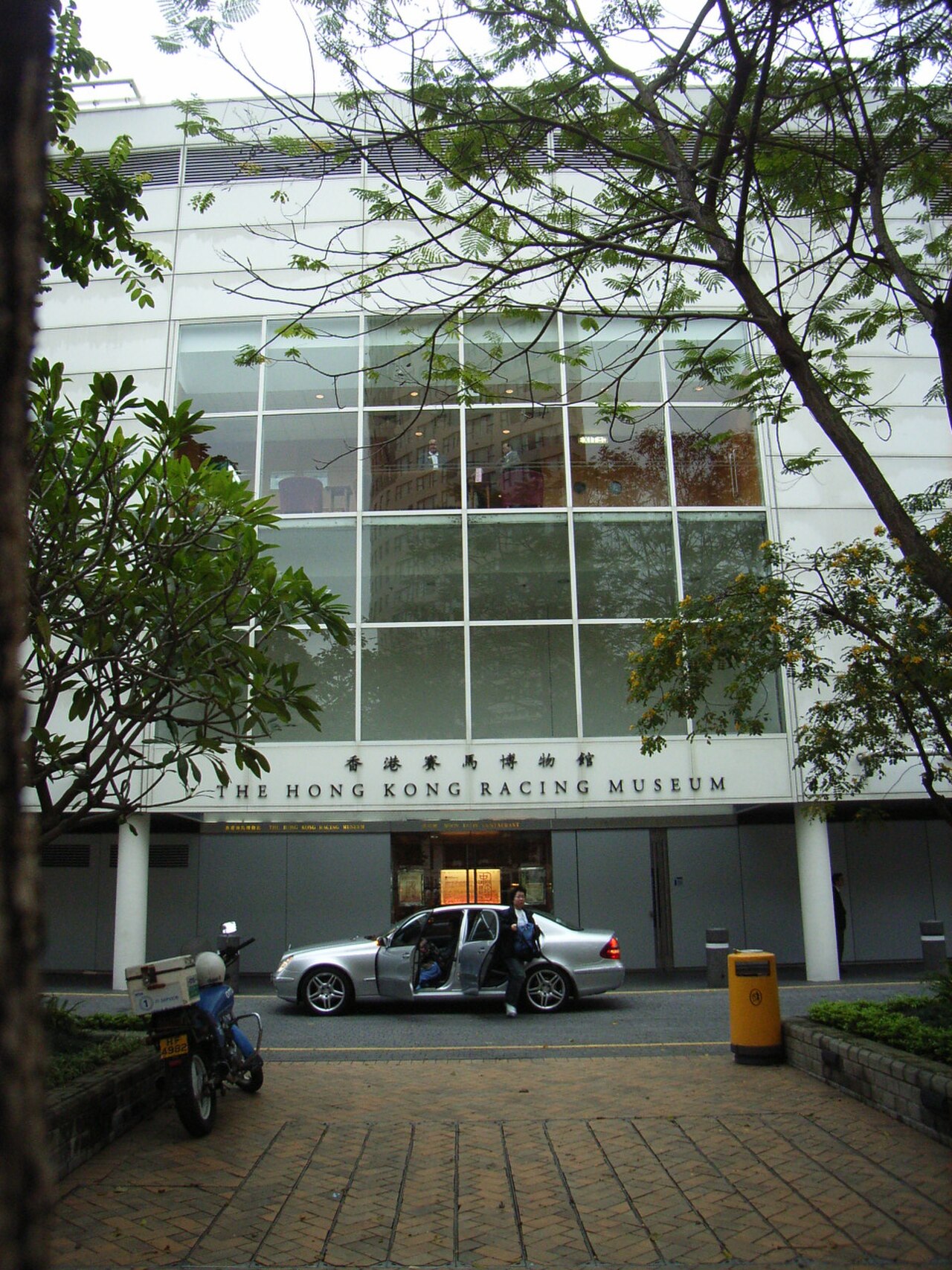
Hong Kong Racing Museum explores the history and culture of horse racing in Hong Kong. It sits within the Happy Valley Racecourse complex and is operated by the Hong Kong Jockey Club. The museum connects racing with Hong Kong’s social history, showing how the sport developed from its colonial origins into a major sporting and charitable institution. It is a focused stop for visitors who want context before attending racing at Happy Valley or who are interested in the city’s distinctive relationship with equestrian sport, public entertainment, and organised betting.
Inside, visitors encounter racing memorabilia, trophies, historical photographs, jockey silks, racing equipment, and archival material. Displays introduce champion horses, notable jockeys, important races, and the practical work required to operate a modern racecourse. The collection also places racing within wider Hong Kong society, including the charitable work funded through Jockey Club activity. Veterinary care, racecourse organisation, and the technical side of the sport add useful detail beyond the spectacle seen from the grandstand. The museum works best when visitors move from objects and images toward the larger story of how racing became part of local life.
Allow about one hour for a comfortable visit. A quick walk through the main displays can take around thirty minutes, while visitors drawn to photographs, equipment, archival material, or the stories of particular horses and jockeys can stay for ninety minutes. The compact setting makes it easy to fit the museum into a wider Hong Kong Island day. Pairing it with Happy Valley Racecourse gives the visit a stronger sense of place, especially when the museum’s historical displays are followed by the atmosphere of the active sporting venue.
The museum is part of an active racecourse complex, so the surrounding atmosphere changes when racing is taking place. Race meetings at Happy Valley are associated especially with Wednesday evenings and occasional weekend fixtures. A visit away from a meeting can feel calmer, while a race day adds energy and makes the museum’s subject immediately visible around you. Hong Kong’s cooler, drier winter months are comfortable for moving around Happy Valley, whereas summer is hot and humid. Build the museum into a day on Hong Kong Island rather than treating it as an isolated stop.
The museum’s subject is presented through a public cultural and educational setting within Happy Valley Racecourse. Its displays are designed to explain racing history, the Jockey Club, notable participants, and the sport’s place in Hong Kong life. Keep the visit centred on the museum itself and treat live racing, grandstand areas, and other racecourse experiences as separate parts of the complex. This distinction helps you plan a museum visit around the historical displays without confusing it with attendance at a race meeting or another Jockey Club facility.
Happy Valley Racecourse is on Hong Kong Island. The historic Hong Kong Tramways network reaches the Happy Valley terminus, and buses serve the surrounding district. Causeway Bay MTR station provides another practical approach, followed by a walk through the neighbourhood. Taxis can bring you closer to the racecourse entrance, although traffic and pedestrian movement become busier around race meetings. Once inside the larger complex, follow signs toward the museum rather than stopping at the first grandstand or betting area. Allow extra orientation time on a busy evening.
This is a museum inside an operating racecourse, so the surroundings can include vehicle movement, crowds, event controls, and changing pedestrian flows. Follow staff directions and keep clear of active circulation areas. The displays use Chinese and English, making the museum accessible to visitors who read either language. The subject is celebratory and sport-focused, with attention to horses, jockeys, races, equipment, and Jockey Club activity. Visitors who want a broader discussion of racing’s social or animal-welfare questions should treat the museum as a historical introduction rather than a complete debate.
The museum offers photographs of trophies, racing equipment, jockey silks, archival images, and other objects connected with Hong Kong racing. Use the displays to create a visual sequence: begin with a wider view of the collection, then photograph distinctive equipment or historical images where permitted. Happy Valley Racecourse also provides strong exterior context, especially when the grandstand, track, and surrounding urban hills show how closely the sporting venue is woven into the city. Keep doorways and display areas clear, and follow any camera guidance inside the museum and racecourse.
It explores the history and culture of horse racing in Hong Kong, including champion horses, jockeys, important races, racing equipment, and the Jockey Club’s role in local society.
Where is Hong Kong Racing Museum?
The museum is within the Happy Valley Racecourse complex on Hong Kong Island, in the Happy Valley district.
What can I see in the museum?
The displays include trophies, historical photographs, jockey silks, racing equipment, archival material, and interpretation about notable horses, jockeys, races, racecourse operations, and veterinary care.
How long should I spend at Hong Kong Racing Museum?
About one hour suits most visits. A quick visit can take around thirty minutes, while visitors studying the archival displays and racing stories can spend up to ninety minutes.
How can I reach the museum by public transport?
Use the Hong Kong Tramways Happy Valley terminus, buses serving Happy Valley, or Causeway Bay MTR station followed by a walk. Follow signs within the racecourse complex.
What wider subject does the museum address?
Alongside racing history, the museum shows how horse racing became part of Hong Kong society and highlights charitable contributions associated with Hong Kong Jockey Club activity.