
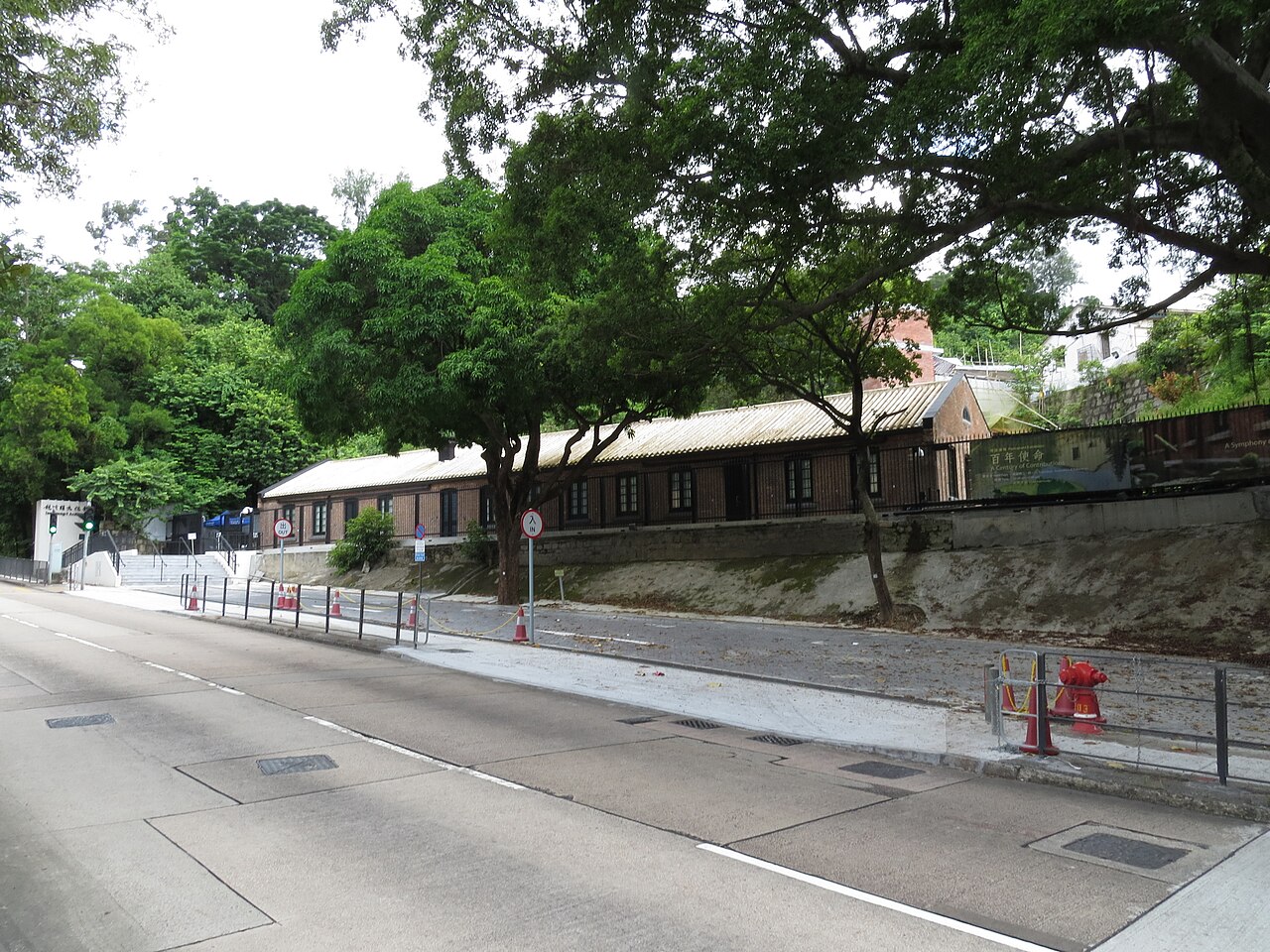
39 min walk · 深水埗區 Sham Shui Po District
Jao Tsung-I Academy
- Notable
- Museum
Historic monument · 葵青區 Kwai Tsing District, Hong Kong
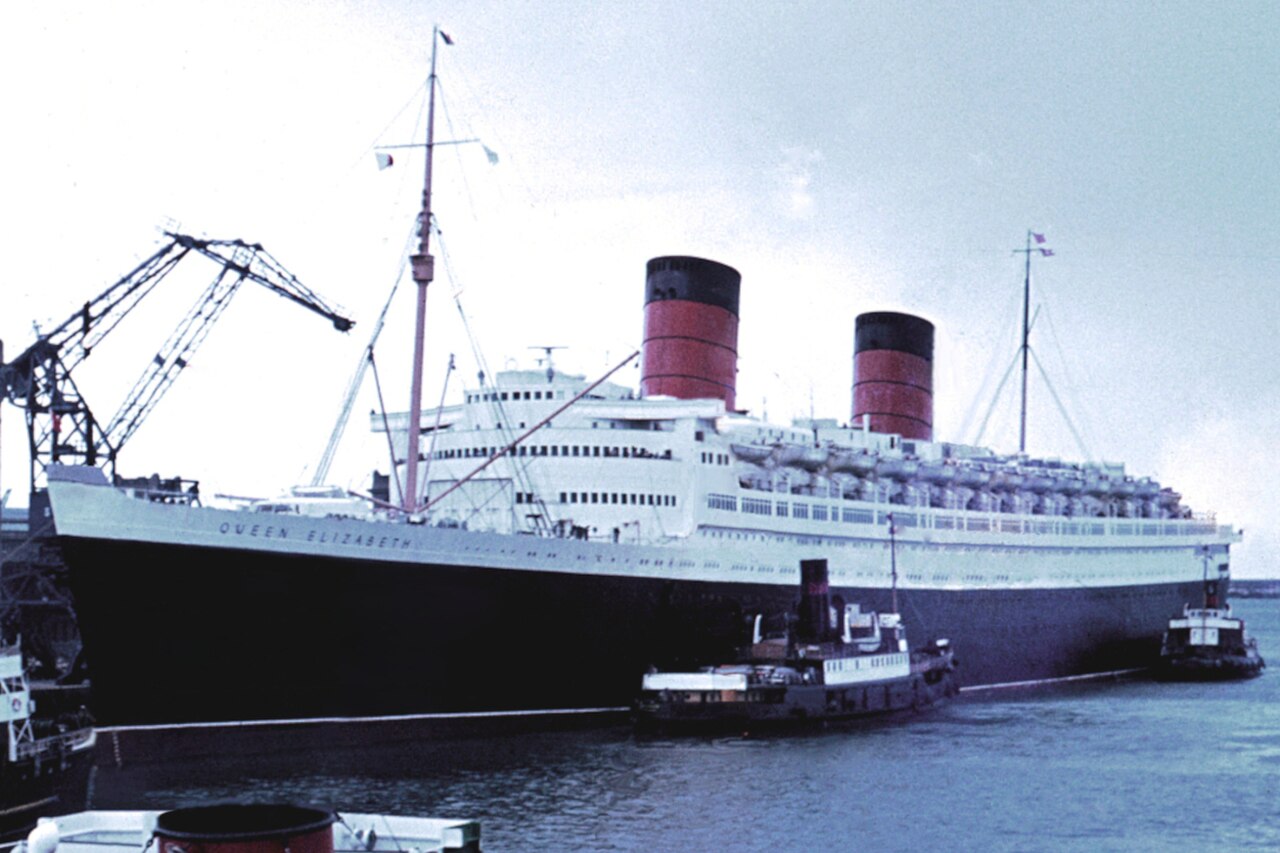
伊利莎白皇后號 RMS Queen Elizabeth
The RMS Queen Elizabeth was a British ocean liner launched in 1938, which served as a troopship during World War II and later as a luxury transatlantic passenger liner. The vessel was retired from service in 1968 and sold for conversion into a floating university. In 1972, while undergoing refurbishment in Hong Kong, the ship caught fire and capsized in Victoria Harbour. The wreck was partially scrapped in situ, with remaining sections buried during land reclamation. The site now lies beneath the current waterfront development, making the physical remains inaccessible to visitors.
Checked 2026-08-26
No interior spaces remain accessible to the public. The ship's structure was largely destroyed by fire and subsequent salvage operations. Buried portions may include lower hull sections and machinery spaces, though these lie beneath modern construction. No museum, exhibition, or memorial marking the wreck's location exists as a dedicated visitor facility. Historical artefacts from the vessel are dispersed in private collections and museums internationally. Visitors seeking tangible connections to the liner must consult maritime museums elsewhere, as Hong Kong presents no curated display of recovered materials at the original site.
Checked 2026-08-26
A visit to the physical location requires minimal time, as no interpretive infrastructure occupies the site. The surrounding district offers conventional harbourfront amenities unrelated to the ship's history. Those with specific maritime interest may combine brief reflection at the approximate location with broader exploration of Hong Kong's harbour heritage. The buried wreck itself demands no duration allocation. Comprehensive research into the vessel's biography through archival sources would require substantially longer engagement, best conducted before or after any physical visit to Hong Kong rather than at the non-existent site itself.
Checked 2026-08-26
No operating entity manages access to the wreck site, which lies buried and inaccessible beneath modern development. The surrounding harbourfront area remains publicly accessible throughout typical hours for urban spaces in Hong Kong. Weather conditions affecting outdoor comfort apply to any harbour-side walking, though these bear no relation to vessel-specific visitation. Seasonal considerations for Hong Kong tourism generally may inform travel timing, but no scheduling advice attaches to this particular site given its non-operational status as an attraction. Check the operator's own site for the travel date before relying on a schedule or fare.
Checked 2026-08-26
No admission mechanism exists for the wreck site, which is neither fenced as an attraction nor staffed for visitor management. The location falls within public urban space requiring no payment for access. Commercial harbour tours operating in Victoria Harbour may pass the approximate area, though these services market general scenery rather than specific engagement with the Queen Elizabeth's history. Any such tour pricing remains distinct from site-specific admission and must be verified with individual operators. Check the operator's own site for the travel date before relying on a schedule or fare.
Checked 2026-08-26
The wreck site lies beneath reclaimed land in the vicinity of the former Kai Tak area and current Kowloon Bay development zone. MTR rail services connect to surrounding stations including Kowloon Bay on the Kwun Tong Line. Bus networks serve the broader district. Precise location marking is absent from public wayfinding. Visitors must rely on historical maps and approximate coordinates rather than on-site signage. The transformation of Victoria Harbour through extensive reclamation since 1972 has fundamentally altered waterfront geography, complicating identification of the exact burial position without specialist cartographic reference.
Checked 2026-08-26
Standard urban awareness applies in the surrounding commercial and industrial district. No specific hazards attach to the wreck site itself given its buried condition. Construction activity in the ongoing harbourfront development zone may affect pedestrian access routes. The absence of any memorial or interpretive marker means visitors risk disappointment if expecting tangible heritage engagement. Historical accuracy in self-guided interpretation is challenging without expert knowledge. Claims by unofficial sources regarding precise wreck location or visible remains should be treated sceptically given comprehensive burial and redevelopment of the original harbour floor.
Checked 2026-08-26
Photography opportunities are limited to generic harbour and cityscape compositions in the surrounding area. No vessel remains, memorial plaque, or dedicated viewpoint exists to frame meaningful subject-specific images. The buried status of the wreck precludes any documentary photography of maritime archaeological interest. Drone operation would require compliance with Hong Kong aviation regulations and likely permits for urban flight. The historical significance of the Queen Elizabeth may inspire creative interpretation of the transformed waterfront, though such photographic projects rely entirely on conceptual rather than documentary approaches to this vanished maritime landmark.
Checked 2026-08-26
No. The wreck was buried during land reclamation and lies beneath modern development. No visible remains exist.
No dedicated museum or exhibition marking the wreck exists in Hong Kong. Historical materials are dispersed internationally.
The ship caught fire during refurbishment in 1972 and capsized in Victoria Harbour. The cause of the fire remains subject to historical analysis.
The approximate location is in the Kowloon Bay area, but precise identification is difficult due to extensive reclamation and redevelopment.
No tours specifically market the wreck site. General harbour cruises operate in Victoria Harbour without heritage interpretation of this location.
The buried wreck is not a current standalone visitor attraction and does not appear in verified top attraction listings for Hong Kong.
Loading the interactive map…
The interactive map could not be loaded.
Last updated:
Source: OpenStreetMap contributors, Wikidata ·