.jpg)
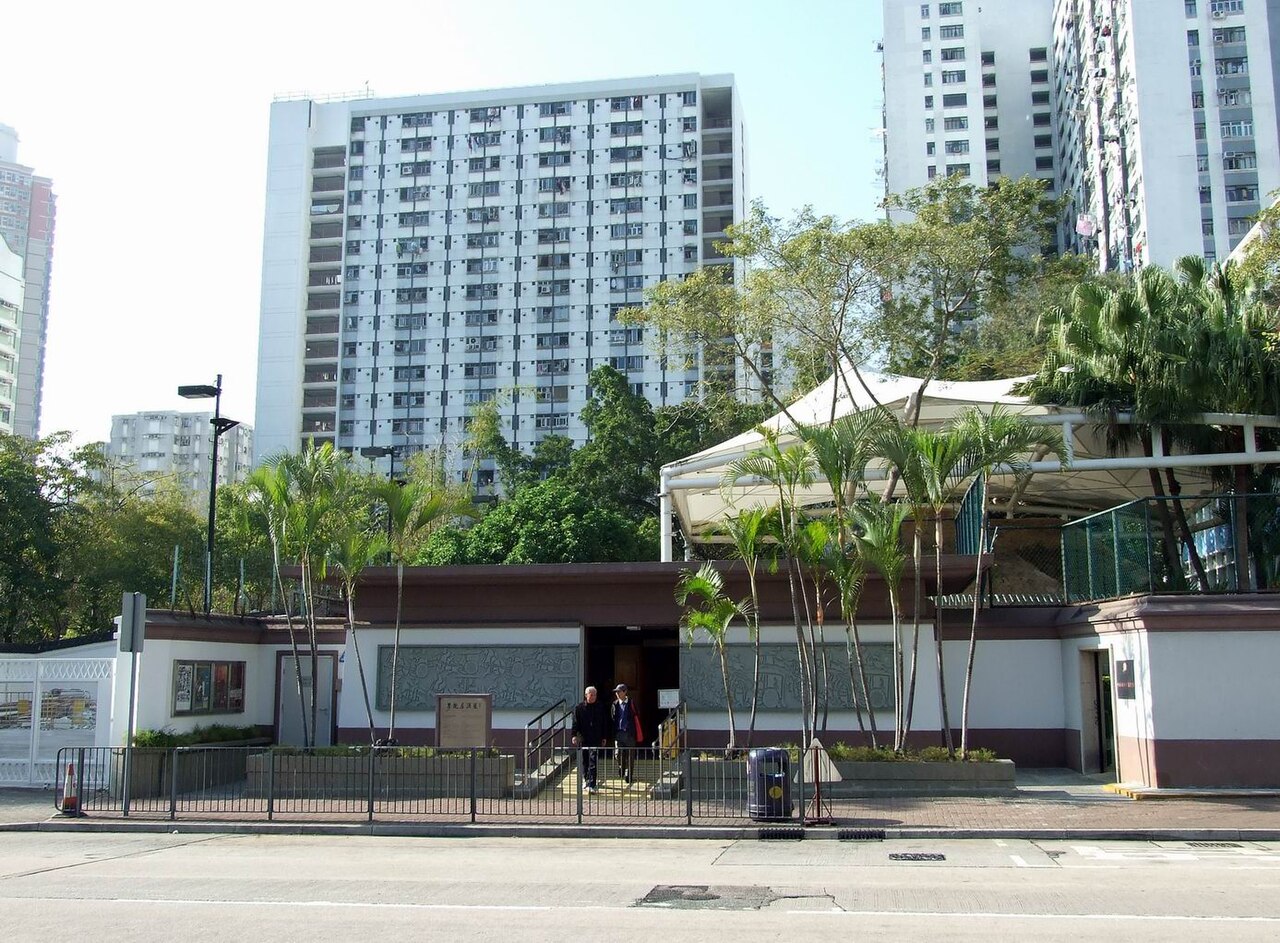
23 min walk · 深水埗區 Sham Shui Po District
Lei Cheng Uk Han Tomb Museum
- High · Heritage site
- Museum
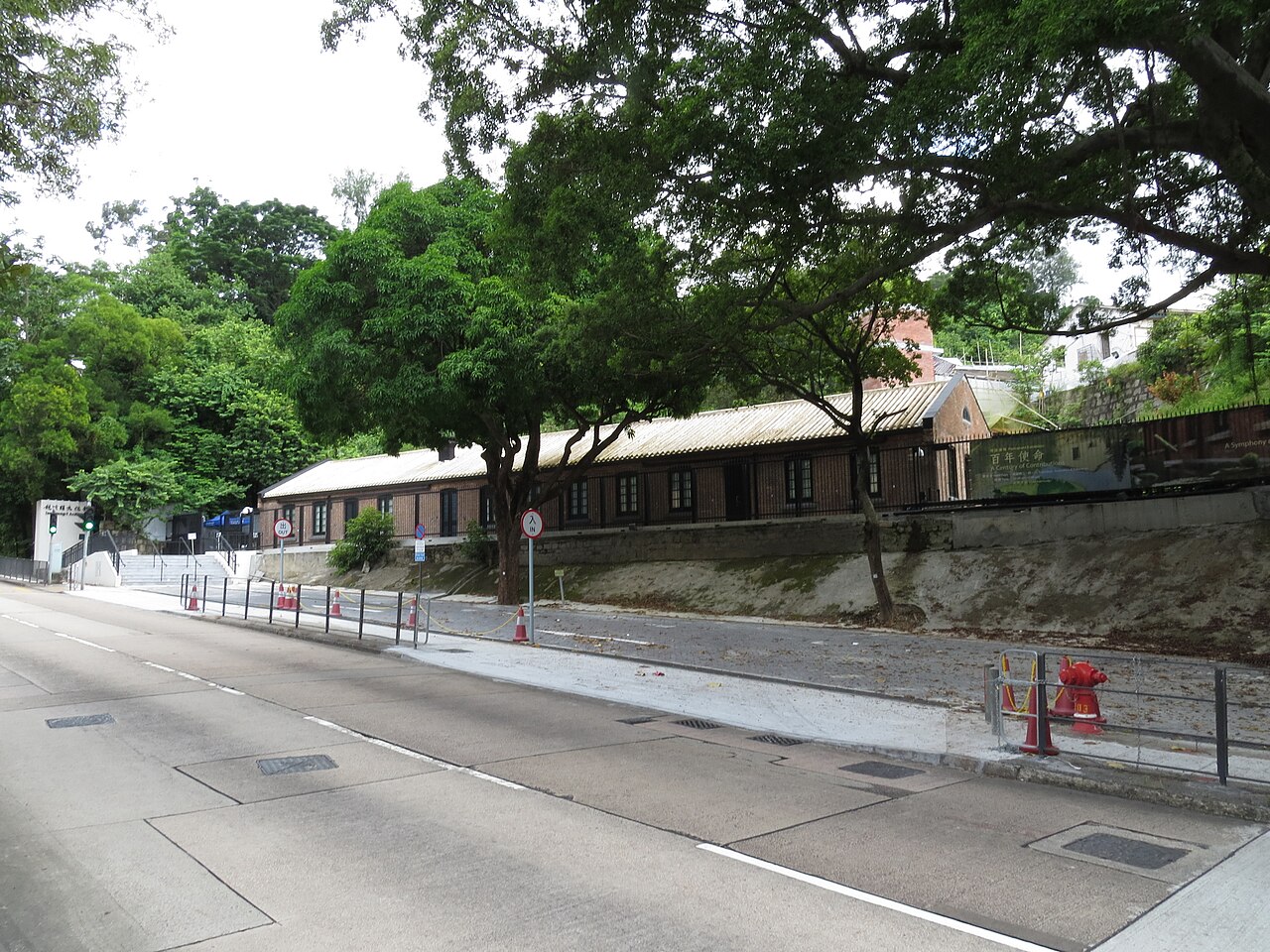
Museum · 深水埗區 Sham Shui Po District, Hong Kong
饒宗頤文化館 Jao Tsung-I Academy
Jao Tsung-I Academy is a cultural institution in Hong Kong dedicated to Professor Jao Tsung-I, a major Chinese scholar in the humanities. The academy combines his intellectual legacy with a revitalised historic building complex, creating a visit that joins scholarship, art, architecture, and cultural preservation. It suits travellers who want a quieter and more reflective experience than the busiest central attractions. The setting gives the academy a distinct identity within Kowloon's cultural landscape. The Jao Tsung-I Academy is a cultural institution in Hong Kong dedicated to the legacy of Professor Jao Tsung-I, a renowned Chinese scholar in humanities. Housed in a revitalized historic building complex, the academy promotes traditional Chinese culture, art, and scholarship. It serves as a venue for exhibitions, academic activities, and cultural preservation. The site reflects Hong Kong's commitment to honouring distinguished intellectual figures while providing public access to cultural education. Visitors encounter a space where scholarly heritage meets contemporary cultural engagement in a distinctive architectural setting. Visitors should verify current policies directly with official sources before visiting. Direct verification with the academy or official tourism channels is essential before planning a visit.
Checked 2026-08-26 · Source
Inside the complex, exhibition spaces present Professor Jao's work and related cultural artefacts. Rotating galleries, function rooms, and areas supporting academic and cultural activity broaden the experience beyond a single permanent display. The preserved historic buildings are part of the attraction, while gardens and outdoor areas add space between the indoor rooms. Take time to notice how the academy places contemporary cultural presentation within older structures rather than treating the architecture as a separate backdrop. The academy contains exhibition spaces showcasing Professor Jao's works and related cultural artefacts. Facilities include galleries for rotating displays, function rooms for cultural events, and areas dedicated to academic research promotion.
Checked 2026-08-26 · Source
Allow around one to two hours for a considered visit. That is enough time for the exhibitions, historic buildings, gardens, and the visual details of the complex without turning the stop into a rushed corridor walk. Visitors deeply interested in Chinese scholarship, calligraphy, art history, or heritage conservation may want longer. Cultural events and special exhibitions can also extend the visit, so leave room in the day when the academy is one of your main interests.
Checked 2026-08-26 · Source
The academy works throughout the year as an indoor and outdoor cultural stop. Cooler or drier weather can make the gardens and walks between buildings more comfortable, while the galleries provide shelter during rain or intense summer heat. Cultural events and rotating exhibitions may give particular dates extra interest. Build the visit around the programme you want to see, and allow a slower pace so the relationship between the exhibitions and the historic complex becomes part of the experience.
Checked 2026-08-26 · Source
Treat the academy as a cultural visit whose appeal rests on exhibitions, heritage buildings, gardens, and programming rather than on a single headline attraction. If your day includes several activities, keep the schedule adaptable around the academy's one-to-two-hour rhythm. Group visits and educational activities may follow a different arrangement from an individual gallery visit.
Checked 2026-08-26 · Source
Jao Tsung-I Academy is in the Mei Foo area of Kowloon. The district is served by Hong Kong's MTR and bus networks, giving visitors public-transport options from other parts of the city. The final approach includes urban walking through a developed area, so allow navigation time if this is your first visit. Taxi and private-car access are also possible, but dense Kowloon traffic and parking conditions can make public transport the simpler choice.
Checked 2026-08-26 · Source
Historic complexes can include stairs, uneven surfaces, and transitions between older buildings and outdoor areas. Comfortable shoes help, particularly if you want to explore the gardens as well as the galleries. The academy's content focuses on Chinese scholarship, art, and cultural heritage, so visitors may enjoy it most when they are ready for a thoughtful rather than fast-paced stop. Keep voices low in exhibition areas and respect spaces set aside for study, events, or staff use.
Checked 2026-08-26 · Source
The academy offers varied photographic subjects: historic architecture, gardens, preserved details, exhibition interiors, and cultural objects. Photograph the complex respectfully, especially where galleries contain artworks, manuscripts, or other sensitive material. Flash can be unsuitable for exhibition objects, and some rooms may restrict cameras altogether. For publication or commercial use, permission may be required. A quiet walk with a phone or compact camera is well suited to the academy's atmosphere and helps preserve the experience for other visitors.
Checked 2026-08-26 · Source
It honours Professor Jao Tsung-I and combines exhibitions about his legacy with Chinese culture, scholarship, art, and heritage architecture.
Plan around one to two hours, with additional time for special exhibitions, cultural events, gardens, or a deeper interest in scholarship and art history.
The academy is in Mei Foo, Kowloon, an area served by Hong Kong's MTR and bus networks.
The historic building complex, preserved architectural features, gardens, and outdoor spaces are all part of the visitor experience.
Yes. Its galleries provide an indoor cultural activity, while the historic complex and gardens add outdoor elements when conditions are comfortable.
Expect a quiet, reflective cultural setting focused on Chinese scholarship, art, heritage buildings, and respectful exploration.
Loading the interactive map…
The interactive map could not be loaded.

Last updated:
Source: OpenStreetMap contributors, Wikidata ·