

15 min walk · 深水埗區 Sham Shui Po District
Tim Ho Wan
- Notable
- Restaurant or café

Museum · 深水埗區 Sham Shui Po District, Hong Kong
李鄭屋漢墓博物館 Lei Cheng Uk Han Tomb Museum
Read from the OpenStreetMap access tags; anything not listed has no tag recorded.
Set the group type to family in the planner and the day window contracts to about three quarters of a solo day.
Lei Cheng Uk Han Tomb Museum preserves a tomb discovered in 1955 during construction work in Sham Shui Po. Dating from the Eastern Han dynasty, the tomb is one of Hong Kong’s most important archaeological sites. Its four chambers offer a direct connection with burial practice and early Chinese history, making the museum a concise but substantial stop for travelers interested in archaeology. Lei Cheng Uk Han Tomb Museum is a museum built around an ancient tomb discovered in 1955 during construction work in Sham Shui Po. The tomb dates to the Eastern Han dynasty and represents one of the most significant archaeological finds in Hong Kong. The structure contains four chambers arranged in a cross shape. The museum was established to preserve and display this important historical site, which provides evidence of early Chinese settlement in the region and burial practices from approximately two thousand years ago. No. The tomb structure is viewed through a glass panel; visitors cannot enter the chambers themselves. The compact size and historical subject matter may interest older children; younger children might find limited interactive elements.
Checked 2026-08-26 · Source
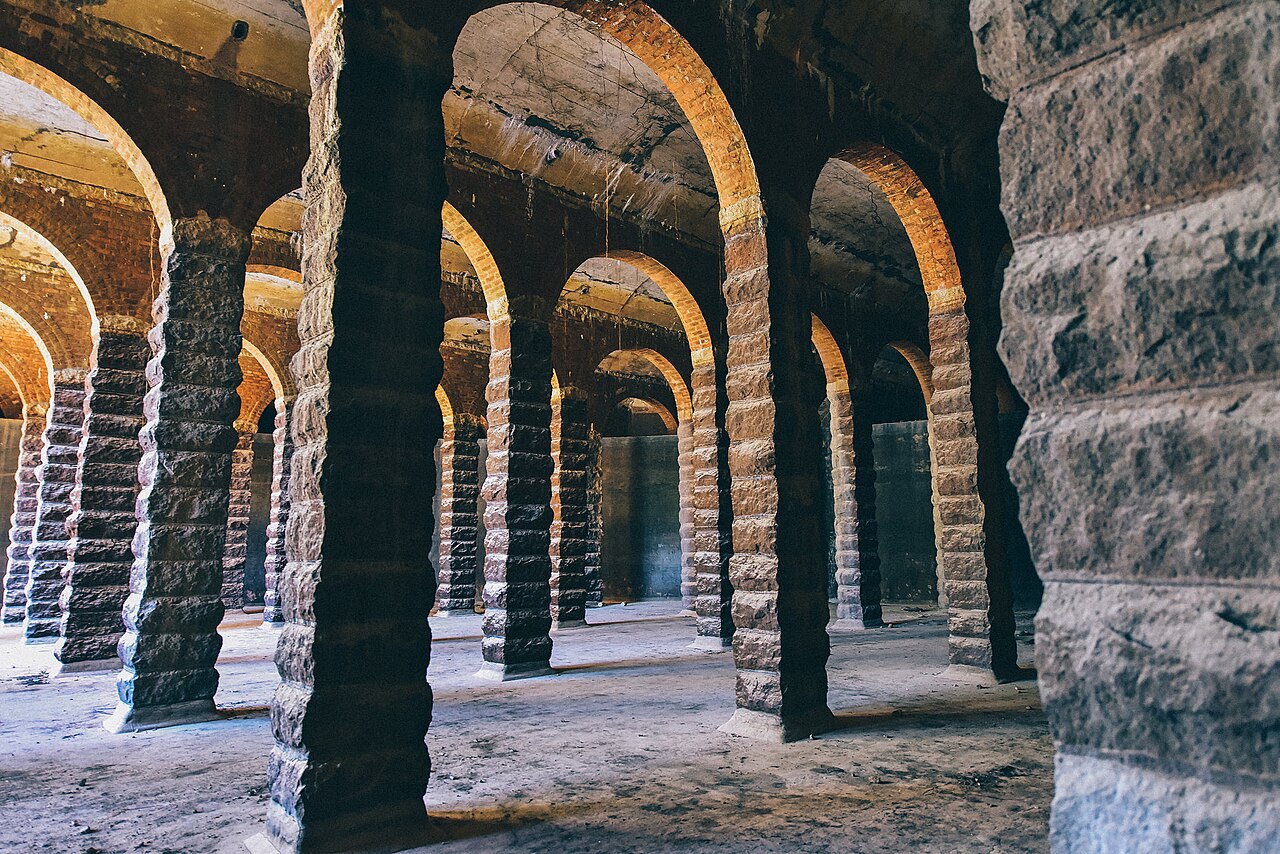
The museum is organized around the original tomb, which visitors view through a glass panel rather than enter. The cross-shaped plan includes an antechamber and three main chambers. Displays also present excavated burial objects such as pottery vessels, bronze items, and other funerary goods, alongside panels explaining the Han dynasty, the excavation, and the tomb’s importance for understanding Hong Kong’s early connections with southern China. The museum centers on the original tomb structure, which visitors can view through a glass panel. The four chambers include an antechamber and three main chambers. Some burial objects discovered during excavation are displayed, including pottery vessels, bronze items, and other funerary goods. The museum also features exhibition panels explaining the historical context of the Han dynasty, archaeological methods used during excavation, and the significance of the findings for understanding Hong Kong's early history and cultural connections to mainland China.
Checked 2026-08-26 · Source
Allow thirty to sixty minutes. The museum is compact, but reading the explanatory panels and studying the tomb’s chamber arrangement rewards an unhurried pace. Travelers with a strong interest in archaeology or Han history may spend longer. Because the visit is contained within one small museum setting, it works particularly well as part of a broader exploration of Sham Shui Po rather than as a day-long destination. A typical visit to Lei Cheng Uk Han Tomb Museum requires approximately thirty to sixty minutes.
Checked 2026-08-26 · Source
The indoor museum is suitable for a weather-sensitive part of a Hong Kong itinerary, especially during hot, humid, or rainy conditions. Morning can offer a calmer setting for viewing the tomb and reading the displays. Weekends and public holidays may bring more visitors. Leave enough flexibility for the compact museum’s own visiting arrangements and for walking through the busy Sham Shui Po streets afterward.
Checked 2026-08-26 · Source
The tomb museum is a public cultural attraction, but the supplied place record does not state an admission arrangement. Treat the visit as a short museum stop and avoid building the day around a particular ticket assumption. Special programs, if offered, may follow different arrangements. The most useful preparation is simply to allow time for the tomb, the objects, and the interpretation rather than expecting a large museum complex.
Checked 2026-08-26 · Source
Lei Cheng Uk Han Tomb Museum is in Sham Shui Po, Kowloon. Cheung Sha Wan station on the Tsuen Wan line is approximately a five-minute walk away, and Sham Shui Po station provides another rail option with a walk northward. The museum sits within a residential urban area, so combine the visit with time on foot among the district’s markets, streets, and everyday activity.
Checked 2026-08-26 · Source
The original tomb is protected behind glass and cannot be entered. The surrounding Sham Shui Po streets can be crowded, so keep personal belongings secure while walking to and from the museum. The attraction is modest in size; its value lies in the surviving archaeological structure and interpretation rather than the scale of the building. Move carefully around display areas and follow museum instructions.
Checked 2026-08-26 · Source
The tomb is presented as a protected archaeological structure, so photography should remain unobtrusive and flash should be avoided near the glass and displays. Read and follow any museum signs before using a camera. Keep aisles clear, do not lean against protective barriers, and avoid photographing other visitors. The most rewarding record may be a combination of exterior context, chamber layout, and selected display details.
Checked 2026-08-26 · Source
No. The original tomb is viewed through a glass panel, and visitors cannot enter its four chambers.
The tomb was discovered in 1955 during construction work in Sham Shui Po.
It dates from the Eastern Han dynasty, placing it approximately two thousand years in the past.
The displays include pottery vessels, bronze items, and other funerary goods recovered during the archaeological excavation.
A typical visit takes thirty to sixty minutes, with additional time worthwhile for visitors who read every panel or study Han history closely.
It is in Sham Shui Po, Kowloon, approximately a five-minute walk from Cheung Sha Wan station on the Tsuen Wan line.
Loading the interactive map…
The interactive map could not be loaded.

Last updated:
Source: OpenStreetMap contributors, Wikidata ·