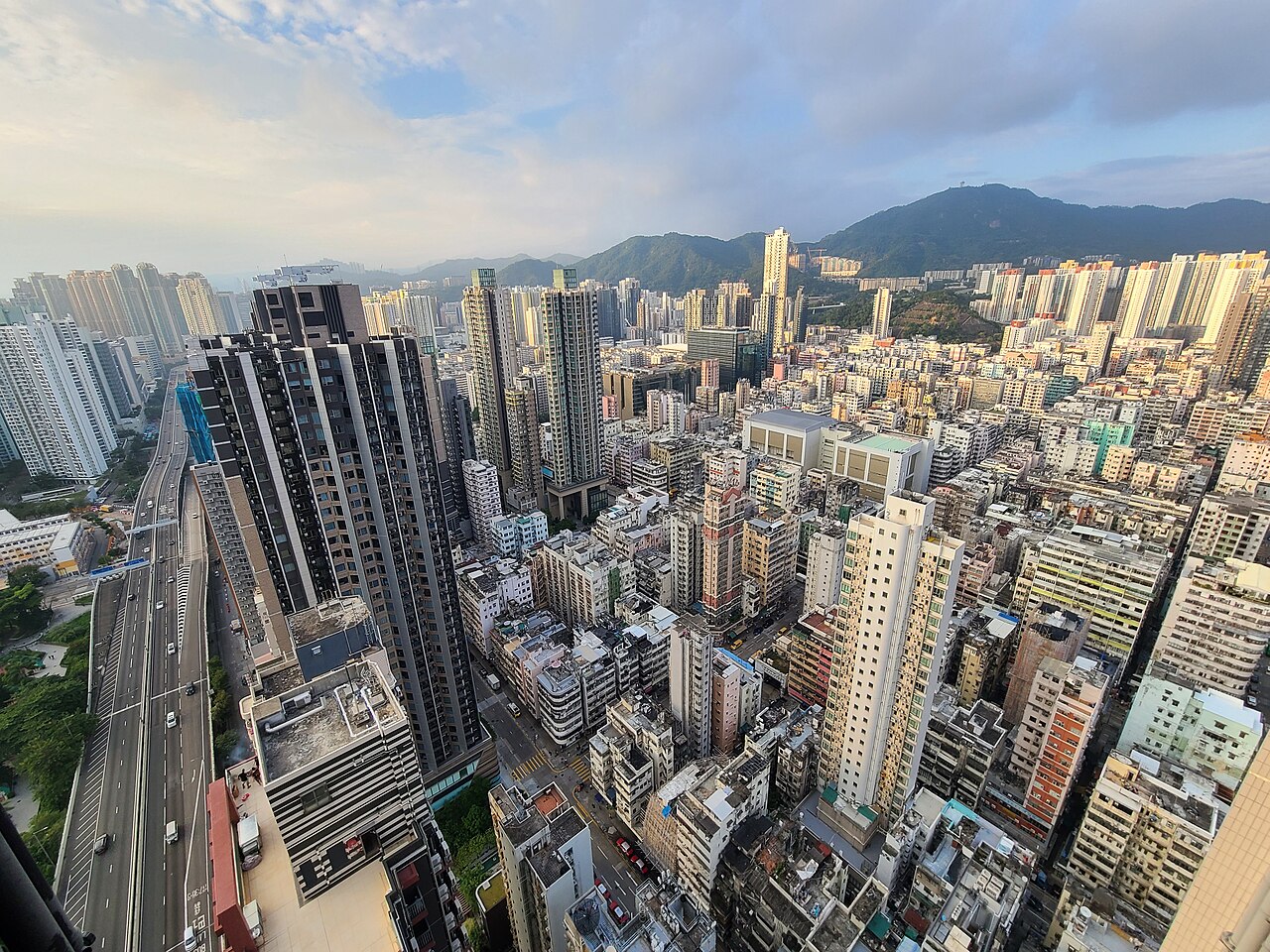
Sham Shui Po Jade Market is a specialized trading venue in Hong Kong's Sham Shui Po district, a working-class neighbourhood known for its electronics markets and street-level commerce. The market concentrates jade vendors selling carved ornaments, jewellery, raw stones, and decorative objects. Jade holds deep cultural significance in Chinese communities for ornamental, spiritual, and investment purposes. The market operates within Hong Kong's broader gemstone and jewellery trading ecosystem, serving both local buyers and visitors seeking authentic jade pieces. Its location in Sham Shui Po reflects the area's historical role as a hub for accessible, specialist retail.
The market contains numerous stalls and small shops offering jade merchandise across price ranges and quality grades. Visitors encounter finished jewellery including bracelets, pendants, earrings, and rings alongside uncut stones and carved figurines. Merchandise spans nephrite and jadeite varieties, with differences in translucency, colour, and texture determining value. Some vendors provide custom carving or mounting services. The market environment features compact stall arrangements typical of Hong Kong's traditional markets, with goods displayed in glass cases or on counter surfaces. Authentication certificates may accompany higher-value items, though buyers should exercise independent verification.
A focused visit to Sham Shui Po Jade Market typically requires sixty to ninety minutes for adequate browsing of available merchandise. Serious buyers examining pieces for quality assessment, price comparison across multiple vendors, or negotiation may extend their stay to two or three hours. The compact market layout permits efficient circulation between stalls. Visitors combining this destination with broader Sham Shui Po exploration—including electronics markets, street food, and fabric suppliers—should allocate a half-day. Morning visits may offer less crowded conditions, while afternoons see increased commercial activity and vendor availability for detailed consultation.
Visitors should independently verify current opening times before planning their trip, as market schedules may fluctuate seasonally or follow informal patterns common to Hong Kong's traditional trading venues. Weather considerations include Hong Kong's hot humid summers and cooler drier winters; the market's likely semi-open or enclosed structure provides variable shelter. Weekday mornings potentially offer quieter browsing with more attentive vendor interaction, while weekends may bring increased foot traffic from local shoppers and tourists. Public holidays in Hong Kong could affect operating status. Check the operator's own site for the travel date before relying on a schedule or fare.
Traditional markets in Hong Kong typically operate without entrance fees, with costs limited to individual purchases. Jade pricing varies enormously based on material quality, craftsmanship intricacy, provenance documentation, and vendor positioning. Bargaining is customary and expected in this market context. Visitors should establish budget parameters before engaging sellers, research jade quality indicators independently, and compare prices across multiple stalls for comparable items. Cash transactions predominate, though some vendors may accept electronic payment methods. No advance booking appears necessary for market access. Check the operator's own site for the travel date before relying on a schedule or fare.
Sham Shui Po district lies in northwestern Kowloon, accessible via Hong Kong's Mass Transit Railway. The Tsuen Wan Line serves Sham Shui Po Station with exits into the surrounding commercial area. Multiple bus routes and public light bus services connect the district to broader Kowloon and New Territories destinations. The market's specific street location within Sham Shui Po requires on-ground navigation from transit points; local signage and pedestrian flow patterns assist orientation. Taxis and ride-hailing services provide alternative access. Walking from nearby Apliu Street electronics market or Golden Computer Arcade enables combined neighbourhood exploration on foot.
Jade authenticity represents the primary concern; genuine jadeite and nephrite differ significantly from dyed, treated, or imitation materials. Buyers lacking expertise should seek reputable vendors, request documentation where available, and consider independent laboratory certification for substantial purchases. Aggressive sales tactics may occur; visitors should feel entitled to decline pressure and compare options. Physical handling of merchandise requires care given fragility and value. The surrounding Sham Shui Po neighbourhood presents typical urban density with active vehicle traffic and crowded sidewalks. Personal belongings warrant standard big-city vigilance. Product descriptions require critical evaluation without assuming vendor statements as verified.
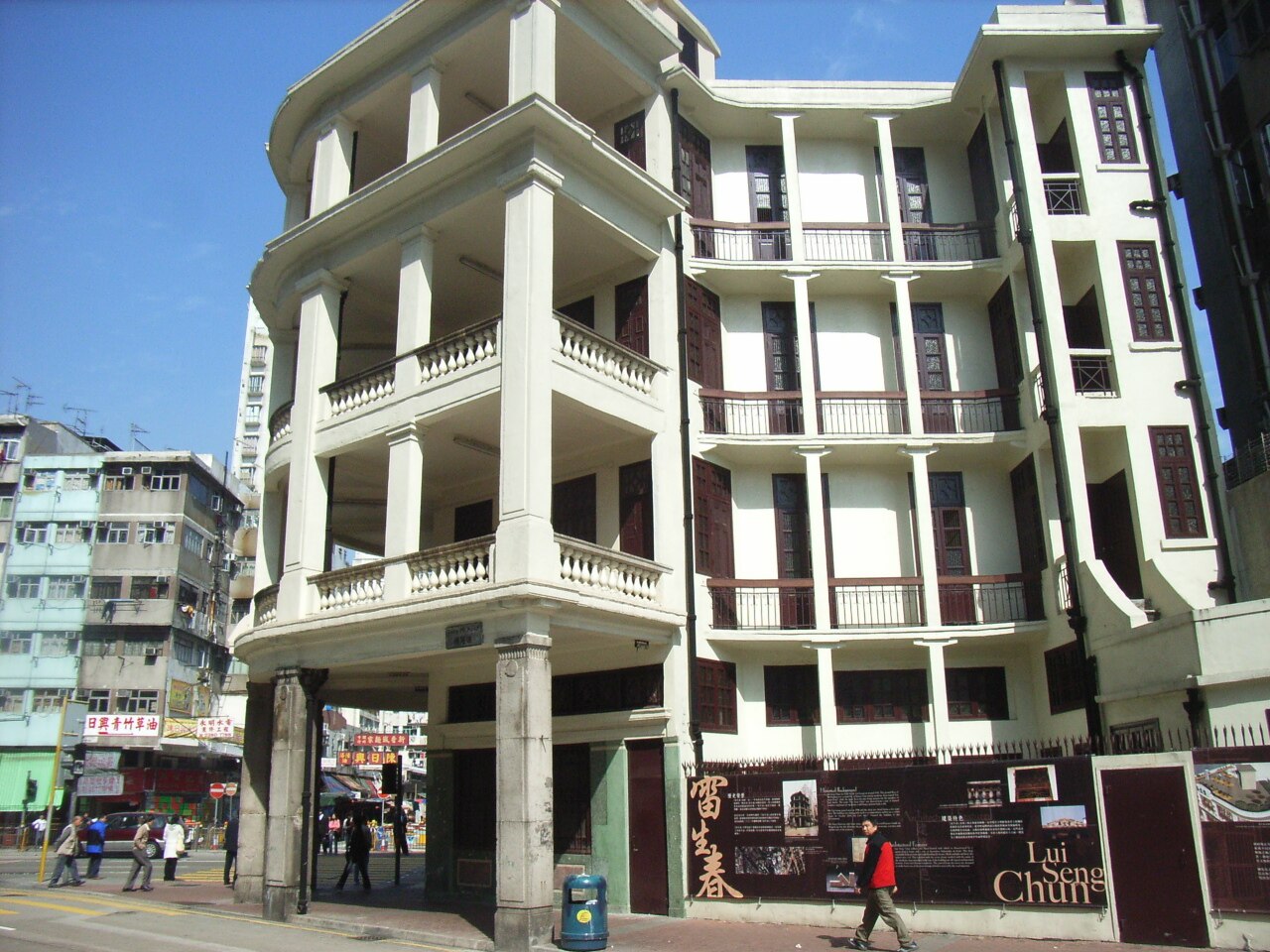
Photography policies within the market remain unconfirmed; visitors should observe vendor cues and request permission before capturing individual stalls, merchandise displays, or vendor portraits. Some traders may restrict photography to protect commercial arrangements or customer privacy. General street photography in surrounding Sham Shui Po faces fewer constraints, though sensitivity toward photographing individuals without consent applies throughout Hong Kong. Compact market spaces may limit photographic angles and lighting conditions. Flash photography potentially disturbs transactions and should be avoided. Respectful documentation of the market atmosphere, architecture, and signage typically encounters less objection than close merchandise or person-focused imaging.
Is the jade sold at Sham Shui Po Jade Market authentic for Sham Shui Po Jade Market in Hong Kong?
Authenticity varies by vendor. Visitors should exercise independent judgement, seek documentation where offered, and consider professional verification for significant purchases. Market environments require buyer vigilance.
Can I bargain at Sham Shui Po Jade Market for Sham Shui Po Jade Market in Hong Kong?
Bargaining is customary in Hong Kong's traditional markets. Visitors should compare prices across stalls and negotiate respectfully within their established budget parameters.
What payment methods are accepted for Sham Shui Po Jade Market in Hong Kong?
Cash transactions predominate at traditional Hong Kong markets. Some vendors may accept electronic payments, but visitors should carry sufficient Hong Kong dollars.
Is the market accessible for visitors with mobility limitations for Sham Shui Po Jade Market in Hong Kong?
Specific accessibility features are Not recorded. Hong Kong's older markets typically present compact spaces with uneven surfaces; visitors should assess conditions on arrival.
Are there food and beverage options nearby for Sham Shui Po Jade Market in Hong Kong?
Sham Shui Po district offers numerous street food vendors, local restaurants, and cafes. The market itself likely focuses on jade commerce without dedicated dining facilities.
Can I return or exchange jade purchases for Sham Shui Po Jade Market in Hong Kong?
Return policies are Not recorded and likely vary by individual vendor. Buyers should clarify terms before completing transactions, particularly for higher-value items.