

7 min walk · 深水埗區 Sham Shui Po District
Tim Ho Wan
- Notable
- Restaurant or café
Language · 11 published
Historic monument · 油尖旺區 Yau Tsim Mong District, Hong Kong
雷生春 Lui Seng Chun
Reviewed by Elena Voss · Roavina Travel Editor
| Monday | 09:00 – 20:00 |
|---|---|
| Tuesday | 09:00 – 20:00 |
| Wednesday | 09:00 – 20:00 |
| Thursday | 09:00 – 20:00 |
| Friday | 09:00 – 20:00 |
| Saturday | 09:00 – 20:00 |
| Sunday | 09:00 – 13:00 |
Closed to visitors between 13:00 – 14:00
Parsed from OpenStreetMap opening hours on 2026-09-09.
This place is a Attraction. It opened in 2012. It carries the declared monument heritage designation.
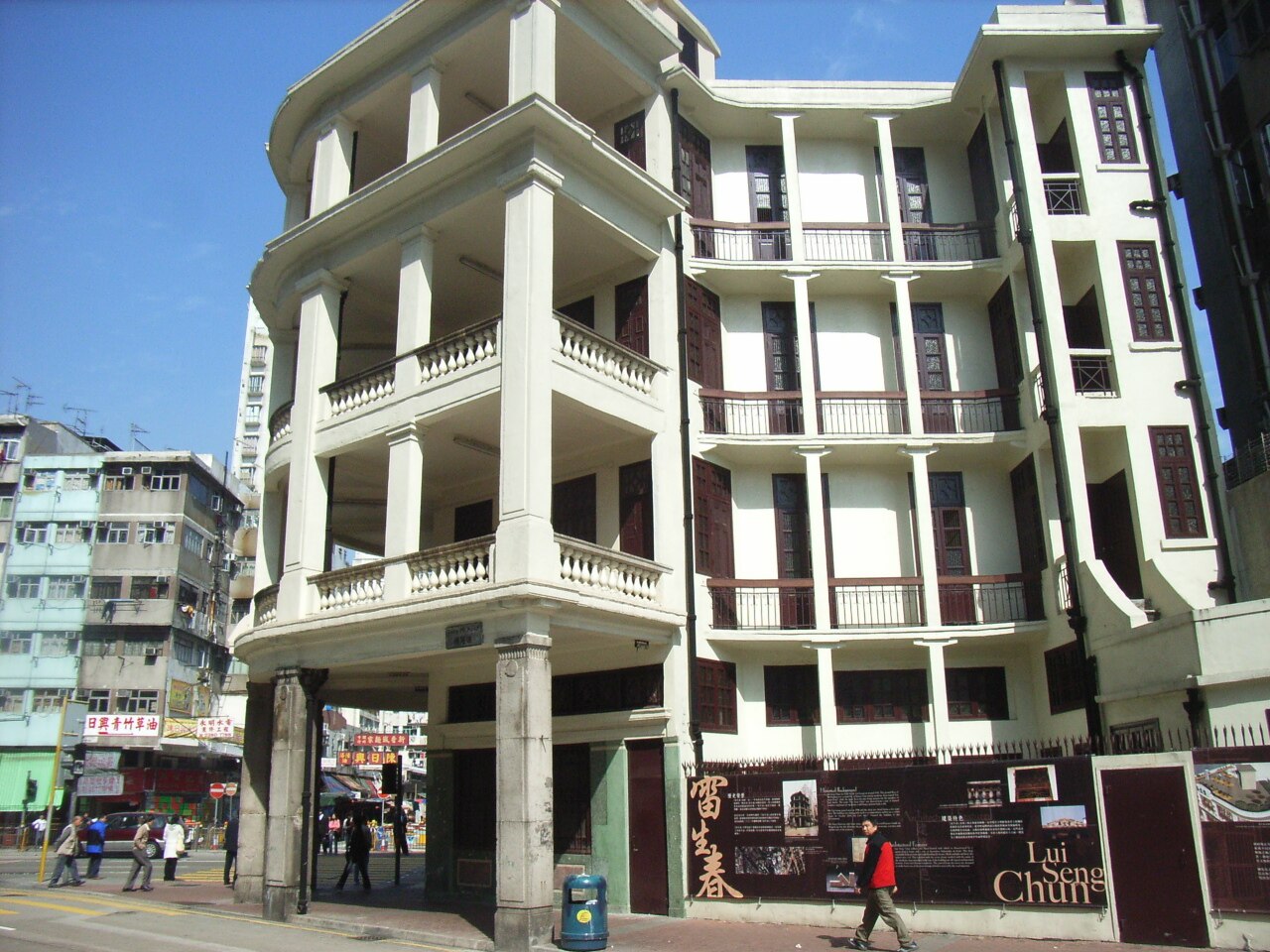
Lui Seng Chun is a historic four-storey shophouse building in Mong Kok, Hong Kong. Constructed in 1931, it features distinctive Shanghai art deco architectural styling with curved corners and cantilevered balconies. The building originally served as a residence and Chinese medicine shop founded by the Lui family. Its name combines the founder's name with auspicious characters meaning spring and vitality. The structure represents a well-preserved example of pre-war urban architecture in Kowloon, reflecting the commercial and residential mixed-use patterns common in early twentieth-century Hong Kong development.
Checked 2026-08-28
The interior originally contained a ground-floor medical hall and upper-floor family residence. Following restoration, the building now houses the Hong Kong Baptist University Chinese Medicine Clinic. The preserved architectural features include the original facade with decorative plaster moldings, green glazed tiles, and cast-iron railings. The curved corner design maximized street frontage for commercial visibility. Internal layouts reflected traditional shophouse organization with business operations below and private quarters above. Specific current room configurations and display contents are Not recorded pending review.
Checked 2026-08-28
A brief exterior viewing requires approximately fifteen to twenty minutes to appreciate the architectural details and photographic opportunities. Visitors interested in the facade's art deco elements, including the corner geometry and decorative features, may spend additional time examining craftsmanship details. Those accessing the Chinese medicine clinic should allow time for consultation purposes rather than tourism. The building occupies a compact urban footprint typical of Mong Kok's dense streetscape. No guided tour duration information is available from supplied sources. A flexible visit keeps attention on what is distinctive at Lui Seng Chun without treating one room, viewpoint or photograph as the whole experience. Conditions on arrival should decide the final pace.
Checked 2026-08-28
The building exterior is publicly visible from the street at all times, permitting architectural observation during daylight hours when decorative details remain clearly visible. Evening illumination may enhance the facade's distinctive appearance. Weather conditions in Hong Kong include hot humid summers and mild winters; visitors should consider personal comfort for extended outdoor viewing. The surrounding Mong Kok area experiences heavy pedestrian traffic throughout daytime and evening periods. Check the operator's own site for the travel date before relying on a schedule or fare.
Checked 2026-08-28
The building exterior may be viewed without charge from public thoroughfares. Access to the Chinese medicine clinic would presumably involve consultation fees rather than tourist admission, though specific costs are Not recorded pending review. No ticketing information for heritage tours or special access appears in supplied sources. Visitors should verify any potential charges directly with operating authorities before planning dedicated visits beyond casual street-level observation. Lui Seng Chun also earns time in a hong kong itinerary because its setting and role differ from the surrounding ranked stops. Compare the place with the nearby streets before deciding how it fits the day. Check the operator's own site for the travel date before relying on a schedule or fare.
Checked 2026-08-28
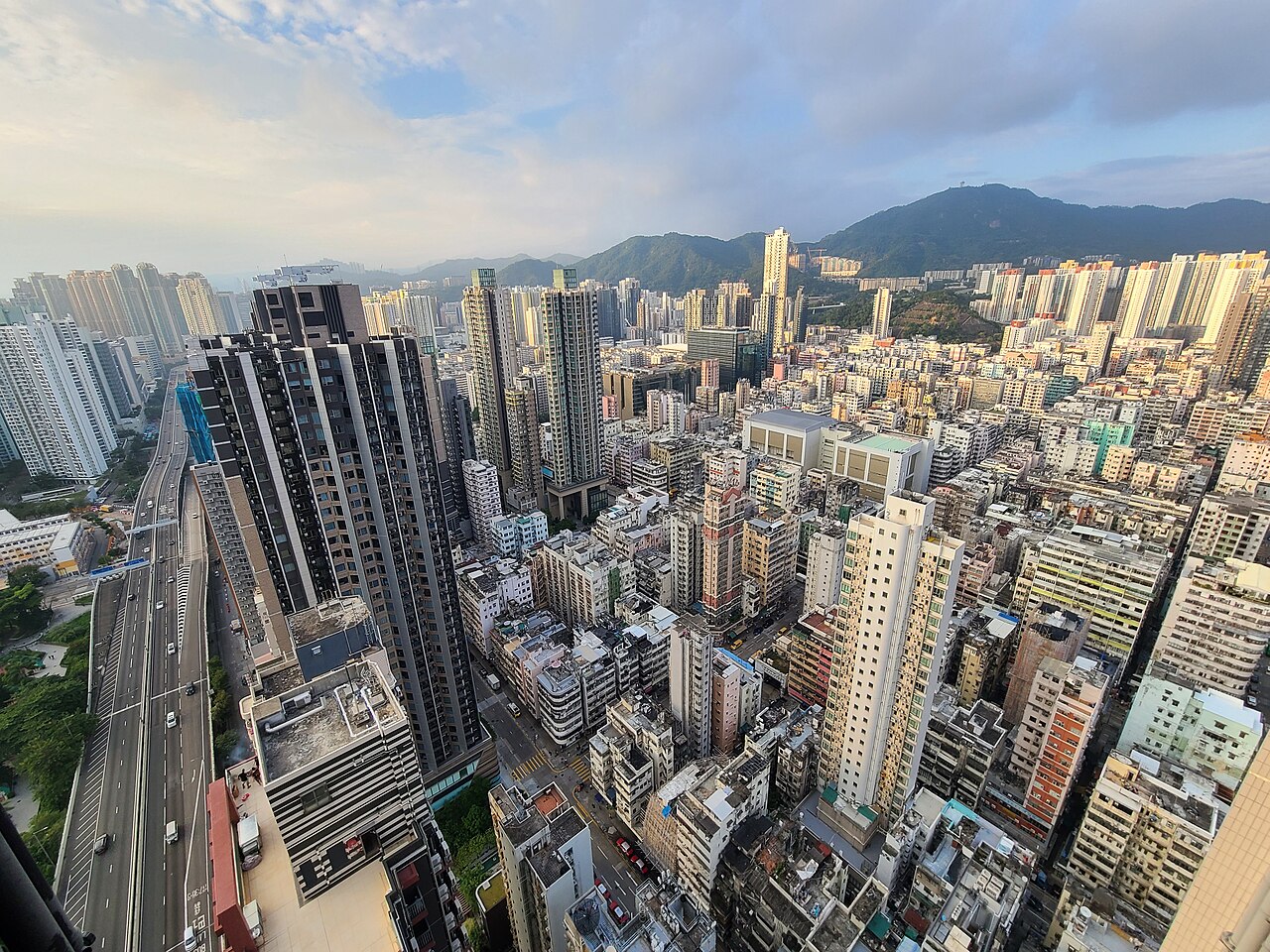
Lui Seng Chun stands at the intersection of Lai Chi Kok Road and Tong Mi Road in Mong Kok, Kowloon. The location sits within Hong Kong's dense urban transit network. Multiple bus routes serve the surrounding road corridors. The nearest Mass Transit Railway stations are Prince Edward and Mong Kok on the Tsuen Wan and Kwun Tong lines, requiring several minutes' walk. Exact walking durations and specific exit recommendations are Not recorded pending review. The address falls within a heavily trafficked commercial district with abundant signage and pedestrian activity.
Checked 2026-08-28
The building occupies a busy road junction with substantial vehicular and pedestrian traffic; visitors should exercise caution when crossing streets and positioning for photography. The surrounding Mong Kok district experiences high population density with associated urban conditions including congestion and noise. No accessibility information for interior access is recorded. Visitors seeking medical services should distinguish between heritage interest and clinical purposes, respecting operational functions. The structure's preserved status may restrict certain activities; appropriate behavior around heritage fabric is advisable.
Checked 2026-08-28
The curved corner facade offers strong geometric compositions emphasizing the art deco styling. Best angles likely occur from across the intersection to capture the full corner sweep and vertical emphasis. The green tilework and decorative plaster provide color and texture interest. Street-level perspectives may be partially obstructed by traffic infrastructure and commercial signage. Lighting conditions vary throughout the day; overcast skies may reduce contrast for architectural detail. Tripod use in busy pedestrian zones may present practical difficulties. No photography restrictions are noted in supplied sources.
Checked 2026-08-28
The building currently operates as a Chinese medicine clinic. Interior access for heritage tourism purposes is not confirmed in available sources. Visitors may view the exterior from public streets.
Exterior viewing from public areas incurs no charge. Check the operator's own site for the travel date before relying on a schedule or fare.
Daylight hours permit clearest architectural observation. Check the operator's own site for the travel date before relying on a schedule or fare.
Prince Edward or Mong Kok MTR stations on the Tsuen Wan and Kwun Tong lines are nearby. Multiple bus routes serve the area. Exact walking directions are Not recorded pending review.
Lui Seng Chun was constructed in 1931, making it approximately ninety years old. It represents pre-war architectural heritage in Hong Kong.
The shophouse exhibits Shanghai art deco characteristics including curved corners, cantilevered balconies, and decorative plasterwork, representing a preserved example of early twentieth-century urban commercial architecture in Kowloon.
Loading the interactive map…
The interactive map could not be loaded.
Last updated:
Source: OpenStreetMap contributors, Wikidata ·