
59 min walk · 北區 North District
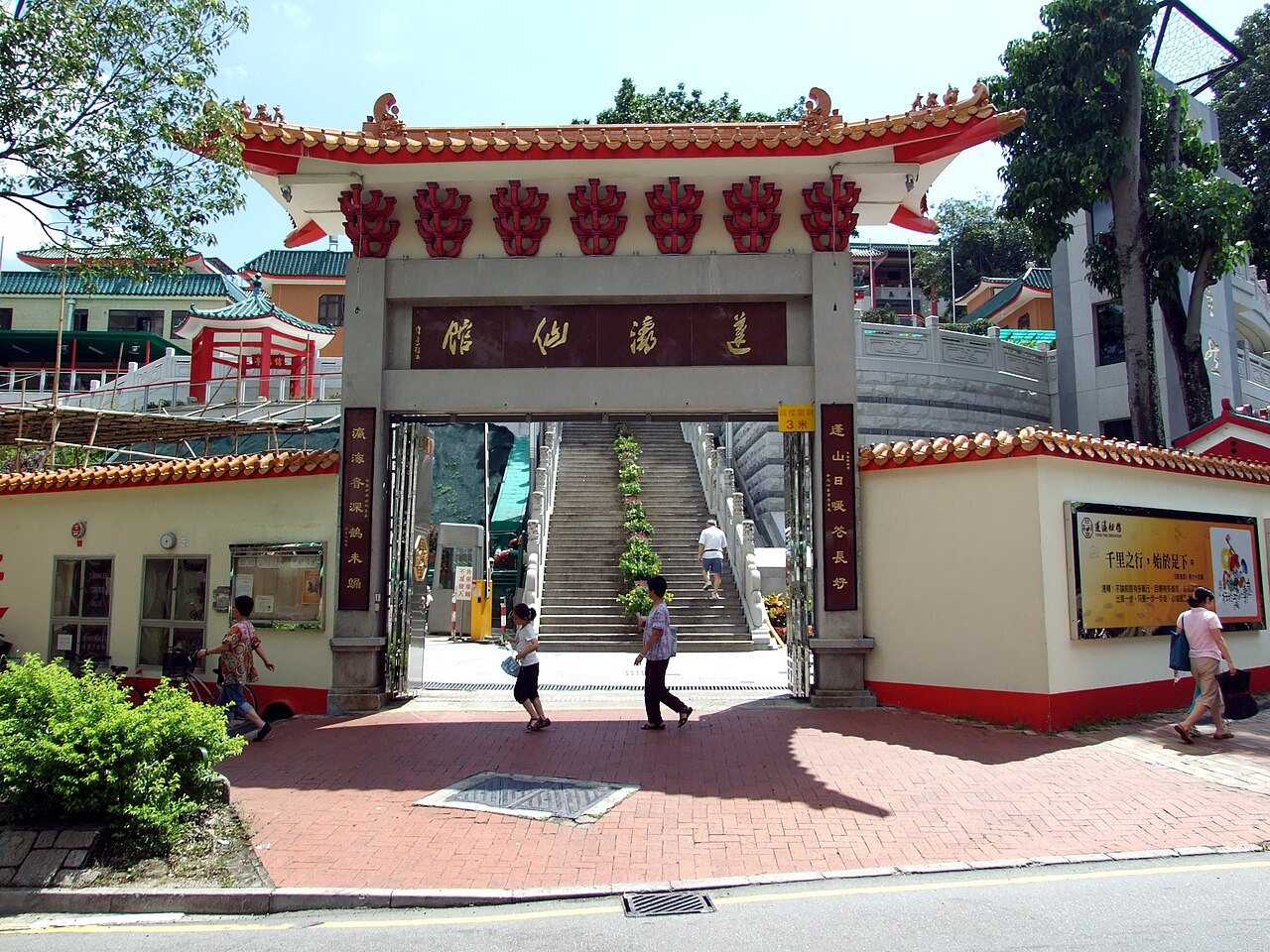
Fung Ying Seen Koon
- Must see
- Place of worship
Place of worship · 北區 North District, Hong Kong
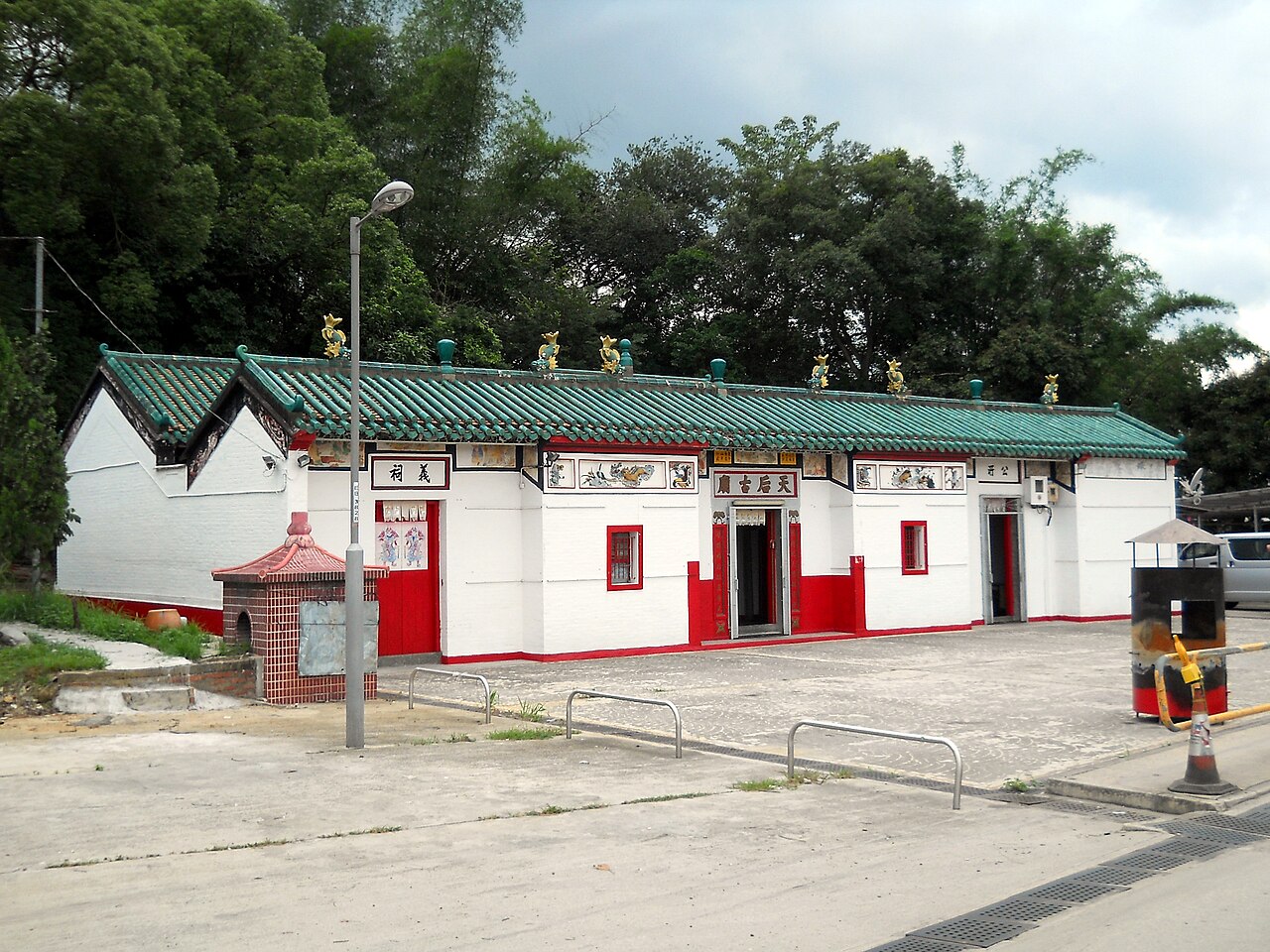
天后古廟 Tin Hau Temple
Tin Hau Temple is a traditional Chinese place of worship dedicated to Tin Hau, the Goddess of the Sea. Her presence reflects Hong Kong’s long relationship with fishing, sailing, and coastal communities. Travelers encounter a living religious space rather than a staged attraction, with maritime belief, neighborhood devotion, and classical temple architecture continuing within the city’s rapidly modernized landscape. Tin Hau Temple is a historic place of worship in Hong Kong dedicated to Tin Hau, the Goddess of the Sea who protects fishermen and sailors. The temple represents an important thread of local maritime heritage and community religious practice. As a traditional Chinese temple, it serves as a focal point for devotees seeking blessings for safety at sea and prosperity. The structure embodies classical temple architecture with characteristic decorative elements. Its continued presence in urban Hong Kong demonstrates the endurance of folk religious traditions amid rapid modernization. Visitors encounter an authentic spiritual site rather than a reconstructed tourist attraction. The temple generally permits visitors who observe respectful conduct, though its primary function remains active religious practice rather than tourism.
Checked 2026-08-26 · Source
The main hall centers on Tin Hau and may include supporting figures, incense coils, carved woodwork, ceramic decoration, and offerings placed by devotees. Look closely at the roofline, entrance guardians, altar composition, and the smoke-filled interior atmosphere. These features are not arranged as a gallery collection; they belong to ongoing worship. Allow worshippers to use the central areas without obstruction. The temple interior typically houses a central altar with a statue of Tin Hau as the principal deity. Supporting figures from the Chinese pantheon often occupy flanking positions. Traditional decorative elements include incense coils hanging from the ceiling, carved wooden panels, and ceramic roof ornaments depicting mythological scenes. Stone lions may guard the entrance. Offerings of fruit, flowers, and incense reflect ongoing devotional practice. The architectural details merit observation by those interested in vernacular religious building traditions.
Checked 2026-08-26 · Source
Fifteen to thirty minutes suits most visitors. Use the first part of the visit to understand the exterior and entrance, then spend a few quiet minutes observing the main hall and decorative details. Devotees may remain longer for prayer or offerings, so avoid treating the temple as a timed exhibit. Its compact scale makes it easy to combine with nearby urban exploration. A focused visit to Tin Hau Temple generally requires between fifteen and thirty minutes. This duration accommodates respectful observation of the main hall, appreciation of architectural and decorative features, and quiet contemplation of the religious atmosphere. Devotees engaging in prayer or offering rituals may spend additional time.
Checked 2026-08-26 · Source
Early morning can reveal the temple’s devotional character, while the Tin Hau Festival, held on the twenty-third day of the third lunar month, brings especially strong religious activity. Weekends and public holidays may feel busier. Choose a time that leaves flexibility, because a ceremony can change the atmosphere and the amount of space available to visitors.
Checked 2026-08-26 · Source
Tin Hau Temple is presented as a functioning community temple, not as a conventional paid museum. Travelers should approach it as a place where donations and offerings may be part of religious practice, with no admission arrangement stated here. Small cash denominations are useful for visitors who wish to contribute appropriately. You can also visit respectfully without making an offering.
Checked 2026-08-26 · Source
Hong Kong’s MTR, buses, trams, ferries, taxis, and walkable urban streets make neighborhood temples practical additions to a city day. Use the mapped location to identify the final approach and expect some walking from a transport stop. Chinese and English street information can help in the surrounding district. A walk to the temple also places it within the everyday city that sustains it.
Checked 2026-08-26 · Source
Dress and behave with the restraint expected at an active temple. Keep shoulders and knees covered where practical, speak quietly, and never touch offerings or altar objects. Incense smoke may irritate sensitive visitors. Floors can be uneven or slippery, and the main hall may become crowded during ceremonies. Some areas may serve devotees only, so follow signs and local movement rather than pushing forward.
Checked 2026-08-26 · Source
The temple’s exterior details provide the safest photographic subject, especially from public space. Indoors, keep a respectful distance from Tin Hau’s altar, incense, worshippers, and ceremonies. Avoid flash and large equipment that blocks movement. If a sign or temple worker limits photography, put the camera away immediately. A quiet, unobtrusive visit matters more than a complete visual record.
Checked 2026-08-26 · Source
Tin Hau is the Goddess of the Sea, revered especially in communities connected with fishing, sailing, and Hong Kong’s maritime history.
A focused visit usually takes fifteen to thirty minutes, although worshippers may spend longer in prayer or making offerings.
The main hall may contain Tin Hau’s image, supporting figures, incense coils, carved woodwork, ceramic decoration, and devotional offerings.
The Tin Hau Festival is celebrated on the twenty-third day of the third lunar month and can bring heightened religious activity.
Incense forms part of temple devotional practice. Watch how worshippers proceed, keep clear of others, and follow any local guidance before participating.
Tin Hau’s importance reflects Hong Kong’s historic coastal communities and the central role of the sea in local livelihoods and belief.
Loading the interactive map…
The interactive map could not be loaded.
Last updated:
Source: OpenStreetMap contributors, Wikidata ·