
6 min walk
Rockbund Art Museum
- Must see
- Museum
Language · 11 published
Museum · Shanghai
上海邮政博物馆
Reviewed by Elena Voss · Roavina Travel Editor
| Monday | Closed |
|---|---|
| Tuesday | Closed |
| Wednesday | 09:00 – 17:00 |
| Thursday | 09:00 – 17:00 |
| Friday | Closed |
| Saturday | 09:00 – 17:00 |
| Sunday | 09:00 – 17:00 |
Checked 2026-08-31 · Source
Read from the OpenStreetMap access tags; anything not listed has no tag recorded.
Set the group type to family in the planner and the day window contracts to about three quarters of a solo day.
This place is a Museum. It was established in 2003.
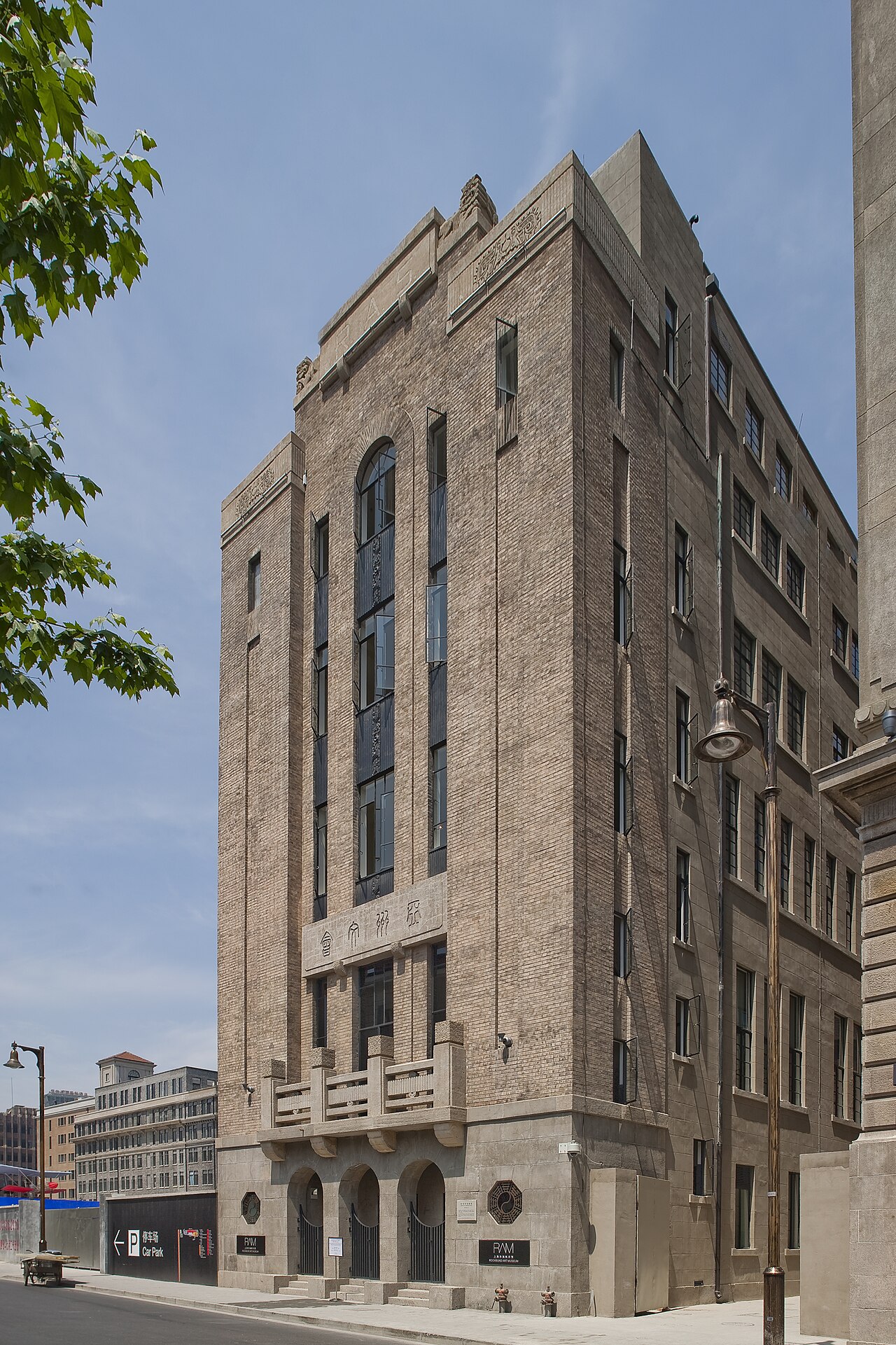
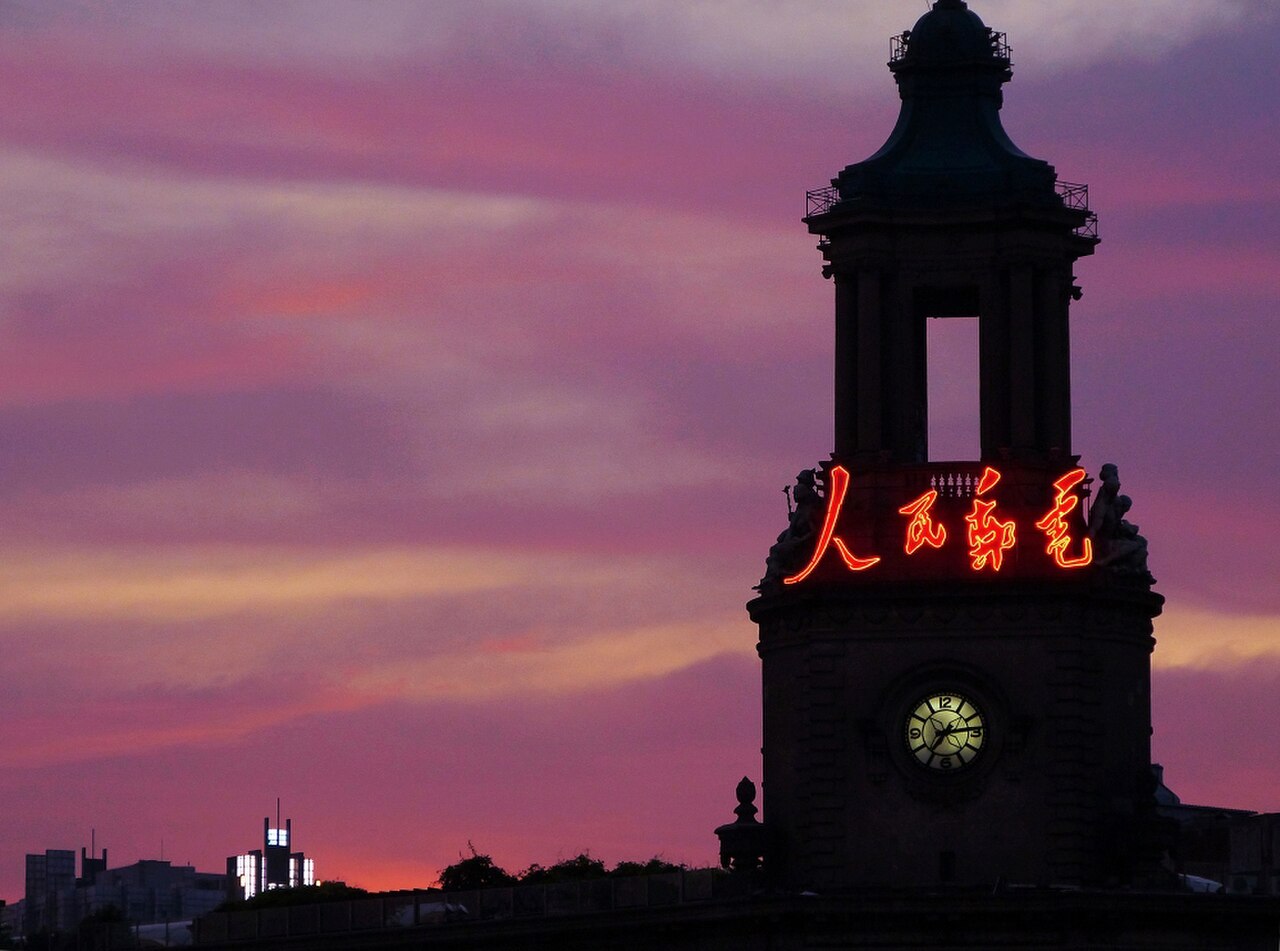
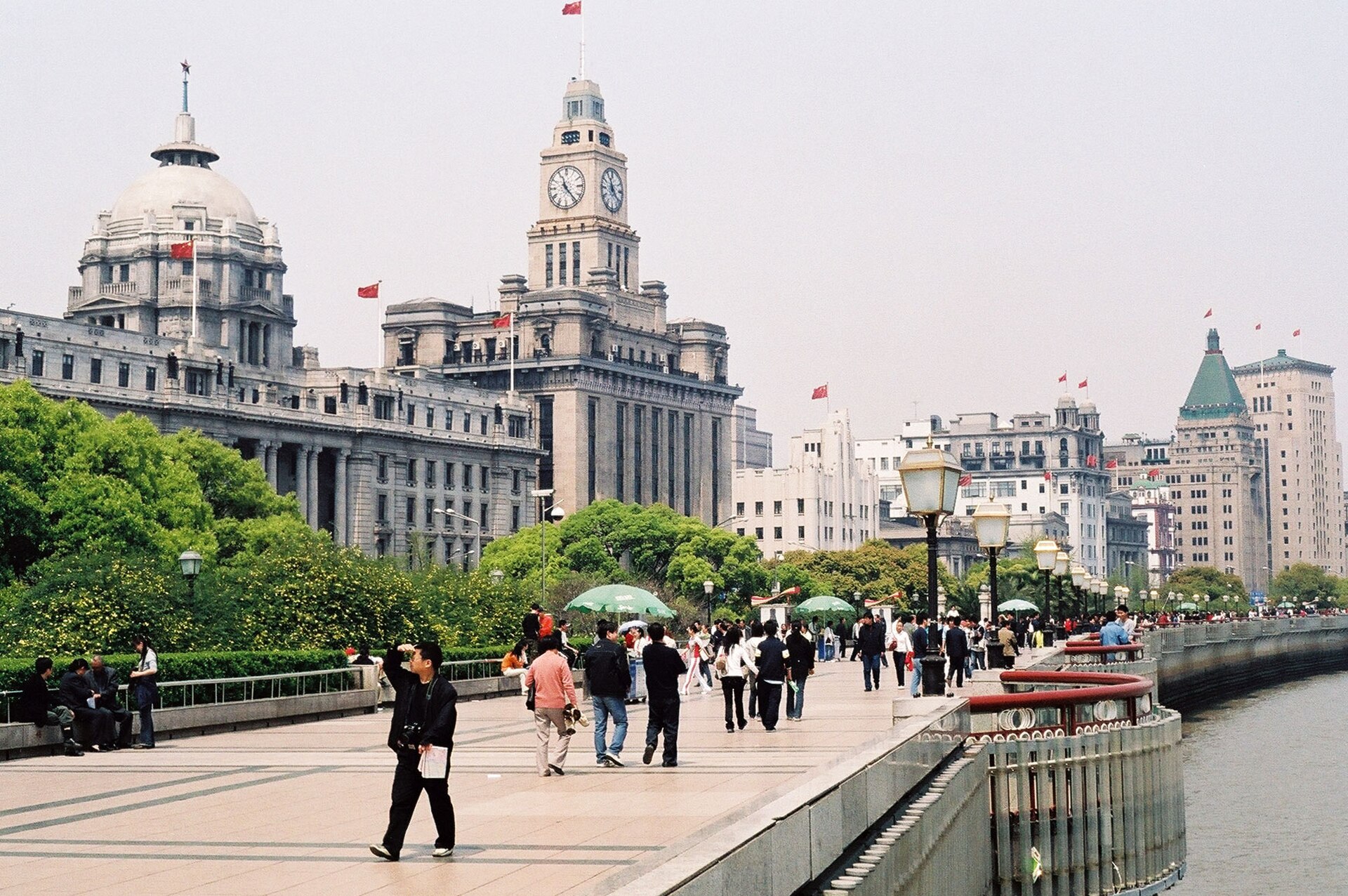
The Shanghai Postal Museum occupies a historic building in the Hongkou district along the Suzhou Creek. The structure originally served as the headquarters of the Shanghai Postal Administration, reflecting the city's significance as a major communications hub during the treaty port era. The building exemplifies early twentieth-century architectural design and stands as a physical record of China's postal modernization. Its location near the creek places it within a zone of historical commercial activity. The museum functions as a cultural institution preserving artifacts and narratives related to postal history in Shanghai and the broader Chinese context.
Checked 2026-08-31 · Source
Exhibits trace the development of postal services from imperial courier systems through the establishment of modern Chinese postage. Collections include historical stamps, postal equipment, and documents illustrating operational evolution. Displays address foreign postal services operating in Shanghai during the concession period. The museum presents material on mail transportation methods, including maritime and overland routes that connected Shanghai to domestic and international destinations. Architectural features of the original building may remain visible to visitors.
Checked 2026-08-31 · Source
Visitor duration depends on individual interest in philatelic and postal history. A standard walkthrough of exhibition spaces typically requires between sixty and ninety minutes for visitors reading display text and examining artifacts. Those with specialized interest in stamp collecting or communications history may extend their stay. The building's architectural elements warrant additional observation time. Visitors should assess their own pacing preferences. Crowding conditions, which vary by season and day, affect movement through galleries. Visitors might combine this site with nearby Suzhou Creek attractions.
Checked 2026-08-31 · Source
Wednesday, Thursday, Saturday and Sunday, 09:00–17:00; last entry at 16:00. Closed Monday, Tuesday and Friday under the published weekly schedule. National-holiday hours are announced separately. Seasonal weather considerations apply to Shanghai generally, with hot humid summers and cool winters. The museum's indoor setting provides climate shelter regardless of external conditions. Weekday mornings typically offer reduced visitor density at cultural institutions citywide. Holiday periods in China, including Golden Week observances, generate substantially increased domestic tourism. Visitors should anticipate potential queue conditions during peak travel seasons. Advance confirmation of operational status remains essential given possible temporary closures or modified schedules.
Checked 2026-08-31 · Source
Free general admission. Individual visitors do not need a reservation. Many Chinese municipal museums operate with free admission or nominal charges, though special exhibitions may require separate ticketing. Identification requirements for entry vary by institution type. Group visit arrangements, if available, typically require advance reservation. Payment methods accepted should be confirmed, as cashless transactions predominate in Shanghai but specific institutional capacity varies. Any available concession categories for students, seniors, or other designated groups require direct verification. Visitors should carry identification documents as standard practice for museum entry in China.
Checked 2026-08-31 · Source
Take Shanghai Metro Line 10 or 12 to Tiantong Road Station, use Exit 3 and walk about 400 metres. On Wednesday, Thursday and Saturday, enter at 258 North Suzhou Road; on Sunday, enter at 395 Tiantong Road. This is the named approach for an independent visit. The museum sits in Hongkou district near the Suzhou Creek. Metro accessibility exists through nearby stations on Shanghai's extensive rail network. The Tiantong Road station on Line 12 provides relatively close access, requiring subsequent walking. Bus routes serve the broader Hongkou area with stops requiring navigation to the specific address. Taxi and ride-hail services operate throughout Shanghai. Cycling and walking access depends on visitor origin point. Signage in Chinese predominates; visitors should prepare destination names in characters for navigation assistance. The creek-side location offers waterfront approach routes. Traffic conditions affect surface transportation timing significantly.
Checked 2026-08-31 · Source
The exact OpenStreetMap POI record is tagged wheelchair=no. The museum occupies the second floor of the historic General Post Office Building. The access description applies to the documented visitor route. Historic building environments present accessibility constraints including stairs and uneven surfaces. Exhibition spaces may lack English-language labeling comprehensively; translation applications assist interpretation. Crowding during peak periods affects personal space and viewing conditions. Climate control in older structures varies seasonally. Personal belongings require standard vigilance in any tourist setting. Photography policies within specific galleries may restrict equipment or flash use; compliance with posted regulations is expected. Emergency exit awareness applies in all public buildings. Visitors should respect artifact protection barriers and staff instructions regarding exhibit proximity.
Checked 2026-08-31 · Source
The historic building exterior presents architectural photography opportunities along the Suzhou Creek waterfront. Interior photography permissions vary by museum policy and specific exhibit restrictions. Flash photography typically damages sensitive materials and faces prohibition. Tripod and professional equipment use usually requires institutional permission. Natural lighting conditions shift throughout the day affecting interior capture quality. Reflections on display cases challenge artifact photography. Visitors should observe posted signage and staff guidance regarding permitted zones and techniques. Respect for other visitors' viewing experience governs appropriate photography behavior. Commercial or publication use requires separate authorization beyond personal documentation purposes.
Checked 2026-08-31 · Source
No. General admission is free and individual visitors may enter without a reservation.
Groups must call ahead on 021-63936666, extension 1280.
Use 258 North Suzhou Road on Wednesday, Thursday and Saturday; use 395 Tiantong Road on Sunday.
The second-floor exhibition hall opens on Wednesday and Thursday. On Saturday and Sunday, both the second-floor hall and first-floor courtyard exhibition area open.
It reopened on 1 December 2024 after an exhibition upgrade that began in April 2024.
Yes. The museum sells postcards that visitors can write and post during their visit.
Loading the interactive map…
The interactive map could not be loaded.

Last updated:
Source: OpenStreetMap contributors, Wikidata ·