2 min walk
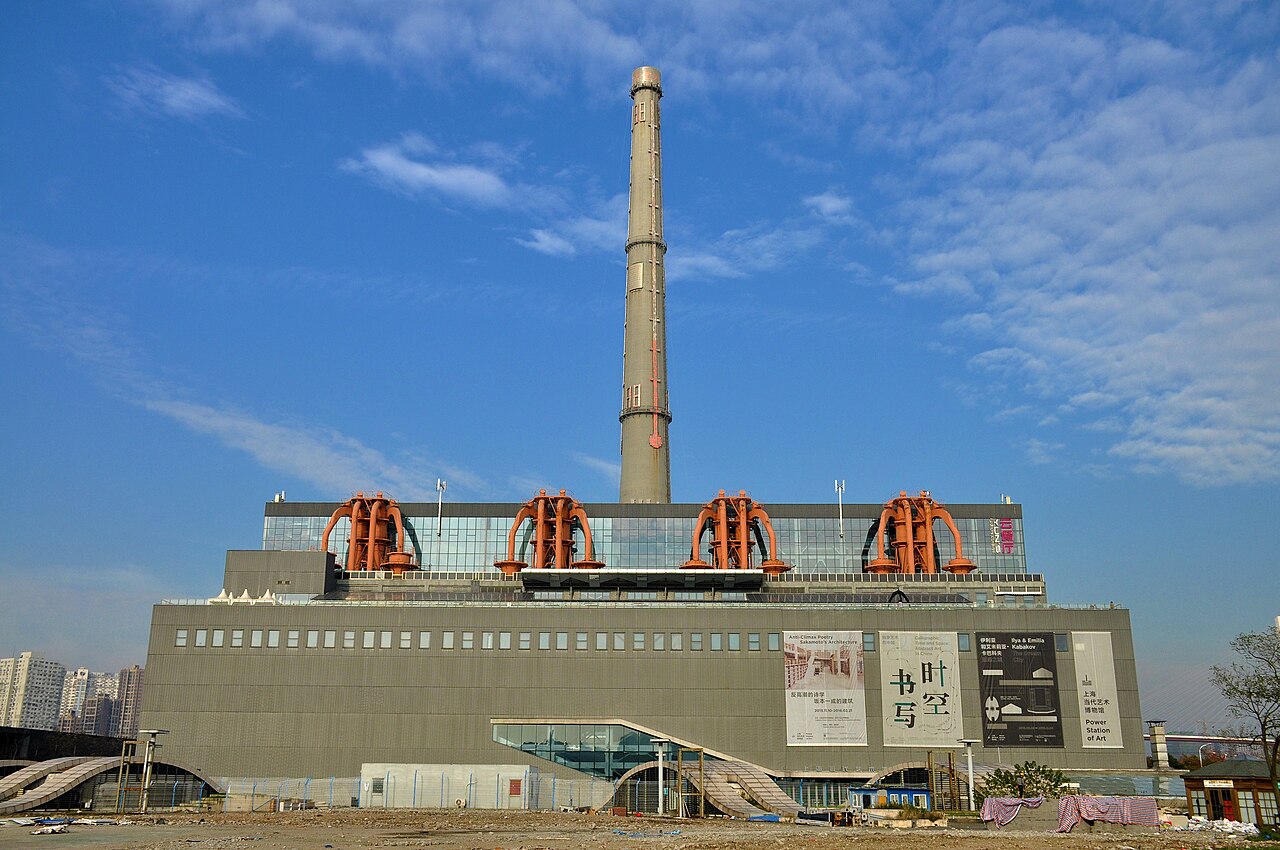
Power Station of Art
- Must see
- Museum
Language · 11 published
Museum · Shanghai
Reviewed by Elena Voss · Roavina Travel Editor
This place is a Museum.
teamLab Borderless Shanghai is an immersive digital art museum created by the Japanese collective teamLab. It opened in 2019 as a permanent Shanghai installation and places visitors inside a changing world of light, sound, movement, and responsive imagery. The borderless idea removes a conventional sequence of galleries: works flow across rooms and react to people nearby. Located in Shanghai’s Huangpu District, it offers an experience built around exploration and participation rather than viewing paintings from a fixed distance. teamLab Borderless Shanghai is a digital art museum operated by the Japanese collective teamLab. The venue opened in 2019 as the first permanent teamLab Borderless installation outside Japan, situated along the Huangpu River in Shanghai's Huangpu district. No. teamLab Borderless Shanghai opened in 2019 as a separate permanent installation. The original Tokyo venue closed in 2022. They share the collective's artistic approach but are distinct productions.
Checked 2026-08-26 · Source
The museum contains interconnected installations with dark rooms, luminous projections, reflective surfaces, moving imagery, and interactive digital landscapes. Some works respond to touch, proximity, or the movement of groups, so the environment changes as visitors explore. The layout encourages wandering instead of following one prescribed path. Several spaces can feel visually intense, and water-related installations add another sensory layer. Expect a sequence of atmospheres rather than a quiet collection of separate rooms. The value lies in discovering connections and revisiting spaces as the digital scenes evolve.
Checked 2026-08-26 · Source
Give the museum several hours if you want to explore patiently. The absence of a fixed route makes a short visit possible, but the experience rewards returning to rooms, watching works change, and following an unexpected visual transition. Crowded installations can also take longer because visitors wait for space to interact or photograph. A generous block suits travelers who enjoy immersive environments; a shorter visit works when the museum is one part of a wider Huangpu itinerary. Avoid scheduling another tightly timed attraction immediately afterward.
Checked 2026-08-26 · Source
A quieter period can make wandering and interaction more comfortable, while busy periods bring more people into the responsive works and popular spaces. Shanghai’s hot, humid summers and cool winters matter mainly during the journey to the riverside area, since the museum itself is indoors. The installation is particularly suited to visitors who can give it an uninterrupted block of time. Make the museum the main activity for that part of the day, then continue to nearby Huangpu attractions once you have finished exploring its darkened galleries.
Checked 2026-08-26 · Source
The museum is a commercial visitor attraction with admission tied to access to its immersive installation. Its experience is capacity-sensitive because galleries can become crowded, particularly around popular interactive works. Plan the visit around the entry arrangement associated with your chosen date and allow enough time to enjoy the museum after entering. The permanent Shanghai installation differs from a temporary gallery exhibition: the destination is the complete immersive environment, not one short-lived room. Keep your itinerary adaptable so the visit is not reduced to a rushed pass-through.
Checked 2026-08-26 · Source
teamLab Borderless Shanghai is in Huangpu District near the Huangpu River and can be reached through Shanghai’s broad metro, taxi, ride-hailing, bus, walking, and cycling network. The final approach is an urban pedestrian journey through a developing cultural and commercial corridor. Use a current map for the exact station exit and walking line, then leave room for the approach rather than timing arrival to the minute. The riverside location makes it easy to combine the museum with other central Shanghai sights after the visit.
Checked 2026-08-26 · Source
Dark rooms, mirrored surfaces, changing projections, and uneven visual cues require deliberate movement. Water-feature areas may leave surfaces damp, so shoes with secure footing are useful. Bright flashes and rapid transitions can be uncomfortable for photosensitive visitors. Children need close supervision because the space has few conventional visual boundaries and interactive works attract movement from all directions. Keep personal belongings secure and give other visitors room to experience responsive pieces. The museum is more enjoyable when you slow down instead of trying to photograph every installation.
Checked 2026-08-26 · Source
The museum is highly photogenic, but dark interiors, reflections, movement, and changing light make shooting technically demanding. Flash can disturb the immersive atmosphere and other visitors, while tripods or bulky equipment can obstruct fluid circulation. Mirrored floors and walls create deliberate reflections, including self-portraits and unexpected figures. Since the works respond to people and change over time, repeated visits can produce different images. Photograph considerately, leave space around interactive installations, and use the surrounding Huangpu waterfront when you want brighter architectural compositions.
Checked 2026-08-26 · Source
No. Shanghai is a separate permanent installation. It shares teamLab’s borderless approach with the Tokyo venue, but it is its own destination in Huangpu District.
No. The borderless concept encourages visitors to wander through interconnected spaces rather than follow a single prescribed route. Works flow between rooms and respond to movement.
Children encounter dark rooms, interactive projections, reflective surfaces, and changing visual environments. The fluid layout makes close adult supervision important, especially near water-related installations and crowded interactive works.
Several hours allow time to wander, revisit spaces, and watch responsive works evolve. A shorter visit is possible, but the museum is best treated as a substantial activity rather than a quick stop.
The museum presents immersive digital installations using light, sound, projection, movement, reflection, and interaction. The works connect across rooms and change in response to visitors and their surroundings.
Yes. Repeat visits can therefore feel different.
Loading the interactive map…
The interactive map could not be loaded.
Last updated:
Source: OpenStreetMap contributors ·