


78 min walk
Dafen
- Must see
- Historic monument
Language · 11 published
Historic monument · Shenzhen
甘坑客家小镇
Reviewed by Elena Voss · Roavina Travel Editor
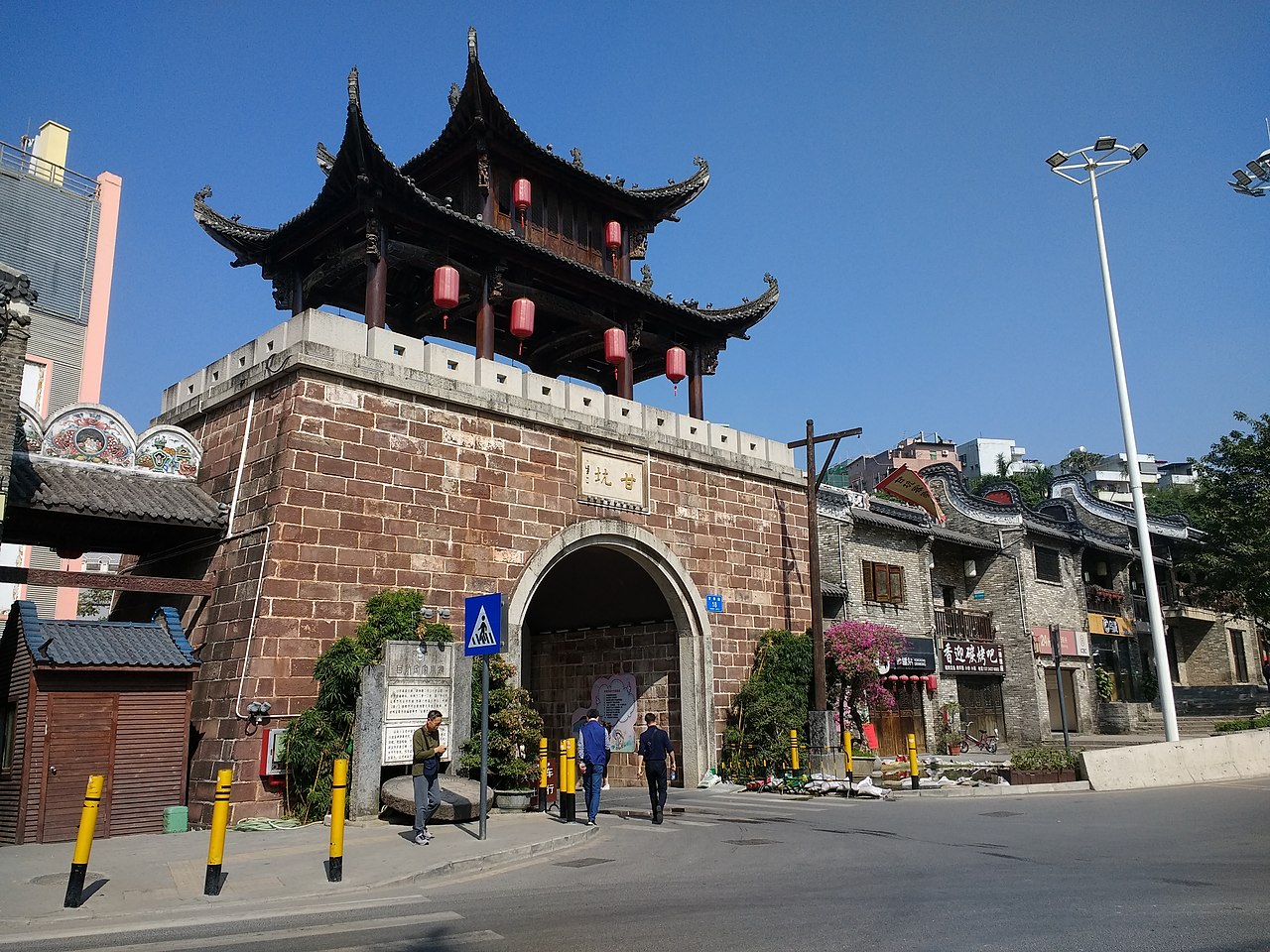
This place is a Attraction.
Gankeng Hakka Town is a cultural heritage destination in Shenzhen’s Longgang District, centred on Hakka architecture, settlement patterns and folk culture. Known locally as 甘坑古镇, the town gives visitors a chance to walk through a compact environment of lanes, courtyards and traditional-style buildings while remaining inside the modern Shenzhen region. The experience combines heritage interpretation with shops, food and visitor activities, so it feels like a living tourist quarter as well as an architectural site. It is a useful counterpoint to Shenzhen’s technology and skyline attractions. Gankeng Hakka Town is a cultural heritage destination in Shenzhen, Guangdong Province, China. The site preserves Hakka architectural traditions and folk culture within an urbanizing region. The site preserves Hakka architectural traditions with both preserved and reconstructed elements, typical of China's heritage tourism development approach.
Checked 2026-08-26 · Source
The town’s visual character comes from Hakka-style buildings, ancestral halls, defensive forms, narrow lanes, courtyards and stone foundations. Cultural displays and craft workshops connect the built environment with Hakka traditions, while shops and food vendors occupy adapted traditional spaces. The compact layout rewards slow walking: look at doorways, rooflines, paving and the relationship between public lanes and enclosed courtyards. The visitor experience is deliberately mixed, with heritage scenery alongside commercial activity, dining and contemporary tourism facilities. That combination is central to what Gankeng Hakka Town offers.
Checked 2026-08-26 · Source
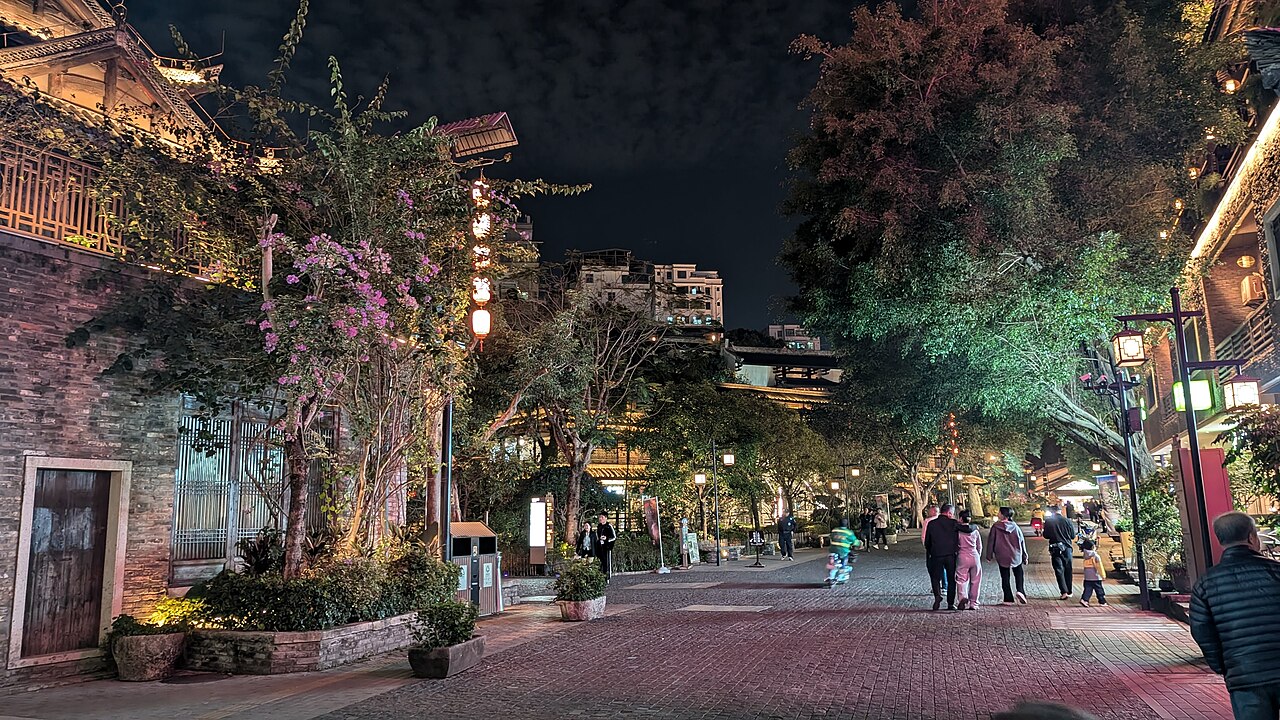
Allow two to three hours to walk through the principal lanes and buildings at an unhurried pace. Add time for photography, craft activities, browsing the shops or eating within the town. A half-day visit gives enough room to experience the architecture without rushing and can be extended into an evening when illuminated buildings and cooler temperatures change the atmosphere. Visitors combining Gankeng Hakka Town with other Shenzhen sights should treat it as a substantial Longgang stop rather than a quick photo call.
Checked 2026-08-26 · Source
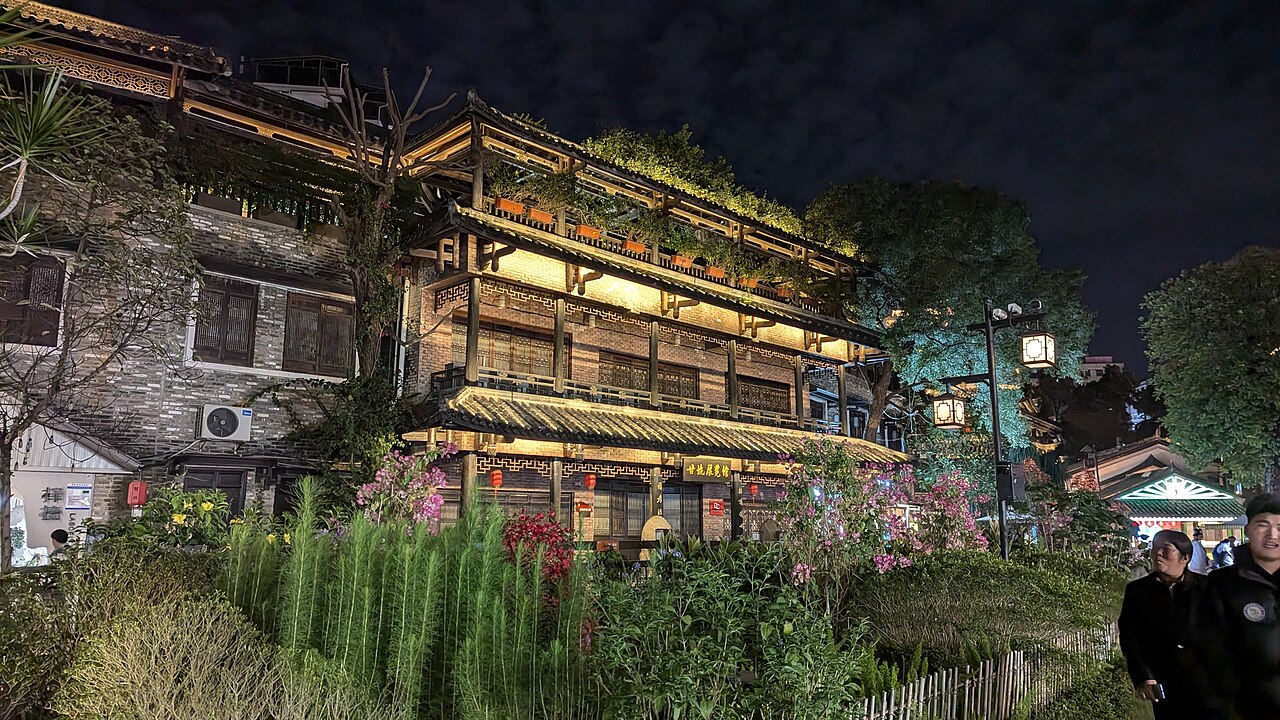
Autumn through spring usually offers the most comfortable conditions for walking Shenzhen’s outdoor heritage lanes. Summer is hot and humid, while rainfall is more frequent from April through September, so lightweight clothing, shade and water become important during warmer visits. Weekday mornings are suited to visitors seeking quieter photography and easier movement. Weekends and Chinese public holidays bring stronger domestic tourism and can make the lanes, food areas and popular viewpoints crowded. Evening visits offer a different mood when traditional-style buildings are illuminated.
Checked 2026-08-26 · Source
Gankeng Hakka Town combines public streets and visitor-oriented attractions, so the cost of a visit can depend on which areas, exhibitions, performances or activities a traveller chooses. Food, workshops and other experiences may sit alongside the architectural walk rather than forming one uniform admission product. Carry a payment method suitable for Shenzhen and separate the time spent exploring the lanes from optional purchases. The town’s strongest free-form pleasure is walking through the Hakka-style setting, while paid activities can add a more structured cultural experience.
Checked 2026-08-26 · Source
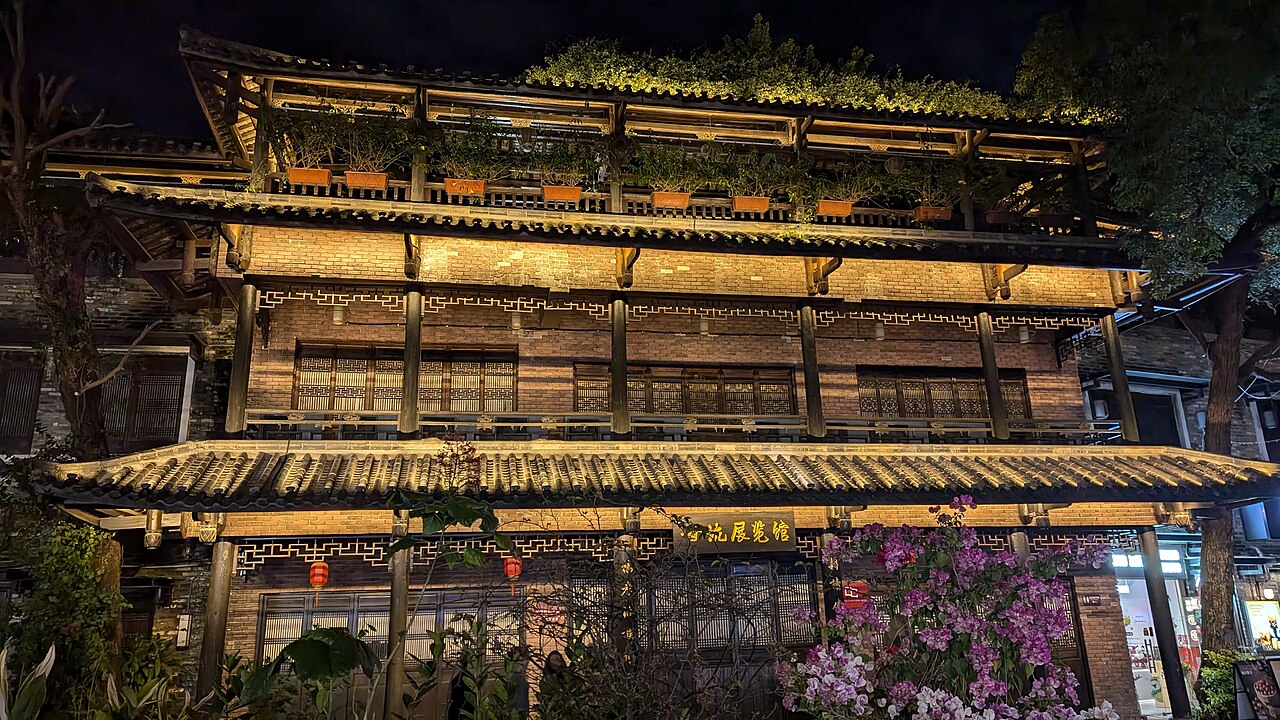
Gankeng Hakka Town is in Shenzhen’s Longgang District and is reached through the city’s metro, bus, taxi and ride-hailing network. The journey from Futian or Luohu can take a meaningful part of the day because Longgang is distant from central districts, so place the town with other destinations in the same broad area when possible. Use 甘坑古镇 as the destination name in Chinese characters. Drivers and mapping applications can handle the Chinese name more reliably than an English transliteration, especially for the final approach.
Checked 2026-08-26 · Source
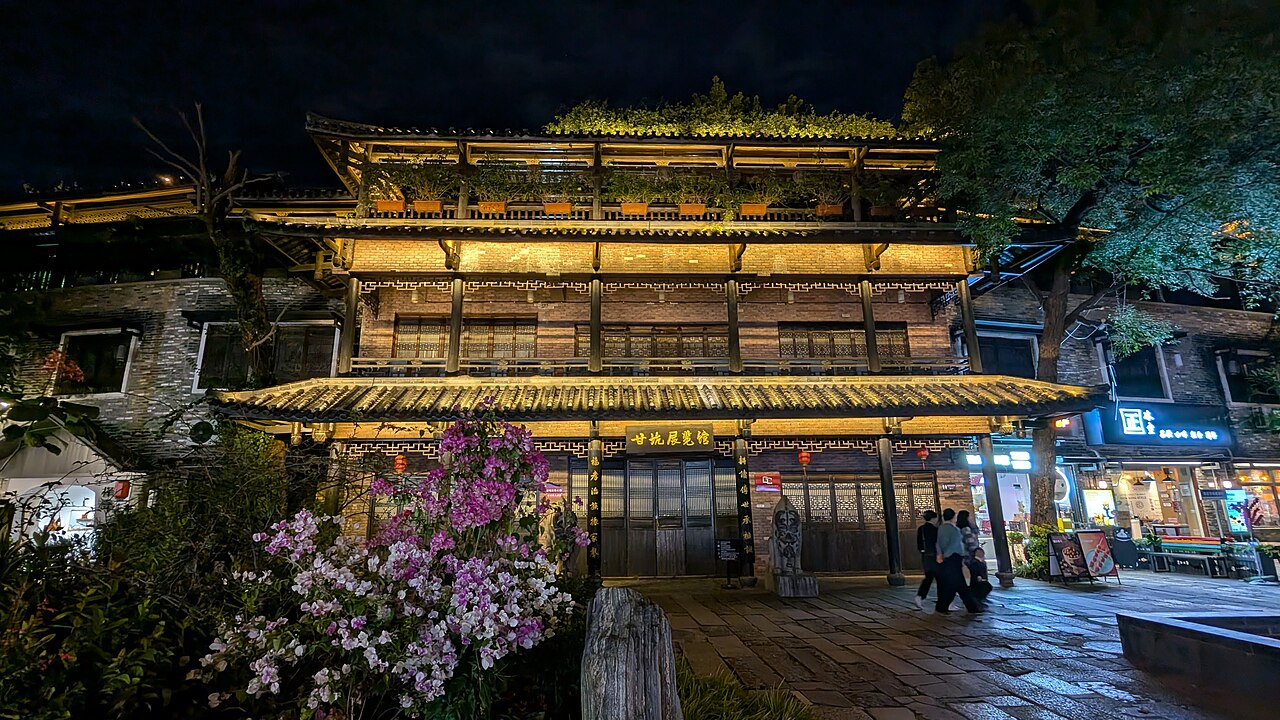
Gankeng Hakka Town has a tourism-focused atmosphere, with preserved and reconstructed elements standing beside commercial spaces. Visitors seeking a quiet village should choose an early weekday period, while families and photographers should expect busier lanes at peak times. Stone paving and uneven historic-style surfaces call for comfortable shoes. Shenzhen’s heat and humidity make water, sun protection and rest stops valuable. Food and drinks belong in designated commercial areas, not among exhibits or heritage interiors. Chinese is the dominant language in locally oriented spaces, so the written destination name is useful.
Checked 2026-08-26 · Source
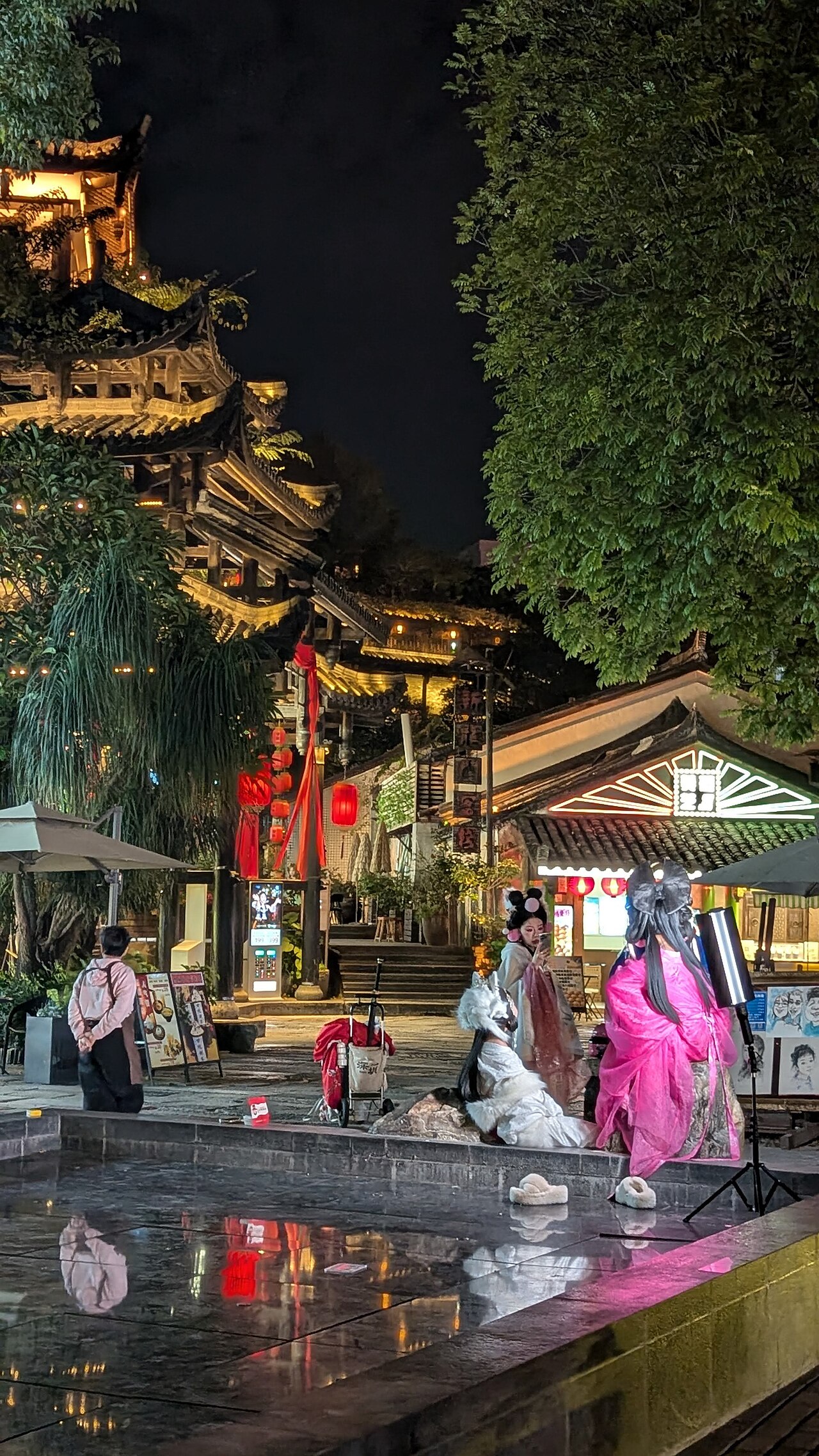
Gankeng Hakka Town is especially photogenic for architectural details: whitewashed walls, dark tiled roofs, wooden doors, stone foundations and narrow lanes. Morning and late-afternoon light can reveal texture across the façades, while evening illumination gives the town a more atmospheric character. Use doorways and lanes as framing devices, and include people when you need to show scale. Crowds make clean compositions harder during holidays. Respect signs in managed interiors, ask before photographing craft workers closely and keep tripod equipment unobtrusive in busy passages.
Checked 2026-08-26 · Source
It is a Shenzhen heritage destination in Longgang District centred on Hakka-style architecture, compact lanes, folk culture, food, shops and visitor activities.
Allow two to three hours for the main walk, or half a day if you include photography, craft activities, shopping or dining.
Gankeng Hakka Town is in Shenzhen’s Longgang District. The Chinese destination name is 甘坑古镇.
Look for Hakka-style residences, ancestral halls, defensive forms, courtyards, stone foundations, narrow lanes, cultural displays, craft spaces, shops and food vendors.
The walkable scale and food, craft and cultural activities suit a family outing, although uneven stone surfaces require care from visitors with limited mobility.
Weekday mornings and late afternoons provide softer light and generally easier movement; evening illumination offers a different architectural mood.
Loading the interactive map…
The interactive map could not be loaded.

Last updated:
Source: OpenStreetMap contributors, Wikidata ·