


11 min walk
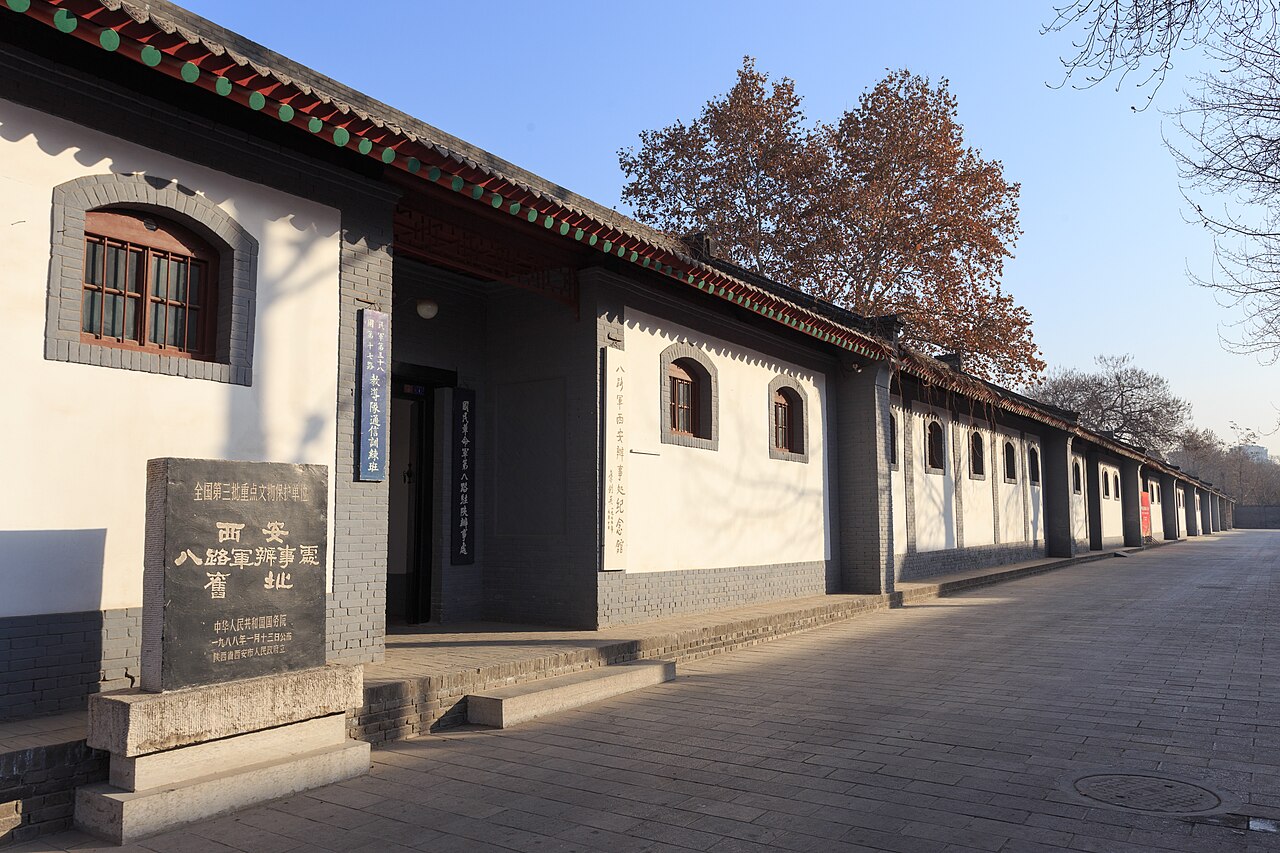
Former office of Eighth Route Army in Xi'an
- Must see · Heritage site
- Museum
Language · 11 published
Historic monument · Xi'an
安远门
Reviewed by Elena Voss · Roavina Travel Editor
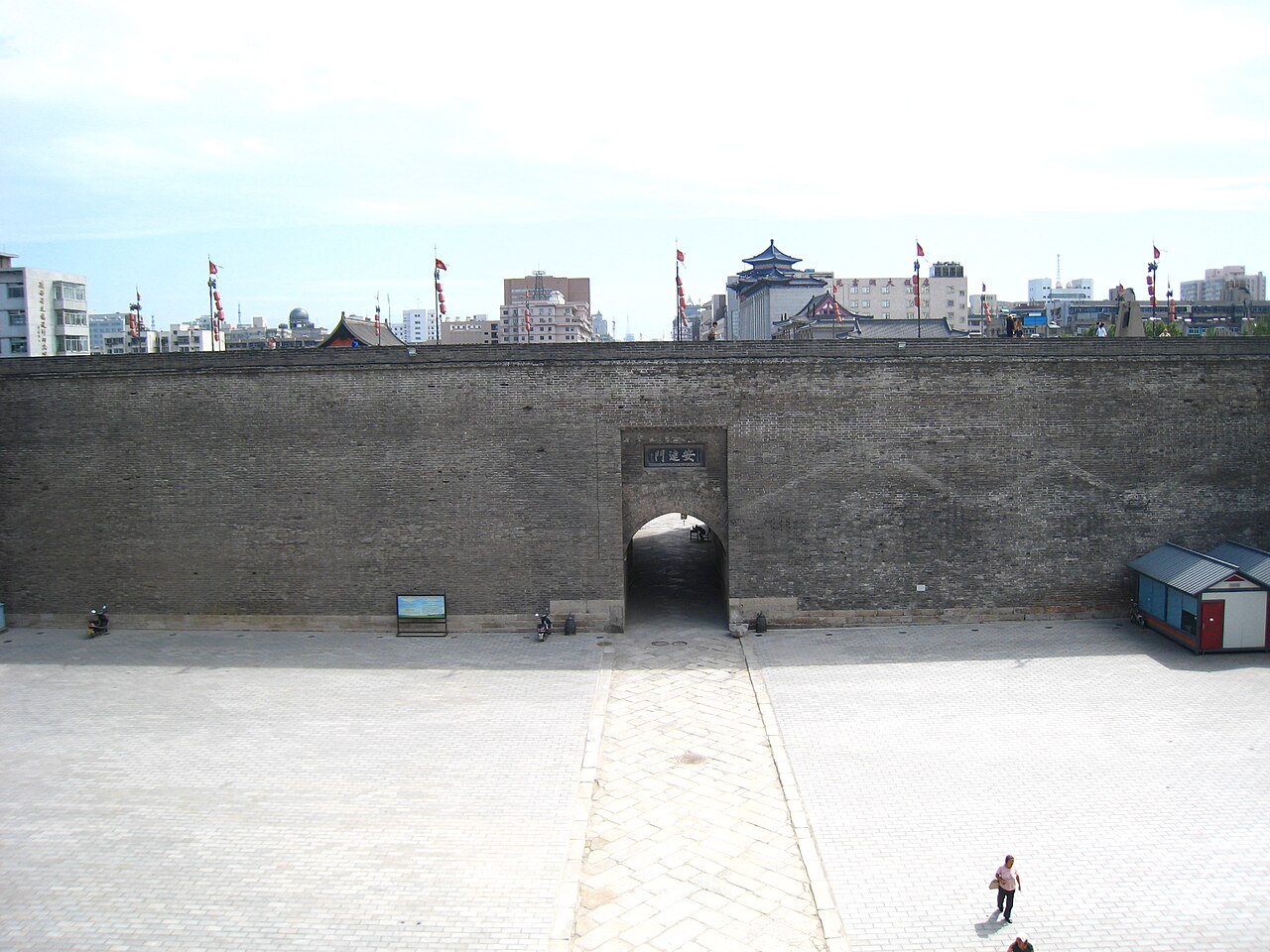
Anyuan Gate, or 安远门, is one of the preserved gates in Xi'an's historic city wall system. The gate belongs to the Ming dynasty defensive enclosure that shaped the city's historic core. Its role was practical as well as symbolic: controlled passage, fortified approaches, and the layered protection of a major capital. Today the gate gives travelers a direct way to experience the scale of Xi'an's surviving fortifications. It is best understood as part of the larger wall rather than as an isolated monument, with the surrounding city helping reveal how old defenses meet modern urban life.
Checked 2026-08-26 · Source
The gate includes the architectural layers expected from a fortified city entrance: the main gate structure, ramparts, and a barbican that controlled movement before travelers reached the inner passage. From the elevated wall, the surrounding streets and city skyline become part of the experience. The wall-top route connects Anyuan Gate to the broader defensive circuit, allowing visitors to read the gate as one element in a continuous military landscape. Look closely at rooflines, masonry, openings, and the relationship between the outer approach and the protected passage.
Checked 2026-08-26 · Source
Allow thirty to sixty minutes to examine Anyuan Gate itself, including the entrance sequence, defensive architecture, and elevated views. Add substantially more time if you plan to walk along the wall. The complete circuit extends roughly thirteen to fourteen kilometers, so most travelers choose a shorter section rather than treating the entire perimeter as a brief attraction. A partial wall walk after visiting the gate provides a strong sense of scale without consuming the whole day. Photographers and architecture enthusiasts may want additional time for changing perspectives and details.
Checked 2026-08-26 · Source
Spring and autumn offer the most comfortable conditions for walking on the exposed wall. Summer brings stronger heat and sun, while winter can feel cold and windy on the northern section. Early morning and late afternoon provide softer light and a more comfortable pace for examining masonry and photographing the gate. Holiday periods can bring heavier foot traffic, especially around the major city-wall entrances and connected walking routes. Choose the time of day according to your priority: cooler air for walking, softer light for photography, or a livelier atmosphere around the historic center.
Checked 2026-08-26 · Source
Anyuan Gate belongs to the Xi'an city-wall experience, so plan it as part of wall access rather than as a completely separate monument. The most useful visit combines the gate with time on the ramparts, where the defensive layout becomes easier to understand. If you are deciding how much of the wall to explore, account for walking distance, sun exposure, and the time needed to return to the city below. Bicycle rental or other wall services can change the rhythm of a visit, but the architectural experience remains worthwhile on foot over a shorter section.
Checked 2026-08-26 · Source
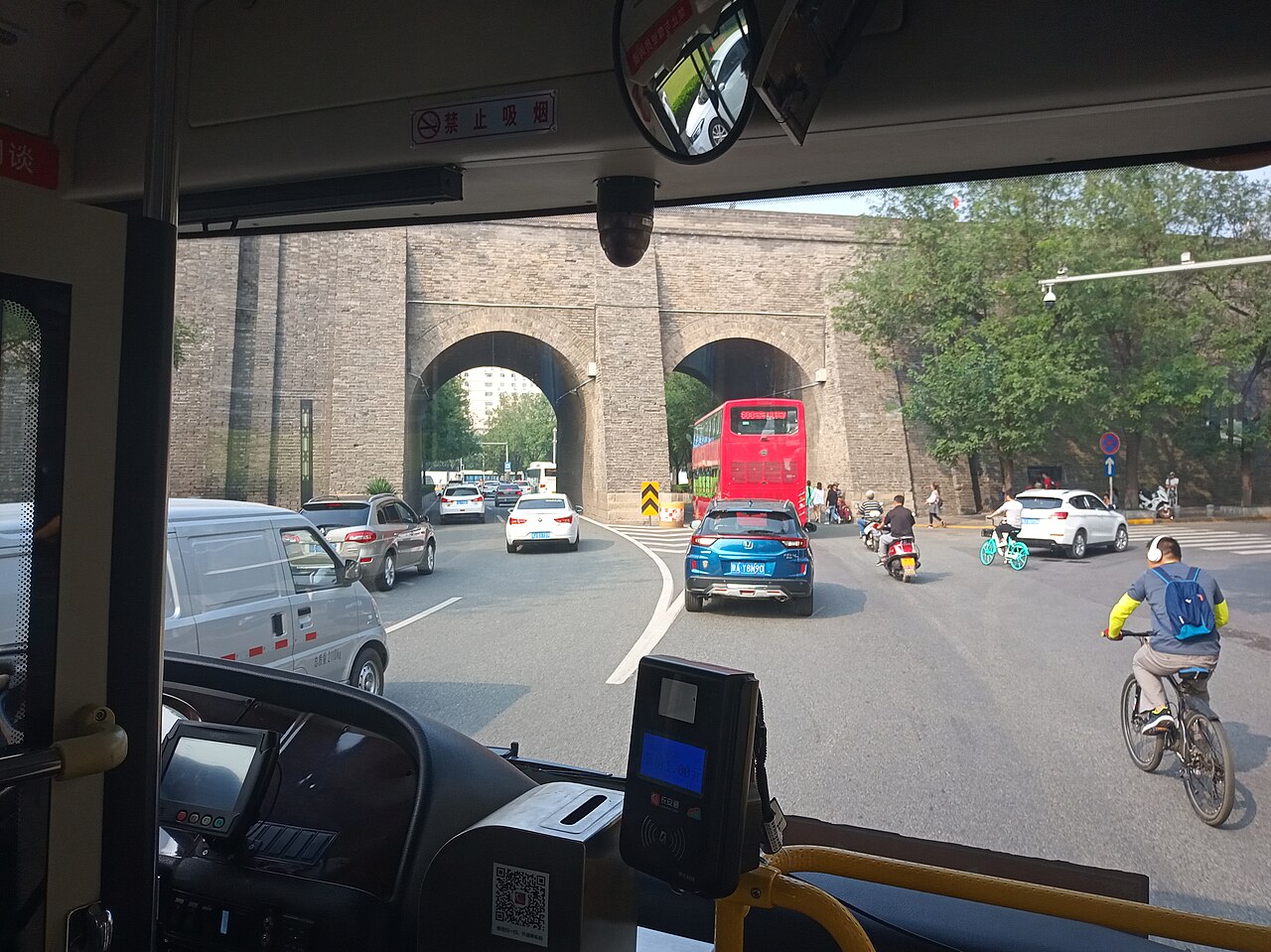
Anyuan Gate stands on the northern section of Xi'an's city wall. Reach the surrounding district by public transport, taxi, or ride-hailing, then follow the final approach on foot. The gate is a useful destination for travelers already exploring the historic center, although the northern position may require a dedicated transfer from other major sights. Keep the Chinese name 安远门 available when using local transport. Once at the gate, the wall route makes it possible to continue along the fortifications and shape the length of the visit around the rest of the day's plans.
Checked 2026-08-26 · Source
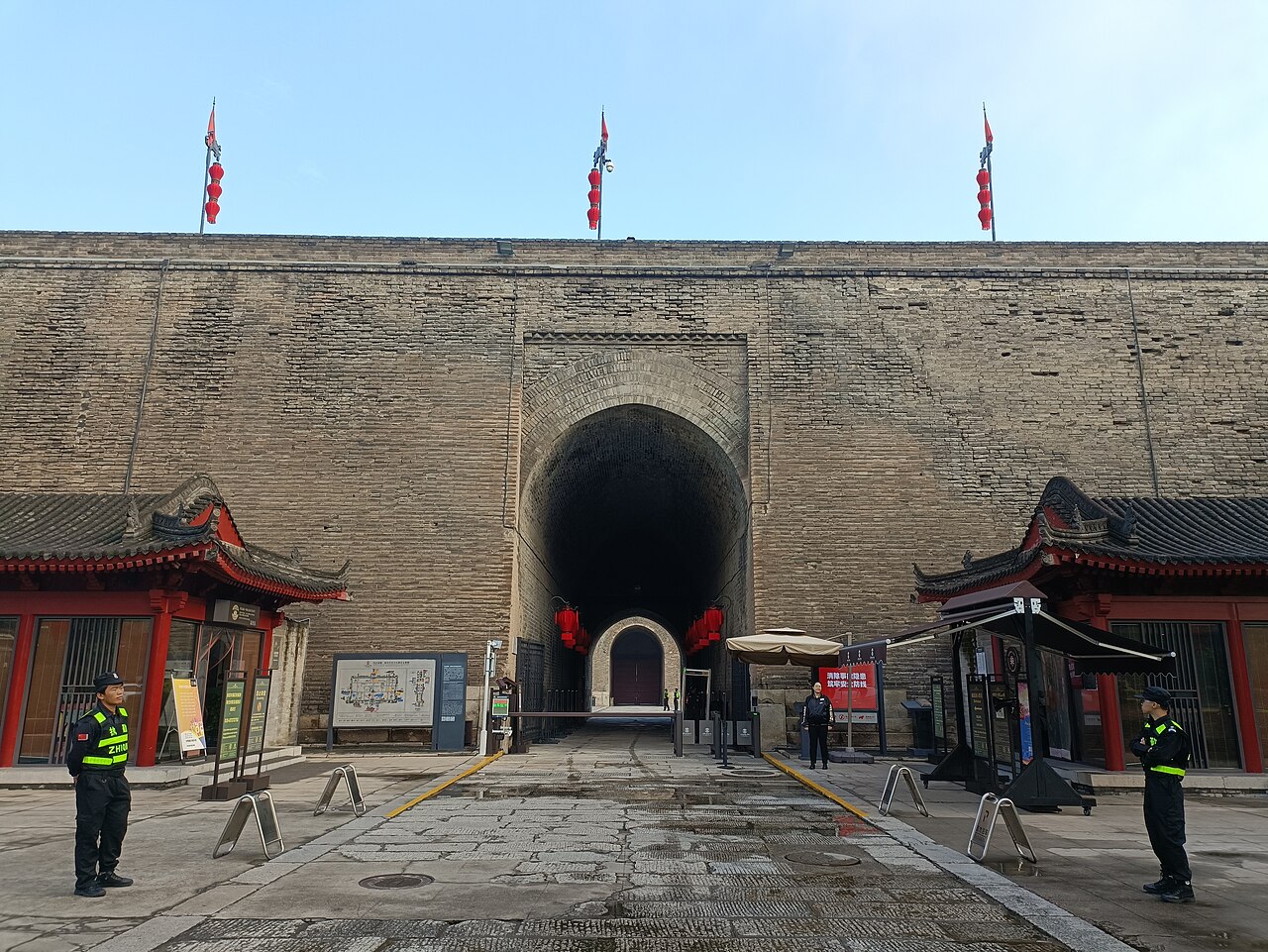
The historic structure includes uneven surfaces, stairs, and elevated wall-top paths. Wear shoes with secure soles and take care on steps, especially after rain. The ramparts are exposed to sun and wind, so water and weather protection are useful during longer walks. Crowds can slow movement at popular access points and narrow passages. Stay behind protective barriers and keep children close near elevated edges. A wall visit is physically more demanding than viewing the gate from street level, so choose a shorter section if you prefer a relaxed architectural stop or have limited walking comfort.
Checked 2026-08-26 · Source
Anyuan Gate offers layered compositions: rooflines above the barbican, the passage through the fortified entrance, textured masonry, and city views from the wall. Early and late daylight brings out depth in the defensive forms, while a wide-angle lens helps in the enclosed approach. Include modern Xi'an beyond the ramparts to show the contrast between the Ming fortifications and the contemporary city. Keep pathways clear and work around other visitors in narrow areas. At elevated viewpoints, secure loose equipment against wind and prioritize a steady, safe position over a dramatic angle.
Checked 2026-08-26 · Source
Anyuan Gate is known locally as 安远门 and forms part of Xi'an's historic city wall.
It stands on the northern section of Xi'an's city wall, making it a useful starting point for exploring that side of the fortifications.
The complete wall circuit extends roughly thirteen to fourteen kilometers, although visitors can choose a shorter section.
The elevated wall provides views across Xi'an, while the gate itself reveals barbican planning, ramparts, masonry, and traditional rooflines.
Stairs, uneven surfaces, exposed sun, wind, and the length of a possible wall walk make it more demanding than a street-level monument.
Early morning and late afternoon offer softer light and cooler conditions for photographing the gate and walking the wall.
Loading the interactive map…
The interactive map could not be loaded.
Last updated:
Source: OpenStreetMap contributors ·