
1 min walk
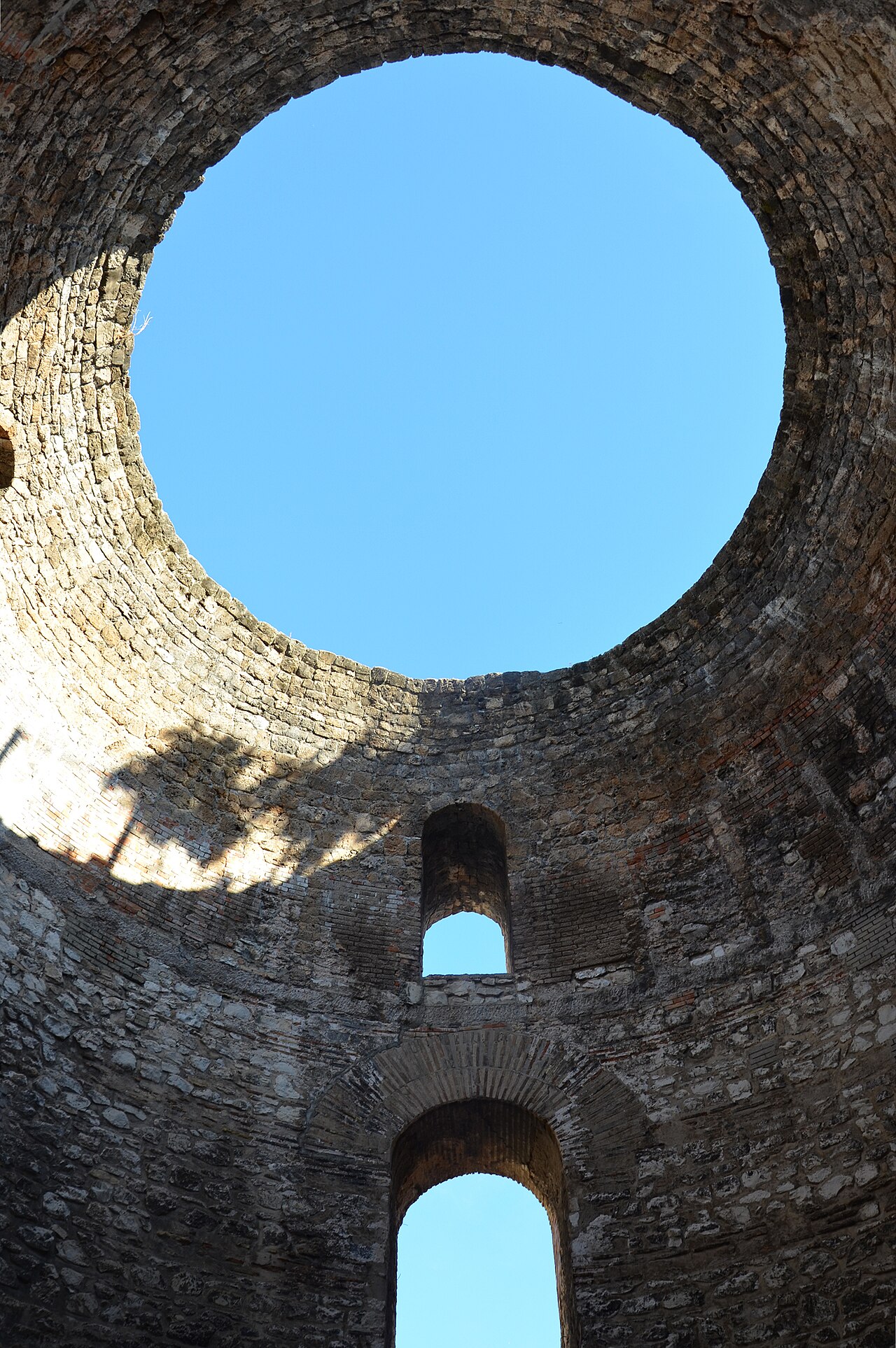
Vestibule
- Must see
- Historic monument
Language · 11 published
Historic monument · Split
Dioklecijanova palača
Reviewed by Elena Voss · Roavina Travel Editor
Read from the OpenStreetMap access tags; anything not listed has no tag recorded.
Set the group type to family in the planner and the day window contracts to about three quarters of a solo day.
This place is a Attraction. It was established in 293. It carries the part of UNESCO World Heritage Site heritage designation.
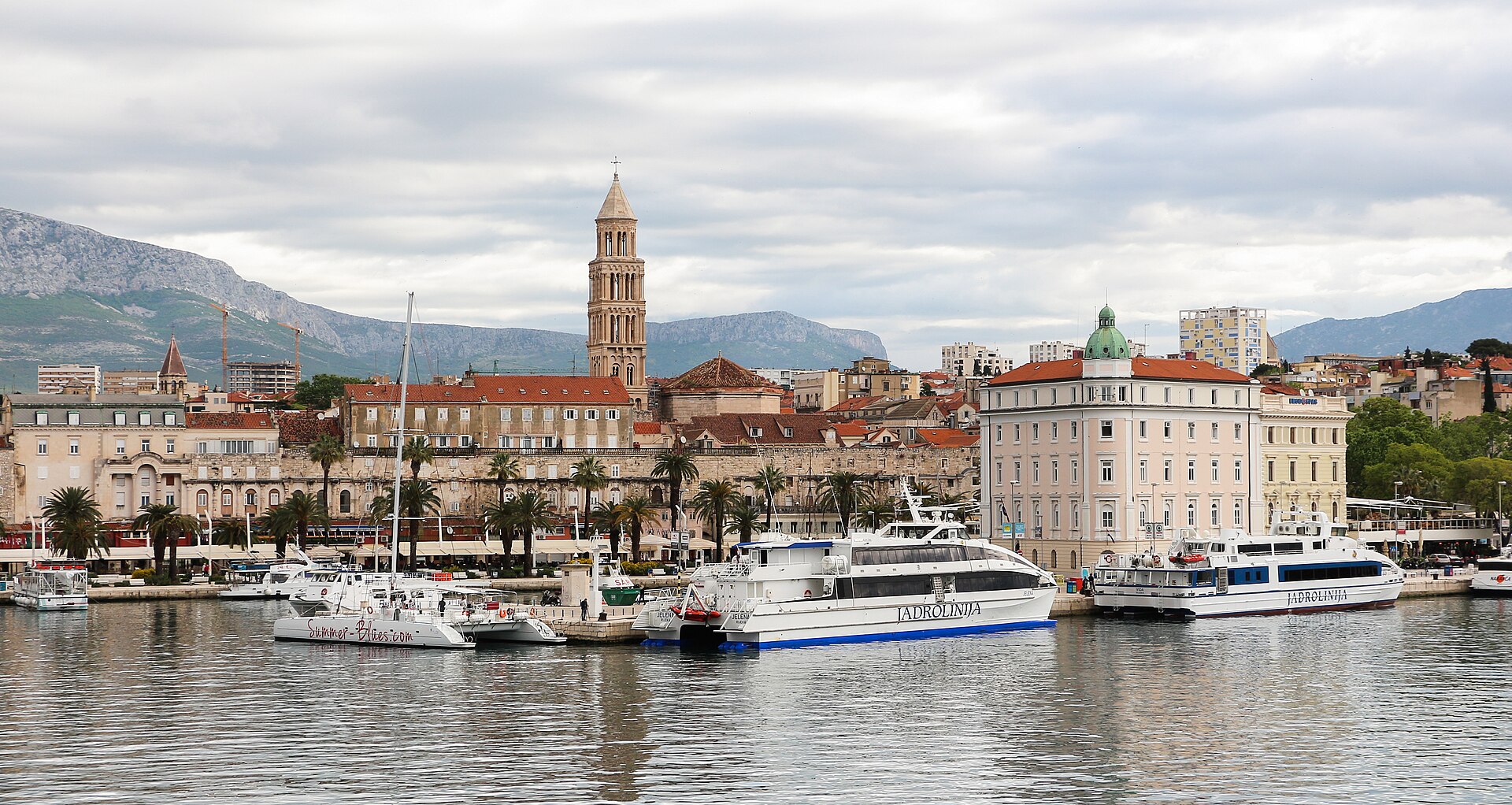
Diocletian’s Palace is the Roman imperial complex at the heart of modern Split, Croatia. Built for Emperor Diocletian in the late third and early fourth centuries, it combined a fortified residence, military stronghold and imperial retreat. The palace became the historic core of Split and remains a living district, with homes, shops, restaurants and religious buildings inside the ancient walls. UNESCO recognised the Historic City of Split as a World Heritage Site in 1979. Diocletian's Palace is a Roman palace complex in Split, Croatia, built for Emperor Diocletian in the late third and early fourth centuries CE. The local name is Dioklecijanova palača. It forms the historic core of modern Split and represents one of the best-preserved examples of Roman palatial architecture in the world. The structure was originally a military fortress, imperial residence, and fortified town combined. Today it functions as a living urban centre with residences, shops, and restaurants integrated within ancient walls. The palace was designated a UNESCO World Heritage Site in 1979 as part of the Historic City of Split. It functions as both. The palace contains museums and historical attractions, but also remains a living urban area with permanent residents, shops, and restaurants integrated within the ancient structure.
Checked 2026-08-26 · Source
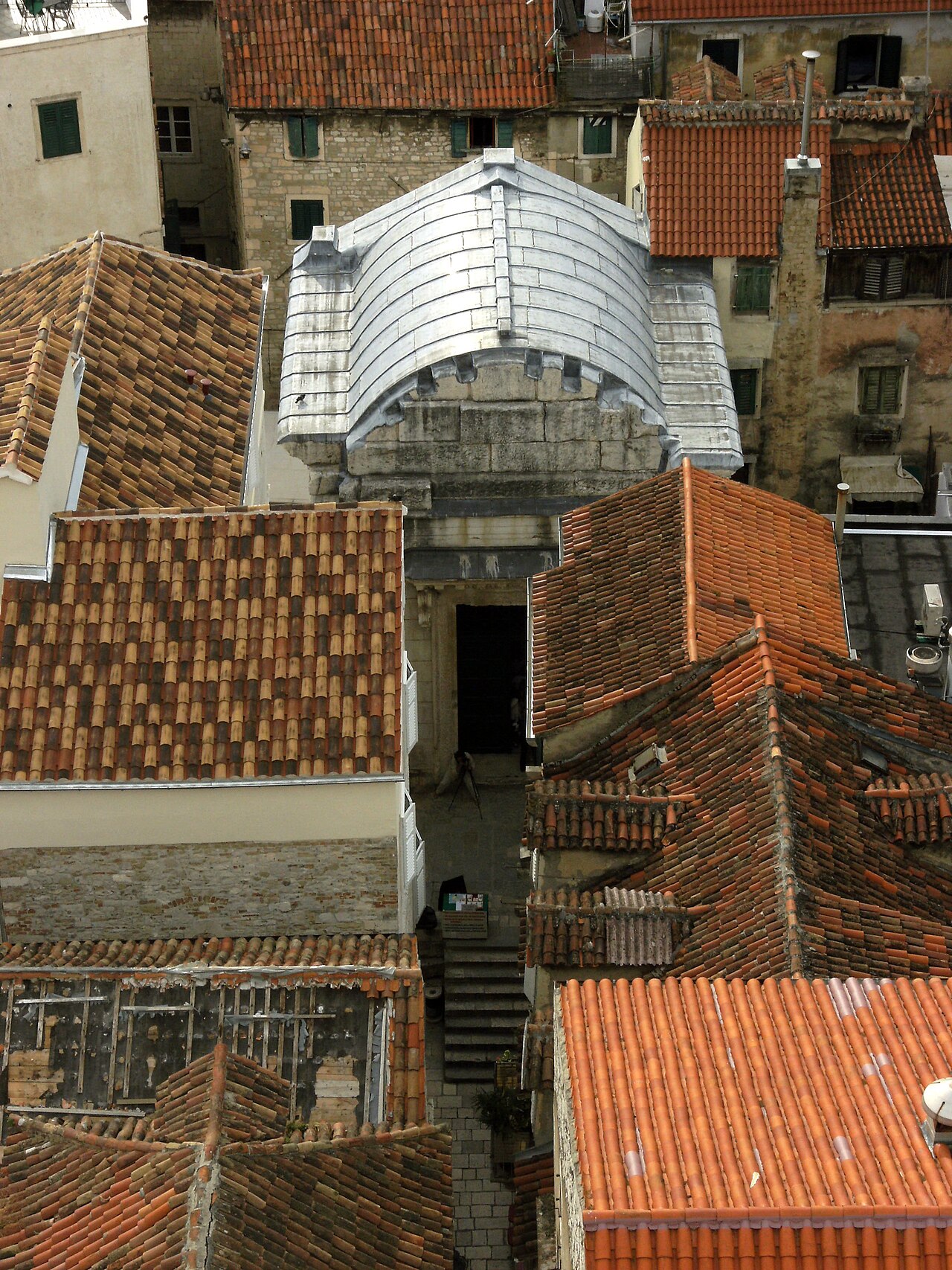
Begin at the Peristyle, the columned central courtyard, then explore the narrow lanes and layered buildings that grew through centuries of reuse. The Cathedral of Saint Domnius occupies the former mausoleum of Diocletian, while the Temple of Jupiter preserves another part of the Roman plan. Underground cellars reveal the palace’s lower structures, and four historic gates—Gold, Silver, Iron and Bronze—help orient the complex. Medieval additions and everyday urban life sit directly alongside Roman stonework. The palace complex contains numerous architectural and historical features. The Peristyle, a central open courtyard with columns, serves as the main gathering space.
Checked 2026-08-26 · Source
A focused walk through the Peristyle, principal lanes and exterior viewpoints takes about one to two hours. Add time for the cathedral, tower, cellars or other paid attractions. Many travellers spend half a day here because the palace is both a monument and a neighbourhood, with cafés, restaurants and shops woven into the route. Return in the evening if you want to see the same stone surfaces and squares under artificial light.
Checked 2026-08-26 · Source
Spring and autumn bring gentler temperatures and generally easier walking than the hottest summer weeks. Summer combines strong Mediterranean heat with the highest visitor numbers, especially when cruise passengers and day-trippers arrive. Early morning is often the calmest time for the Peristyle and narrow lanes. Evening gives the palace a different mood and suits a second stroll. Winter is quieter, although the rhythm of shops and restaurants can be reduced.
Checked 2026-08-26 · Source
You can walk through the palace’s ordinary streets and open urban spaces without treating the whole complex as one enclosed ticketed attraction. Specific experiences may charge separately, including the cathedral, bell tower, underground cellars, museums or exhibitions. This makes it easy to enjoy the Roman setting on a budget while choosing only the interiors that interest you. Ticket arrangements belong to the individual attraction rather than to every lane inside the historic centre.
Checked 2026-08-26 · Source
Diocletian’s Palace stands beside Split’s Riva waterfront. The ferry port and main bus station are close enough for many arrivals to continue on foot, and local buses serve the wider centre before the final pedestrian approach. The palace itself is unsuitable for vehicle travel: enter through one of the four gates and use the Peristyle as your main orientation point. Gold Gate is north, Silver east, Iron west and Bronze faces the sea.
Checked 2026-08-26 · Source
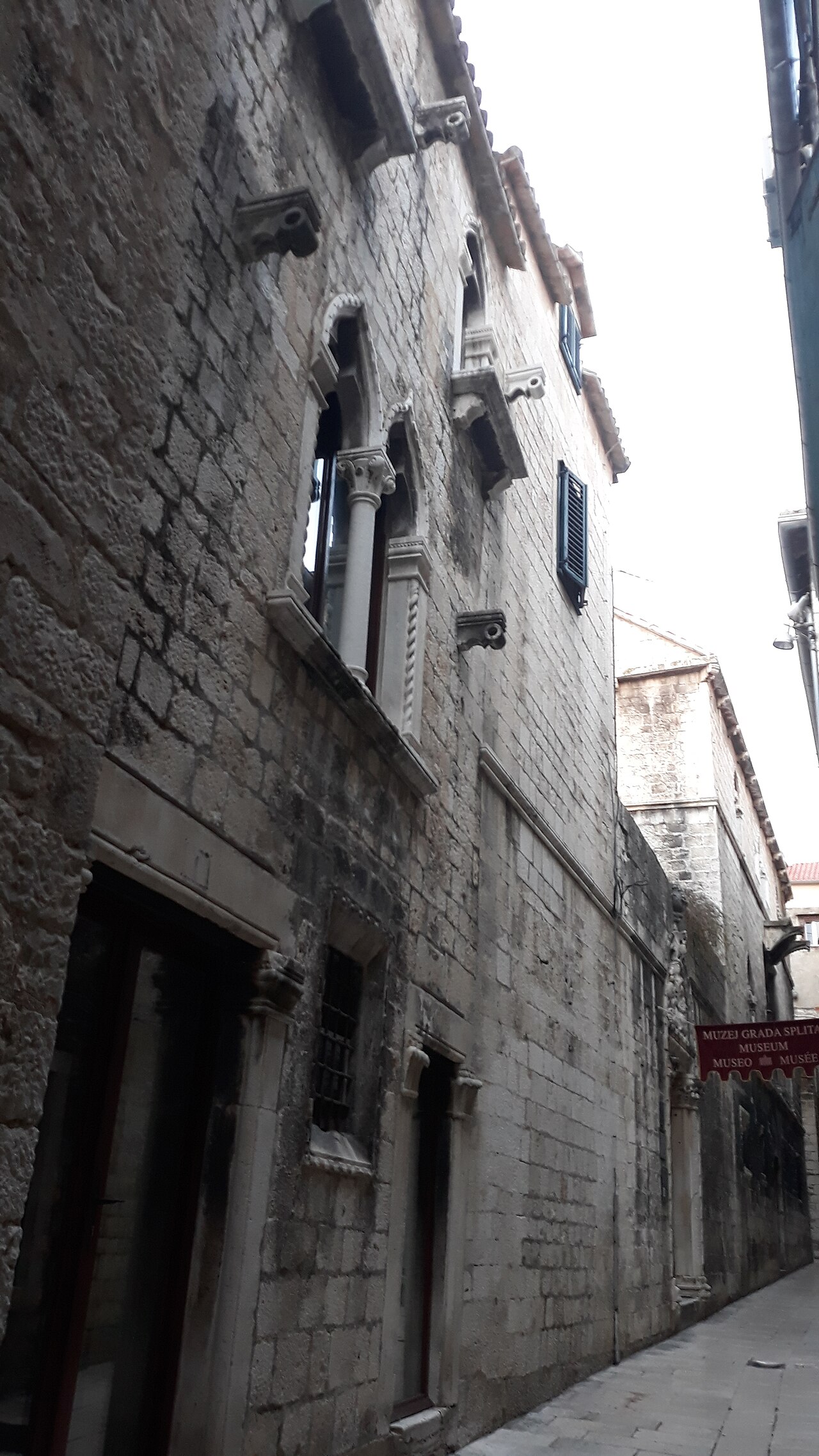
Worn stone paving, steps and uneven thresholds demand steady attention, especially in the cellars and older lanes. Summer heat can build between stone walls, so water and sun protection are useful. Crowded passages require care with valuables and patience when moving through bottlenecks. Homes and businesses remain inside the palace, so respect doorways, residents and evening noise. Cathedral services can affect movement, while tower staircases may be steep and tiring.
Checked 2026-08-26 · Source
The Peristyle provides the clearest classical composition, with columns, stone walls and open sky. The cellars offer textured low-light scenes, while the bell tower and upper viewpoints reveal the palace plan, rooftops, Riva and distant landscape. Early morning and late afternoon bring softer light to the stone. Inside religious spaces, follow local restrictions and keep clear of services. Photographing the palace also means photographing a living neighbourhood, so give residents and businesses space.
Checked 2026-08-26 · Source
Yes. Homes, shops, restaurants, religious buildings and cultural spaces operate within the ancient palace structure.
The ordinary streets and open urban spaces can be explored freely, while particular attractions such as the cathedral, tower and cellars may charge separately.
Construction took place in the late third and early fourth centuries, making the palace roughly seventeen centuries old.
The four gates are named Gold, Silver, Iron and Bronze; they mark the north, east, west and sea-facing southern approaches.
The underground cellars preserve substantial lower structures that reveal the engineering and layout beneath the Roman palace.
The gates and Peristyle provide useful reference points, but narrow, irregular lanes and medieval additions make the historic centre more complex than a regular street grid.
Loading the interactive map…
The interactive map could not be loaded.
Last updated:
Source: OpenStreetMap contributors, Wikidata ·